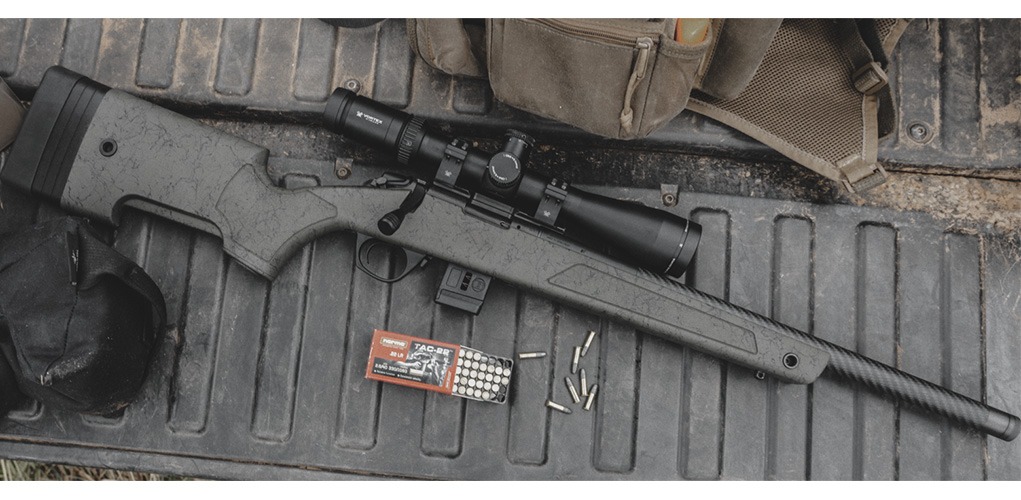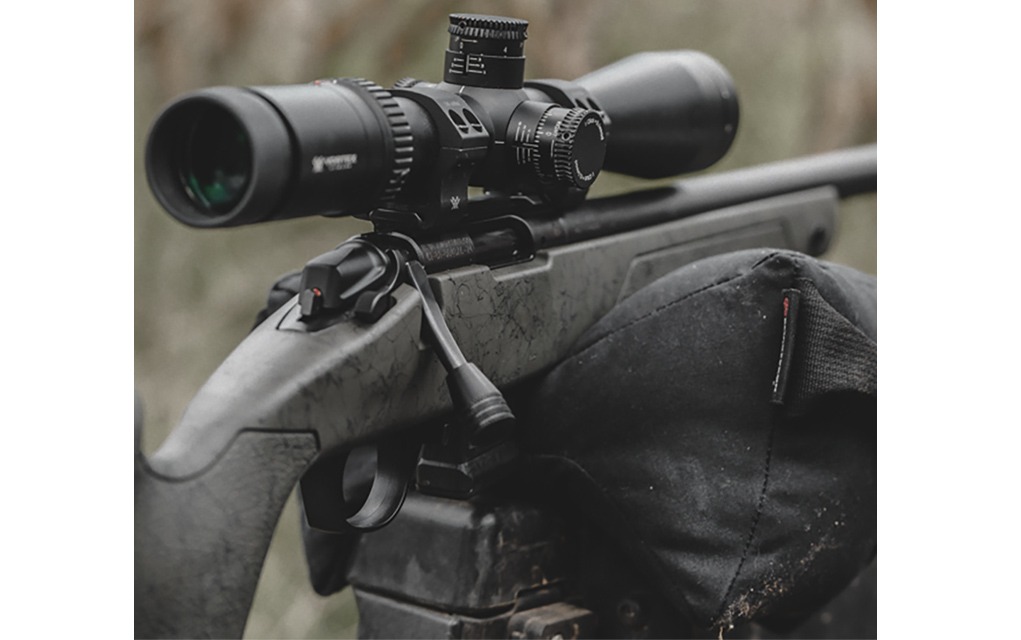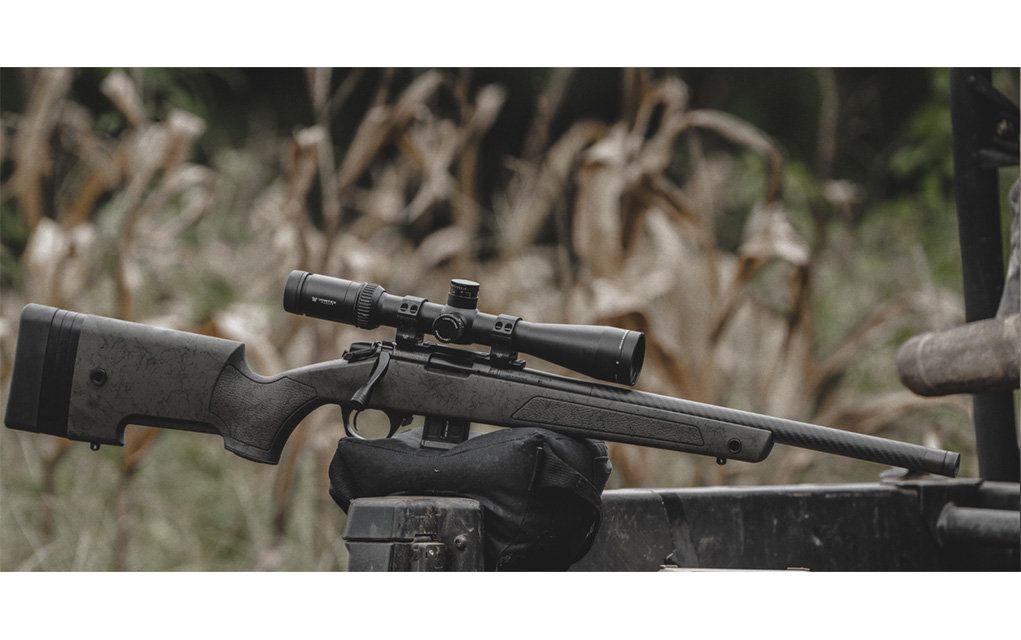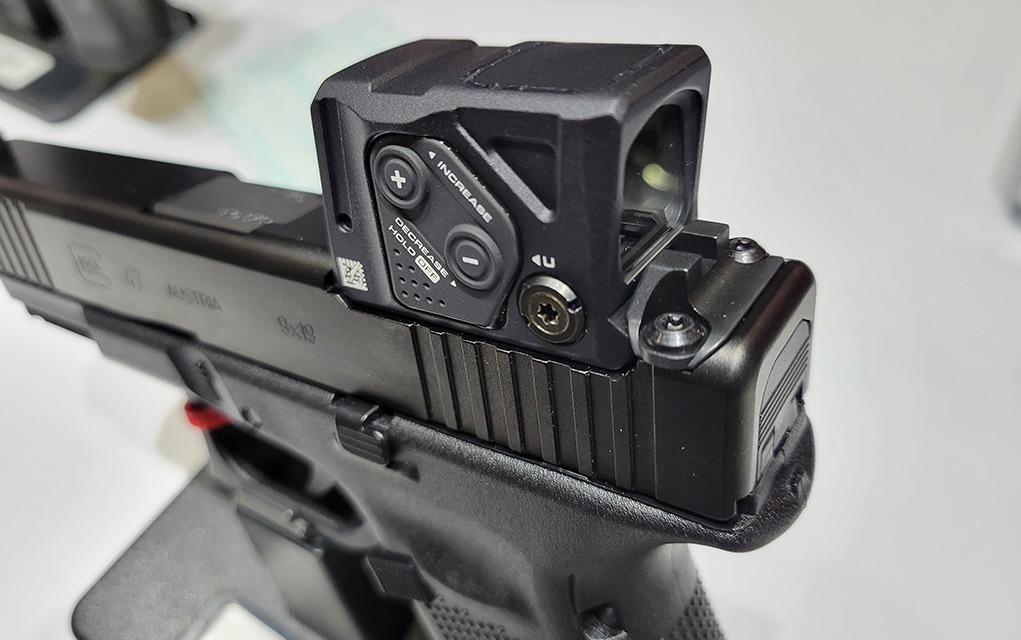
Looking to bring your Kalashnikov into the 21st century? Here we check out the new AK furniture options from B5 Systems.
When it comes to AKs, their owners usually fall into one of two camps: โrifle is fine,โ or โrife is not fine.โ As good as Kalashnikovs look decked out in classic furniture, when it comes to practicality and ergonomics, laminate wood definitely leaves a lot to be desired.
If youโre ready to get with the times and outfit your Kalash with something more modern, B5 Systemsโ new AK furniture is well worth taking a look at.
B5 Systems AK Furniture
Although each component is sold individually, B5 Systems has concocted a full set of AK furniture to choose from including a grip, a handguard and three different models of buttstock. The grip and handguard should be compatible with just about any AKM-based firearm, and the three buttstock variants are designed for three different patterns of rear trunnionโfixed, 4.5mm and 5.5mm.
The fixed version is what it sounds like and is non-folding and compatible with standard AKs with fixed-stock rear trunnions.
The 4.5mm and 5.5mm versions can be folded but are only compatible with their respective pattern of folding trunnion featured on some more modern AK models.
Besides the ability to fold, however, all three stocks are identical. They feature adjustable lengths of pull, cushioned non-slip buttpads and mounting points for both traditional and QD slings.
The handguard features an integral heat shield, aggressive texturing and M-LOK slots on the bottom and sides (on both the upper and lower handguard segments).
The AK P-Grip also features aggressive texturing, but more significantly it has a 13-degree angle. Compared to most AK grips, original or otherwise, this is very straight and closer to what is often found on modern AR-15 setups. It can also accept B5 Systemsโ grip plug for storing batteries or other small items.
You also have your choice of color, as all B5 Systems AK furniture is available in either black, green or plum. A plum set is featured in this article.
Installing B5 Systems AK Furniture
Unlike some of the more complex styles of modern AK furniture out there, the B5 Systems set is very easy to install. Besides potentially having to do some minor fitting, itโs completely drop-in and installs almost the same way as an original wood set. When we were mounting ours on a Romanian WASR-based SBR, we only had to remove a minor amount of material from the lower handguard for it to fit.
After clearing and stripping the rifle, the gas tube lever can be flipped up and the upper handguard/gas tube assembly can be lifted out. The old upper handguard can then be twisted off the gas tube. A vise helps with this.
Next, the lower handguard retaining lever can be flipped so the lower handguard can be removed, just remember to take out your cleaning rod first if you have one.
The pistol grip screw and pistol grip can be taken off next followed by the two screws that retain the buttstock. Removing the buttstock itself may be easy for some while others will find theirs still solidly stuck in place, but thatโs nothing that a rubber mallet canโt fix. It wouldnโt really be working on an AK if there were no hammers involved.
Once all the old furniture is off, the B5 Systems set can be installed by reversing the above process except for the stock which is slightly more complicated.
The B5 Systems Fixed AK stock features two components, the Stock Connector and the rest of the buttstock, and the connector piece must be installed to the rifle before the actual buttstock is attached to it. That said, itโs very easy to do and B5 Systems provides easy-to-follow instructions for it.
Also, keep in mind that this is for installing the fixed version. The process for the folding 4.5mm and 5.5mm stocks will be slightly different.
Once everythingโs in place, youโre ready to shoot. Or, more likely, ready to install accessories to your new M-LOK slots.
On The Range With A B5 Systems AK
We have trigger time behind a lot of different flavors of AK with a wide variety of furniture styles, and B5 Systemsโ set proved to be some of the best in its class.
The handguard is nicely slim but flares out some toward the rear to give your hand something to pull back on, and the rough, aggressive texturing on the bottom ensures that your hand wonโt slip off even when wet. We didnโt utilize the M-LOK slots, but theyโre perfectly positioned to accept a flashlight on one of the sides and a grip or handstop on the bottom.
The pistol grip features the same excellent, rough texturing to prevent slippage, and its straighter profile felt great too. We found that the grip facilitated a more natural wrist angle when shouldering the rifle. That said, grip angle preference can be subjective, and some might still prefer theirs to be more angled.
The B5 Systems Fixed AK stock provided the most noticeable upgrade to how the AK handled, namely because of the adjustable length of pull. The button at the bottom is easy to grab to quickly make adjustments and it locks into each position very positively so thereโs no chance it will collapse on itself when firing. Including fully extended and fully collapsed, there are five positions to choose from. The rubber buttpad also does a great job of locking into your shoulder.
Parting Shot
All put together, the B5 Systems furniture is a great upgrade for an AK. When it comes to other modern AK furniture sets, theyโre often heavier, more expensive and harder to install, with the tradeoff being that they also typically add solid rail systems for mounting optics or lasers.
Compared to those, the B5 Systems set is incredibly lightweight, easier to install and much more affordable. The grip has an MSRP of $20, the handguard has an MSRP of $40 and all versions of the buttstock have an MSRP of $125. It doesnโt give you the ability to mount an IR laser without losing zero, but most shooters donโt need that anyway. If all youโre looking for is furniture that will make your AK more ergonomic, more shootable and more customizable via M-LOK slots, B5 Systemsโ set accomplishes that handily all without breaking the bank.
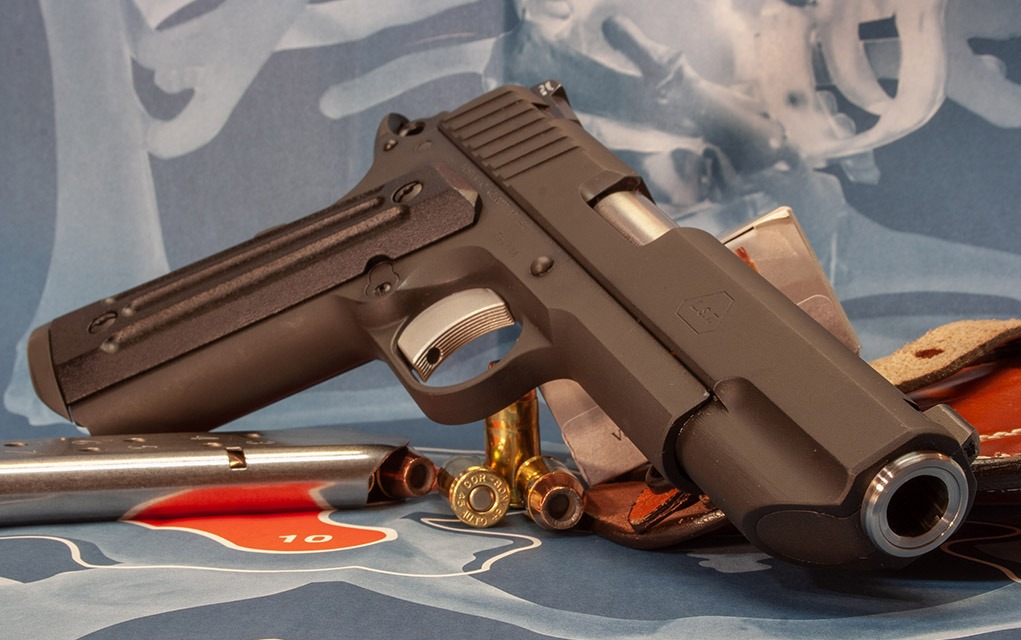
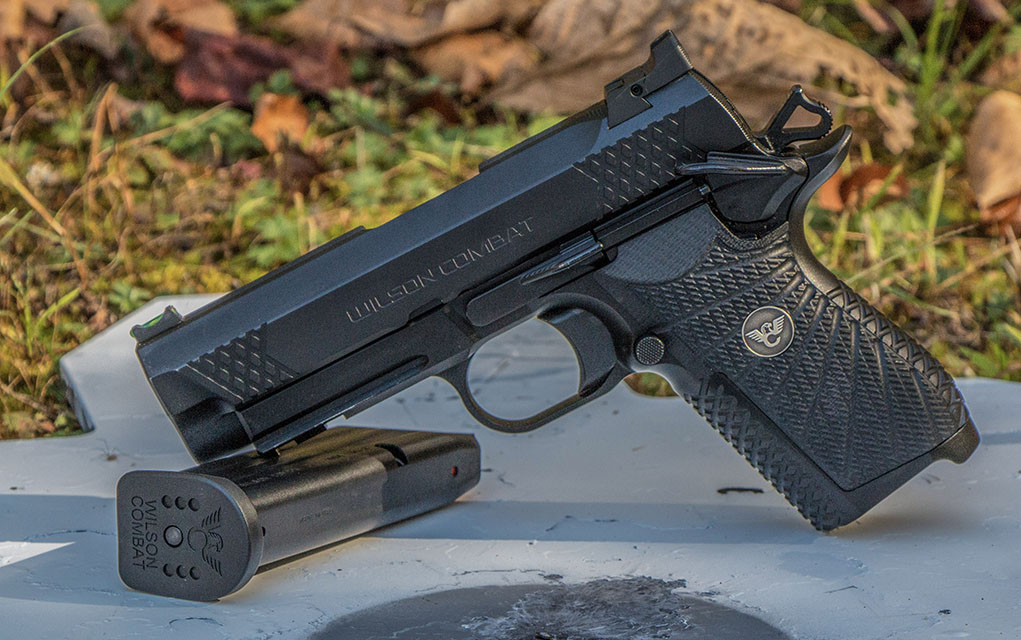
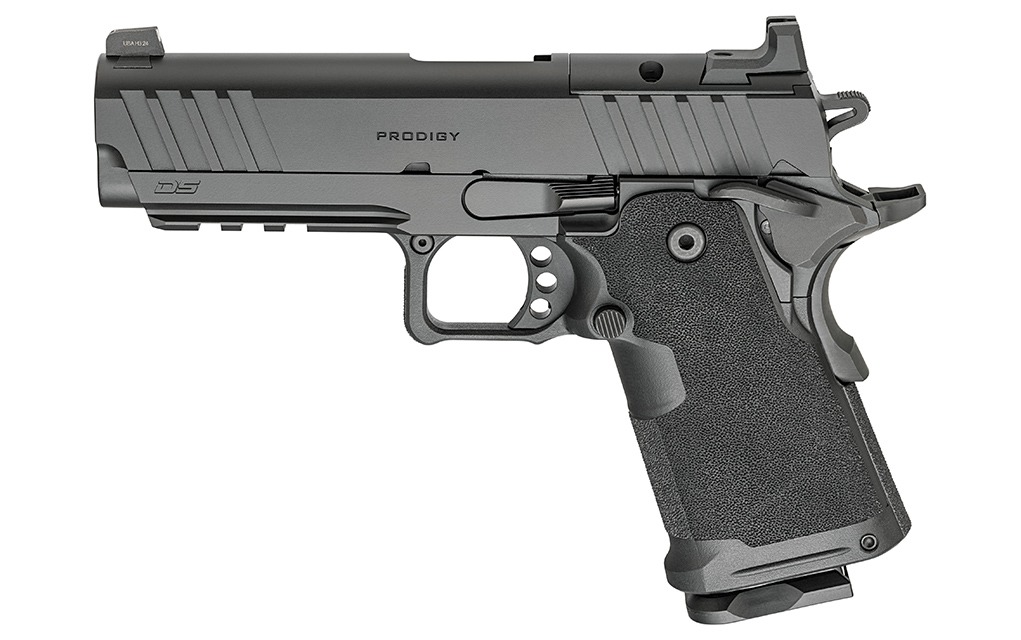
We hunted out the best 10mm 1911 we could find that fit nearly any shooter’s budget.
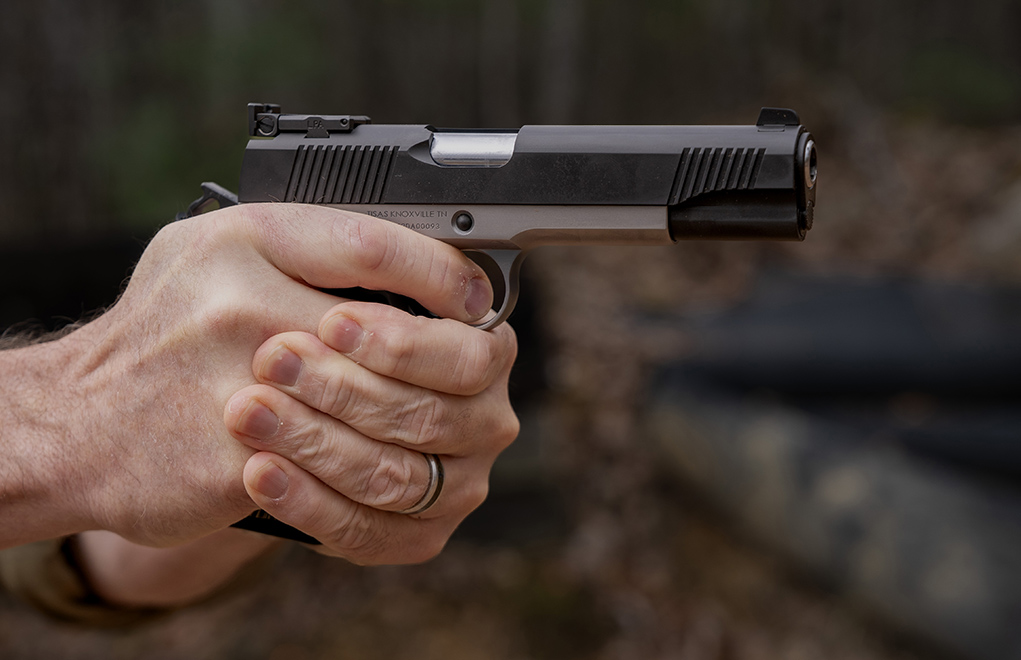
I’ve heard many purists scoff at the thought of a 1911 chambered for anything other than .45 ACP. Difficult to argue against the proposition.
John M. Browning came up with nearly the perfect pistol-ammunition combination lo those 100-plus years ago. However, if the heavy-metal sidearm is your passion, you most likely know thereโs an equally, dare I say better chambering available.
While the 10mm Auto was not designed specifically for the iconic handgun its eventual marriage to the 1911 was a match made in heaven. Like any good couple, the cartridge and gun bring out the best in each other.
Heavy and accurate, the 1911 makes the snappy cartridge more manageable, enhancing its overall accuracy potential. And for its part, the 10mm endows the pistol with the trait most shooters cherish in the 1911โpower, and plenty of it. Gad, who could want any more?
Thankfully, we live in an exceptional age when 10mm 1911 options abound.
True enough, many are expensive affairs running well north of the everyday marksmanโs budget, making them prohibitive for many. Weโve come up with a few such specimens in our list of best 10mm 1911 options for any budget.
How We Chose The Best 10mm 1911s
Among the other Gun Digest editors, most trusted freelancers and myself, we have quite a few 1911 fans on our staff. When it comes to 10mm 1911s, we’ve had the opportunity to collectively put thousands of rounds down range from a wide variety of different makes and models. When it came time to boil down our list of the best affordable 10mm 1911s, we considered each gun’s overall build quality, reliability, accuracy, features and price. In the end, these were the top options that earned a spot on our list.
LPA MPS1 Adjustable Rear/Dovetail Fiber Optic Front
Black/Grey G10
Black Parkerized
4.25
8
5.5
37.76
$849
Girsan Influencer MC1911
8+1
Low-Profile 3-Dot ; Optics-Ready Slide
Hexagonal Textured
Black
4.4
8
5.5
37.6
$669
Colt Delta Elite
Pros
The classic Colt 10mm
Handsome finish
Optional accessory rail
Cons
Expensive
Colt Delta Elite Specs:
Capacity: 8+1
Sights: Novak
Grips: Black composite
Finish: Brushed Stainless Steel
Barrel Length: 5 Inches
Overall Length: 8.75 Inches
Overall Height: 5.5 Inches
Weight: 39 Ounces
MSRP: Starts at $1,199
Sure, the Bren Ten gets all the love for kicking off the 10mm craze, but the Delta Elite did the heavy lifting in keeping the cartridge alive. Minted in 1987 the 10mm 1911 was one of the few options in the chambering through the late 1980s and early 1990s. While absent from the Colt catalog for several years, the gunmaker reintroduced the pistol in 2008, just in time to catch the new wave of Big-10 mania. Lucky for shooters. Few who shoot the Delta Elite come away disappointed.
Like any Colt 1911, the pistol is well made with excellent fit and finish, and in capable hands is a tack driver. Yes, it can drill the bullseye despite a Series 80 trigger. No, itโs not custom-trigger snappy, but its predictable 4-or-so-pound break is respectable enough.
At 35 ounces unloaded, I find the the 5-inch barreled pistol has enough heft to tamp recoil and plenty of texturing on the grips and backstrap for supreme control. Genuine Novak Sights deliver just what youโd expect, an eye-catching aiming system and just the thing to milk accuracy out of the gun. And a brushed stainless steel finish give it dashing good looks. I believe that the Delta Elite certainly qualifies as a modern classic.
Also, if you’re like me and prefer to have a light on your gun, Colt makes a version with an accessory rail as well.
Sights: Fiber Optic Front ; Tactical Rack White Dot Rear
Grips: Checkered Wood
Finish: Two-Tone Blue/Stainless
Barrel Length: 5 Inches
Overall Length: 8.6 Inches
Overall Height: 5.5 Inches
Weight: 40 Ounces
MSRP: $917
Over the years, Springfield Armory 1911s have earned a rock-solid reputation. Deservedly so, given for the price point few hang with the clean line and nearly flawless performance of the gunmakerโs catalog. You have to step up a bit to get into one of Springfieldโs 10mm 1911 pistols. The only model presently made residing in the Ronin series. But itโs not so great a leap as to preclude the shooter of modest means.
Springfield markets the Ronin series as a combination of classic style and modern features, built using a mix of modern and traditional manufacturing methods. I find that the result is a handsome, full-size two-tone 10mm pistol that performs as good as it looks. It uses a forged frame and slide, has a match-grade 5-inch barrel and an 8-round magazine capacity. Each Ronin 1911 also features forward slide serrations and checkered wooden grips.
The gun handles very nicely, plenty of weight in the handโ40 ouncesโmaking for what I thought to be an extremely controllable 10mm. Top-notch sights enhance the overall system, an eye-catching fiber-optic pipe in front and two white dots in the rear. I’ll admit, I think the gun comes in too heavy for everyday carry for most folks, including myself. But with the right sights it could transform into a first-class hunter.
Ruger has an amazing ability to walk a fine line. Generally, this is between cost and performance and is perhaps best exemplified in its 10mm 1911, the SR1911 Target.
No, I definitely don’t think you’ll split gnat hairs at 20 paces with the piece, but for the money, I found the attractive-looking pistol delivers good-enough accuracy. Overall, the trigger was my sticky point with the pistol and felt in loosened my groups. Invest a little more with a competent gunsmith to clean up the trigger and youโd most likely have a lights out shooter.
Essentially the pistol is Rugerโs rendition of a Series 70 1911, though the gunmaker made some significant breaks from the original design. This is evident in opting for a 5-inch bull barrel over collet bushings. Debate rages over if bulls provide more support compared to bushings, but I’m not going to get into that here. One thing indisputable about the feature, combined with a full-length guide rod, the SR1911 has more heft up front. A good thing overall, helping tame some of the recoil.
I find the SR1911 very comfortable, it just feels good in the hand and is very controllable. Rubberized panels and ample checkering on the mainspring housing are to thank for this, as well as a high beavertail safety. A Bomar-style adjustable rear sight rounds out the package.
Itโs a good 1911, one most shooters find capable of filling most roles.
Yes, the owl head is the same as those budget revolvers from 100 years ago, but the modern Iver Johnson has nothing to do with its namesake. Unless youโre a sucker for nostalgia, this is a good thing. With a vastly expanded catalog, Iver Johnson is an importer with a slew of superb pistols from the Philippines (S.A.M. Inc.). What I find the best of all, the guns are at prices nearly any shooter can afford.
This includes its outstanding Eagle XL-10 10mm 1911. Certainly, the long-slide pistol isnโt a top choice for on-person defense. A 6-inch barrel and 46-ounce weight is plenty to keep under wraps. Outside of that, I definitely peg the 10mm fit for any other dutyโhome defense, competition or hunting.
I personally like the Eagle XL-10’s throwback appeal, dang near a spitting image of John Browningโs Government model designโonly longer. For it’s prince range, I was impressed with the manufacturing quality of the the pistol as the gunโs fit and finish are impeccable. Honestly, I’m apprehensive about imported 1911s because many are rife with tool marks and other undesirable blemishes. Not the case here.
Even more impressive, I thoroughly enjoyed the Eagle’s trigger. Shooting out to 20-yards, the brisk 4-pound switch had me staying right around 2 MOA with a variety of ammo. About my only strike against the 10mm, it’s right-hand configured and not at all ambidextrous. For the price and performance, I think that even lefties can get over this.
Iver Johnson Arms Iver Johnson Eagle XL 1911 Handgun
Sights: LPA MPS1 Adjustable Rear/Dovetail Fiber Optic Front
Grips: Black/Grey G10
Finish: Black Parkerized
Barrel Length: 4.25 Inches
Overall Length: 8 Inches
Overall Height: 5.5 Inches
Weight: 37.76 Ounces
MSRP: $849
When it comes to budget 1911s that bring something to the table, Rock Island Armory is the king. Based out of the Philippines, the gunmaker offers one of the largest selections of the iconic pistol out there. And nearly every one I’ve handled has ticked like a clock, including the gunmakerโs impressive catalog of 10mm 1911 options.
As far as budget options go, itโs difficult not to opt for the TAC Ultra. One of the truly-carry friendly configurations available in 10mm in this tier, the pistol is the perfect choice for overpowering personal protection.
Commander-sized, the 4.25-inch barreled TAC Ultra is much more concealable than other options on we put on this list. At the same tick, it boasts enough bore to get the powerful Perfect 10 to live up to ballistic expectations. But donโt expect a long-slide kitten when behind the trigger. At around 37-ounces unloaded it is decidedly lighter than most 10mm 1911s, which I can attest translated to more felt recoil.
Overall, the gun was bucky when I tested it, leading to slow splits due to having to rebuild my sight picture after every shot. However, the more time I spent with the TAC, the more proficient I became with the pistol. Regular practice and familiarity with the gun should tighten shot-to-shot accuracy.
Rock Island gives shooters the tools to manage the hand-fitted beast, with ample checkering on the mainspring housing and G10 grips that If found very positive. The pistol is also dolled up with carry-enhancing features, including a low-rise, fully adjustable rear sight and corrosion-resistant parkerized finish.
Rock Island Armory Tac Ultra MS Black/Gray Checkered
Girsan is a Turkish company, and Turkish firearms have received a mixed reputation in the U.S. The truth is that the Turkish gun industry has grown massively in the past few years, and while some companies’ products have been less-than-stellar, plenty of others have proven themselves as great-value guns. The general consensus is that Girsan 1911s fall in the latter group.
Released in 2024, the Girsan Influencer MC1911 is more with the times than anything else on this list. Namely, thatโs because it has an optics-ready slide. If you want to put a red dot on your 10mm 1911, this is the one to look at.
Besides being optics-ready (RMS/RMSc footprint), the Influencer has a few more tricks up its sleeve as well, and the features combine to make an excellent 10mm 1911 option at an impressively affordable price. They have low-profile magwells, ambidextrous thumb safeties, low-profile 3-dot sights and aggressively textured grips. Another great aspect of the Girsan Influencer is that you have your choice of size, as the 10mm model is available as either a Compact with a 4.4-inch barrel (pictured) or a Full-Size with a 5-inch barrel. You also have a choice between a blue/black, black camo or tungsten finish. Regardless of which version you choose, both have a capacity of 8+1 rounds. While still heavy at 37.6 ounces, the 4.4-inch model could definitely be carried concealed if thatโs something youโre interested in doing.
All that said, the best part of the Influencer is probably its price, as the 10mm models range between $669 and $725 depending on the finish. Are its bones as good as a Colt or a Ruger? Probably not, but for the features you get for the money we think it would make an excellent option for both range shooting and defense.
Yes. 10mm Auto has a higher muzzle velocity and more energy than .45 ACP, it also retains more of that velocity and energy over greater distances. That said, “stronger” isn’t a well-defined term when it comes to comparing handgun cartridges, and .45 ACP’s larger diameter and typically heavier projectiles lends itself to potentially better expansion with hollow-points.
Will a 10mm Stop A Grizzly Bear?
Yes, but only with proper shot placement. 10mm is on record as having killed grizzly bears before, but you still have to do your part to hit the right spots.
Why Did The FBI Get Rid Of 10mm?
While the FBI did adopt 10mm Auto and then subsequently decommission it, it’s only partly true to say that they “got rid of it.” The cartridge’s hefty recoil combined with the large grips of the Smith & Wesson 1076 pistol were too much to handle for most average FBI agents, leading them to adopt .40 S&W instead. However, FBI HRT and SWAT teams did continue to use it, at least for a period.
We take a closer look at 10-gauge, from its history to its usefulness to what its future holds.
I remember a pal of mine who had a 10-gauge H&R single-shot shotgun. It weighed less than 10 pounds and had a 36-inch barrel and a thick vented recoil pad. Youโll note I didnโt say fondly remember.
That 10 swung like a 6-foot 2×4 and whacked your shoulder like it wanted to prove a point, and that point was the distance that 10-gauge could hit at. At the ranges where a 2-3/4-inch 12-gauge starts sputtering out, it seemed like the 10 still had plenty of steam.
We made some phenomenally long shots with that shotgun, and I guess that was the transaction when shooting a big-bore like the 10-gauge: sore shoulders and each hunter with our limit of ducks.
As much as I tried to bury my memories of the 10-gauge, there are others who still swear by it. The number of those individuals is few and dwindling, but in my mind, 10-gauge will not go gentle into that good night.
What Is A 10-Gauge Good For
10-gauge shotguns are not do-all shotguns like 12-gauges are. They were at a time, but not anymore. Today, this gauge specializes in distant, high-flying targets and is best suited for a goose pit or blindโgeese, swan, the 747-class of migratory waterfowl.
In fact, the 10-gauge is the largest legal waterfowl gauge allowed per the Migratory Bird Treaty of 1916 signed by the United States and Canada. The big-bore shotgun sure hammers Canada geese, but the guns are too heavy for a day spent chasing grouse or pheasant, and the lack of light factory loads does not endear it to busting clays.
There is, however, a devoted group of 10-gauge followers much like there is for 16-gauge. So, whatโs the attraction to the largest legal bore? We need to go back to the Old West to answer that.
The 10-gauge was born in the black powder era when puffs of smoke followed each shot, and powder, wad and shot were loaded separately down the muzzle. This eventually gave way to loaded shells and 10-gauge quickly gained a similar status to what the 12-gauge enjoys today.
Two old boxes of Winchester black powder 10ga blank shot shells. Photo: rockislandauction.com.
Not all 10-gauge shotguns were side-by-sides, either. Winchester introduced the first successful repeating shotgun, the Model 1887, which was a lever-action available in 10- and 12-gauge. By the time smokeless powder came around the 10-gauge made an easy transition from black powder shells to smokeless shells.
The Winchester Model 1901 (the updated Model 1887 lever-action) was designed specifically to handle the new more powerful 10-gauge 2-7/8-inch smokeless shells. Despite this, 12-gauge was already creeping into 10-gaugeโs territory. Winchesterโs Model 1897 pump-action wasnโt even offered in 10-gauge, only in 12- and 16-gauge. By about 1930, the 10โs days were looking numbered.
Winchester and Ithaca consorted in the early 1930s not only to create the 10-gauge magnum shell, which is the 10-gauge 3-1/2-inch shell as we know it today, but a new side-by-side shotgun to go with it called the New Ithaca Double. The partnership did not revolutionize shotgunning, but it did give goose hunters another option and helped 10-gauge to hold on for a bit longer.
The next development that helped 10-gaugeโs popularity was the introduction of the Ithaca Mag 10 semi-automatic shotgun in 1975. 10-gauge has a lot of kick, and itโs accentuated when fired from a system that has no recoil absorption like a double-barrel, so the introduction of a softer-shooting semi-auto helped make it more appealing. This gas-operated shotgun weighed 11 pounds with a 32-inch barrel and stifled the felt recoil of 2-1/4-ounce shot loads. Remington eventually bought Ithacaโs patent for the Mag 10, modified the design and called it the SP 10. The high weight of these two shotguns combined with their gas-operated actions helped ease felt recoil and made the 10-gauge much more pleasant to shoot.
At this point in 10-gaugeโs life, all looked grand. Goose populations were on the uptick and turkey hunting was coming back as well. Plus, thanks to new hunting laws that started being enacted in the 1980s, the use of non-toxic steel shot was now being mandated for waterfowl hunting in place of lead. This change placed 10-gauge in a perfect position to grow in popularity.
This is because early factory steel loads lacked power and pellet density. Powder and shot material technology were not what they are today. Back then you needed to shoot much bigger steel shot pellets due to the low density of steel shot compared to the lead shot that was previously used by hunters. You also needed to use a more open choke with steel to get similar patterns that were achieved using a tighter choke and lead shot. Besides that, steel shot didnโt always play nice with some shotgun barrels that had older fixed chokes.
A cross-section of a Remington Hypersonic Steel 3-1/2-inch 10ga shell loaded with BB shot.
Today, we take screw-in choke tubes for granted and are very familiar with the efficacy of other shot materials like bismuth and tungsten. However, back in the 80s, larger steel pellets meant fewer pellets could be stuffed in 3-inch 12-gauge shells which resulted in bad pattern density. The answer to this problem at the time was 10-gauge. It could still deliver the goods with non-toxic steel shot, offering more pellets per payload compared to similar 3-inch 12-gauge loads. Even if it was just the result of a law changing the scene, it did give 10-gauge a new distinct advantage over 12-gauge for certain tasks, and the obvious result was many bird hunters opting to make the switch. Had the planets aligned? Was 10-gauge about to enjoy a renaissance? Federal and Mossberg had other ideas. Ideas that doomed the future of 10-gauge.
Rise of the 12-Gauge 3-1/2-Inch Shell
The year was 1988 and Mossberg debuted the model 835 Ulti-Mag pump-action shotgun, but the real surprise that year was the gunโs new 3-1/2-inch chamber and the introduction of the 12-gauge 3-1/2-inch shell. The 10-gauge was simply outgunned.
A 3-1/2-inch 12-gauge shell could do basically everything that 10-gauge could do equally well if not better. Plus, the 3-1/2-inch 12-gauge was available in lighter shotguns that could also shoot 2-3/4-inch and 3-inch shells. This development gave 12-gauge excellent versatility as you could now fire everything from light target loads to heavy goose loads all out of the same gun.
Benelli introduced the semi-auto Super Black Eagle with a 3-1/2-inch chamber about three years after Mossbergโs 835 Ulti-Mag, and this essentially knocked the SP 10 off the magnum bore pedestal and put the last few nails in 10-gaugeโs coffin.
Taking a look at current 10- and 12-gauge waterfowl and turkey loads, itโs easy to see that the long 3-1/2-inch 12-gauge loads perform equally as well or better than equivalent 10-gauge loads.
Waterfowl Loads:
LOAD/GAUGE
SHOT SIZE
TYPE
SHOT CHARGE
MUZZLE VELOCITY (FPS)
Federal Black Cloud 10 gauge 3-1/2โ
2
Steel
1-1/2 oz.
1,450
Federal Speed-Shot 12 gauge 3-1/2โ
2
Steel
1-1/2 oz.
1,500
Turkey Loads:
LOAD/GAUGE
SHOT SIZE
TYPE
SHOT CHARGE
MUZZLE VELOCITY (FPS)
Federal Grand Slam 10 gauge 3-1/2โ
4 or 5
Copper Plated Lead
2 oz.
1,200
Federal Grand Slam 12 gauge 3-1/2โ
4 or 6
Copper Plated Lead
2 oz.
1,200
Federal 3rd Degree 12 gauge 3-1/2โ
5, 6, or 7
Tungsten/Lead
2 oz.
1,250
The 10-Gauge Edge
The side-by-side comparison of 12- and 10-gauge muzzle velocities shows that the 12 is the obvious winner, at least on paper. As for ammo availability, 12 gauge also offers a greater variety of shot sizes and payloads.
There are, however, advantages that 10-gauge still has over 12-gauge. Since the bore of the 10-gauge has a larger diameter, the pellets tend to pattern more efficiently, especially at longer ranges. Plus, because 10-gauge shotguns are heavier than 12-gauges, theyโll kick comparatively less when shooting powerful hunting loads. If nothing else, their ability to produce better patterns at longer ranges with less kick means that 10-gauge shotguns still have their place as dedicated waterfowl guns.
10-Gauge Shotguns
At the time of this writing, zero manufacturers are producing new 10-gauge shotguns.
Browning was the last holdout to still make them for many years, both pumps and semi-autos, but even they recently threw in the towel and ceased production. So, if youโre interested in buying one, your only option is now the second-hand market. Unfortunately, the choices are pretty limited and prices are high.
If you want a pump-action, the only model weโre aware of is the Browning BPS, and even their used prices seem to typically start at around $1,000. Semi-autos like the Ithaca Mag-10, Remington SP-10 and Browning Gold are even more pricey. Expect to pay around $1,200 on the low end for an Ithaca, around $2,000 for a Remington and closer to $5,000 for a Browning.
The least expensive 10-gauge shotgun youโll be able to find will almost certainly be a single-shot, likely a New England Firearms or H&R model, but even these typically go for between $500 and $800. In the same price range, you might be able to find an older double-barrel as well. Any way you slice it, as far as typical shotgun prices go, 10-gauges are expensive.
Regarding 10-gauge ammunition, itโs still readily available but also quite pricey. Plenty of manufacturers like Winchester, Federal and Remington all still produce a variety of loads for it, but the cheapest of those will run you about $1 per shell. The price obviously only goes up from there for fancier hunting loads.
The 10-Gauge Niche
With nobody making 10-gauge shotguns anymore, itโs safe to say that the gauge is on its way out. Like 16-gauge, however, it probably wonโt entirely disappear either.
As long as 10-gauge retains its few distinct advantages over 12-gauge for waterfowl hunting, as slight as they may be, a dedicated group of users will continue to employ it for the foreseeable future. Itโs not going to gain in popularity ever again, but for now, 10-gauge has found its niche as a dedicated bird gun gauge that offers better long-range patterns than 3-1/2-inch 12-gauge shells.
The vast majority of people in the market for a shotgun today should stick with 12-gauge, but if you have a fondness for big-bore boomsticks and have birds that need killing, 10-gauge can still be an excellent, effective choice.
We take a quick look at the new Christensen Arms Evoke series of sub-MOA, sub-$1,000 bolt-action rifles.
There was a time when you had to pay an arm and a leg if you wanted a sub-MOA rifle, and while theyโre still not exactly cheap, the prices of extremely accurate guns have been steadily dropping in recent years. For proof, look no further than Christensen Armsโ new Evoke rifle series. Featuring four configurations to choose from and 11 chambering options, the Evoke rifles come with a sub-MOA accuracy guarantee and have a sub-$1,000 price tag.
The rifle series includes the Evoke, Evoke Mossy Oak, Evoke Hunter and Evoke Precision. The standard and Mossy Oak models are available in all 11 chambering options, but the Hunter and Precision models are only available in six of those. The full list includes .243 Winchester, 6.5 Creedmoor, 6.5 PRC, .270 Winchester, 7mm Rem. Mag., 7mm PRC, .308 Winchester, .30-06 Springfield, .300 Win. Mag., .300 PRC and .350 Legend. The barrel lengths of Evoke rifles range between 18 and 22 inches depending on caliber, and their weights start at 7.7 pounds.
Notable features found on all Evoke rifle models include Christensen Arms Precision Machined Receivers, adjustable TriggerTech triggers, detachable box magazines, Remington 700 optics bases and an integrated section of Picatinny rail on the forend for accessories. As for their barrels, theyโre made of 416R stainless steel with a #4 contour and feature RFR-style muzzle brakes and 5/8×24 threaded muzzles. The Evoke Hunter also comes standard with a pre-installed 0-MOA scope rail, and the Evoke Precision features the same as well as an adjustable FFT carbon fiber cheek riser and a section of forward ARCA rail instead of Picatinny. However, the Precision model wonโt be available until late 2025. All variants also include a sling swivel stud and a stock that can have its Length of Pull adjusted via spacers.
Vic Keller, CEO of Christensen Arms, said this about the new rifles:
The new Evoke lineup offers hunters world-class, attainable firearms that embody our dedication to craftsmanship and innovation regardless of what, or where, they hunt โฆ The Evoke is the result of our passion for building American-made rifles that prioritize performance and precision. Weโve sacrificed nothing in the development of the Evoke lineโwe want premium rifles accessible for everyone.
MSRP for the Evoke rifles starts at $898.99 and each comes with Christensen Armsโ Sub-MOA Guarantee and Limited Lifetime Warranty.
Bushmaster Firearms has just announced the MUTA II, the latest version of the companyโs direct-thread 5.56/.223 suppressor.
The original Bushmaster MUTA was released a few years ago, but a lot has happened in the suppressor space since then. Harnessing the advantages of new manufacturing techniques and materials, the MUTA II BM556 is packed with improvements over its predecessor.
Featuring a 3D-printed Inconel 625 exterior, the MUTA II is shorter, lighter and quieter than the original. It has a length of only 5.65 inches, an outer body diameter of 1.675 inches and a weight of 12.25 ounces. Bushmaster also says that the suppressor is full-auto rated, built tough and designed to more efficiently dissipate heat when shooting.
As for sound suppression, the MUTA II is advertised as being able to reduce the sound signature of 5.56 NATO/.223 Remington by 14 percent at the left ear, 15.4 percent at the muzzle and 15.9 percent at the right ear. Cleaning and maintenance are also made simple thanks to the suppressorโs threaded front cap and removable baffle stack. For mounting, the MUTA II is only available as a direct-thread suppressor with a 1/2×28 thread pitch.
The Bushmaster MUTA II BM556 suppressor has an MSRP of $709.95 and is available now.
We check out G9 Defenseโs new all-copper subsonic 9mm self-defense ammo.
When it comes to 9mm ammunition, most shooters usually only need it to be either good for self-defense or subsonic, but those who need both in the same package have a new option to consider from G9 Defense. Featuring all-copper projectiles, it’s as effective on target as it is quiet (when used with a suppressor).
The G9 Defense subsonic 9mm ammo is loaded with 126-grain solid copper External Hollow Point (EHP) projectiles, and they offer several advantages compared to traditional hollow point bullets. The parabolic flutes on each projectile utilize fluid dynamics to create devastating cavitation and wounds in soft tissue while their solid construction allows them to penetrate common barriers without performance loss and only minimal deflection when striking auto glass. G9 Defense says that the design of this bullet also helps prevent over-penetration and eliminates the possibility of jacket separation. The ammo has an advertised muzzle velocity of 1,020 fps, but the company recommends only using it with barrels that are 8 inches or shorter to ensure it stays subsonic.
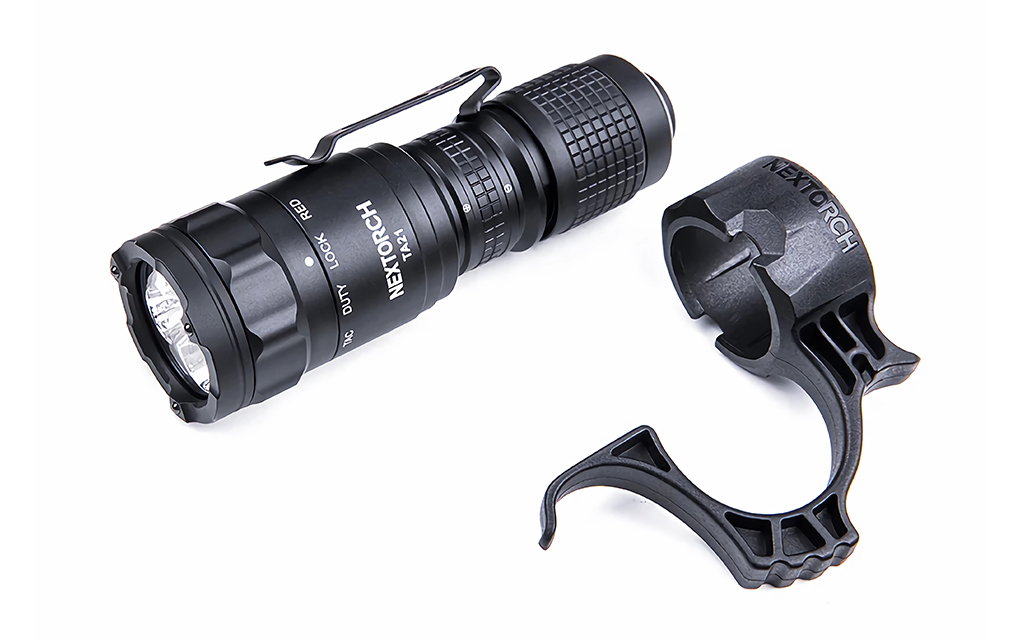
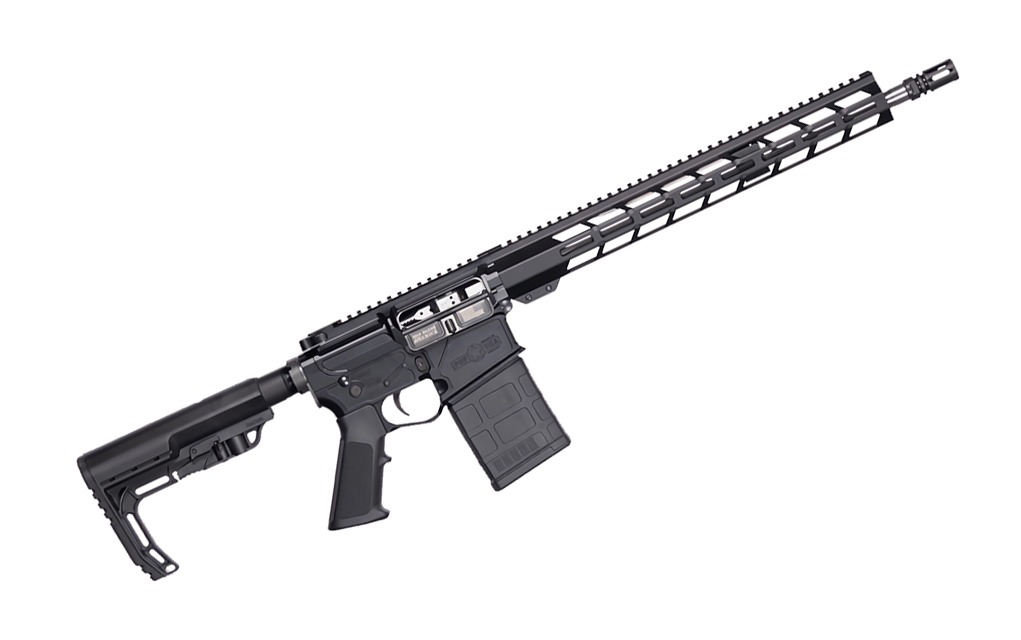
The final impressive detail regarding G9 Defenseโs subsonic 9mm ammo is that itโs light-for-caliber. Most subsonic 9mm ammo is loaded with 147-grain projectiles, but G9โs 126-grain bullets will be comparatively softer shooting and have less muzzle rise.
Effective on target, extremely quiet when suppressed and softer-shooting than most other subsonic 9mm, it seems that the G9 Defense copper subsonic ammo is going to be a great option for anyone running a suppressed 9mm for home defense. Itโs available now and has an MSRP of $36.99 per 20-round box.
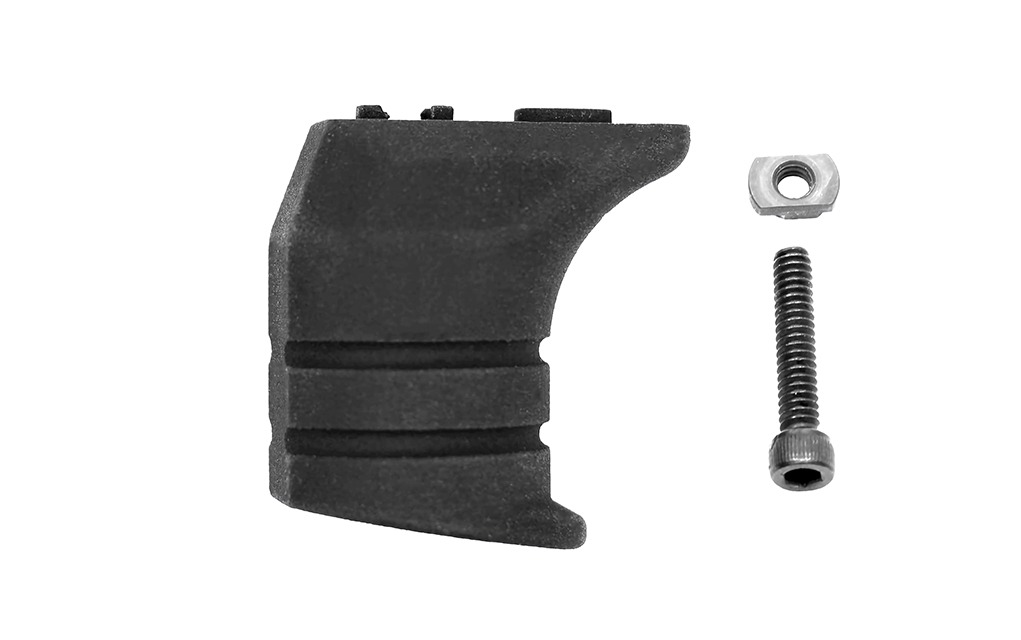
We take a quick look at the new Silencer Central/BANISH MeatEater, a .30-caliber suppressor designed with hunters in mind.
Silencer Central is continuing to expand its BANISH suppressor lineup, but this time itโs with something more hunting-oriented. Called the MeatEater, this .30-caliber suppressor was designed in collaboration with Steven Rinella, host of the popular hunting TV show MeatEater. The goal was to build a suppressor that struck a balance in features that would be ideal for most hunters. Specifically, that means it needed to be light, short and user-serviceable all while decreasing noise and felt recoil.
The BANISH MeatEater handily meets all of these criteria. As for weight, thanks to its full titanium construction it comes in at only 10.3 ounces. As for its size, itโs also relatively compact at 5.85 inches long and 1.73 inches in diameter. And as for cleaning and servicing, the MeatEaterโs removable baffle stack makes it easy.
Regarding noise suppression, the MeatEater is rated for up to 300 RUM and reduces sound level by 32 dB on average. The suppressor also features an anchor brake that can be opened or closed, reducing the recoil impulse by 40 or 30 percent, respectively. When closed, youโre trading that extra 10 percent of recoil reduction for about 5 dB of additional sound suppression. For achieving the greatest amount of suppression possible with your setup, the MeatEater also features interchangeable muzzle cap inserts for different calibers. Each can will ship with two muzzle cap inserts, one for .30-caliber and one for 6.5mm, as well as a direct-thread 5/8ร24 HUB mount. Since it uses the HUB system, youโll be able to attach the suppressor to just about anything with the appropriate mount.
Brandon Maddox, CEO of Silencer Central, said this about the new BANISH suppressor:
From the beginning, both Silencer Central and MeatEater had a shared vision for this suppressor โฆ It had to be lightweight, quiet, and reduce recoil โ essential features for hunters. Our engineering team worked hand-in-hand with the MeatEater team on every aspect, from design to testing, and even down to the aesthetics, to ensure we delivered the best possible product. The result exceeded every expectation. Iโm excited to take it into the field this season, and I know the MeatEater crew is just as eager to use it on their next hunt.
The Silencer Central MeatEater by BANISH is available now and has an MSRP of $1,299.
A quick look at the new Davidsonโs Exclusive Ruger Mini-14 Tactical in 300 Blackout, featuring a stainless steel finish and Samson folding stock.
If all you want is a Mini-14 chambered for 300 AAC Blackout, Ruger already has you covered with the standard Mini-14 Tactical model. While very functional, the black synthetic furniture leaves something to be desired in the aesthetics department. For those in the market for a 300 BLK Mini-14 with a little more style, the new Davidsonโs Exclusive variant is worth taking a look at.
The Davidsonโs Exclusive variant of the Ruger Mini-14 Tactical in 300 BLK has all the same practical features as the standard model, including its 1/2ร28 threaded 16.1-inch cold hammer-forged barrel, heat shield, protected blade front sight/ghost ring rear sight and front/rear sling swivels. The receiver also has integral scope mounts machined into it, and each rifle will ship with a set of 1-inch scope rings and a section of Picatinny rail for attaching optics. Where the Davidsonโs Exclusive variant differs is its stainless steel finish and the inclusion of a stainless steel Samson side-folding stock. This stock isnโt just iconic and cool-looking, it also adds a greater level of versatility to the Mini-14 in terms of transportation and storage.
Paul Dickson, Sr. Merchandising Manager at Davidsonโs, said this about the new Mini-14 variant:
Davidsonโs is a decades-long partner with Ruger and we have made hundreds of exclusives with them โฆ They have always been eager to partner with us on bringing unique firearms to the market over the years and weโre excited to introduce this one.
The Davidsonโs Exclusive variant of the 300 BLK Ruger Mini-14 Tactical has an MSRP of $1,849 and each gun will ship with two 20-round Nickel Teflon steel magazines.
XTech Tactical just announced a new line of Glock-compatible magazines, and the company says theyโre even better than OEM mags.
XTech Tactical is primarily known for its 7.62 AK mags, but the company has just announced a new line of Glock-compatible magazines. Part of XTechโs MAG series, the new magazines are made of steel-reinforced polymer and are compatible with all Glocks and Glock-inspired pistols, PCCs and carbines. They will also supposedly be compatible with all aftermarket components and accessories designed for Glock-style mags, such as magwells and baseplates.
With features like a proprietary baseplate material, steel reinforced magazine bodies, 17-7 stainless steel springs and โno stickโ followers, XTech says that their new pistol mags are even better than factory Glock examples. Theyโre also available with enhanced baseplates with scallops for faster reloads. The lineup of Glock-compatible magazines from XTech currently includes 15- and 17-round models (with and without enhanced baseplates) for Glock 17s, Glock 19s, Glock 26s and the PSA Dagger Compact. MSRPs range from $24.99 to $39.95.
Jeremy Deadman, President of XTech Tactical, said this about the new mags:
A few years back we determined that to hit our goals as the worldโs leading magazine & magazine extension company, mags for Glocks were a must. A core pillar of our business is to raise the standards for quality, durability & innovation in our market, and the MAG line does just that. As XTech is known for, we gave our customers a voice. They wanted better springs, they wanted better baseplates, they wanted more capacity options, and they wanted a better baseline price. We are excited that we were able to hit each of those notes!
Properly running a shotgun isnโt as easy as it should be, but here we give you some tips on aiming, shooting and reloading scatterguns.
Iโm switching shotguns. Iโve used a variety of Remington 1100s for something like 4 decades now, but time overcomes everything. Theyโre elderly; keeping them running is work, and there are better options.
The one Iโve selected is the Mossberg 940 JM Pro. Built by Mossberg for competition and defense, the 940 in the JM Pro model is advanced to being a top-tier competition shotgun, with input from my friend Jerry Miculek. He saw to the enlarging of some of the controls, the opening-up of the loading port and a stock that can be rebuilt to fit you.
The 940 JM Pro has oversized controls, the better to run the gun.
Oh, and thereโs a base machined into the receiver for direct-mounting of a red-dot optic. Its soft-recoiling gas system that adjusts for a wide variety of loads, which is a big help as well. Who wants a picky shotgun?
How Can You Miss With a Shotgun?
In introducing new or relatively new shooters to using shotguns in 3-gun, multi-gun and bowling pin competition, I always run into the same question: โHow can you miss?โ And after a bit of practice, the next question is: โHow can you reload faster?โ
The urban myth (or tactical myth, whatever) is that shotguns only need to be pointed, and the spread of shot, like a veritable cloud of pellets, will do the rest. Nicknames? โAlley sweeper,โ โtrench hoseโ or โscattergun.โ And one I heard just the other day, โscattergun chainsaw.โ (Iโm still shaking my head over that last one. Iโm almost afraid to ask.)
This pointing idea comes from the British use of shotguns, where a ridiculously rich and titled landed-gentry hunter would have a shotgun โbespoke,โ that is, fitted to him as if it were a suit. Such a fit and proper training means they simply have to mount the shotgun and look at the target, and they hit it. Of course, the โscoringโ system is to hit a flying bird at 30 yards or so with an ounce of shot. Out there, the pattern is just under or just over 3 feet in diameter.
Our task is much more difficult. For a 3-gun or multi-gun competitor, the target is a pepper popper, and it requires being struck by more than just the dozen-or-so pellets that will do in a grouse or pheasant. A bowling pin, at 25 feet, is even smaller. You have an area of maybe the size of a pair of playing cards, and you have to put enough pellets on it to drive it off of the table. You have to aim.
And, in a defensive scenario, aiming is even more important due to the simple fact that every pellet you launch has a lawyer attached to it.
This means getting your face down, hard and tight, onto the cheekpiece of the shotgun. A sloppy fit means your pattern will go high of your intended point of impact. In the 940 JM Pro, the stock can be adjusted so it fits you as much as the various swappable parts permit. Nothing works for everyone, so I suppose there are going to be shooters out there who even the JM Pro canโt fit, but not many.
At The Pin Shoot, shotguns and gunners go through cases of slugs and buckshot. The Mossberg 940 and the 940 JM Pro survive this use without a problem.
Managing the Push
And then you have to control recoil.
The traditional way to control recoil was to not let the shotgun get a running start. That is, to press the shotgun into your shoulder using both hands as firmly as was humanly possible. Oh, and not out on the shoulder joint, by the way. High and inside, up and more to the centerline, almost onto your collarbone. Since the shotgun doesnโt get a running start, it can only push youโnot punch you.
I learned this a long time ago as a skinny teenager, learning to shoot centerfire rifles: the M1 Garand in particular. You arenโt really decreasing felt recoil; youโre simply controlling it in a manageable way that doesnโt beat you up.
The other way is called the โpush-pullโ method. Here, your firing hand pulls the shotgun back, just enough to be snug against your shoulder and so it doesnโt move around during recoil. Your other hand pushes the forearm away from you. The idea is for the moment before and during firing a shot, youโre doing your best to shove the forearm off of the receiver.
Both of these are work. But they both need to be selectively applied. You donโt tighten up at the beep and stay that tight all through a stage. Mount, aim, lock up, fire, repeat, unlock, move to the next target or array, and repeat. Well, in bowling pin shooting you do stay locked up, but thatโs for all of 4 or 5 seconds. Just before the beep, use whatever method you have selected, lift, hose 8 pins, and relax.
Which is better? I wish I could tell you from personal experience. Alas, I have spent so many years (since the middle of the Carter administration) doing the older method, both hands crush in, that every time I try to use the push-pull method I somehow screw it up. Those who start with it report that it works well, and they donโt suffer from recoil.
Good for them. Me? Iโm stuck with the old method, and it seems to work well for me, too.
Feeding the Pellet Pusher
Then, thereโs the matter of reloading, and shotguns donโt hold much ammo.
The shooting part is very quick, and how to shoot fast, sliding from one target to the next, is an entirely different article. For 3-gun and multi-gun, the way to win stagesโand matchesโis to be faster on the reloads than the others. Here we have competing imperatives on how to reload: tactical, classic competition and multi-gun competition.
The loading port is deeply beveled, and the forearm notched, so you wonโt chew up your hands getting shells in there.
Weโre aided in all three by the enlarged loading port of the 940 JM Pro, and its lack of sharp edges. The tactical method is one I never liked, never practiced much, and I donโt like the downsides of. That one is simple: When you need to reload, you leave the shotgun mounted on your shoulder. You reach down with your off-hand (yes, you have to let go of the shotgun) and snatch another shell from wherever youโve got them stashed. Then, lift up and stuff the shell into the loading port. The downsides? You canโt see the port. Youโre holding a heavy shotgun with one hand, and it can easily be snatched away. The advantage: It stays pointed at the bad guy or guys, or their direction.
The problem with the tactical reload is that youโve got a long heavy hunk of shotgun hanging out in space. And itโs a slow reload, too.
The classic competition reloading works like this: Bring the shotgun down from your shoulder and roll it over so itโs loading port-side up. Shove the stock back and clamp your elbow down to fix the stock between your arm and your side. You can hold it either with your off-hand and load with your strong hand, or keep your strong hand on the stock, and load with your weak hand.
One of the old-school reloading methods has you tucking the stock under your arm and feeding with the strong hand. Your off-hand is going to hit a hot barrel, though.
The advantages? You have a more-secure hold on the shotgun. Itโs port-side up, so you can see, even with peripheral vision, to load. You can even load by feel, the shotgun is close to you. And the muzzle is still, more or less, at the bad guys, while still in a safe direction. The downside? You have to rotate the shotgun, and if you hold it with your off-hand, youโll be holding a hot barrel.
If you donโt want the hot-hand problem, then keep the shotgun in your strong hand and reload with the off-hand. Either old-school way, you can keep an eye on the surroundings and load by feel.
The multi-gun method changes everything. Well, except for your off-hand being on a hot barrel. Here, when it comes time to reload, you rotate the shotgun port-side up again. But, instead of tucking the stock between your elbow and your side, you lift it up and put it aside your head, with the buttplate high enough up to easily reach the loading port. The shells are held in whatโs called a caddy, stacked two vertically in the rack, or caddy. An example would be the double Alpha Academy Quad Loader.
The new multi-gun reload involves sliding the shotgun up past your head, turning it over and then stuffing two shells at a time into the loading port.
The loading process is also different. Here, you grab two shells with each reach. (The loader holds them that way.) You have your thumb against the primer of the second one, and the nose of the first one protrudes out of your fist.
To load the multi-gun way, you hold two shells in line like this. You need a special belt shell holder to do this, however.
Reach up, shove the nose of the lead shell into the loading port, and against the follower, and then shove and thumb. As your fingers come in contact with the receiver, slide them out of the way, and finish with a thumb-push. Two shells in, in a second or so. Repeat two shells at a time until you are back up to capacity.
Slide your fingers out of the way and finish pushing the reload in with your thumb. Repeat in pairs until youโre loaded up.
This is the fastest way to reload a shotgun, short of the really specialized tube-loaders. The disadvantages are simple: You need the caddy to load this way. And, your shotgun is muzzle-down while you do this. If youโre dexterous enough, you can forego the off-hand on the hot barrel and maintain your grip on the forearm. Thatโs a matter of practice and testing. Some can, some canโt.
If youโre flexible and dexterous enough, you can keep your hand off the hot barrel and still reload in the multi-gun method.
If youโre reloading from belt loops, a sidesaddle (never liked those, but some nearly worship them), a pocket or a carry bag, the multi-gun approach is not going to work. The time it takes fussing over getting two loose or looped shells into your hand in just the right way to two-load them is time better spent getting them in there individually and quickly.
All of these points are the same regardless of what kind of sighting system you use. Well, the bead sights are more susceptible to slow shooting and misses by not having your head down tight on the cheekpiece, but even ghost rings and red-dot optics wonโt be happy if your face wanders when you mount the stock.
Conclusion
Once you learn how to run a shotgun effectively, itโs a wicked-good tool for competition or defense. But it wonโt come easilyโthe sheer physics of launching a 1-ounce payload to supersonic velocities exacts a toll. And the payload package cannot be downsized or conveniently stored ready for us. Thatโs life.
Editor’s Note: This article originally appeared in the January 2025 issue of Gun Digest the Magazine.
We take a look at the Streamlight ProTac HL-X Pro, one of the excellent long gun light options available at GunMag Warehouse.
When it comes to choosing accessories for your modern carbine or rifle, GunMag Warehouse has a lot of options available, but the two pieces of kit that should always have top priority are a sling and a weapon light. Optics, suppressors and everything else are great, but in terms of practical importance, all pale in comparison to the sling and light.
Without a sling, at least one of your hands will always be occupied with retaining your gun. Without a light, youโre at a major disadvantage whenever the sun is down or youโre in a dark building. Today, weโll be taking a look at GunMag Warehouseโs most popular long gun light model, the Streamlight ProTac HL-X Pro.
Why Streamlight?
GunMag Warehouse carries weapon lights from just about every manufacturer you can think of, so why is the Streamlight ProTac HL-X Pro their best-selling model of long gun light? It comes down to value.
Yes, there are some better weapon lights out there, but they also cost two or three times more. If youโre not putting your gear through heavy abuse on a regular basis or using it in a professional context, those options are probably overkill for most people. Thatโs where Streamlight comes in.
The MSRP is $248.99, but GunMag has it listed for only $137.99. As far as rifle lights go, it will be hard to find a better bang for your buck than that.
Streamlight ProTac HL-X Pro Features
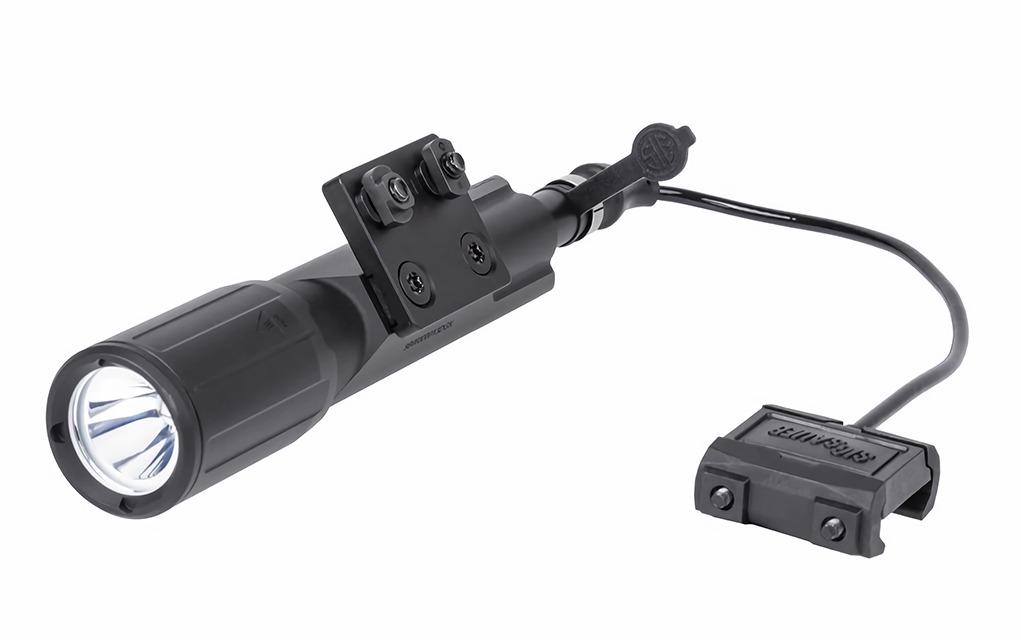
The specific package in question weโll be looking at is the Streamlight ProTac HL-X Pro CR123A Battery Weapon Light System. This bundle includes the light with a Jack-Cap, a momentary pressure switch, an M-LOK mounting kit, some hardware, an Allen wrench and the two necessary CR123A batteries. With whatโs included, you can mount the ProTac on either Picatinny rail or M-LOK and activate it with either the button on the tail of the light or with the remote pressure switch. Youโll even find a strip of double-sided tape and some zip ties in the box to help mount the pressure switch on a variety of setups. Whichever way you do it, mounting the light is quick and easy.
For testing, we threw the ProTac on a mid-length retro AR-15 using a bayonet lug Picatinny mount and attached the pressure switch with some good olโ 100 MPH tape.
The light itself features a durable yet lightweight 6000 series machined aluminum housing and an advertised output of 1,000 Lumens and 50,000 Candela. Streamlight says the beam is capable of reaching out to 447 meters. Are there brighter lights out there? Sure, but the ProTac proved more than capable of illuminating pitch black hallways and lighting up tree lines at night out to respectable distances.
As for battery life, it depends on whether youโre running it on the high or low setting. Using Streamlightโs TEN-TAP system, the light can be programmed to feature a high setting only, a low/high toggle setting or a high/strobe toggle setting. The low position is great for anyone trying to maximize battery life, as the ProTac is capable of running for up to 21 hours on this setting. On high, itโs up to 1.25 hours.
That said, the double-tap strobe feature on the high/strobe setting would probably be the best choice for a home defense setup.
Parting Shot
Frankly, for anyone in the market for a great long gun light that wonโt break the bank, the Streamlight ProTac HL-X Pro is a no-brainer choice. Itโs dependable, bright, versatile and feature-rich, all for a very reasonable price. GunMag Warehouse carries other flavors of the Streamlight as well, such as versions with rechargeable batteries and integrated lasers. They even have less powerful versions like the standard Streamlight ProTac for about $40 less than the HL-X Pro model if you donโt need your setup to be as bright as possible.
Regardless of whichever one you think will suit your needs best, you should have a light on your rifle if you donโt already.
EAA recently announced the Girsan Influencer X, a new series of full-size, optics-ready 1911s in four caliber options.
European American Armory Corp, the American importer for Girsan, has just announced a new line of 1911s called the Influencer X. Available in four chambering options, these full-size 1911s are optics-ready and loaded with features.
The Girsan Influencer X is available in 9mm, .45 ACP, 10mm and .38 Super, but regardless of caliber choice, all versions feature a 5-inch barrel. All versions also feature a 9-round magazine capacity except for the .45 ACP model which has an 8-round mag. Besides caliber, capacity and price, all other features are identical between them.
Some of those features include optics-ready slides (RMS/RMSc footprint), full-length accessory rails, extended beavertails and ambidextrous safeties. They also feature flared magazine wells for faster reloads, lightening cuts on the slides, adjustable sights, aggressively textured grips and reverse-crowned barrels for improved accuracy. All Influencer X pistols are also given a two-tone Cerakote finish.
The MSRP for the 9mm and .45 ACP models is $689, while the MSRP for the 10mm and .38 Super versions is $729. All four variants come with a hard pistol case and a limited lifetime warranty.
Bushmaster has gone full retro with its XM15A2 fixed carry handle A2-style AR-15. Here we take one out to the range to see how it does.
ARs are a passion for some, and there are a lot of things you can do with a stripped lower receiver. The platform has truly evolved from its debut in the 1960s โฆ and modern configurations can get pretty out there compared to Eugene Stonerโs original design.
Yetโsometimesโyou want to go back to the way things were, whether itโs a simpler time, a better time in your life or just to be different. We see this with cars, motorcycles, cameras and stereo equipment. Heck, we even see it with video games.
So why not with ARs?
In celebration of the 50th Anniversary of Bushmaster Firearms and their new home in Carson City, Nevada, Bushmaster recently unveiled the XM15A2 to take you back to when the standard focused on iron sights and carry handles. A black phosphate-finished rifle sporting a chrome-lined barrel and bolt carrier will remind you of the original Bushmaster rifles made in Windham, Maine.
Bushmaster got this one right from the rear sight to the barrel and all the correct furniture.
Bushmaster Firearms Incorporated was founded by Mark Gwinn in 1974 in Bangor, Maine. The company changed hands two years later and relocated to Windham, Maine. In 1990, it was acquired by Quality Products Company.
In its heyday during the 1980s and 1990s, it was one of less than a handful of companies producing AR-15 pattern rifles. In 2006, Bushmaster was bought by Cerberus Capital and became a part of Freedom Group, which became Remington Outdoor Company in 2015. As Remington Outdoor Company entered a bankruptcy auction in 2020, Franklin Armory purchased the Bushmaster name and trademarks.
In 2021, Bushmaster Firearms Industries was off and running again. This time, however, it was on the other side of the country in Carson City, Nevada, offering basic flat-top AR-15 pattern rifles and carbines chambered in 5.56 NATO and .450 Bushmaster.
To celebrate the 50th anniversary, the company released the XM15A2 20-inch Fixed Carry Handle, chambered in 5.56 NATOโjust like the original rifle in all dimensions that launched my career as a 17-year-old Marine rifleman in 1987.
It may be a little weighty for a standard AR with a 20-inch barrel, but the A2 profile served from the 1980s through the 2020s.
Simpler Sights
If youโve inhabited internet forums or social media groups during the past 10 years, you might have seen meme wars debating the use of iron sights versus optics. The XM15A2 is obviously geared toward the former with its high carry handle that houses a fully adjustable rear sight system that can be dialed in with an elevation wheel, allowing for range settings from 200 to 800 yards, and a side-mounted knob, allowing for windage adjustments.
This represented one of the most significant upgrades to the AR-15/M16 family when transitioning from the older A1 rear sight, which was adjustable for windage only by inserting a cartridge into the windage wheel dial and depressing a detent to make changes.
The end result turned the M16 into a target rifle. Thereโs some debate as to whether this was needed for field use by troops, but it definitely helps out on the target range.
If youโre unfamiliar with the A2 rifle, you get a fully adjustable windage knob without the need of a cartridge or tool to change your windage. The aperture sight has two settings, allowing you to flip either one into position.
The rear sight is fully adjustable as a true target rifle.
One position has an unmarked hood, and the aperture measures approximately 0.070 inch in diameter. This is the default position for most firing situations. The rifle is zeroed with this aperture and the elevation wheel, which sits under the sight for distances out to 800 yards. In the Marine Corps, the default setting was 300 yards. The downside of using a relatively small rear sight aperture is that you get less light transmission through the aperture โฆ and thus a reduced field of view.
If you find the target sight too small or need a larger aperture for low light shooting, rapid fire shooting and the like, flip it to the larger aperture.
The larger aperture, at approximately 0.2-inch in diameter, is marked โ0-2โ and features a windage setting index mark. This is often referred to as the Combat Sight by troops, as this aperture offers a larger field of view during battle conditions or low-light situations, and it can be used as a ghost ring for quick target engagement when visibility is limited. When flipped down, the engraved windage mark on top of the โ0-2โ aperture ring shows the dialed-in windage setting on a windage scale at the rear of the rear sight assembly. This aperture shouldnโt be used at a target range when shooting for the smallest possible groups.
The rear sight at the A2 carry handle is one of the best parts of iron sights ever requested by the military.
Thereโs an elevation knob present as well, allowing you to dial in known distances in 100-yard increments up to 800 yards. The front sight post was widened slightly from the A1 and is adjustable with a tool in 1 MOA increments.
Not-So-Fancy Furniture
The more noticeable upgrades from the A1 to the A2 are the 1-inch longer butt stock, pistol grip with finger groove, and round handguards that install on top and bottom as opposed to left and right, making their removal and installation easier (as well as only having to inventory one part type as opposed to left and right sections).
Perhaps the most controversial change to some shooters was the heavy barrel in front of the handguards, which upped the weight of the rifle by about a pound. This was said to prevent troops from damaging the barrel when using it as a pry bar. This might just be lore, but having fired a Colt SP1 (A1 variant) and slinging in as I was taught in the Corps, I found myself pulling the skinny barrel to the left. There was no damage, but it screwed up the barrel harmonics enough that the heavier barrel was always a preferred standard in a working rifle build.
On the M16A2, the full-auto setting was replaced by a three-round burst setting. However, this doesnโt apply to this semi-auto counterpart.
While not as popular with many civilian shooters, the A2 pistol grip is often cherished by the men who used them in combat.
A Better Build
Overall, the fit and finish on the Bushmaster XM15A2 20-inch Fixed Carry Handle is outstanding, from the coating on the exterior metal to bolt carrier group components. The company really outdid themselves with this build.
The sights move into position with positive affirming โclicks,โ whether adjusting for windage or elevation. The factory military-grade trigger is goodโmuch better than those found on any M16A2 weโve fired. It could be improved with an aftermarket match grade from a number of manufacturers, especially if youโre going after longer range targets. But if youโre keeping it under 200 yards, this will serve you well.
I had a mini ammo can containing 120 rounds of American Eagle 62-grain 5.56 NATO FMJ on-hand. This was a similar load to most range ammo used in the USMC back in the 1980s when we became acquainted with the A2, so I took it out to give it a whirl.
I kept the range to 200 yards from the prone position and not off-handed or standing, to keep it as accurate as possible without allowing potential failings of the shooter.
The first string of shots landed about 4 inches to the right in a decent-sized group. It was easy to dial in; although the sub-20-degree temperature wanted you to start using Kentucky windage instead of doing it correctly, but we toughed it out. Thankfully, there was no Washoe Wind at the range to make life a little easier, this was just centering the sights.
Once we were dialed in, the groups were averaging 1 to 1.65 inches. This is definitely a rifle where you want to hit on all cylinders: trigger control, breath control and proper shooting position. In the Marine Corps, it was the basis of building a rifleman.
Of course, shooting the KD (Known Distance) Course in the Marine Corps was a longer affair drawn out for 1-2 weeks, snapping in, holding positions, using a sling to brace the rifle to the shooter, etc.
Perhaps weโll attempt that at a future date, reaching out to 500 yards with iron sights because the rifle is fully capable of doing it.
The Bushmaster XM15A2 20-inch Fixed Carry Handle is a fully capable combat target rifle if there ever was one. You might never fire a shot in anger through one, but it would serve you well even as something to bring out to a long-range match โฆ or just to have fun with at longer distances than you would with a typical AR.
Editor’s Note:ย This article originally appeared in the January 2025 issue ofย Gun Digest the Magazine.
Winchester recently released the 21 Sharp rimfire cartridge, but does it have what it takes to kill .22 LR?
Winchester has created a new rimfire cartridge called the 21 Sharp, and itโs based on the .22 Long Rifle cartridge. Winchester estimates that nearly 2.5 billion rounds of .22 Long Rifle ammunition are manufactured each year. Itโs clearly the most popular cartridge, largely due to its low noise level, low recoil level, low cost, and the wide range of applications the cartridge is suited forโin rifles and handguns.
So, as popular as the .22 Long Rifle cartridge is, youโre probably wondering why Winchester would screw around with it. Why would they just not make moreโor betterโ.22 Long Rifle ammunition?
.22 Long Rifle Issues
There are several reasons. The first is that .22 Long Rifleโas well as .22 Long and .22 Shortโammunition is a pain in the ass to manufacture. One issue is the technology required to overcome the difficulty of inserting a primer compound in the rim of the cartridge case. Of course, this applies to all rimfire ammunition, including .22 Magnum and .17 HMR. But, .22 Long Rifle ammo is more difficult to manufacture than the .22 Magnum or the .17 HMR because of the heeled bullet it uses.
A heeled bullet has two diameters: Thereโs the diameter that fits inside the cartridge case neck, and thereโs the diameter that fits inside the barrel. If youโve ever looked closely at a .22 Long Rifle cartridge youโve probably noticed how the diameter of the bullet, just forward of the case mouth, was the same diameter as the case. Heeled bullets were common back in the days of blackpowder cartridges, but the .22 Long Rifle is the only widely used cartridge that still uses a heeled bullet.
Here you can see the difference in the bullets used by the 21 Sharp (left) and the .22 LR. The .22 Long Rifle uses a heeled lead bullet while the 21 Sharp uses a modern jacketed bullet.
You see, the .22 Long Rifle cartridge was introduced in 1887, but it was nothing more than a modified .22 Short/.22 Long cartridge, which was introduced in 1871. Originally, all three were loaded with black powder and were designed similar to the cartridges that were created for converted cap and ball revolvers. These revolversโand there were thousands of themโhad a bore the same diameter as the cylinder chambers to match the round balls they fired.
So, the conversion cartridges were made to fire a heeled bullet the same diameter as the outside of the cartridge case as well as the inside of the bore. But, the bullet had a second diameter that fit inside the cartridge case. Otherwise, the conversions wouldโve required a new barrel or a new cylinder.
And it gets even more complicated.
You might have also noticed that, when youโre shooting .22 Long Rifle ammunition, thereโs a film on the bullet that leaves a greasy residue in your hand. This is lubrication, which is a micro-crystalline synthetic-based wax, and itโs used to keep the soft, pure lead bullet from fouling the bore of the gun. With a conventional bullet made with a copper or gilding metal jacket, lubrication isnโt necessary.
Thereโs also another issue with the heeled bullet: In some areas, lead bullets are prohibited, and some shooters and hunters also prefer not to use lead bullets. To circumvent these lead restrictions and shooter preferences, some manufacturers offer lead-free .22 Long Rifle ammo.
The two 21 Sharp rounds on the left are loaded with a conventional diameter bullet. The .22 Long Rifle on the far right uses a heeled bullet thatโs the same diameter as the outside of the cartridge case.
For example, Winchester makes a 26-grain lead-free varmint load for the .22 Long Rifle. The problem is that these lead-free loads must also use a heeled bullet, and itโs very difficult to make a good-shooting lead-free, heeled bullet. If youโve ever tried any lead-free .22 Long Rifle ammo, youโve probably seen it generally doesnโt shoot as well as .22 Long Rifle ammo loaded with lead bullets.
Enter the 21 Sharp
Most commonly, new cartridges are created by altering existing cartridge cases.
For example, the .243 Winchester uses a necked-down .308 Winchester case, and the .17 HMR was created by necking down a .22 Magnum case. With the 21 Sharp, Winchester did not do anything that complicated. They used the .22 Long Rifle case but did nothing to alter it. All Winchester did was create a new bullet of the proper diameter to fit inside the case, just like how the bullets used for the .17 HMR and .22 Magnum fit inside their cases.
One advantage the 21 Sharp offers is an accurate, lead-free .22 LR-class option for rimfire shooters.
The bullet diameter needed was 0.2105 or 0.21 caliber. Very importantly, this eliminated the need for a heeled bullet. Everything else about the case and new cartridgeโincluding the lengthโremained the same as the .22 Long Rifle. In fact, the 21 Sharp is loaded to the same maximum average pressure of 24,000 psi, just like the .22 Long Rifle.
The 21 Sharp SAAMI cartridge and chamber specifications.
In one way, creating a new cartridge doesnโt get any easier than this because you donโt need a new brass case. On the other hand, you do need bullets, and since there were no 0.21-caliber bullets, Winchester had to create them.
The 34-grain JHP load for the 21 Sharp delivered better terminal performance than any .22 Long Rifle load the author has tested.
To start with, Winchester will be offering four different loads for the 21 Sharp, and they include a 42-grain FMJ bullet, a 37-grain black copper-plated bullet, a 34-grain jacketed hollow-point bullet and a 25-grain copper matrix bullet. An advantage of not having to use a heeled bullet also means that Winchester can create 0.21-caliber bullets that deliver terminal performance similar to the .22 Magnum and the .17 HMR.
Finally, since a chamber for the .22 LR and the 21 Sharp is dimensionally identical, it makes things much easier for manufacturers to make barrels. All thatโs needed is a 0.21-caliber barrel with a 1:12 rifling twist rate. That means if you have a .22 Long Rifle, rifle or handgun, you should be able to convert it to 21 Sharp with just a barrel change. And, since the cartridge cases are the same, and the dimensions for the loaded cartridges are, too โฆ detachable magazines should be interchangeable.
21 Sharp ammunition fed flawlessly through the Winchester Xpert riflesโ 10-round .22 LR magazine.
Testing the 21 Sharp
I wanted to get my hands on a rifle that would shoot this cartridge as soon as possible, and Winchester sent me one of the rifles theyโd been using to test the 21 Sharp. It was a Winchester Xpert bolt action with a 16.5-inch barrel that feeds from a 10-shot detachable magazine. Winchester also sent me several boxes of 21 Sharp ammo that included the 25-grain copper matrix load and the 34-grain JHP load. I mounted a Leupold VX-3HD 4.5-14×40 riflescope and my Silencer Central Banish 45 suppressor and went to the shooting bench.
Though most 100-yard groups fired with the 21 Sharp were in the 1.5-inch range, several came in under an inch.
My first surprise was that the ammunition delivered muzzle velocities that exceeded Winchesterโs advertised velocities. The 25-grain load has an advertised velocity of 1,750 fps, and it averaged 1,800 fps for a 10-shot string, with a standard velocity deviation of 21.0 fps. The 34-grain load has an advertised velocity of 1,500 fps, but 10 shots out of the little Xpert rifle averaged 1,590 fps, with a standard velocity deviation of 19.1 fps.
The 34-grain JHP 21 Sharp load averaged less than an inch at 50 yards when fired out of a $300 rifle.
The Winchester Xpert rifle has a suggested retail price of only $320, so I didnโt expect extreme precision. However, it shot well; the overall average for five, five-shot groups with each loadโthatโs 10 five-shot groupsโat 50 yards was only 0.86 of an inch. I also did some shooting with both loads at 100 yards. Generally, the 100-yard groups were in the 1.5-inch range, but a couple were less than an inch. Thatโs pretty good performance from a $300 rimfire rifle.
All the cartridges fed from the Xpertโs detachable 10-round magazine without a hitch, and, in total, I fired 300 rounds. Out of those 300 rounds I had one cartridge that did not fire. My testing with rimfire ammo over the years has shown this is generally a one in a 1,000 occurrence. I didnโt have enough ammo to verify that, but thereโs no reason to suspect the 21 Sharp would be any less reliable than any other rimfire cartridge.
Elevation and atmospheric conditions dictate trajectory, and the Winchesterโs website lists the 100-yard drop for the 25-grain load at 3.4 inches. In my testing, the drop was closer to 2 inches. The website also showed 4.4 inches of drop at 100 yards for the 34-grain JHP load, but on my range, it was closer to 3.5 inches.
Shooting Results For 21 Sharp
LOAD
MV
SVD
ME
PRECISION
25-grain Copper Matrix
1,800
21.0
180
0.78
34-grain JHP
1,590
19.1
191
0.94
NOTES: Reported muzzle velocity (MV), standard velocity deviation (SVD) and muzzle energy (ME) are the result of 10 shots fired over a Caldwell G2 Chronograph with the screens set 10 feet from the muzzle. Precision is the average of five, five-shot groups fired from a sandbag rest at 50 yards with a Leupold VX-3HD 4.5-14×40 riflescope set at maximum magnification. Elevation: 2,200 feet, temperature: 74 degrees F, humidity: 49 percent, and pressure: 30.27 in-Hg.
Whatโs the 21 Sharp For?
Clearly, if you want to shoot a rimfire with .22 Long Rifle like ballistics, but you also want to use lead-free ammo, the 21 Sharp is the way to go. The best 50-yard group fired during all my testing was with the lead-free copper matrix load, and it measured a scant 0.507 inch. I also tested the JHP load in a block of Clear Ballistics, and it penetrated between 8 and 10 inches, and the bullet upset with an average frontal diameter of 0.37 inch, with 98 percent weight retention. Youโll not find a .22 Long Rifle load thatโll deliver similar terminal performance. In fact, Iโve never tested a .22 LR load where the upset bulletโs frontal diameter measured larger than 0.32 inch. So, for small game hunters, it appears the 21 Sharp will offer external and terminal ballistic advantages.
The best five-shot group fired with the 21 Sharp at 50 yards was fired with the lead-free load, which kind of validates the concept of the cartridge.
Youโre probably wondering what all this wonderfulness costs, and where you can get a 21 Sharp rifle. It looks like 100 rounds will retail for between $18 and $27, which will put the cost per shot at between $0.18 and $0.27. Thatโs about the same amount youโd pay for lead-free or high-performance .22 Long Rifle ammo. If all you want to do is plink and have fun on a budgetโwith lead bulletsโstick with your .22 Long Rifle.
As for rifles, Savage is currently cataloging four 21 Sharp rifles priced between $269 and $389, and Iโm sure other rifles from other manufacturers will soon follow. Donโt be surprised if aftermarket replacement barrels soon become available in 21 Sharp as well. The 21 Sharp will never be as popular as the .22 Long Rifle, but it does offer some advantages you might appreciate.
Rimfire Cartridge Velocity/Energy Comparison*
CARTRIDGE
LOAD
AMV
AME
21 Sharp
25-grain Copper Matrix
1,750
170
21 Sharp
34-grain JHP
1,500
170
22 LR
26-grain LF Varmint
1,650
157
22 LR
37-grain Super Speed CPHP
1,330
145
22 Magnum
25-grain LF Varmint
2,100
245
22 Magnum
34-grain JHP
2,120
339
17 HMR
15.5-grain LF Varmint
2,550
231
17 HMR
20-grain JHP
2,375
250
*Reported velocity and energy data were obtained from advertised ballistics.
Editor’s Note:ย This article originally appeared in the January 2025 issue ofย Gun Digest the Magazine.
We discuss the history and present state of .22 LR before hitting the range with three great rimfire rifle models.
Some 40-plus years ago, my first rifle (a Winchester Model 67) was a single-shot .22. Iโd bet the same goes for many folks reading this. You loaded a single round, closed the bolt, then cocked it by pulling back a spring-loaded knob at the rear of the receiver. That Model 67 was older, even back then. The cartridge had to be placed just right, and the bolt closed gently to get it to load without jamming. It rarely extracted, meaning my trusty pocket knife had to come into play to pull the empty case after a shot. The iron sights were barely adequate, but over time, I learned where to hold to make an accurate shot.
Looking back, Iโm sure my dad entrusted me with that particular rifle for my first solo trips afield for several reasons, even though more modern .22 rifles were at his disposal. He knew it would teach me to make my first shot count since a follow-up would only occur several minutes later. It would teach me to use iron sights, a skill every hunter should have. And it was relatively safe for a young shooter. He knew I wouldnโt spray bullets around the treetops as quickly as I could pull the trigger. It also saved him some ammo, as the small handful of rounds he would dole out would last me several trips.
Faults aside, that old gun eventually made life hard for the rabbits and squirrels along our family farmโs hardwood ridges and bottomland fields. It also instilled a love of the .22 Long Rifle that remains todayโone that I have passed down to my kids. There arenโt many more fun and cost-effective ways to spend a family day afield than with a rimfire rifle, a box of bulk ammo, and a few targets or a stand of hardwoods full of squirrels.
With the 10/22 Takedown, you can quickly go from carry case to the woods with the confidence that your bullets will still hit the same spot.
History of the .22 LR
Lots of shooters share the .22 Long Rifle passion. Year after year, the round is the most sold caliber in new guns and ammunition. So, how did this popular and versatile round come about? It started in 1857 as a cartridge designed for the Smith & Wesson Model 1, S&Wโs first firearm. The .22 Rimfire cartridge had a 4-grain blackpowder charge and a 29-grain bullet. That round became the .22 short, the oldest cartridge still in production today. Interestingly, the Model 1 was marketed as a close-range personal protection gun. Next came the .22 Long in 1871 with a slightly longer case and an extra grain of blackpowder for 5 grains. Then, the .22 Extra Long came about in 1880 with a 6-grain charge.
In 1887, the J. Stevens Arms & Tool Company introduced the quintessential .22 rimfire cartridge, the .22 Long Rifle (LR). It duplicated the performance of the .22 Extra Long in a shorter cartridge. Almost immediately, it became one of the most popular rounds sold. The change to smokeless powder further improved the performance, and today, numerous variations of different bullet styles and weights are manufactured worldwide.
The author tested each rifle with various ammunition, including the CCI Green Tag, Subsonic and Quiet-22, for accuracy and noise level.
.22 LR Today
Why does the .22 LR remain so popular with todayโs shooters? For one, itโs versatile. You can use it to hunt small game and predators, as a sidearm when working on the farm or running a trapline, and for fun and inexpensive range time. Like all ammo, recent years have seen a drastic jump in cost per round, even for the .22 LR, but it remains one of the least expensive ways to spend a day at the shooting bench. Ammo cost for the .22 LR ranges from around 9 cents per trigger pull to 15 cents for some specialty and target loads, a fraction of what even inexpensive centerfire rounds run these days.
Every hunter and shooter should own at least one .22 rimfire rifle. Modern manufacturers have embraced our love of the .22 and offer the round in almost every rifle style imaginable. Many of these guns are capable of single-hole accuracy and come in at a bargain price compared to similar centerfire versions. Gone are the days of hand-fed single-shot rifles that needed to be babied to get the round to feed. Todayโs guns will digest ammo of different styles and bullet weights and do it without a hiccup. Whether you prefer honing your skills at the shooting range or strolling through the hardwoods in search of small game for the dinner pot, a .22 rimfire will fit the bill.
I tested three action styles from leading manufacturers. All were a joy to shoot. And while the .22 LR isnโt loud by any caliber standard, a lifetime of shooting, not always with hearing protection, has made me appreciate shooting quietly. All three guns in this test came with a factory-threaded barrel so that I could add a Banish 22 suppressor from Silencer Central. No matter what style of gun you prefer, I guarantee there is a .22 LR version out there.
Henry Frontier Model
The classic lever-action introduced in 1848 as the โVolition Repeating Rifleโ earned the moniker โThe Gun That Won the West.โ The ability to load and fire several rounds with just a short throw of the action made for fast follow-up shots, a novel concept then. For years, the lever-action .30-30 was synonymous with deer rifle. It could be found in deer camps from the southern swamps to the northern mountains. While other rifle actions are popular across the globe, the lever-action remains a distinctly American style.
The Henry Frontierโs classic lines and feel make it natural for a trip to the woods to chase squirrels or other small game.
Add in hit TV shows like The Rifleman and Winchester 73, and you have an entire generation of shooters who grew up dreaming of owning a lever-action. I was no different. My first real deer rifle was a Marlin 336 in .30-30.
I never really outgrew that love of the lever gun. Luckily, the action has experienced a resurgence in recent years, with several new guns being released in various calibers, including .22 LR. Rimfire shooters have long enjoyed the .22s produced by the Henry Rifle Company; I included Henryโs Frontier Model Threaded Barrel in this comparison. The tubular magazine on many lever-actions prevents easy reloading when using a silencer. The suppressor would stop the magazine follower from sliding out, meaning you would have to remove the silencer each time you want to reload. Henry solved this with the Frontier Model by adding a 24-inch barrel and shortening the magazine tube so that you can reload without removing the can. Even with the shortened tube, the rifle still holds eight rounds.
While the Frontierโs long barrel provides clearance for the magazine tube to clear a suppressor, the rifle is ungainly in the field with a can attached.
When you unbox this rifle, you first think, โMan, this is a pretty gun.โ The 24-inch octagonal barrel mated to the smooth, dark hardwood stock gives it a classic look that screams to be taken to the woods.
As expected from a Henry, the build quality is excellent, with careful metal-to-wood fit and an action as smooth as motor oil on ice. The muzzle end of the barrel uses industry-standard 1/2ร28 threads that are 0.400-inch in length, making for an easy addition of most rimfire silencers. The trigger breaks at a crisp 3.8 pounds and feels smooth on the bench and in the woods. The length of pull runs 14 inches, a good compromise that lets shooters of all sizes handle and enjoy the rifle and shoot it comfortably.
The Frontier comes factory with an adjustable semi-buckhorn rear and a tall, brass-bead front sight on the octagon barrel in a dovetail fixture. The rear sight features a white diamond at the bottom of a traditional โU.โ While the open sights are serviceable, they are a little large for distant aiming. Luckily, the rifle comes from the factory with an integrated โ -inch dovetail, allowing the easy addition of a scope. I topped the Henry with a Leupold VX-Freedom 3×9 scope. As with most lever-actions, a taller scope mount is necessary for hammer clearance under the scope.
A medium or high mount allows enough room to thumb the Henry Frontierโs hammer with optics mounted.
The safety is the traditional quarter-cock lever style, allowing the shooter to bring the hammer back about 1/8-inch until you hear a click, or, with the hammer fully cocked, hold the hammer with your thumb while releasing it by pressing on the trigger. Then, lower the hammer down to the โsafeโ position. As with all hammer guns, take extreme care when lowering the hammer.
The Frontier is a joy to shoot. The action is smooth enough to cycle without removing the rifle from your shoulder or taking your eye off the target while plinking away. The longer 24-inch barrel, while a bit ungainly with the suppressor installed, was accurate, and it more than held its own on the bench against the other actions.
Accuracy with the Frontier was exceptional, with 50-yard groups hovering near a half-inch with most ammunition. The addition of the silencer opened up the group, but just slightly, with multiple ammo brands and bullet styles still printing under an inch. If classic styling and tradition are your cup of tea, the Frontier is the rifle for you. Its MSRP is $609.
Henry Frontier Threaded Barrel Deals
Sportsman’s Warehouse
$519.99
Guns.com
$608.99
Ruger 10/22 Takedown
Ruger first introduced its semi-auto 10/22 in 1964. To say the rifle design was a hit would be an understatement. Since then, Ruger has sold over 7 million of the popular little rifle. Third-party aftermarket parts like triggers, stocks and barrels abound, making it one of the most easily customizable rifles today. Iโd venture just about every avid shooter or hunter either owns one or has shot one at least once.
The 10/22 Takedown topped with the Leupold VX-Freedom 3-9 scope proved extremely accurate for its overall length and design.
The original carbine came with a 10-round rotary magazine, but extended magazines are available.
Ruger now offers over a dozen varieties of the 10/22. In 2012, it introduced a takedown model that breaks down with an easy twist of the barrel to fit into a handy carry bag. The model (21133) I tested came with a precision-rifled, 16.12-inch barrel with a .920-inch-diameter barrel fluted for weight reduction. The shorter barrel is handy and easy to point and shoot, both as-is and with a suppressor. Before heading to the range, I topped the rifle with a Leupold VX-Freedom 3-9 scope.
Takedown is as simple as locking the bolt back and verifying that the rifle is unloaded, pushing a recessed lever, twisting the subassemblies and pulling them apart. No tools are required.
While some takedown rifles struggle to hold the point of impact (POI), Ruger came up with an ingenious way to lock the barrel into the exact position time after time by adding an โadjustment knobโ locking system. Loosen the adjustment knob by turning it to the right as far as possible. Insert the barrel assembly by turning it to the right 45 degrees with moderate inward pressure after insertion. Now, rotate it to the left (clockwise) until it locks in place. Finally, tighten the adjustment knob by turning it counterclockwise as far as possible with finger pressure. It works. I took the rifle down and put it back together several times, and the POI remained consistent.
The 10/22 Takedownโs knurled adjustment ring allows the shooter to return to the same point of impact each time the rifle is taken down and reassembled.
Other than the takedown feature, the new 10/22 remains the same in other respects. The cross-bolt safety is located forward of the trigger guard and is set up for right-handed shooters. The factory-supplied magazine is the familiar 10-round rotary style. The bolt lock is found under the gun forward of the safety. While the trigger broke at a relatively stiff 5.5 pounds, it was crisp with minimal creep, which made it easy to shoot accurately (several aftermarket triggers are available, if you prefer a lighter pull). The 10/22 Takedown Model features the Ruger Modular Stock System with interchangeable standard and high cheekpieces that snap on and off for a custom fit based on your shooting style and optics choice.
The 10/22 was near Hollywood quiet with CCI Clean-22 40-grain target loads at 1,070 fps but would not cycle the CCI Quiet-22 segmented hollow-point at 710 fps. Perhaps after a long break-in, it might cycle the slower loads, but the new rifle would not. All other ammo tested fed reliably with each trigger pull.
Sub-1-inch groups at 50 yards were common on the bench with a wide range of ammo brands. With the suppressor installed, groups ran at 1 inch, and POI shifted slightly from the bare barrel. If a fast follow-up shot and ease of storage appeal to you, you will be happy with the 10/22 Takedown. The Ruger 10/22 Takedownโs MSRP is $799.99, but I have seen them for considerably less in real-world pricing.
Ruger 10/22 Takedown Deals
Sportsman’s Warehouse
$479.99
Guns.com
$425.99
Christensen Arms Ranger .22
While bolt-action rimfire rifles have been around for a while, the Ranger .22 from Christensen Arms is not your grandfatherโs squirrel gun. From the company that pioneered carbon-fiber barrels and stocks, the Ranger is an affordable, super-accurate .22 equally at home on the bench or in the woods.
The Rangerโs carbon-fiber barrel mates well with the Banish 22 from Silencer Central without making the rifle overly long.
Its anodized black receiver is machined from aluminum. A two-lug steel bolt uses dual-locking lugs for reliable feeding. Dual extractors and a fixed ejector ensure reliable removal of spent rounds, and an anti-bind rail on the left side of the bolt aids smooth operation.
Mated to that action is a Christensen Armโs 18-inch barrel that begins with a hand-lapped 416R stainless-steel blank turned down to a narrow profile. A carbon-fiber sleeve is fitted over the steel with air space in between. Finally, a steel muzzle device is threaded on to form a stiff, lightweight, accurate barrel. The Rangerโs muzzle is threaded 1/2×28, making direct installation of most rimfire suppressors easy. The action and barrel are mated with a Christensen Arms lightweight and strong carbon stock with a semi-tactical shape and a 13.75-inch length of pull, making the rifle easy to shoulder and shoot for just about anyone. The fully-rigged rifle weighs 5 pounds, so itโs easy to tote around the woods.
Range time with the Christensen Arms Ranger .22 proved fun and near custom-rifle accurate.
The Ranger .22 comes from the factory with the excellent TriggerTech field trigger designed for the Remington 700, which is adjustable from 2.5 to 5 pounds. My test gun tripped the scale at just under 4 pounds before adjustments, with a crisp, clean break and no noticeable creep. The Ranger is a joy to shoot. As a bonus, itโs compatible with most Remington 700 aftermarket triggers, so if you prefer another brand to match your big-game rifle more closely, itโs a simple swap.
Unlike the first two rifles in this test, the Ranger does not come with iron sights but instead has an integral (0 MOA) Picatinny-style rail for simple and rigid optics mounting. My test gun was topped with a Riton 3 Conquer in 3-15×44, making even long-range plinking a breeze.
The Ranger uses the proven Ruger 10/22 rotary-style magazine to feed reliably with each bolt turn, no matter how rushed. It also accepts any extended magazine designed for the 10/22 if you prefer more than 10 rounds. The magazine release is a paddle style actuated from the rear. The bolt release is mounted at 9 oโclock on the receiver, so bolt removal for cleaning is a simple task. Finally, the simple forward/back safety lever is located on the right side of the tang, just like many centerfire designs. You can work the bolt with the safety in the On position.
The combination of carbon-fiber stock and barrel paired with a machined aluminum receiver make the Ranger both lightweight, at just a hair over 5 pounds, and blazingly accurate.
Just how accurate is the Ranger .22? Regardless of ammo brand and bullet style, it stacked group after 50-yard group under an inch, with several under 0.5 inch. Many groups should have been even tighter, but I could almost call the slight flyer when I felt the trigger break while the crosshairs hovered just off the aiming point. The CCI Target 40-grain Mini-Mag consistently turned in the tightest groups. With the Banish 22 suppressor attached, subsonic loads were whisper quiet, with the thud of the bullet striking the dirt backstop sounding much louder than the round firing.
With all these premium rifle features, you might expect the Ranger to come with a premium price tag. Instead, the suggested retail is just $849.99, a bargain for what you get. If youโre looking for a benchrest-accurate .22 LR that is also light enough to carry on a hunt, the Ranger is the perfect choice.
Christensen Arms Ranger .22 Deals
Sportsman’s Warehouse
$829.99
Guns.com
$719.99
Whether you prefer lever, bolt or semi-auto, a quality .22 rimfire is out there to fit your needs. Choose the model that closely matches your big-game rifle for quality range time to improve your shooting without the extra cost and noise of a centerfire. Or pick more than one and switch back and forth; you wonโt find more bang for the buck than with any of these modern .22 LR choices.
Just like the girl next door, 5.56 NATO had it all along and you just couldnโt see it.
One of the interesting parts about being a gun writer, in particular for these esteemed pages, is that I get to see some of the interesting behind-the-scenes stuff that goes into creating new guns and ammunition. However, one of the main things that a good gun writer does isnโt just hyping up the latest gear. Instead, itโs looking at what we already have โฆ and what we may have taken for granted in the fray of a heavily commercialized industry.
As a result of my station and the barrage of new cartridges, I often get drawn into the conversation: โDo you think 5.56 NATO is going to get replaced by this or that?โ
Well, if you look at what has happened and what likely will happen, the 5.56 has objectively wiped the floor with virtually all rifle cartridges in overall popularity, and itโs substantially better than its reputation would suggest.
Letโs look as to why this little cartridge is, and shall remain, the most popular in America.
The Girl Next Door
Conversations surrounding the 5.56 NATO (and .223 Remington, I will spare you the technicalities here and just refer to them as the same thing because, in all reality, they nearly are to end users) have come to be centered around just how bad it is and what needs to replace it. I recall reading articles in gun magazines when I was in high school about how the 5.56 wasnโt performing in Iraq and Afghanistan; people wanted something better, and there needed to be mass replacements for anything else.
Yet, for all this, the failure points identified were completely arbitraryโand even completely irrelevant. The big one was, โWell, it canโt stop a car easily,โ or โIt wonโt bust an engine block.โ As if any small arms cartridge was going to be objectively good at this that fits in an AR-15 frame. Then, we had the โenemy fighters are being hit XX times and keep fightingโ trope that lasted a while.
The AR lower, a set of particular dimensions that determines if a cartridge will be commercially viable โฆ or not.
But, right at the same time, the 77-grain 5.56 loads in the MK12 were apparently laying waste to thousands of enemies per hour. Hell, we couldnโt dig graves fast enough. While this is an exaggeration, at the time this level of cognitive dissonance was absolutely present, and it has stuck with us into the modern day. The 5.56 was always pretty good, bullet choice being the most important part of the equation. Bear in mind, we had 7.62 NATO this whole time, yet it was only 5.56 that faced common ire.
The 7.62 NATO/.308 Win. and 5.56 NATO/.223 Rem. are the two base rifle cartridges of our modern era.
I feel the criticism of the 5.56 cartridge is based solely on having too much of a good thing, to the point that we get bored with it or lose respect for it. Itโs sort of like the girl next door in a way: You keep thinking you can somehow do better, but sheโs always there waiting for you when you come home.
Maybe she really had it all along and you just couldnโt see it.
The hyperbole here goes pretty hard. I canโt find a single person who wants to be on the receiving end of 5.56 despite it being often disparaged as underpowered, poor at incapacitation, too small for deer, etc. Yet, at the same time, itโs undoubtedly the most common chambering for defensive rifles, and we see it used lethally in all sides of the many horrifying conflicts we have going todayโfrom Ukraine to the Gaza Strip and all other war zones around the world, not to mention in terrorist attacks and police interventions. The 5.56 is fielded by the majority of the world to the point that itโs even, by misadventure, a standard cartridge for the Taliban government in Afghanistan.
Itโs not going anywhere, but what is it about the chambering that keeps the โreplacementโ rhetoric going in American gun circles? There is a simple and somewhat disappointing answer: blatant, short-term consumerism in our industry, along with the militaryโs material response to the last war it fought.
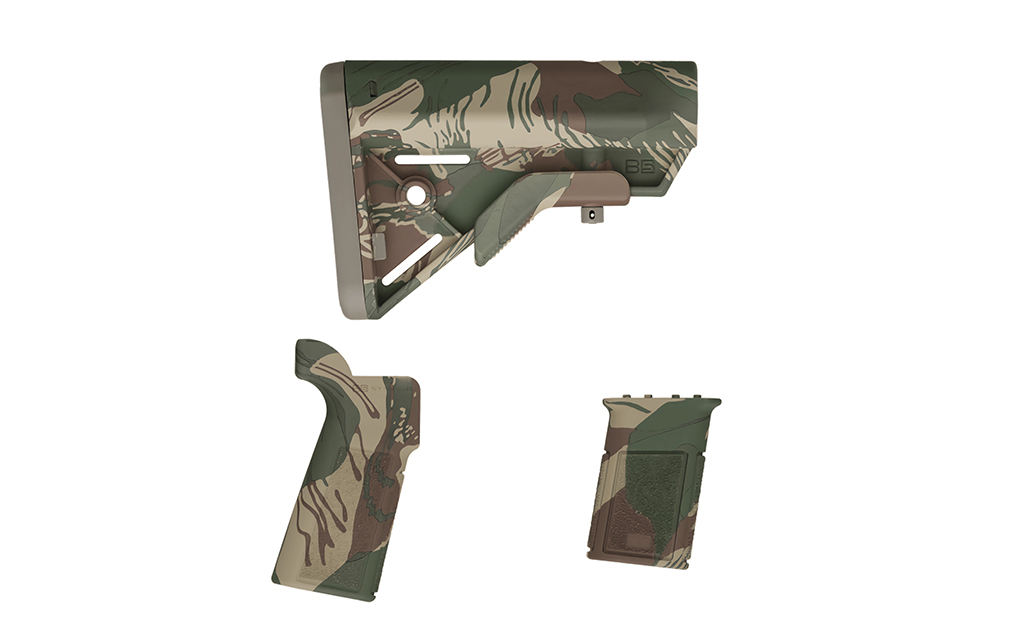
Hindsight is always 20/20.
The 5.56 in most all forms is absolutely lethal when it comes to killing people, and I donโt want to tone it down for political sensitivity. Youโre not putting together a home-defense rifle for zombies or some fictional monster; itโs for human attackers. I dislike it when the sanitized versions of this talk have desensitized and even infantized the 5.56 into some kind of toy cartridge; itโs a fighting cartridge, and it has somehow been reduced to a high-volume plinking round that guys blow through role-playing in tactical gear.
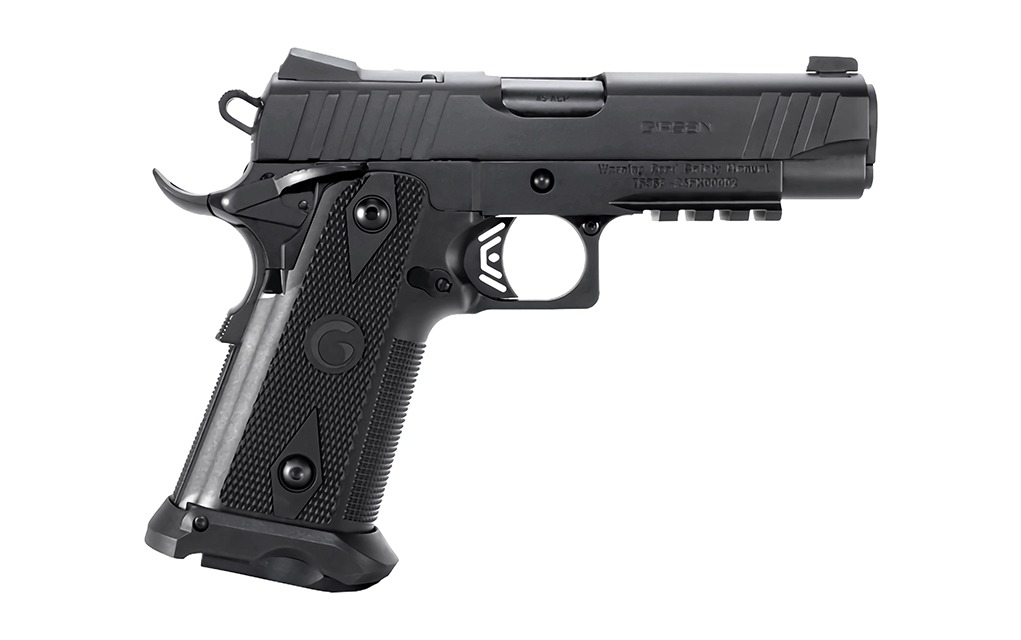
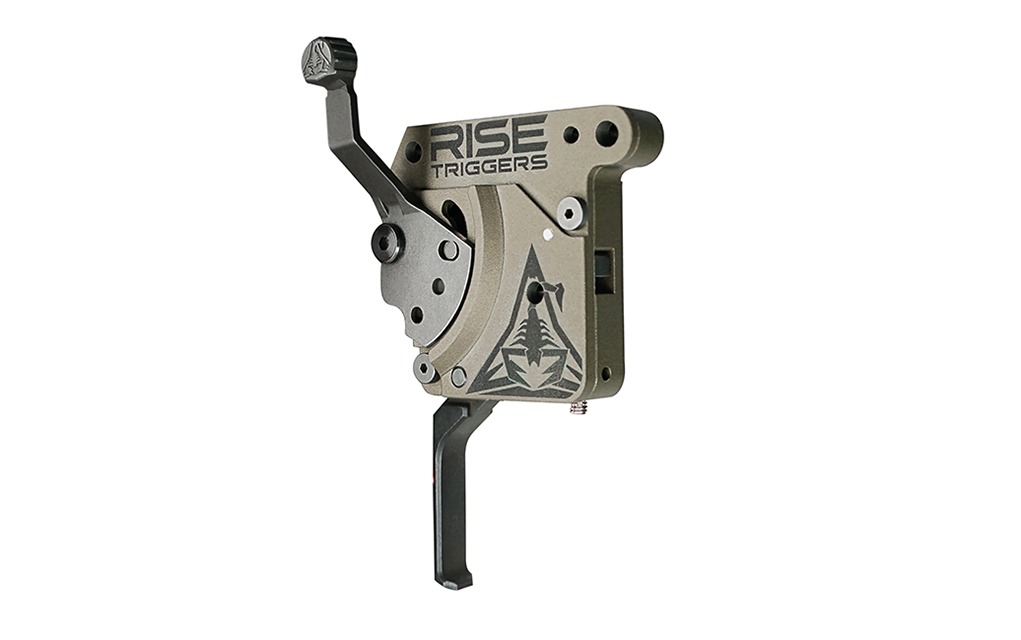
We have, at this point, become so familiar with the 5.56 that weโve lost perspective and respect for what it can do in the roles it was designed for โฆ and in those itโs almost impossible to beat. Itโs low recoil and great for beginners, but in reality, you donโt need to go much above it.
The beauty of the AR-15 and 5.56 NATO pairing is that itโs tremendously easy to use, and its inherent strength is that itโs lightweight, accurate and has a short learning curve. More power doesnโt always mean more performance, and thatโs something that tends to go over lots of heads.
Yet, here we are, throwing more new cartridges at the wall to see what sticks.
The Limits of Invention
I mentioned above that the truth of the โreplacementโ matter is that of consumer interest. Designing new cartridges creates demand for new barrels and bolts, but every new rifle cartridge, no matter how great, will struggle to succeed if it doesnโt fit into the AR-15 or AR-10 magazine well, excluding things like long-action cartridges of course (but then again, those have to compete with .30-06 and .300 Win. Mag. โฆ good luck).
These magazines, the AR-10 7.62 (SR25) and AR-15 5.56 set the stage for whatโs considered reliable and common. If it feeds from these magazines directly, or fits in their corresponding magwells, it has a chance at commercial success.
The 5.56 will always be the baseline for all similar cartridge development. The rifles are designed around it. Mil-spec exists around it. Barrel dimensions, muzzle threads and just about everything out there is based on the groundwork of the AR-15 and 5.56 cartridge. As a result, weโre inventing things that fit in that box. The reason the 5.56 will never go anywhere is that it is fundamentally ingrained in the DNA of all rifles today and has, for the most part, been influential in the idea of mass standardization.
This type of thinking isnโt inherently wrong, but in practice it makes it so that we have a baseline and we change a few parts out to make the base gun work โbetterโ in certain roles that demand specialization or standardization. Yet, the baseline is still acceptable and, in many cases, preferable. Thereโs little that the 5.56 canโt do in practical terms, but there are things we want the base rifle to do a bit differently.
The 5.56 next to the brand-new .338 ARC and .300 BLK. The 5.56 is the most successful supersonic AR cartridge, and the new generation of subsonic offerings is sure to separate from the herd in terms of utility.
A good example of this is the .300 Blackout, and even the new .338 ARC. The 5.56 canโt really do subsonic well, so AR-based subsonic cartridges take this role. I like to see this innovation happening: a non-competitive, specialized round that doesnโt pretend to play in the 5.56โs backyard. Doing so is a sure way to struggle, because the 5.56 has most bases covered in the supersonic arena.
The Struggle is Real
Letโs look into why other rounds have a hard time competing in the supersonic range.
Weโve come very far with development in terms of what the 5.56 can do. Indeed, the 77-grain Black Hills MK262 is extremely hard to beat unless there are special-use circumstances. We have in the ARC cartridge family some real, interesting design, and Hornady has been doing a tremendous job in this respect.
Bullet choice in 5.56 is of paramount importance. This issue alone has led to numerous reputations, both positive and negative.
I was skeptical about the success of this cartridge family given that, in the early war years, there were significant and loud voices crying out for the adoption of โbetterโ rounds like 6.8 SPC and 6.5 Grendel. These rounds existed for a while and managed to be at least somewhat popular, but ultimately their success was short-lived, as better bullets were introduced in 5.56. The bloodline of the 6.5 Grendel was ultimately continued with the ARC family. There are now several cartridges that work in the AR using 6.5 Grendel mags and bolts, making it a viable alternative to the 5.56 family that shares the same mags and case heads.
Three common case head diameters that most common rifles useโthe common 5.56 diameter also used by .300 BLK and .350 Legend, the Grendel diameter shared by the ARC family, and the .308 case head, common to everything from 30-06 to .243, 6.5 CM, .450 Bushmaster and so many more.
The 6.8 SPC never really caught on like it should have, but it was something of a bastard child because it didnโt have the weight savings and low recoil of 5.56, or the low cost of 7.62x39mm, making it a good idea with little room for further development. For medium game, it was at least somewhat better than 5.56, but the jury remains out considering there wasnโt much development in the lightweight .270-class bullets that it needed by the time it began to fall from manufacturer sheets. While it could be argued that it was objectively an improvement over 5.56, there was no room for it considering that it didnโt do much better overall than 5.56โand at the same time falling well short of 7.62 NATO performance.
The ideas behind other well-designed cartridges, like the .224 Valkyrie, were also somewhat similar in that its mistake was being .22 bore. The ARC family addressed this by introducing a .22 bore addition after they had success with their 6 ARC, all of which made use of the 6.5 Grendel magazine and bolt. The .224 Valkyrie uses the 6.8 SPC mag, making it harder to find and more expensive given the lack of the parent caseโs popularity.
This image displays a disaster of common sense, the notable .224 Valkyrie is by all means a more technologically advanced cartridge, but the regressive design of the .350 Legend has enjoyed enormous popularity. The .224 struggled against the 5.56, both being .22 caliber.
An interesting outlier is the .300 AAC Blackout, a round thatโs not all that great, but it met a specific need at a specific time โฆ and it helped usher in the modern suppressor era. While it was originally intended for shorter barrels in subsonic form, the majority of rifles made for it today are 16 inches. As a result, it has a wide range of supersonic options available that do perform quite well, very much in 7.62x39mm territory for energy and velocity, if not a little on the lighter end.
The .300 Blackout is available in numerous forms and enjoys a wide range of .30-caliber projectiles. It doesnโt pretend to be 5.56, and as a result it has survived where others couldnโt.
It would be uncouth to give credit to AAC for this round; JD Jones had the .300 Whisper well before it and the AAC variant was just a better marketed version of what already existed. The .300 BLK met great success because it didnโt try to best the 5.56 in the supersonic arena, instead offering a base-gun alternative for short barrels and subsonic speeds using the same bolt and magazines. Itโs only a barrel change on the base 5.56 AR-15.
Straight-wall case cartridges are common in restricted areas. These work in the AR-15, but overall are less efficient and higher recoiling than bottleneck cases. Their survival depends entirely on the legal framework of hunting zones.
We see other commercial success is in the rounds made to adhere to legal regulations in certain hunting areas that require straight-wall cases. These rounds are an intentional handicap to the hunter: Thereโs no objective benefit in terms of ballistics, and it could be argued that they are unethical in practice due to a deliberate rejection of efficiency in trajectory. Taking a mature, modular and advanced platform like the AR-15 and making it work with 19th century case designs in order to make some know-nothing bureaucratic stooges feel โsaferโ about Elmer Fudd shooting Bambi is why we have these rounds at all.
History Repeats Itself
The 5.56 isnโt going anywhere anytime soon, especially given the foothold it has with military use. In many ways, weโre bearing witness to the same situation we always have in terms of fighting rifles: The new bi-metal case 6.8 cartridges and corresponding large-frame rifles are large and heavy. While extremely advanced, the weight factor and subsequent lower number of rounds that can be carried echoes the same concerns the American military faced in the jungles of Vietnam. People love to disparage the M14 because it was a rifle built from lessons learned in the previous war, yet here we are โฆ doing essentially the same thing.
The thing is, the benefits of the 5.56 havenโt changed at all, and the demands it fills are still relevant. System weight, manufacturing support, spare parts and many more concerns will always exist. And while the new rifles are quite interesting and boast impressive features, I doubt itโs even possible to dump the 5.56 considering that our small arms technology is nearing a century old. The M2 machine gun is going to stay, same with old tech like the 9×19 cartridge, .50 BMG, 7.62 NATO and more.
Some things will of course change, but from a standpoint of practicality, we will not so much replace as much as we will keep adding to what already exists. In the next decade, there will be more military cartridges in more guns, not less.
To close, itโs always speculation that a certain cartridge will โkillโ another one. The 9mm versus .45 ACP debate will still be raging in 100 years. Likewise, the .308 Win. never went anywhere โฆ despite it being โunseatedโ by 6.5 Creedmoor. In fact, .308 Win. is again rising in overall popularity, as 6.5 CM has slowly fell from favor in long-range competition.
What was once a rivalry is now a brotherhood. 6.5 Creedmoor failed to unseat .308 Win. in popularity long term, but the two now occupy many a gun safe together, each valued for their respective strengths.
Deeply ingrained, established rounds like the .308 Win/7.62NATO, 9mm, .45 ACPโand 5.56 NATOโwill never fade out in America in any of our lifetimes.
Editor’s Note: This article originally appeared in the January 2025 issue of Gun Digest the Magazine.
Looking to go armed, but are stuck in the weeds as to what to arm yourself with? Here are 20 of the best concealed carry gun options that will keep you on the defensive.