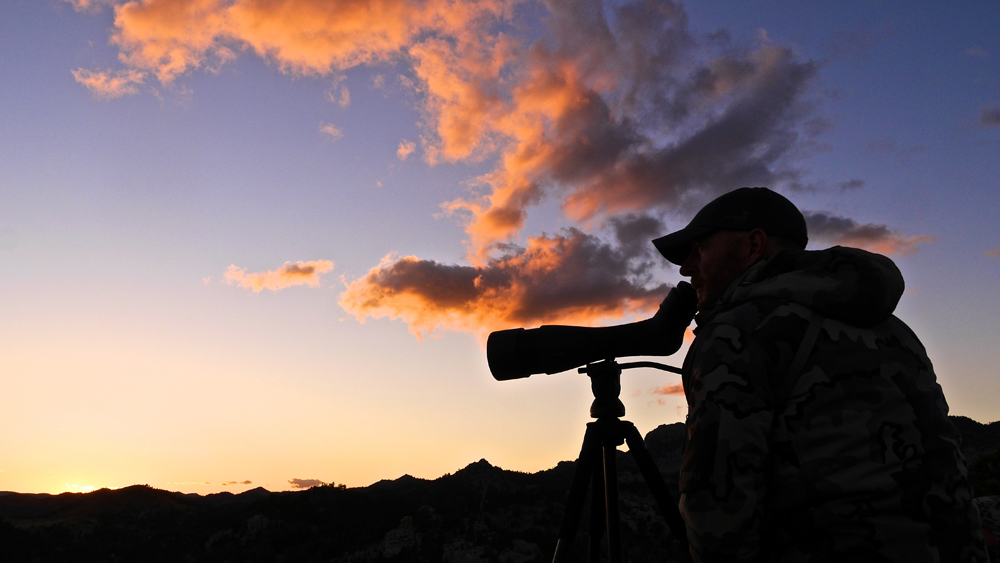
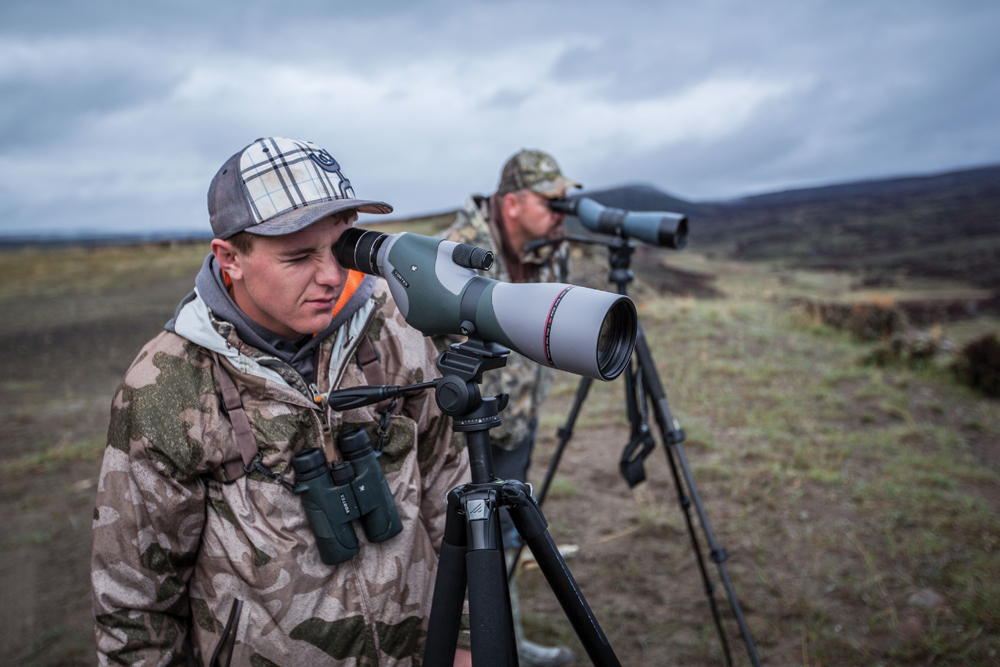
The Vortex Razor HD spotting scope proves it’s sharp enough to run with the big dogs.
If there’s one thing I’ve learned over the decades as a hunter and shooter, it’s that big, open country demands high-quality glass. When you spend dozens of hours each year picking the right hunting unit, putting in for points, stretching the maximum effective range of your rifle at the range and glassing high-altitude ranges for that trophy animal, poorly made optics are simply an unacceptable strain—and a waste of time.
I’ve done my time afield with cheaply made binoculars and bargain-basement spotting scopes, and I’ve also had the opportunity to tour the wild backcountry with some of Europe’s finest optics. The great tension, of course, is that we’d all like to own the Bugatti of glass, but many of us simply can’t afford to drop four or five grand on a spotting scope. If you’re facing that dilemma, one of the best solutions comes from Vortex Optics.
Based out of Wisconsin, Vortex has built a solid reputation in the optics industry by offering premium quality glass at a price point that’s significantly less than the European bigs. With the help of a well-crafted marketing and social media strategy, a no-questions-asked lifetime warranty, and the knack for building performance optics that don’t crush your bank account, Vortex has carved out a strong following with long-range shooters and hardcore hunters alike.
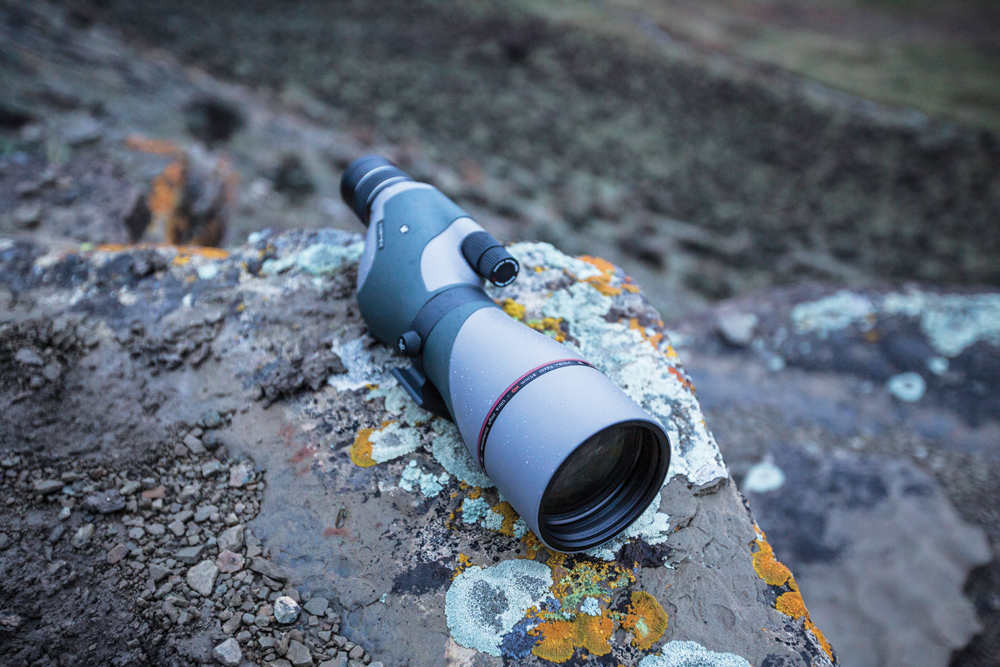
One of its best new spotting scopes is the Razor HD 20-60x85mm, which features premium high density (HD), extra-low dispersion glass that is precision crafted to produce outstanding clarity, resolution and color fidelity. The Razor HD carries a very reasonable MSRP of $2,000 (which means you can find it on the street for quite a bit less) and has the optical horsepower to hang with the big dogs. Ruggedly built to stand up to the worst elements, the Razor HD is also backed by the famous Vortex lifetime warranty—unlimited, fully transferrable, no receipt needed—which makes it an extremely tantalizing option for the serious hunter or shooter.
Features and Design
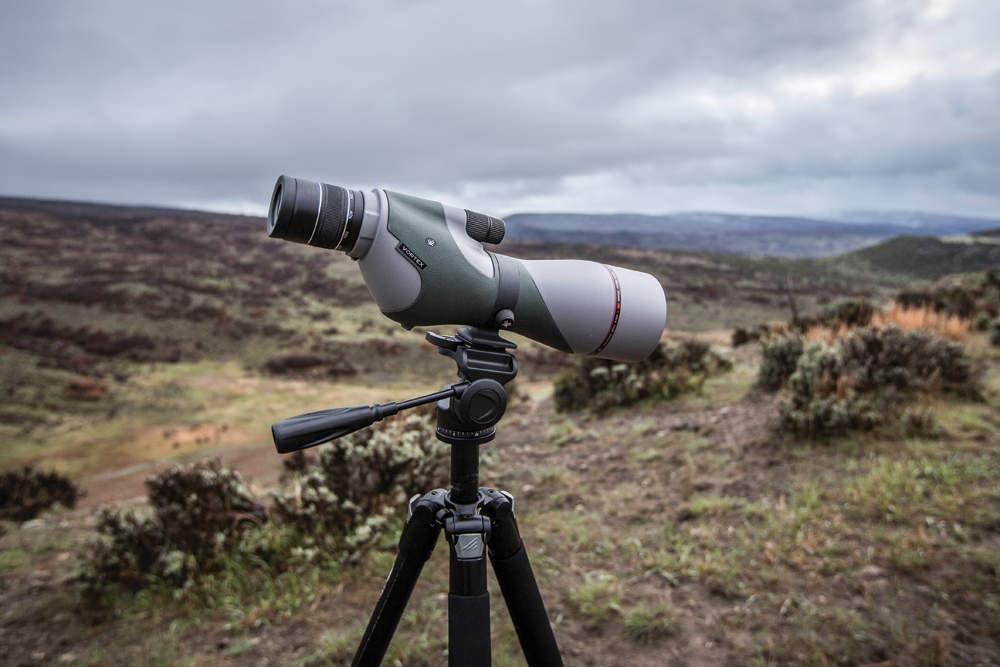
The Vortex Razor HD comes in a few different setups and represents the top-of-the-line for Vortex spotters. The scope comes with the option for either straight or angled eyepieces and is available in variants of 11-33x50mm, 16-48x65mm, and 20-60x85mm (reviewed here). Magnification is obviously one thing to consider when choosing which scope you’ll invest in, but weight is the other. The 85mm version weighs 4.1 pounds, which isn’t a big deal if you’re scouting by vehicle, but it gets bulky if you’re packing that sucker on your back. On the other hand, I prefer the 85mm for Western hunting and the many times I’m watching elk at 1,200 yards or more. The 85mm also allows you to make out bullet holes in paper at considerable distances, certainly at 100 yards.
The Razor HD features a Porro prism design that provides excellent optical capabilities without sending the price to the moon. Invented by Ignazio Porro around 1850, this particular prism design, recognizable by the dog-leg design of the tubes, incorporates at least one triangular prism that transmits light and turns an upside down image right side up for the viewer. Porro prism optics generally offer a robust, sharp viewing experience for less cost than roof prism designs, which are characterized by straight, long tubes and a more compact design. Roof prism technology has come a long way over the decades and prices have fallen as a result, but binoculars and spotting scopes of this make are still generally more spendy because they require greater precision in manufacturing. In terms of quality, both styles offer premium-quality optical performance, all other things being equal.
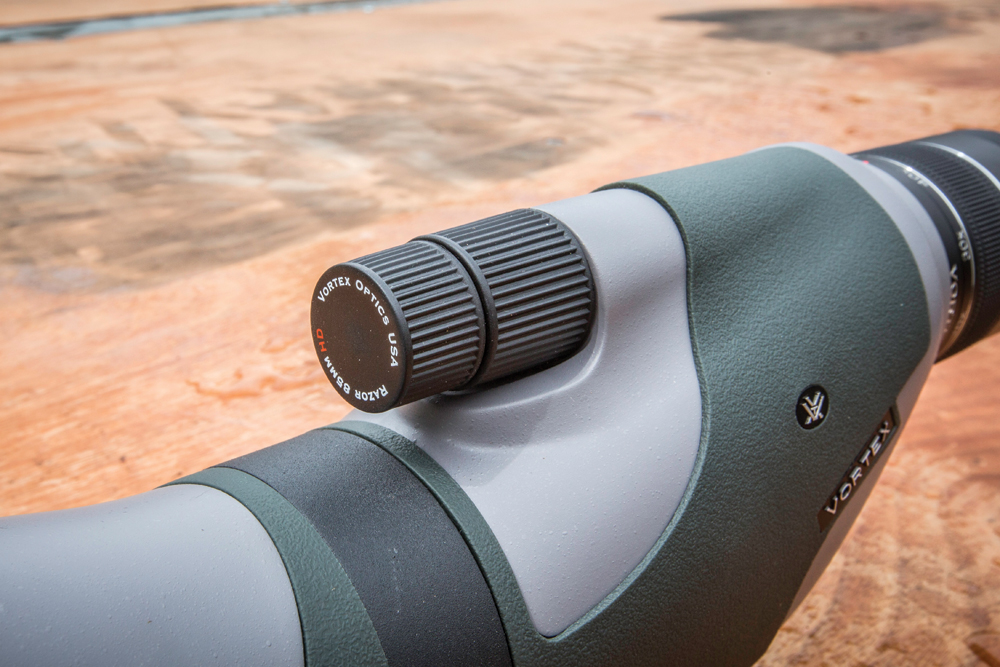
The Vortex Razor HD features a dual focusing ring, with the base ring providing macro adjustment and the smaller, outer ring providing micro adjustment for fine-tuned precision viewing. The dial is located at the top medial position, which enables you to easily adjust focus without taking your eye off the viewfinder. Once focused, only minor adjustments on the micro dial have to be made when alternating between distances. To change magnification, the eyepiece turns left or right and features 20x, 30x, 40x, 50x and 60x setting designations. A 20mm eye relief adjusts easily and smoothly at the end of the eyepiece, perfect for use with or without glasses.
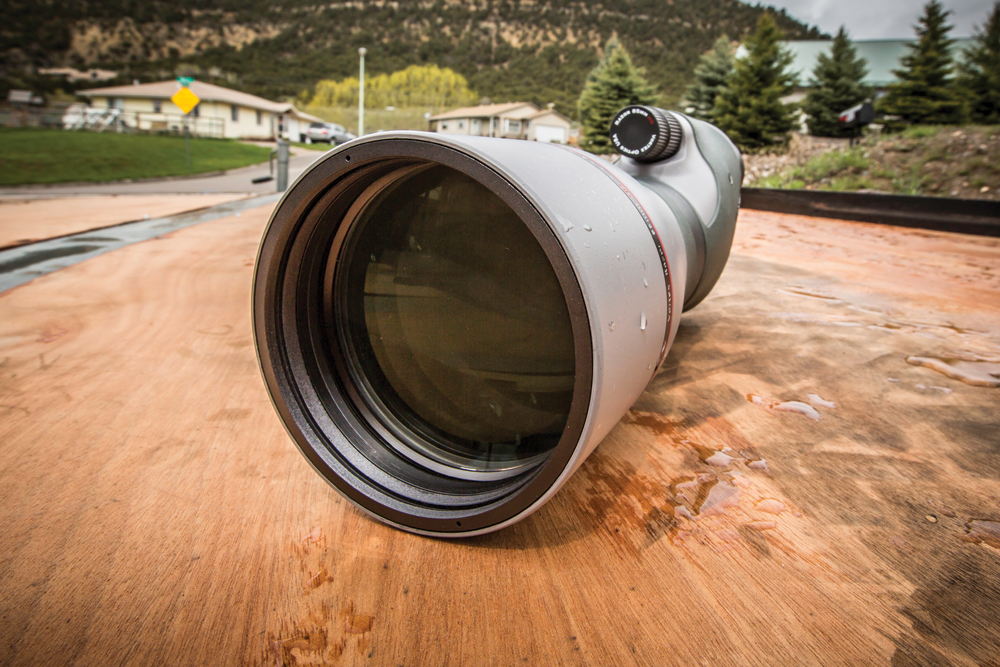
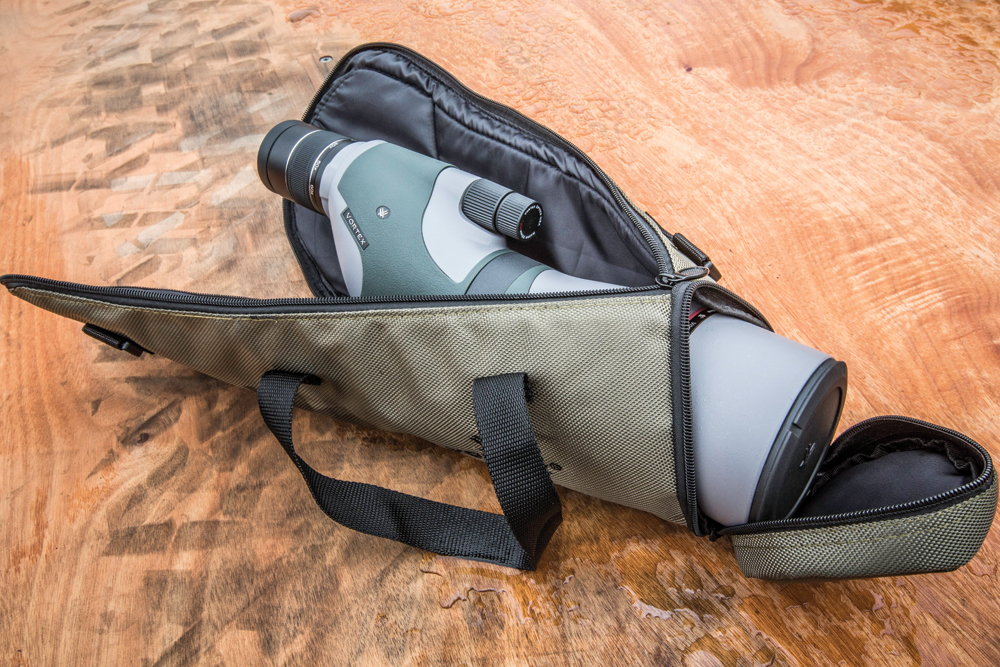
The Razor HD also features a built-in sunshade that extends out roughly 43 millimeters. A permanent tripod mount with standard-sized mounting screw is attached to a band around the middle of the scope, while a small knob allows you to rotate the body of the scope in its base. The scope comes with a zippable carrying case that helps keep it from getting dinged in the truck or a pack.
Straight or Angled?
Like most spotting scopes, the Vortex Razor HD comes with the option of a straight or angled eyepiece. Neither option is necessarily superior, but each offers a different set of benefits and more or less comes down to preference. The straight eyepiece (reviewed here) is ideal for use from a truck window and works well from the seated or standing position from a tripod, though you’re in for some serious neck strain if you’re looking upward at a steep angle, as you would be for sheep and goat hunting. Some people also feel the straight eyepiece makes it easier and quicker to acquire a target. The downside is that you have to raise your tripod higher, especially when standing, which makes it more susceptible to shaking in the wind and is less desirable for keeping a low profile when stalking animals. The angled eyepiece is great for tripod viewing and steep angles and allows you to keep a shorter profile with the tripod, but would be difficult to use from a car window. Since I do most of my viewing from a tripod in the field, I lean toward an angled eyepiece.
Performance
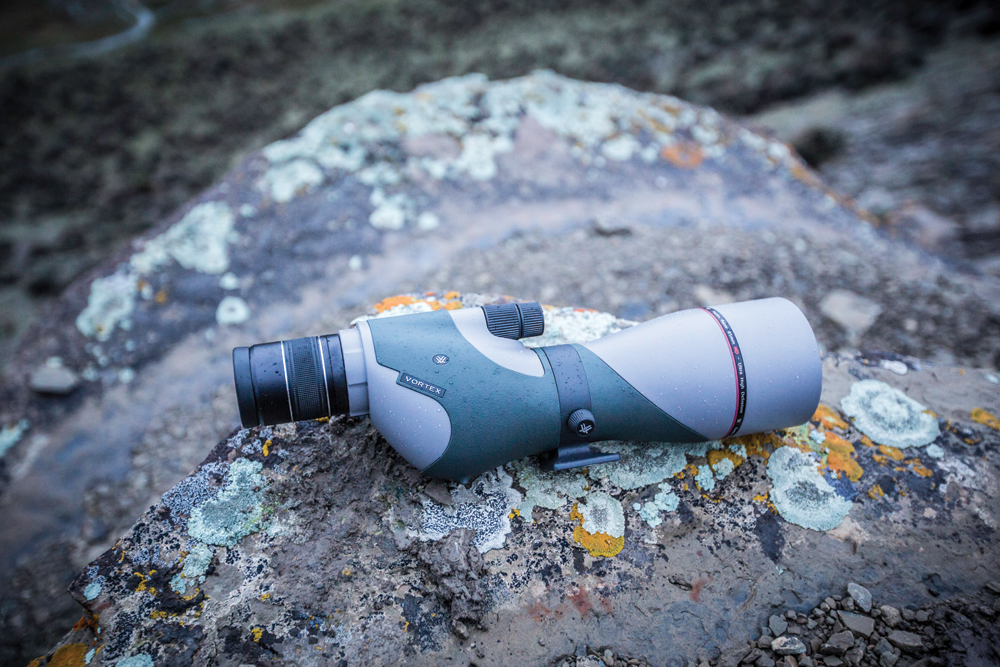
I put the Vortex Razor HD to the test this spring in Colorado during what has been a particularly wet year. It’s also a time of year when temperatures and weather change rapidly, so it’s t-shirts and sunshine one moment and jackets and snow the next. The Razor HD performed exceptionally well in all those conditions, and I never had a problem with fogging up or fading out in sunshine, heavy fog or cloud cover. The Razor HD is argon-gas-purged to prevent fogging in a wide range of temperatures, and that feature certainly came in handy. The XRPlus Multi-Coated lenses provide premium light transmission, anti-reflection and improve use in midday sunlight.
Light transmission was impressive, and I often found myself with elk in clear view at full magnification well after sunset. For comparison’s sake, I pulled out a $5,000 European spotting scope for late evening glassing and found, not surprisingly, that the big difference in optical capability comes at low light. The European optic was a clear winner in clarity and light transmission, but not by as much as the price disparity would indicate. For $3,000 less, the Razor HD still handled low light incredibly well and produced sharp picture clarity out to 1,000 yards.
Parting Shots
The Vortex Razor HD offers an incredible amount of bang for your buck, pairing premium quality glass and scope construction with a very reasonable price point. The scope is a homerun for Vortex, which continues to bring superb optical quality down to the range of the workingman’s budget. After reviewing the scope in all weather and light conditions in the vast spaces of the Rocky Mountains, there was nothing the Razor HD couldn’t handle. It’s backed by the legendary Vortex lifetime warranty, which as I’ve personally experienced is as good as advertised. At four pounds it’s not exactly lightweight, but that’s very typical of even the high-end 85mm scopes. If you’ve been holding on to that old clunker of a spotting scope for too long or have simply gone without because the price tag has always been too great, the Razor HD is your excuse to make one of the best purchases yet. Trust me, you won’t regret it.
Vortex Razor HD 20-60x85mm
Magnification: 20-60x
Objective Lens Diameter: 85mm
Glass: Premium High Density (HD), extra-low dispersion
Construction: Porro Prism
Body Type: Straight
Waterproof: Yes
Focus: Dual focus ring
Eye Relief: 20mm
Length: 15.8 in.
Weight: 65.7 oz. (4.1 lbs.)
MSRP: $2,000
Manufacturer: Vortex Optics
Editor’s Note: This article is an excerpt from the Summer 2016 issue of Gun Digest the Magazine.
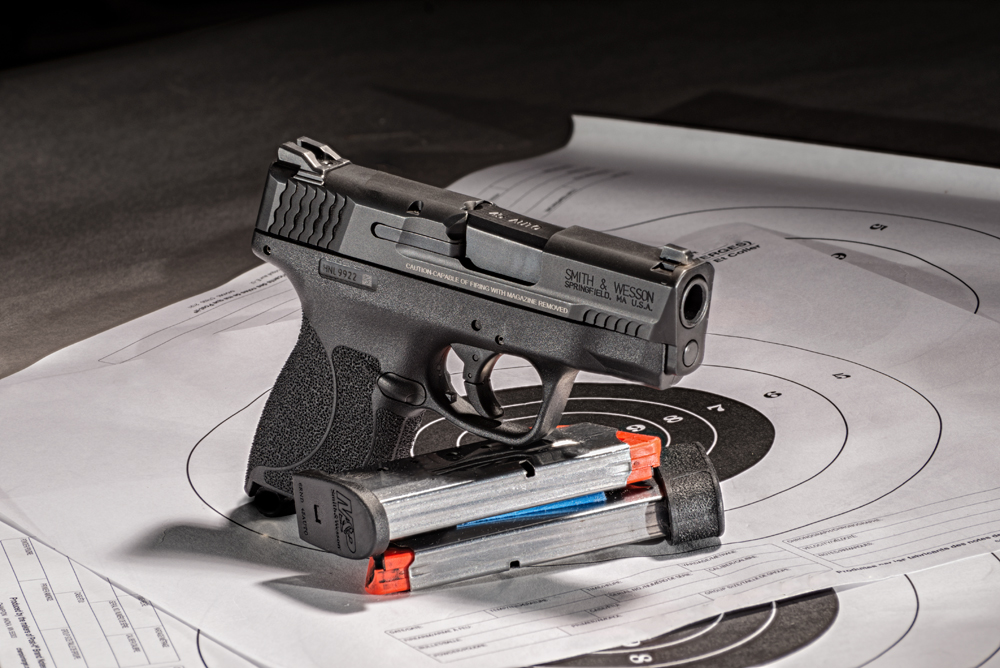
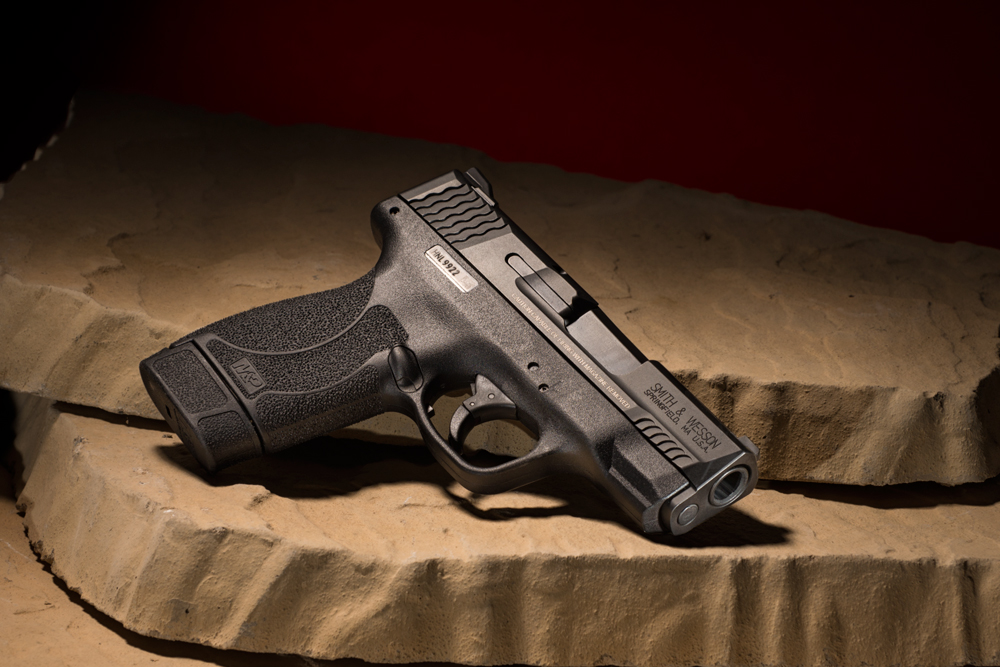
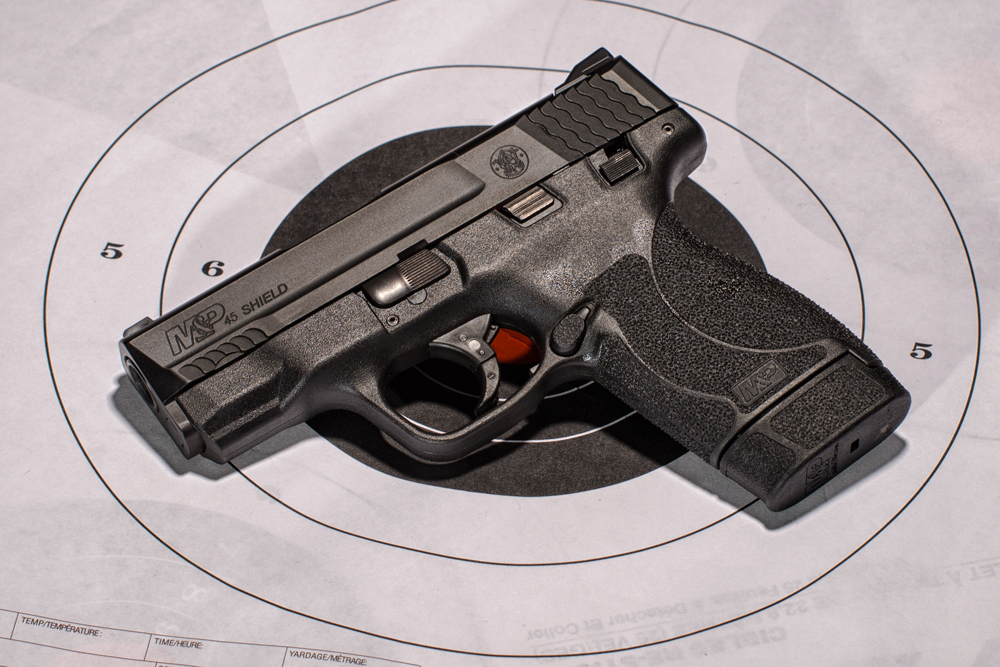
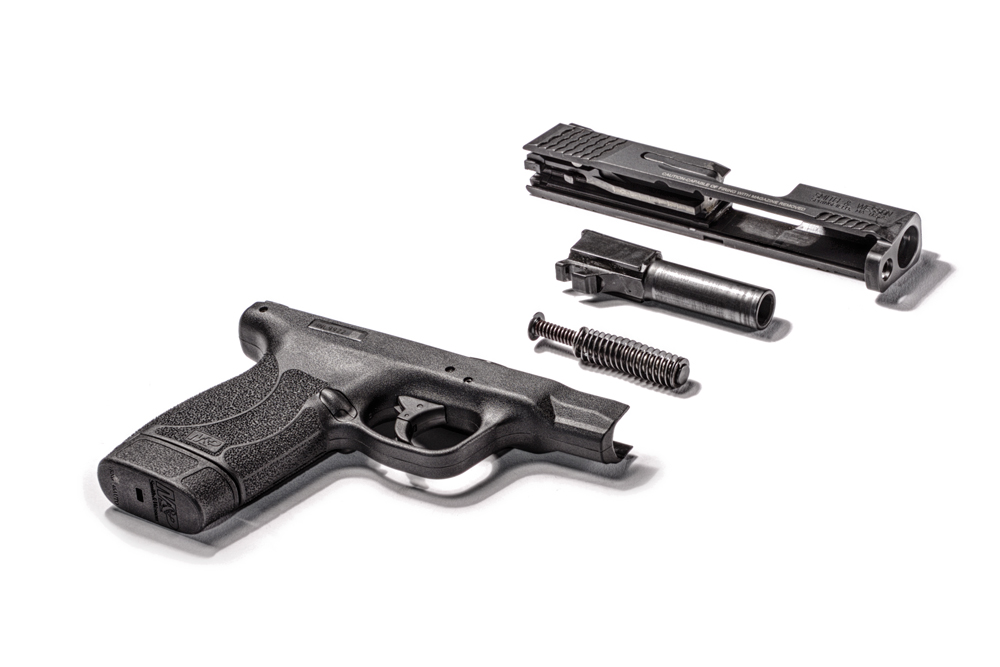
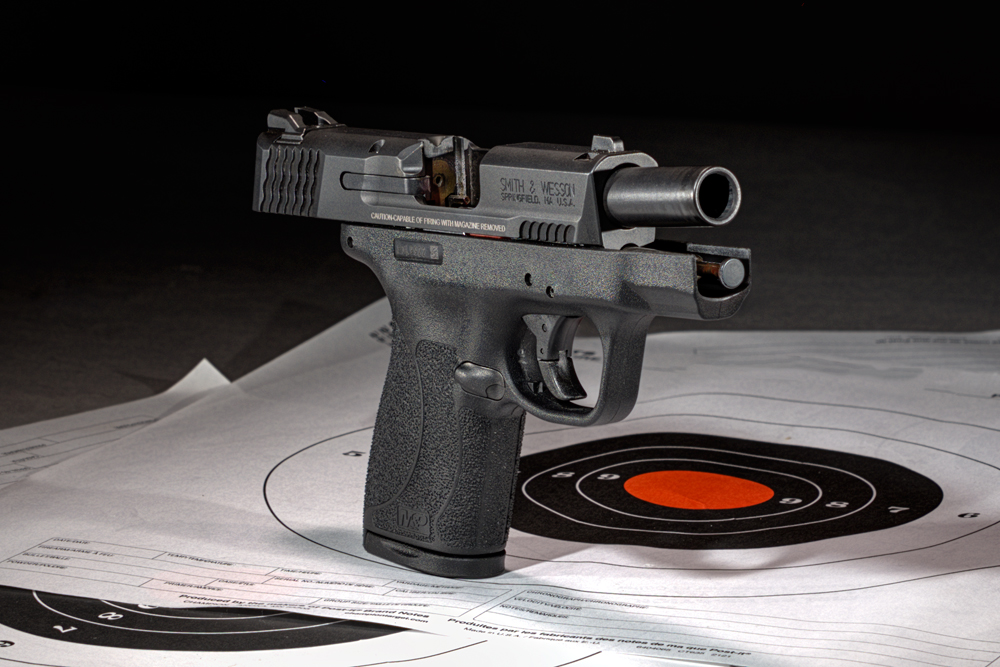
Smith & Wesson’s new M&P45 Shield packs the firepower of the potent .45 Auto cartridge into the manufacturer’s classic single-stack carry pistol.
I received a 45 Shield for testing and can say without hesitation that it is accurate and reliable. It will be on many people’s short list for carry, especially for those who want a smaller pistol with the ability to pack 6+1 or 7+1 rounds of the mighty .45 ACP.
The slide and the barrel on the .45 Shield are both stainless steel and are finished in black Armornite, a very durable and corrosion-resistant finish. The M&P45 Shield came with two seven-round magazines, one a flush-fit model, the other an extended model.
Much of my range work with the new Shield was done in temperatures in the upper 80s and low 90s, with very high humidity. Sweaty hands didn’t affect the superior grip on the Shield a bit. I also did my own “water test,” pouring water onto my hand and the butt of the pistol, rubbing the water into the texturing and then popping off two magazines fairly fast. My grip was still rock solid; my hand might as well have been dry.
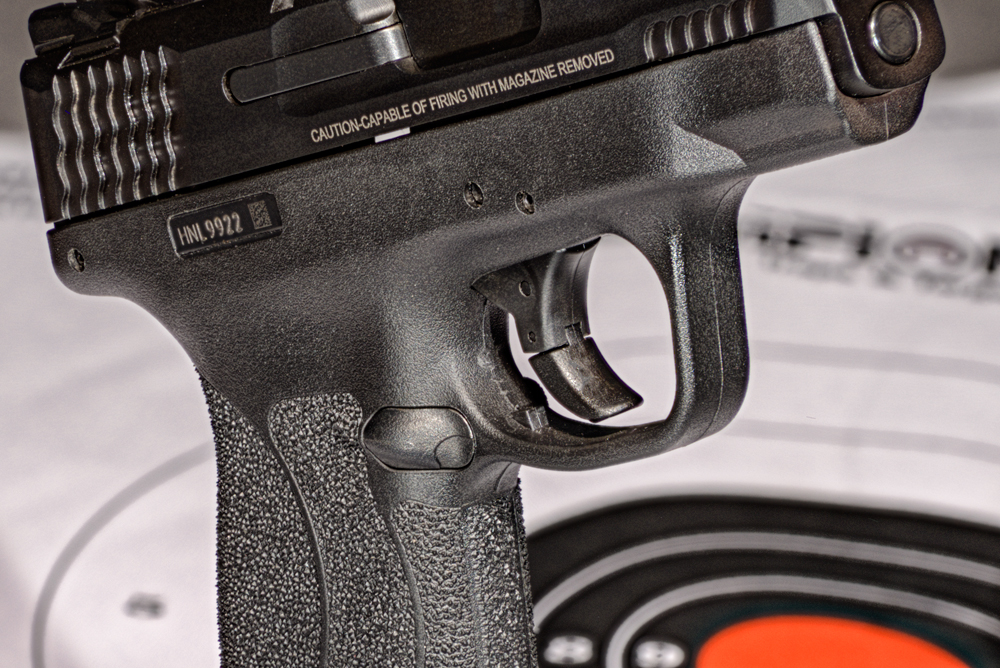
The M&P45 Shield can be had with or without a thumb safety. Mine had the safety, and it actually snapped in and out of the safe position with my thumb (not always the case with some semi-autos). The magazine release worked fine, popping out the magazine easily. I found the slide stop a little tough to engage at first. You have to move the slide all the way back to get it to engage, and it takes some practice to time the back movement of the slide with your finger pushing up on the slide stop.
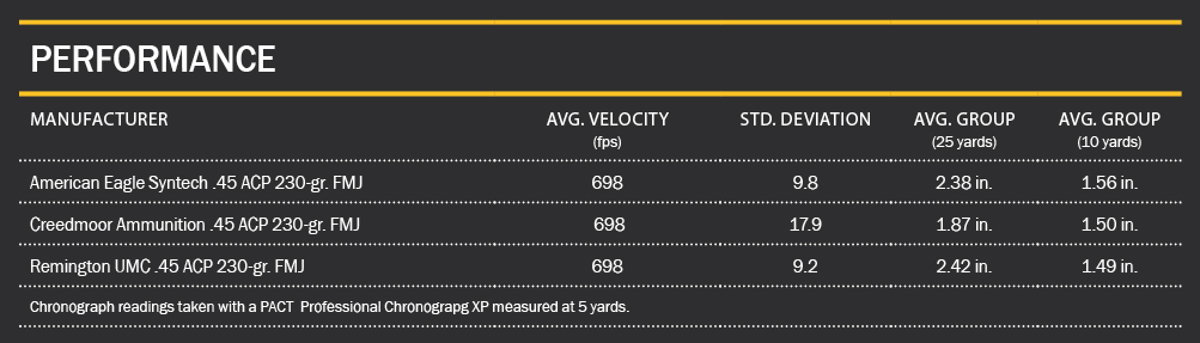
To test accuracy, I did 25-yard shots from a rest, firing five-round groups and printing three to five groups per brand of ammunition. For a short-barrel semi-auto, I thought the accuracy was impressive. This was especially true with the Creedmoor Ammunition, a relative newcomer to the ammo industry, which laid in two five-shot groups at just over 2 inches, one at 1.83 inches, and — the overall winner of all the ammo tested — a 1.49-inch group.
I decided a more complete testing of accuracy would need to include the M&P45 Shield at closer ranges, too, so I did the same five-round groups with the same ammo brands at 10 yards, firing from a rest. Not surprisingly, groups shrunk, by nearly a full inch.


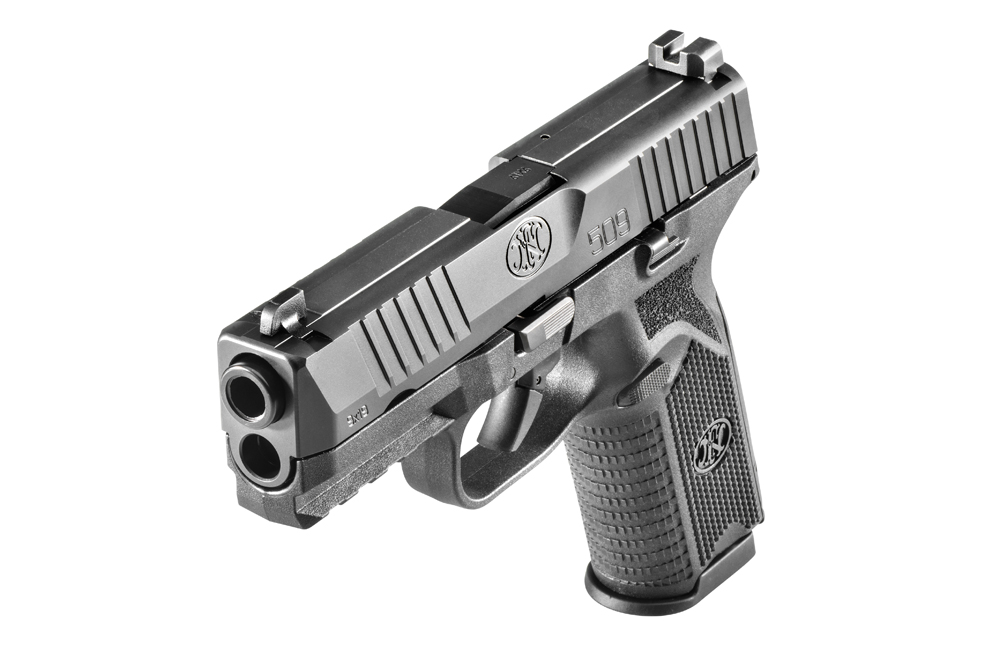
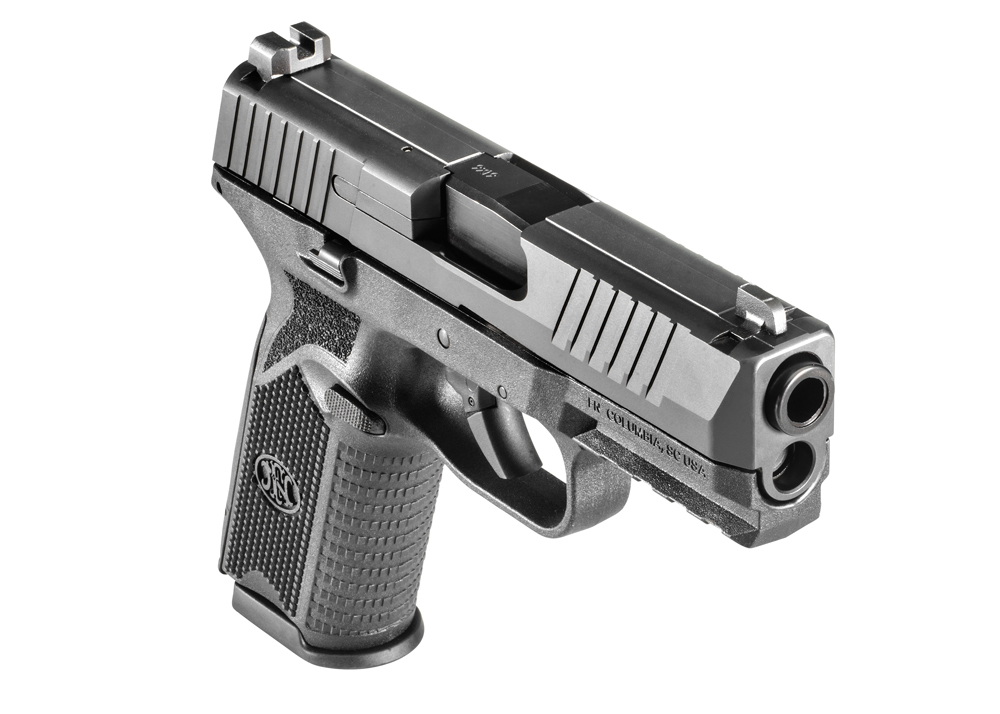
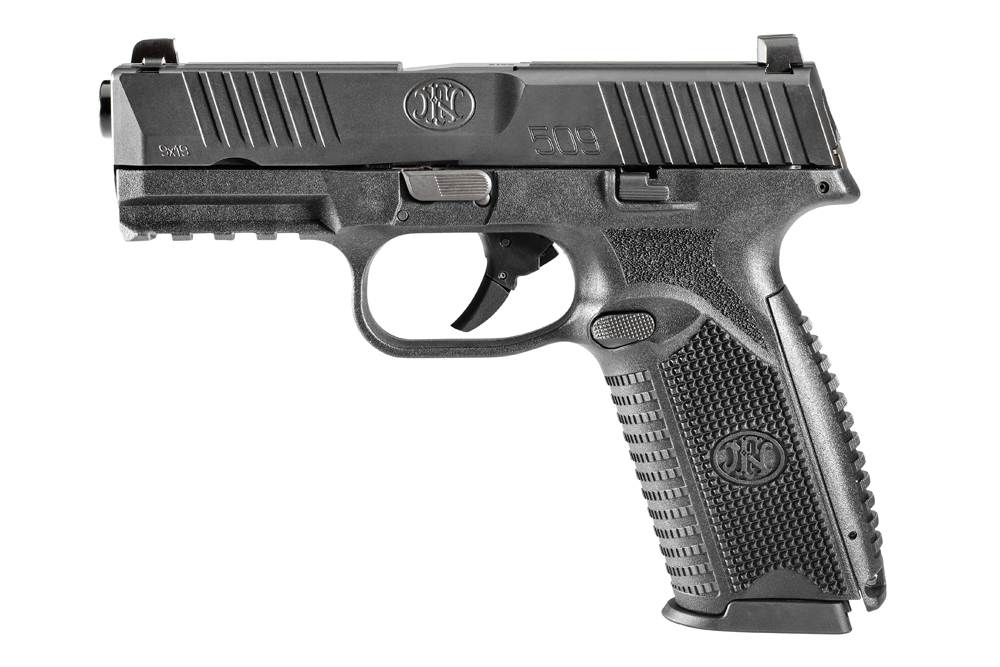
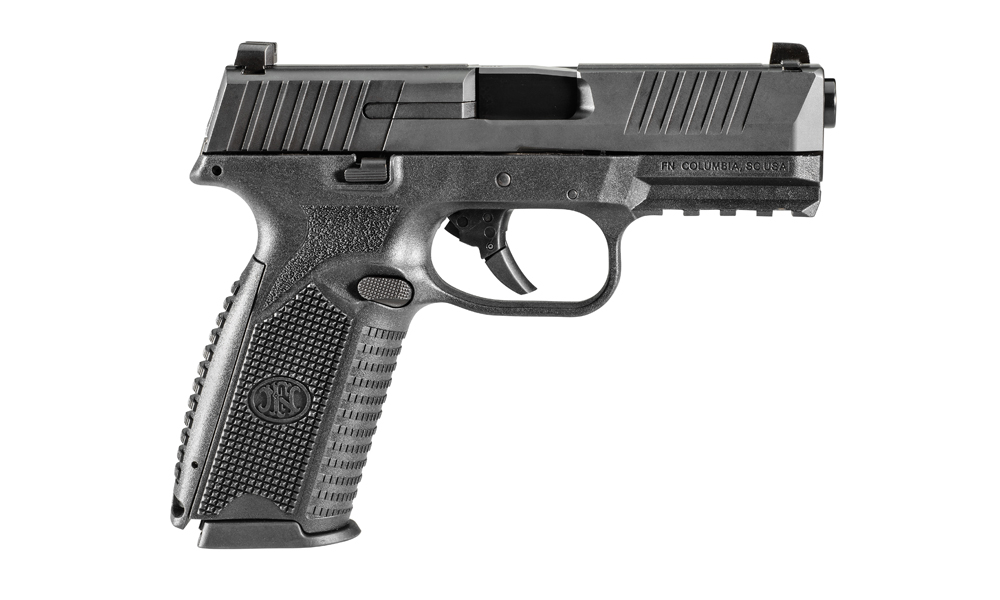
FN America has introduced its new FN 509, a full-size polymer-framed, striker-fired pistol born out of the Army’s Modular Handgun System (MHS) competition.
The new FN 509 isn’t the exact pistol FN submitted for the competition. According to the manufacturer, it is heavily based on that pistol but has been re-tailored for the U.S. law enforcement and commercial markets.
Other enhancements include more aggressive cocking serrations on the slide for easy manipulation, redesigned controls for easy and secure operation and an improved cold hammer-forged stainless steel barrel with a recessed target crown. The new 509 does not have a manual safety, but a non-manual safety works in conjunction with passive safeties for safe operation.
FN 509


The new Ithaca Guardian rifle represents Ithaca’s first real move into the long-range precision chassis rifle game, and it doesn’t disappoint.
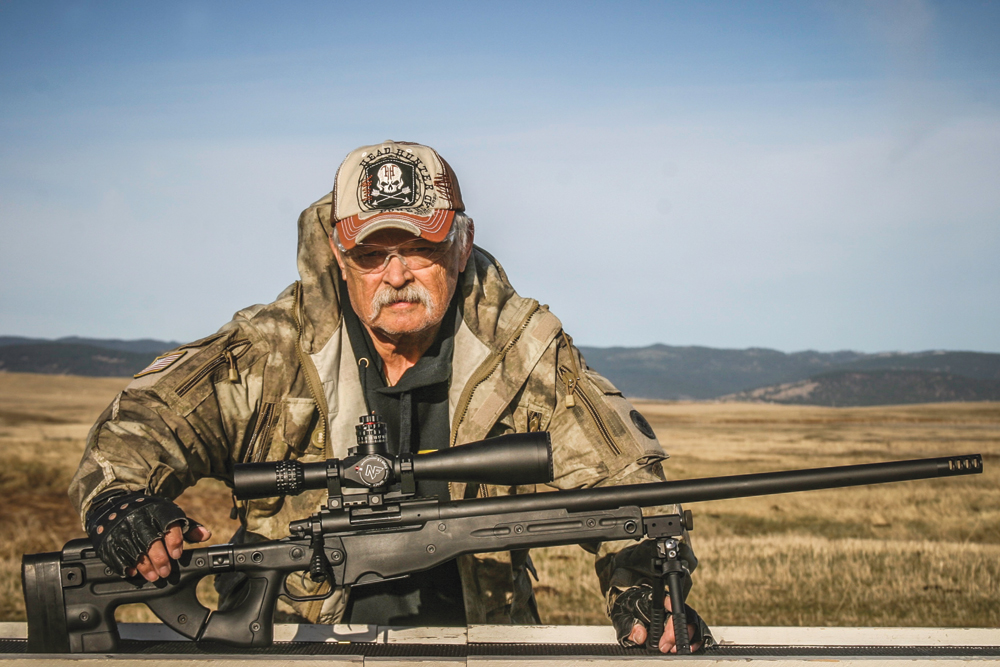
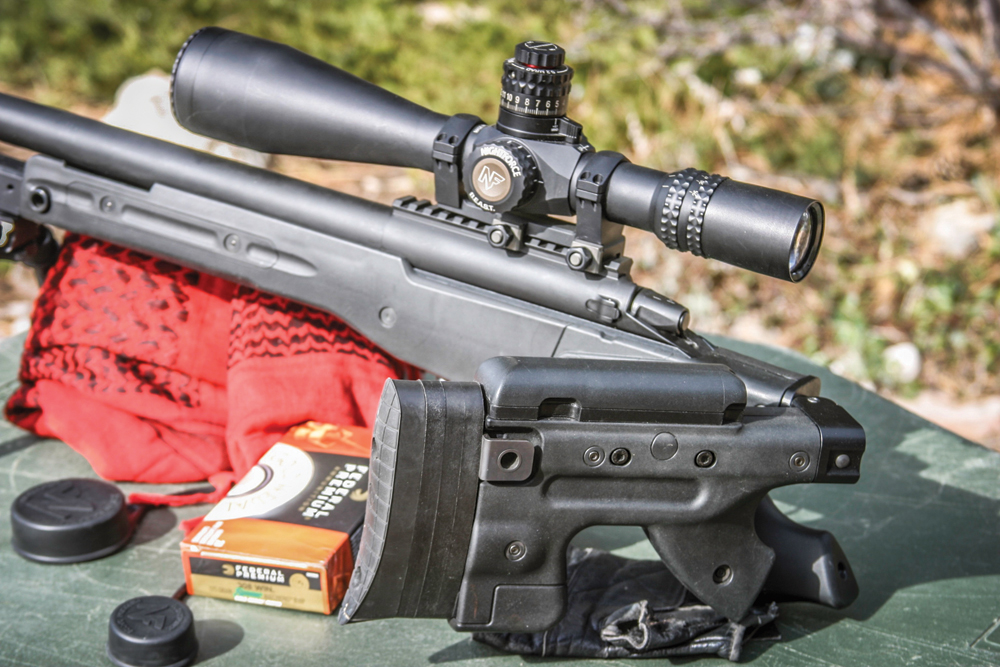
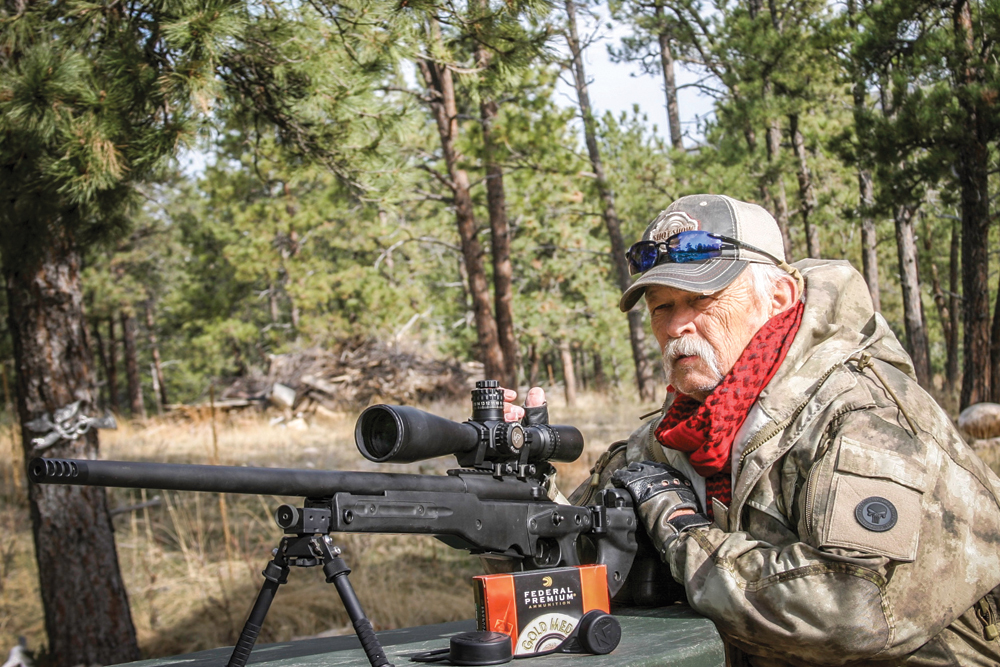
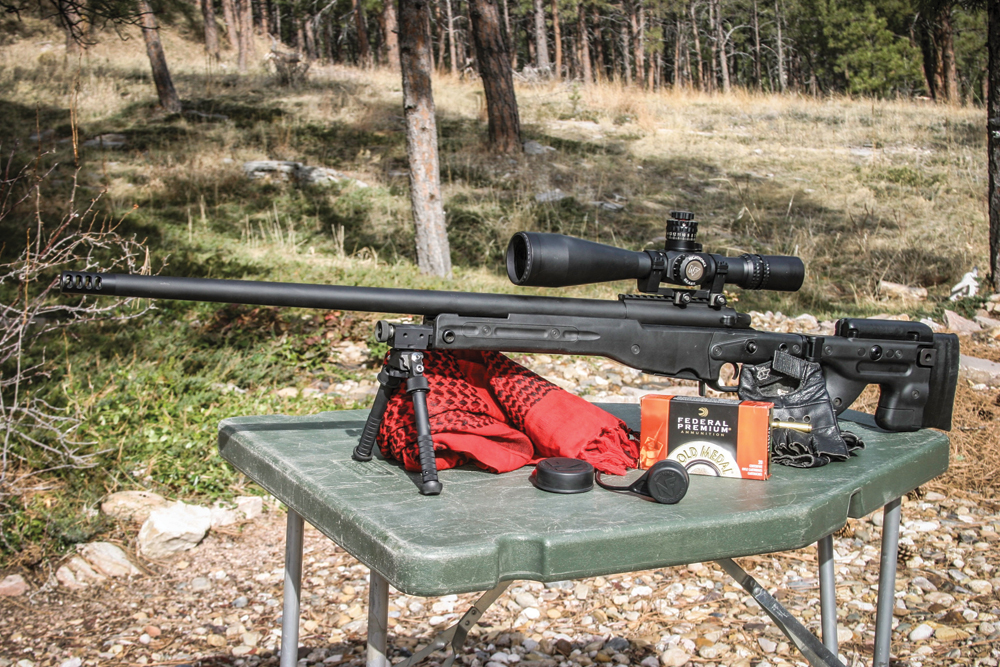
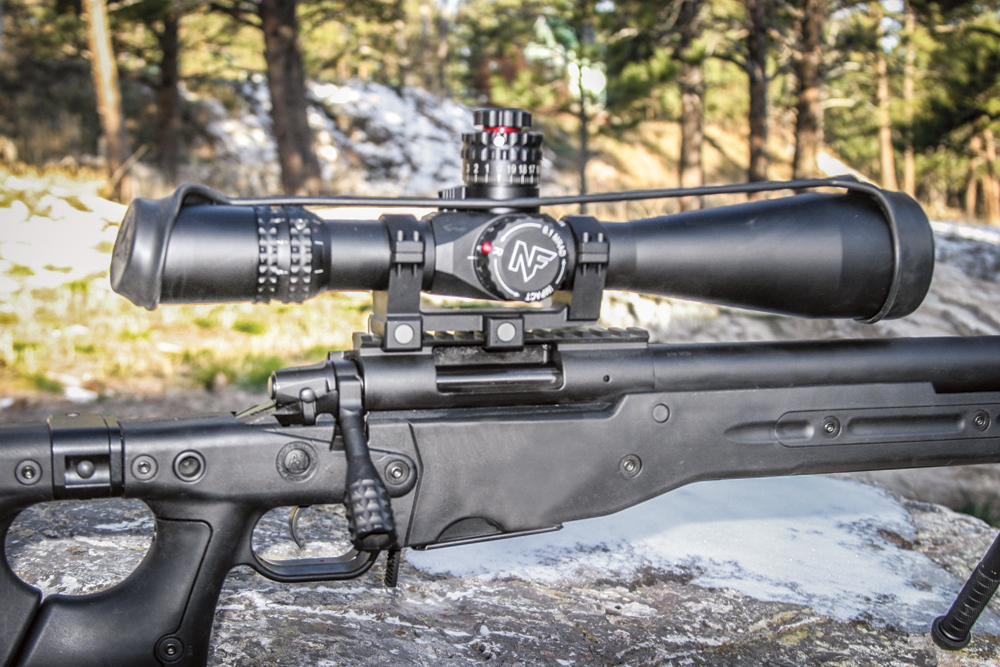
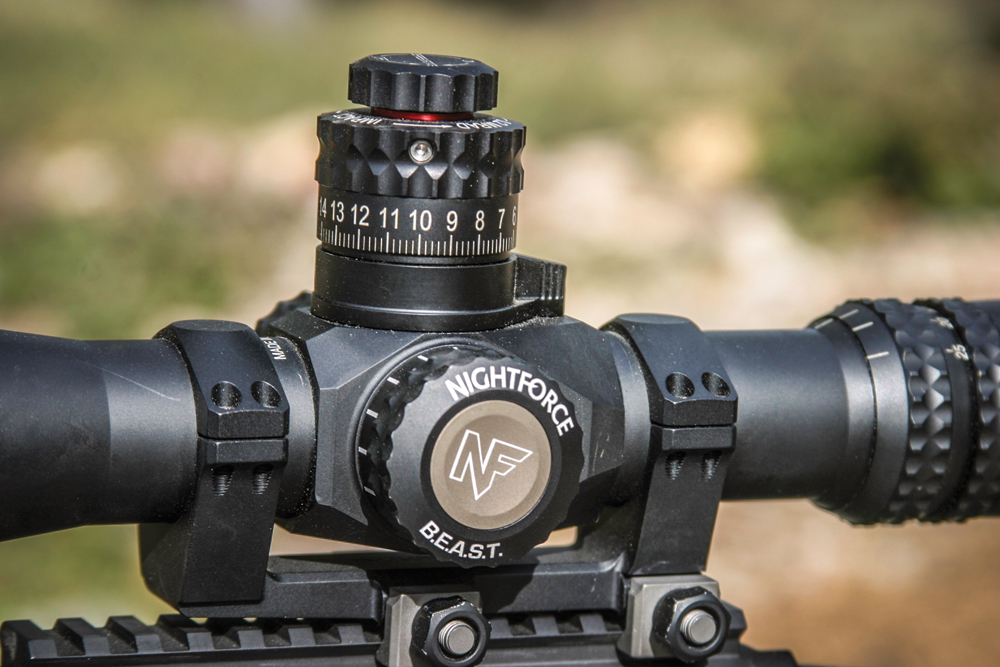
Fitted with the Accuracy International stock and a Nightforce BEAST optic, the rifle weighs in at 18.40 pounds, way north of any general-purpose deer rifle. With a receiver built off a 4340 chromoly steel billet and a non-welded, CNC machined and hand-fitted (blue printed) bolt, the American-made barreled action is state of the art in terms of quality.
On the Gun
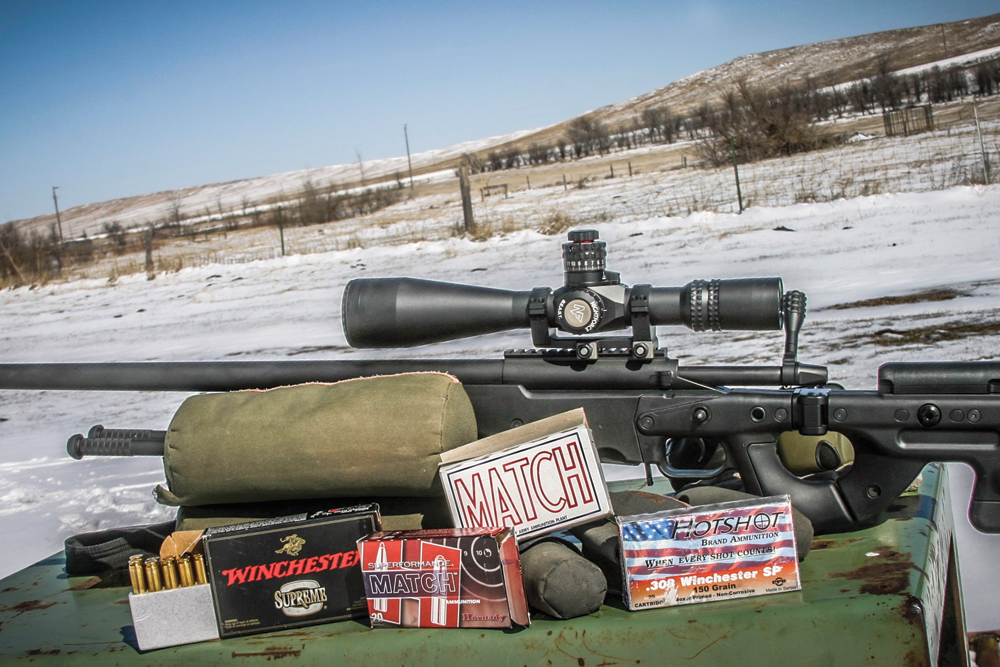
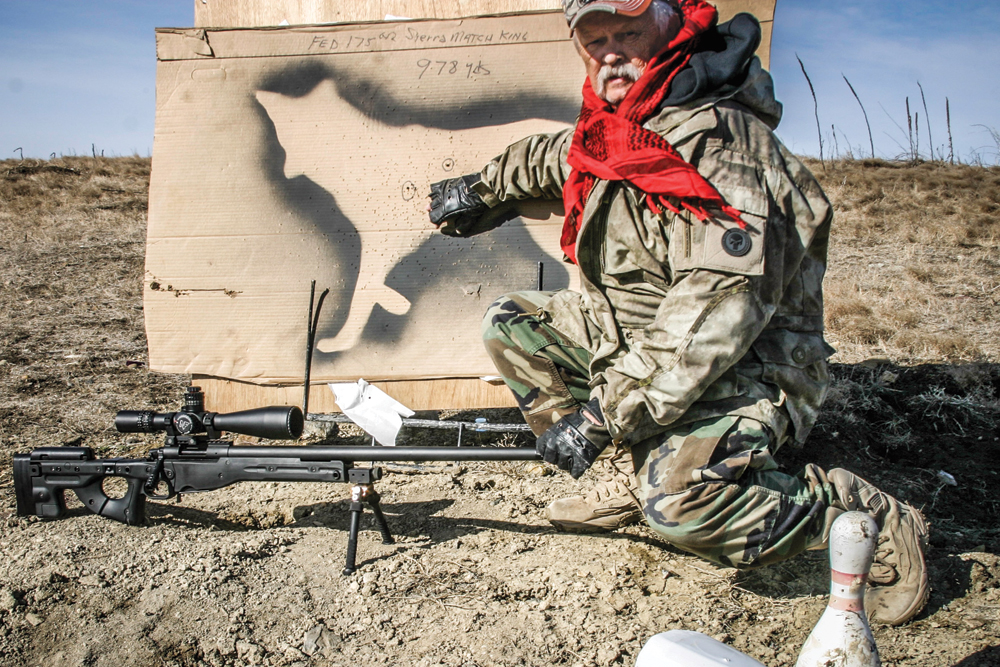
With the first two rounds of Lake City 168-grain sent at the 400-yard target, my self-generated firing solutions indicated a 1.5 Mil holdover on the target center. The two shots had been good in terms of the vertical line but hit just off to the left side of the prairie dog target. This was important because those first rounds at extended ranges answer questions of whether the shooter has the correct dope in terms of proper elevation. Now with a 1/10 Mil right-turn click against the full-value wind, the next three rounds sent home developed a nice 2.5-inch group on the paper dog’s body. I had been throwing cartridges one at a time into the rifle and simply sending the bolt forward as the push feed system. Without question the smooth feeding action did its job, and chambered every round in style.
Pushing 1,000 Yards
The 800-yard marker had been a solid target-ranging point to look the system over before taking on the final longer-range steel target shooting. After writing three books on long-range shooting and working with and interviewing both law enforcement and military snipers alike during the past five years, I have learned that the .308 is quite capable of showing the rifleman some strange behavior after 800 yards, and I was skeptical at best. At that 800-yard range, the bullet is falling 196 inches, or 16.33 feet out of the sky, and the 1,000-yard push drops the little 168-grain pill by a full 386 inches (32 feet). That, my friends, is “indirect” fire at best. Both field artillery and long-range shooting have a good deal in common it would seem. Because the .308 is about sleeping after 800 yards downrange at sea level, it indeed can make some strong turns before finding its target.
Parting Shots
Optics
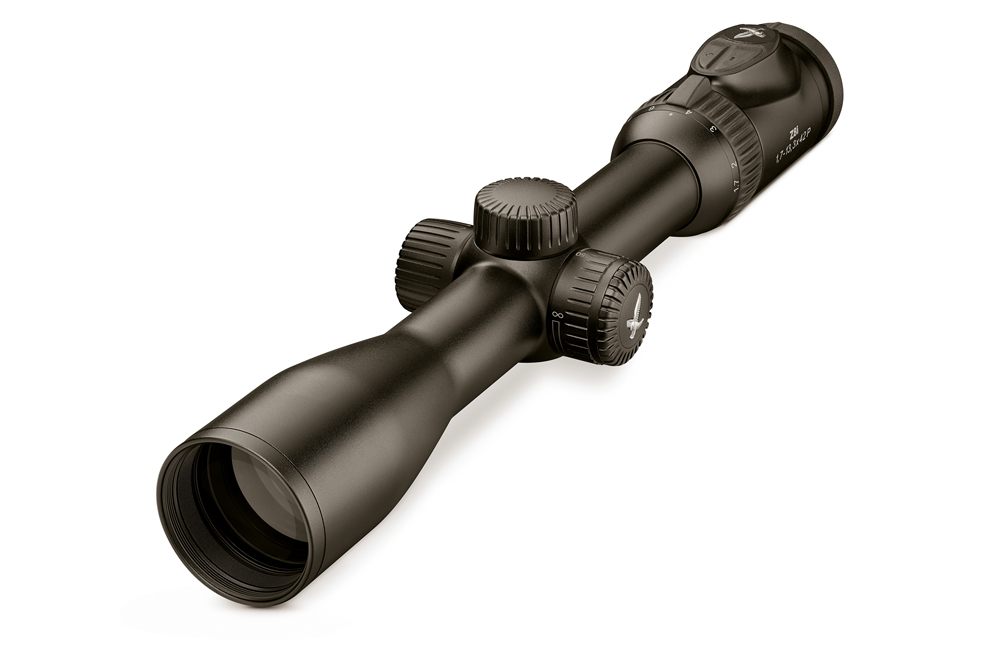
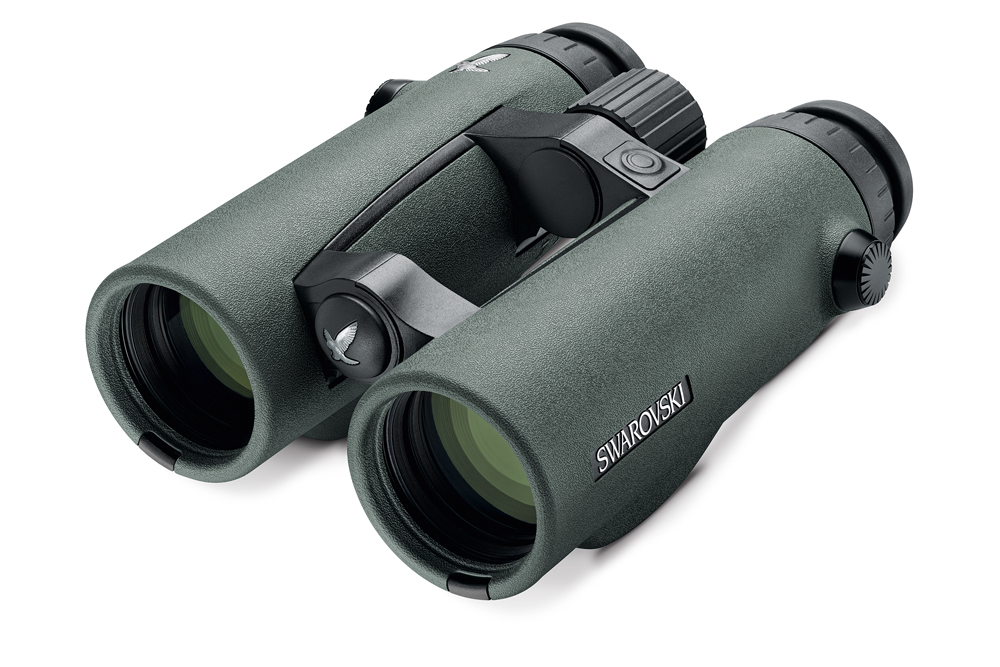
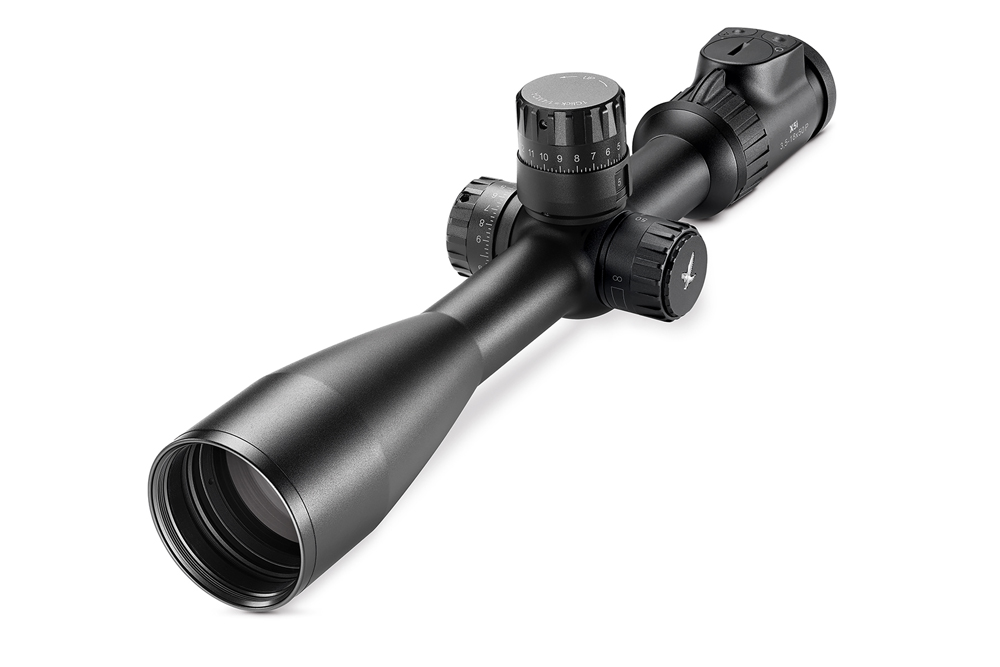
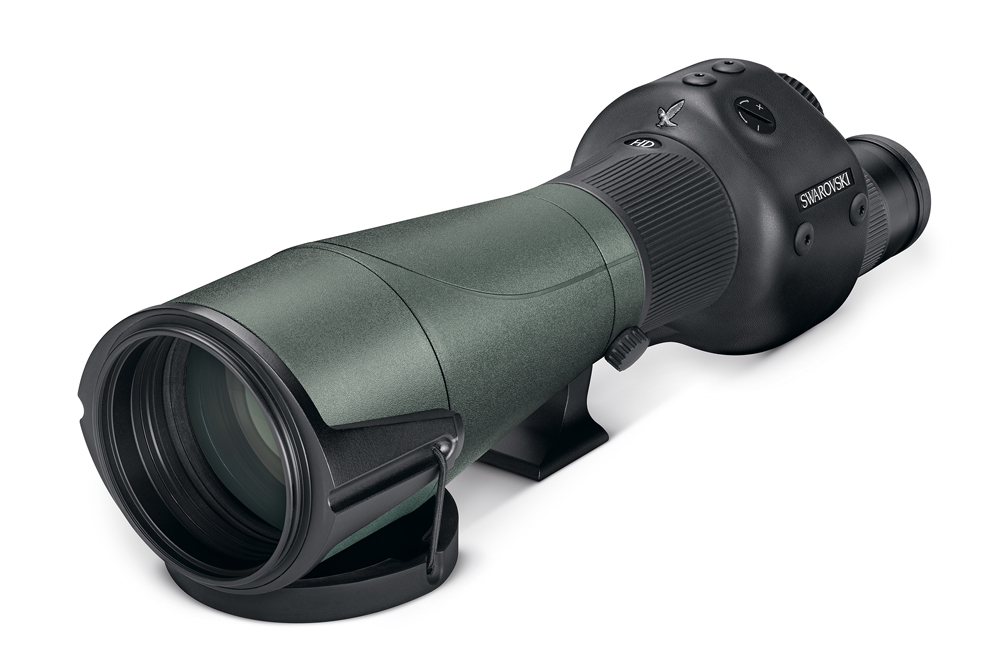
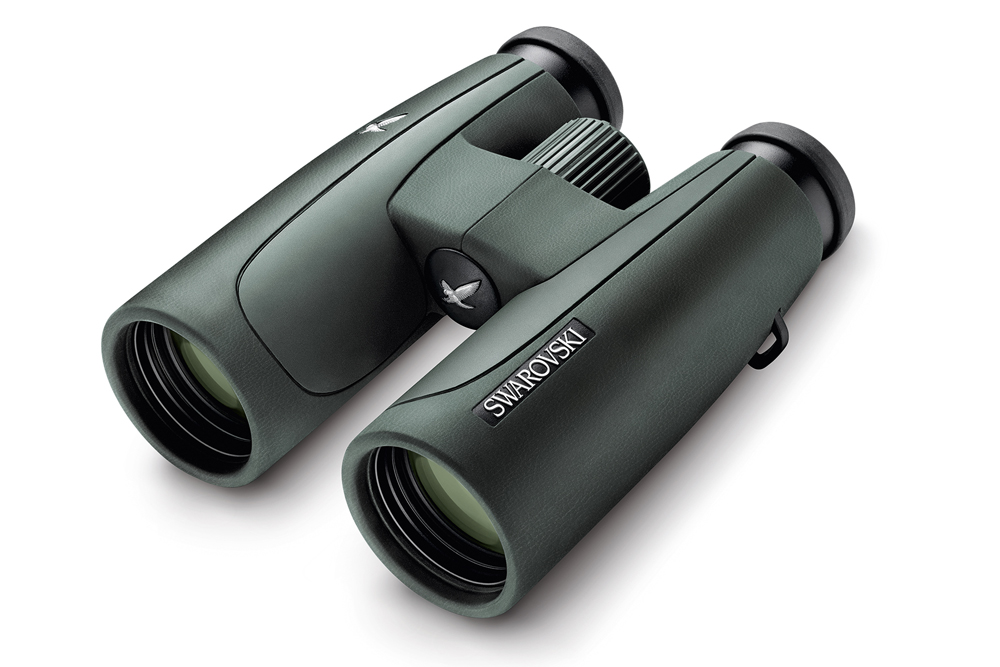
Swarovski Optik of Austria continues to set the standard for high-end binoculars, rifle and spotting scopes. Here are five Swarovski optics that will change the way you look at the world.
Swarovski Optik was founded in Austria in 1949, and since that time, the company has remained one of the preeminent optic manufacturers in the world. Swarovski optics aren’t cheap, but to those who understand the value of top-end glass, little else will do. Every element of the manufacturer’s products, from materials selection to construction to fit and finish, is excellent. And, over the years, I have realized that it isn’t just those with lots of disposable income who choose their products despite the price tag. Serious long-range shooters, professional hunters and wildlife biologists all spend a little extra cash because they want glass that provides the best clarity across a wide range of light conditions. Swarovski optics last for a lifetime, not a few years, and if you do encounter a problem, the company’s customer service is as good as its optics.
Z8(i) Riflescope
EL Range Binoculars
X5(i) Riflescope
STR 80 Spotting Scope
SLC Binoculars
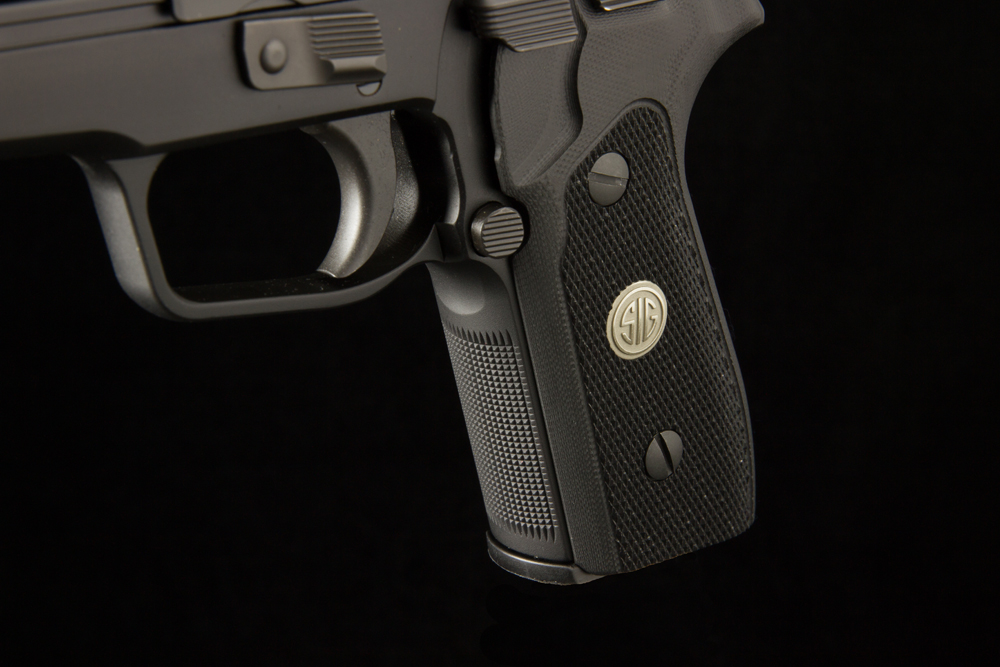
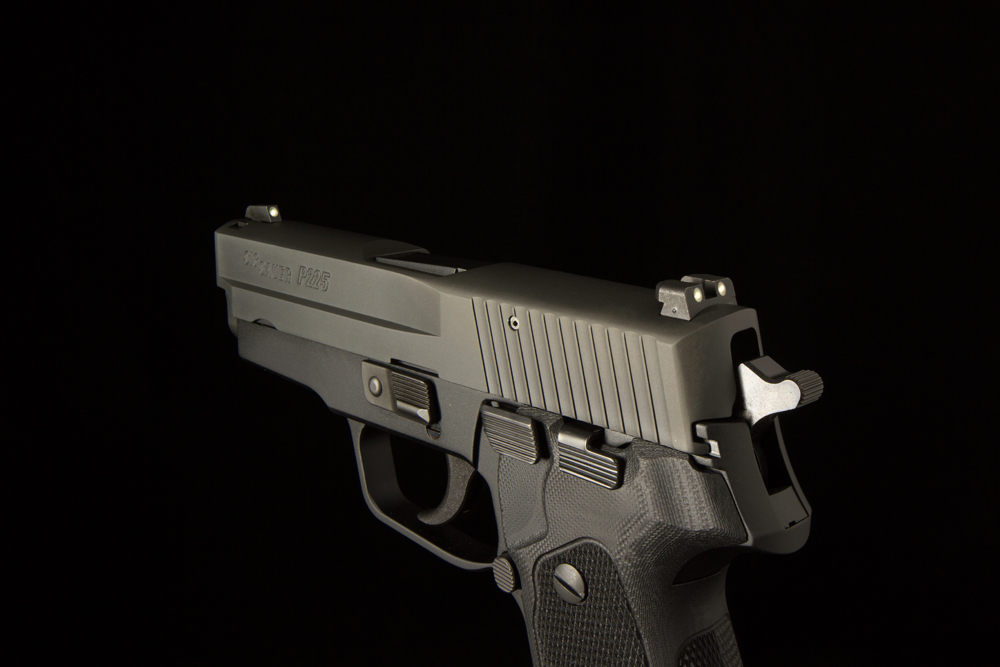
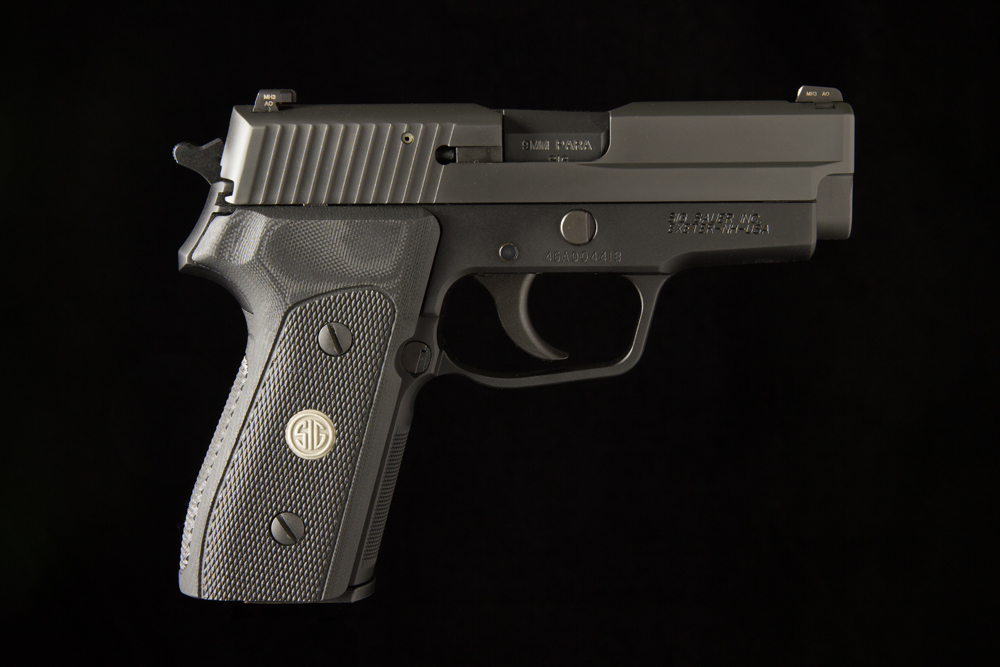
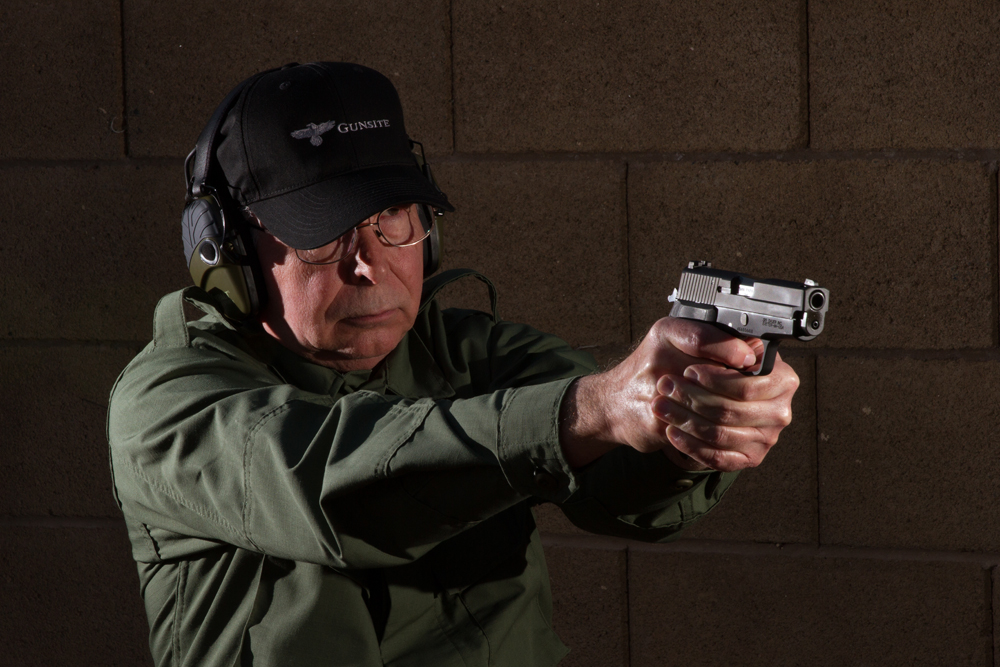
Although the original SIG P225 was made only in Europe, the new and improved SIG P225-A1 is made in the U.S. According to
Details
Controls
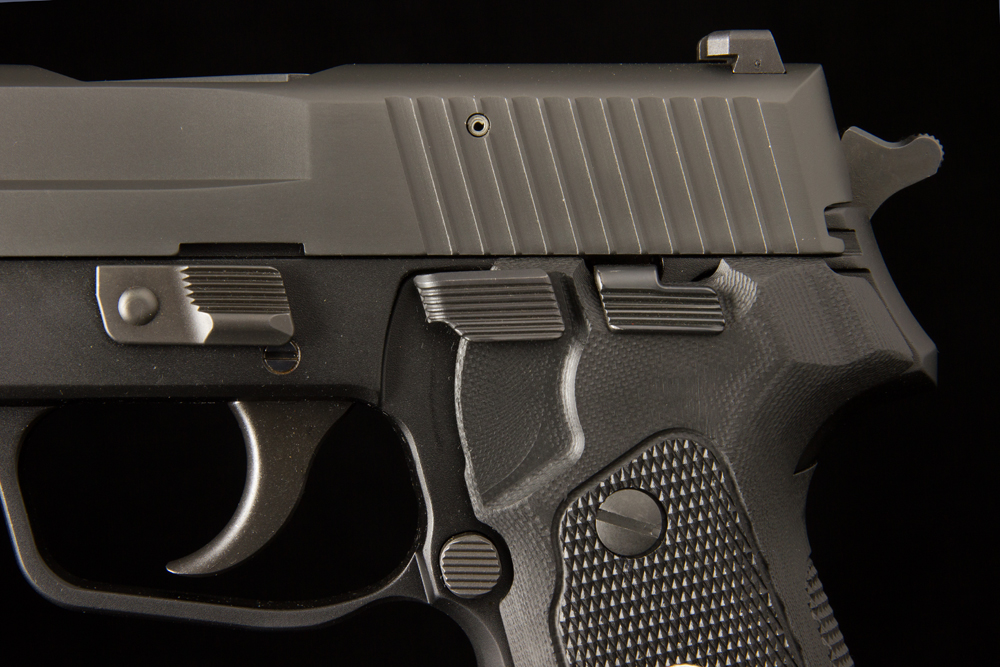
The alloy frame is nicely finished with a black hard coat anodizing. The two-piece grip panels are black G-10 manufactured for SIG by Hogue. Fastened by two screws on each side, they feature aggressive checkering on the sides and backstrap, and they are inlaid with an attractive silver SIG medallion on each side. The front strap has fine checkering, and most people will find the gun easy to grip firmly for good control.
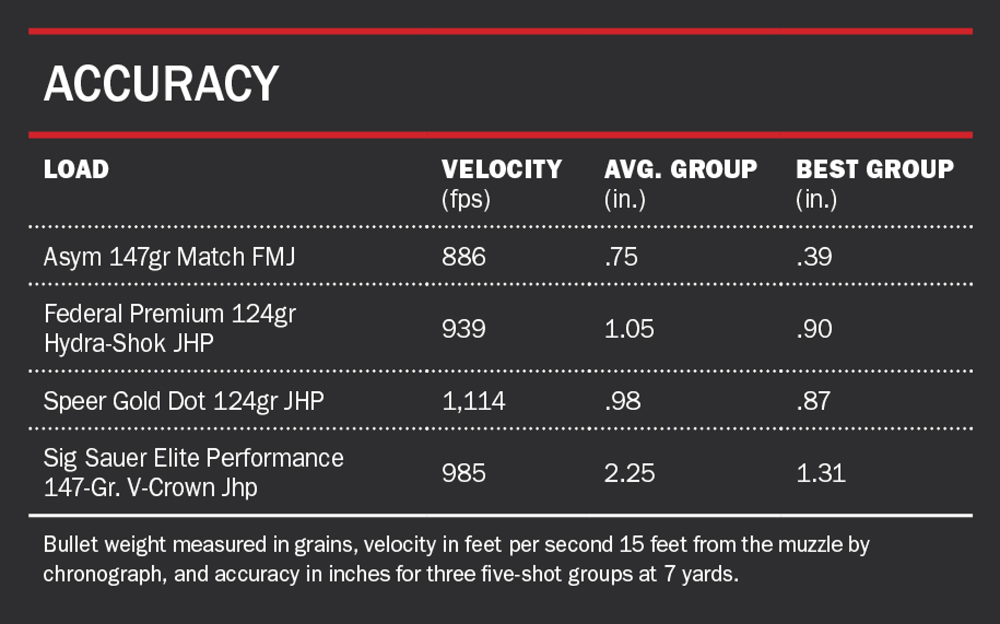
Test Fire
Some observers have questioned why SIG would reintroduce the P225 when the company already makes the P239, which is almost identical and costs about $130 less. The P225-A1 is 1 ounce heavier than the P239, and the guns are about the same size. The grip panels are slightly different, but the controls are the same. SIG obviously believes there is enough demand for the classic design to make producing it a profitable venture. And SIG makes few mistakes, so only time will tell. For more information, go to
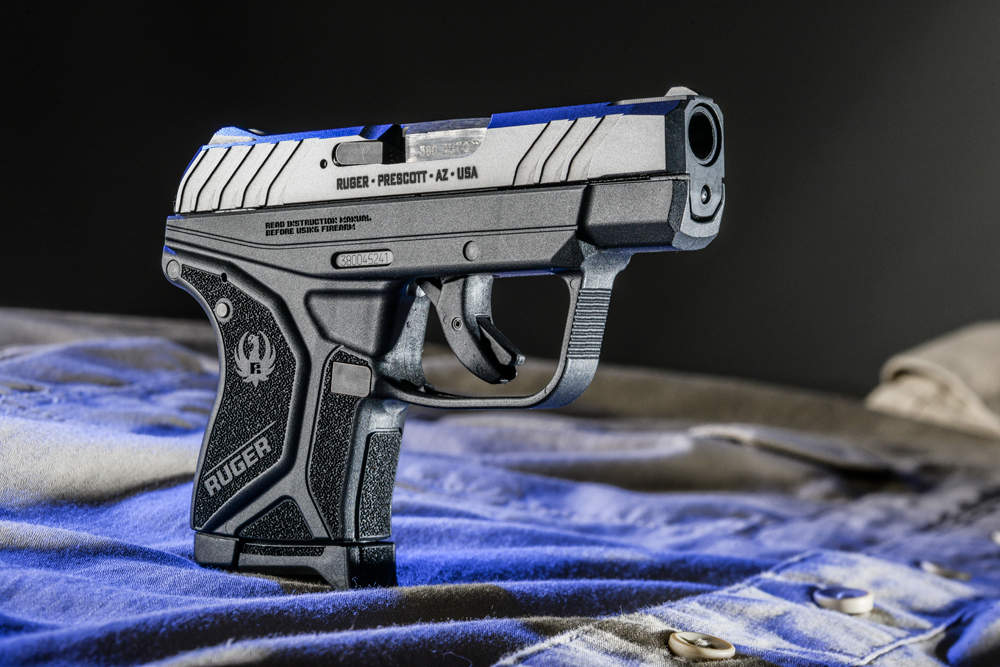
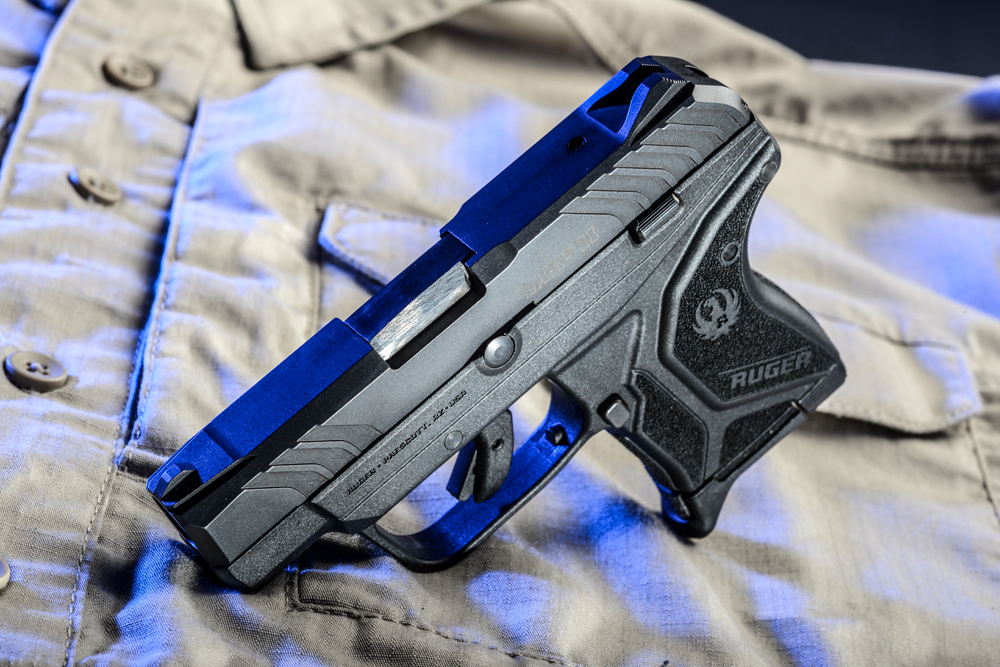
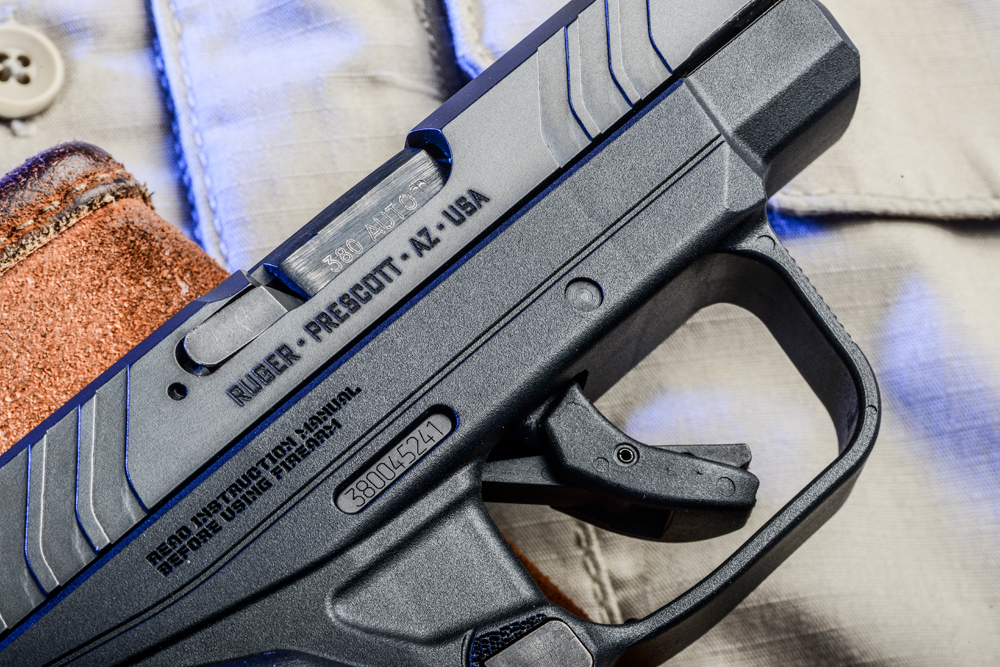
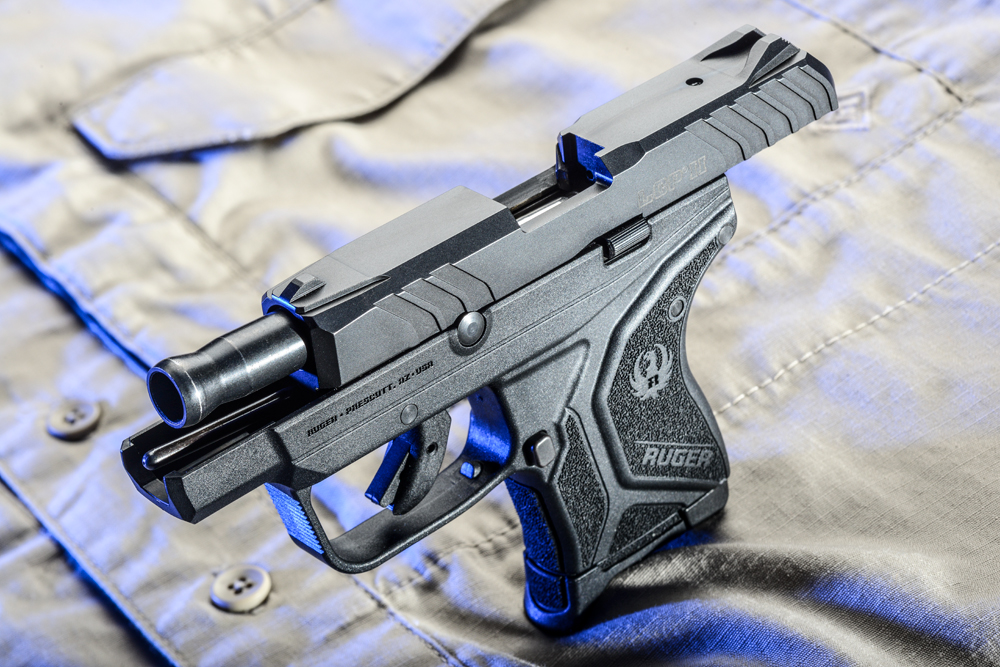
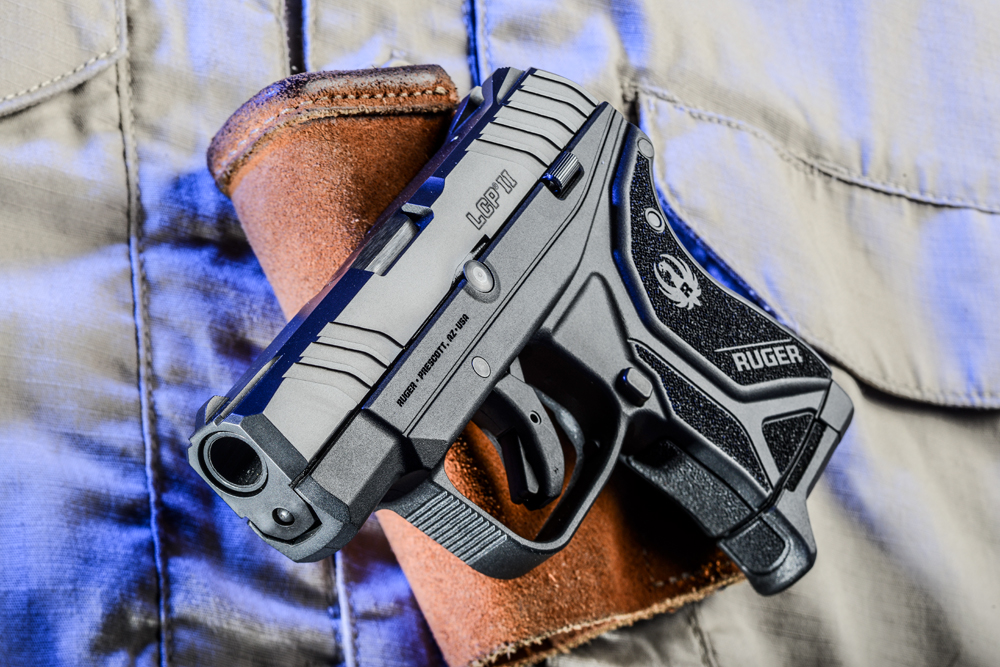
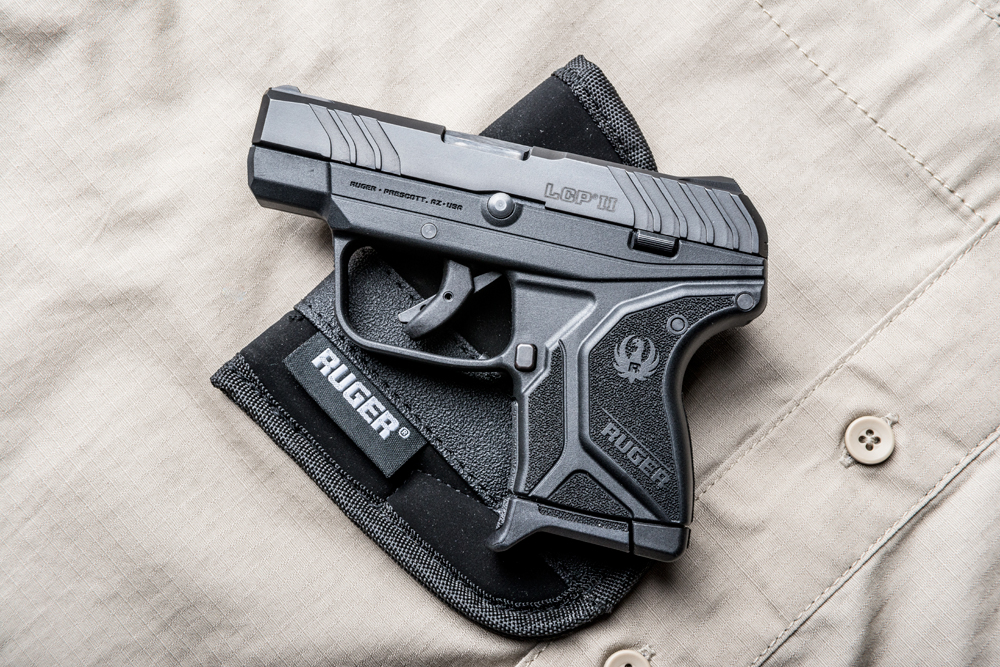
The new Ruger LCP II is an excellent .380 ACP pistol that’s easily concealed, has some great features and is a solid shooter.
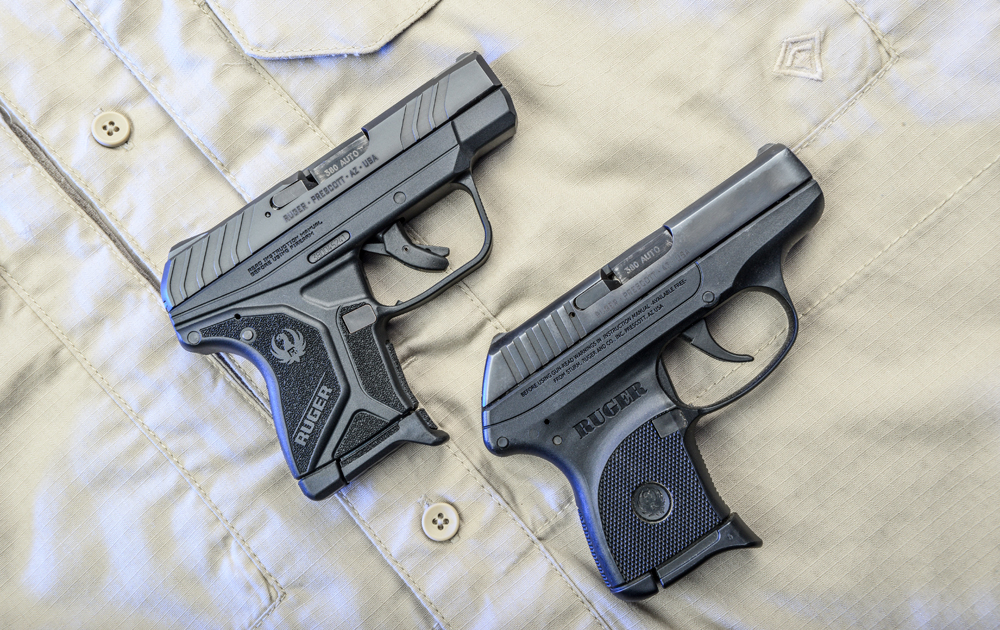
In the process of writing The Gun Digest Book of Concealed Carry Handguns, I reviewed the three most popular .380 sub-compact semi-auto concealed carry pistols. The guns I chose for the test were the Ruger LCP, the S&W Bodyguard and the Glock 42. While all were similar as sub-compact .380s, the three guns revealed a noticeable difference in approach to the same issue. The LCP was certainly the smallest and lightest, but with tiny sights and a challenging trigger. The Bodyguard was a bit larger, still with a long stroke trigger, but was a full featured semi-auto with a slide that locked back on the last round and sights that were more usable at a slight cost in concealability. The Glock was simply a sized-down version of the standard Glock product with all the features of any other Glock, smaller, but hardly a miniscule pistol. As a result, the Glock was easy to shoot, the Ruger was easy to hide and I chose the Bodyguard because it had slide lock and second strike capability.
Striker-Fired Trigger in a Hammer Gun
The next improvement is slide lock on the last round. The original LCP had a manual slide lock, and though it was a bit difficult for anyone with sausage fingers, it was functional. The LCP II locks the slide back on the last round, decreasing the time required for a reload by what would seem eons if it was required during a deadly force event. Fortunately, reloads for civilians in defensive situations are almost non-existent, but it’s still a great feature.
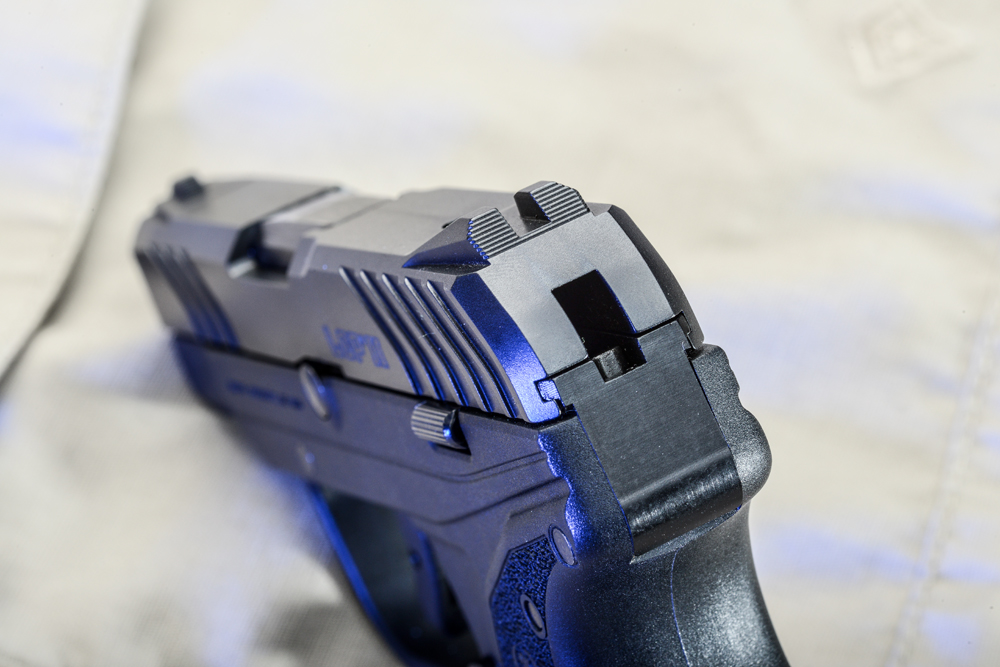
The third major improvement was in the sights. On the original model, the sights looked like they might have been an afterthought. They were tiny, but in good light, they worked well enough to produce silver dollar sized groups at 7 yards. The sights on the LCP II are substantially larger, though still smaller than the almost-full-sized sights on a Glock 42. These three improvements cover every area of concern I’ve heard about the original LCP and at a cost of about 1 ounce of weight and $90.00. The MSRP of $349.00 is very competitive in the sub-compact pistol market. Still, Ruger is betting the $259.00 price, and slightly lighter weight, merits keeping the original LCP in the catalog.
Range Impressions
The Fix Is In

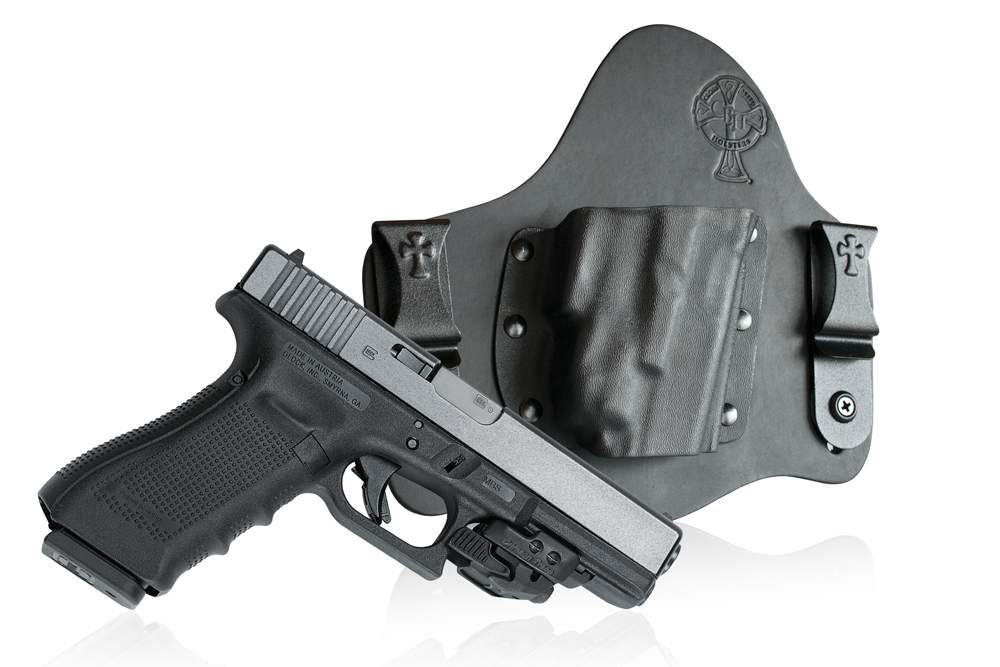
CrossBreed Holsters is now offering several new fits for its flagship SuperTuck IWB line designed to accommodate Crimson Trace’s Rail Master laser sight.


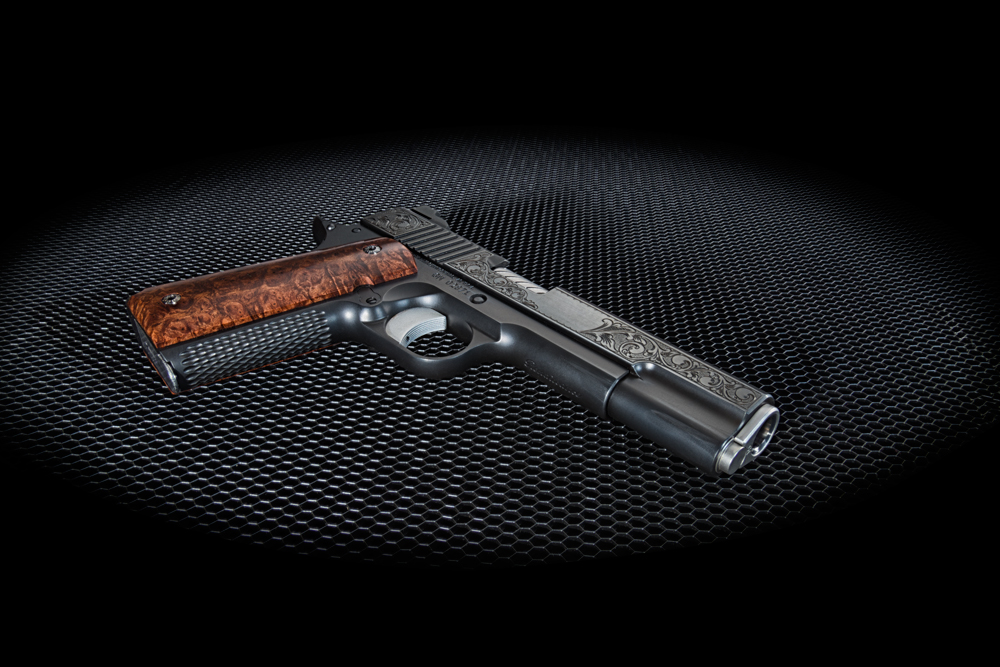
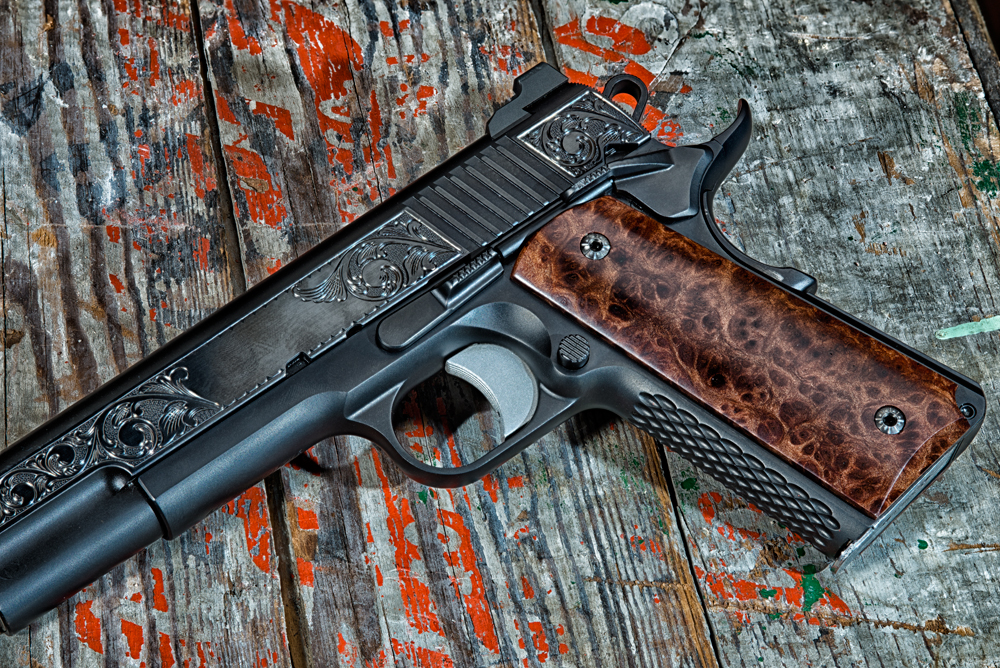
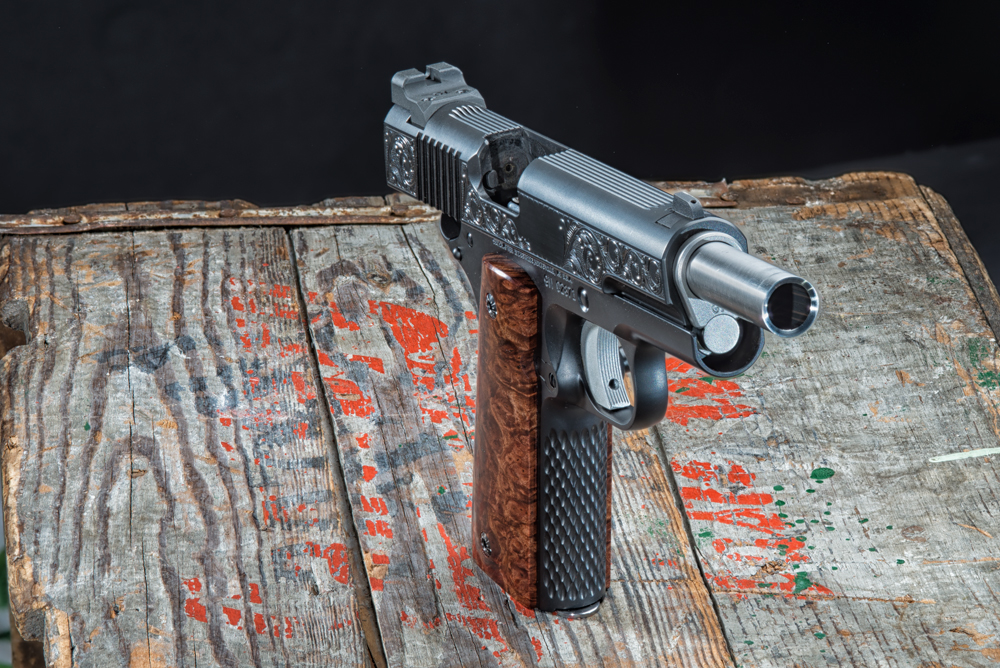
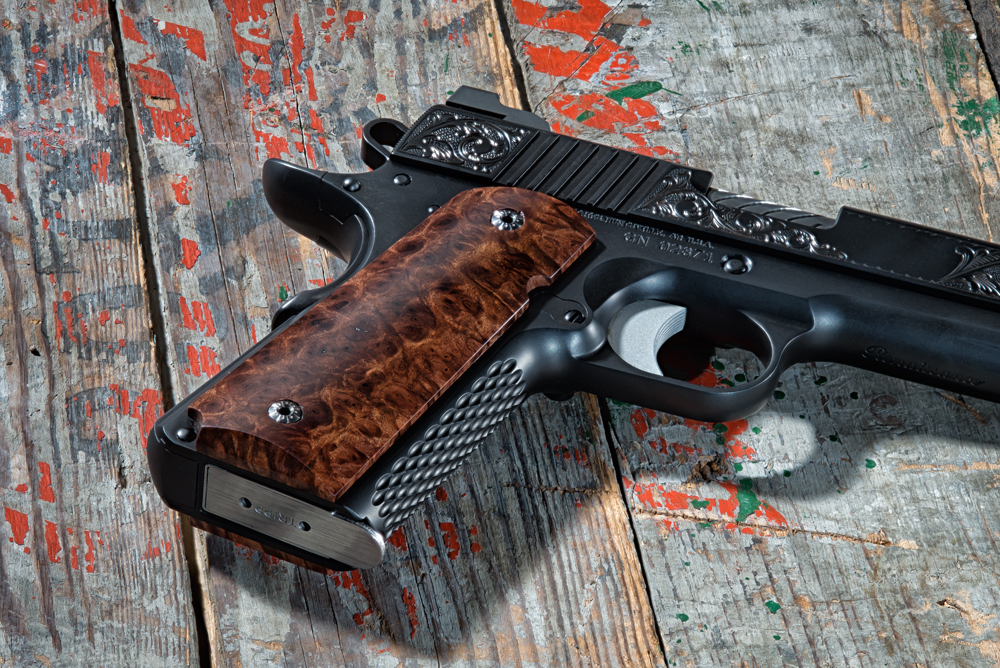
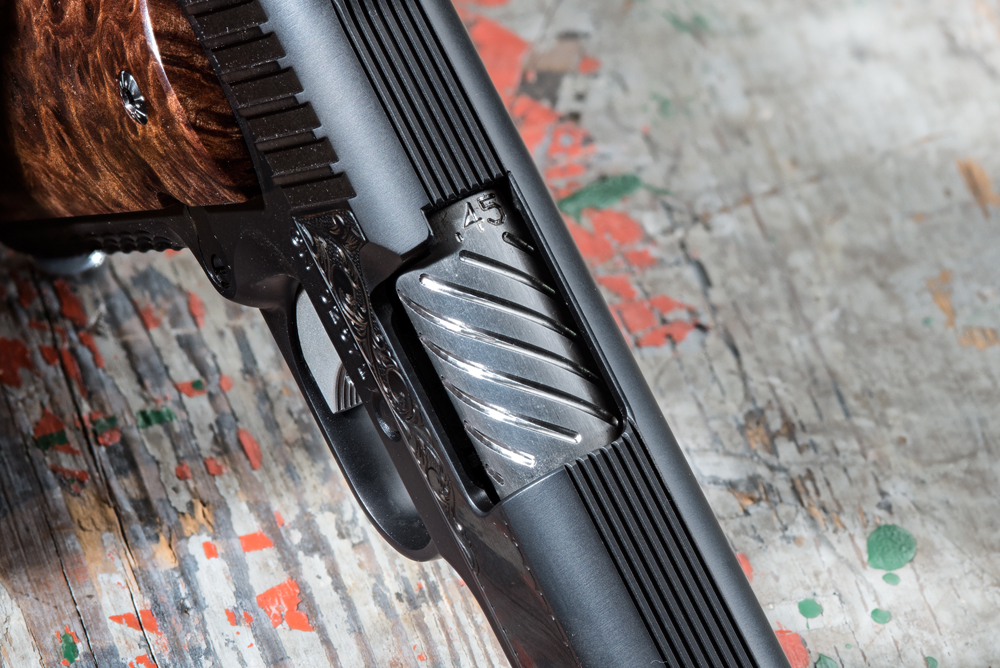
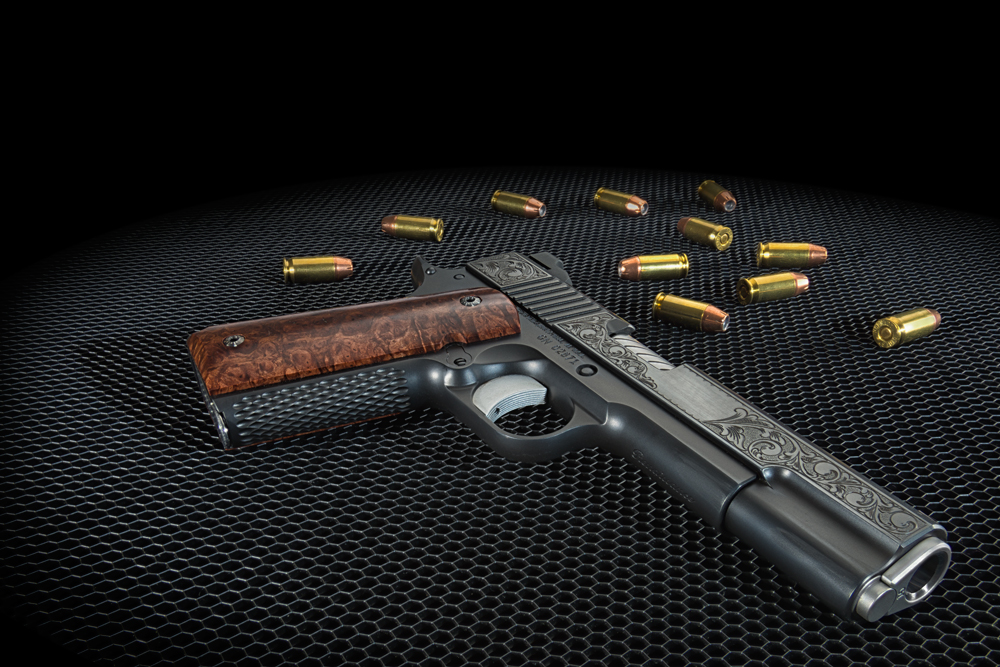
The new Guncrafter Industries Renaissance represents the American manufacturer’s top-of-the-line 1911, and as such, it is both highly functional and quite elegant.
Having said this, the popularity of the 1911 continues in spite of polymer frames, passive safety systems, double-stack magazines and reduced weight. While modern striker-fired designs may in some ways be better, they aren’t 1911s and have no romance. Any sane person would agree that a Toyota Prius is a very functional car, but many of us (including myself) would rather be driving a V8 Mustang with a manual transmission. In fact, I do drive a V8 Mustang with a manual transmission.
A Reputation for Quality
A Heritage of Competition
Not Just a Pretty Face
More Than the Sum of Its Parts![Best Concealed Carry Guns In 2026 [Field Tested] Wilson Combat EDC X9S 1](https://gundigest.com/wp-content/uploads/Wilson-Combat-EDC-X9S-1-324x160.jpg)


![Best 9mm Carbine: Affordable PCCs [Tested] Ruger Carbine Shooting](https://gundigest.com/wp-content/uploads/Ruger-Carbine-Shooting-100x70.jpg)
![Best AR-15: Top Options Available Today [Field Tested] Harrington and Richardson PSA XM177E2 feature](https://gundigest.com/wp-content/uploads/Harrington-and-Richardson-PSA-XM177E2-feature-100x70.jpg)