
Home Blog Page 244

Can You Pass This Refrigerator Food Safety Quiz?

0

Food Safety Quiz

Refrigerator-Food-Safety-QuizAre you ready for the great refrigerator food safety quiz? People always seem to ask me questions about refrigerator storage of their food.

Here are some of the questions that seem to come up in conversation on a more regular basis and more importantly, the answers.

The answers to the food safety quiz are at the bottom. Quiz your family and friends, too.

Food Safety Quiz Questions

Q1: If I opened a package of beef bologna a week ago Monday and the date on the package is two months away so how long is it good for?

Q2: What types of food should I store in the door?

Q3: What is the safe temperature range for a refrigerator?

Q4: What is an effective, economical way to cut down on refrigerator odors?

Q5: Is it okay to thaw meat in the meat drawer next to deli meats?

Q6: What are the differences between a “best buy”  date, a “use by” date and an expiration date?

Food Safety Quiz Answers

A1: According to USDA guidelines the lunchmeat is safe for 3-5 days.

A2: The temperatures in the door area are not as consistent as the main cavity of the refrigerator so it is best not to store foods that are perishable there. Use it for condiments, butter, hard cheeses, and soda not for eggs and milk.

A3: The safe temperature range for a refrigerator is somewhere between 32 degrees Fahrenheit and 40 degrees Fahrenheit.

A4: You can use an open box of baking soda in your refrigerator. Don’t forget you can easily use a cheap generic version of this product.

A5: No. You must make sure to keep all foods away from any chance contact with raw meats juices. I thaw out my sealed meat in a pie plate in the meat tray or in a deep bowl so it does not have any chance to leak.

A6: According to the USDA terms are defined as follows:

“Sell-By” tells a store how long to display the product for sale. It should be purchased before that date expires.

“Best if Used By” or “Best if Used Before” date is recommended for quality and is not a purchase or safety date.

“Use-By” date is the last date recommended for the use of the product while at peak quality. The date has been determined by the manufacturer of the product.


Top-Notch Gear and Resources

u0957

Happy Healthy Family

PowerPot

Aqua Vessel Insulated Filtration Bottle Black

Home Organization Tips for Preserved Food

0
Organize your homestead's preserved foods with a little planning ahead.

Since I can, dry and freeze my own food, and have for years, I have lots of home organization tips.

Because I do so much food preservation, I have had help from my father-in-law and gone to country auctions to get shelving and cupboards for storing my preserved foods. We have three chest freezers in our basement that are full by December every year, so I have a lot experience in freezer organization as well as dried food storage and canning jars.

Home Organization Tips: Dried Foods

I will start with what for me is the most straight forward: organizing dried foods. I freeze dried pizza sauce leathers and jerky in zippered freezer bags.

I divide up my dried foods into either vacuum sealed bags or vacuum sealed packets left on long strips for things I will be storing for a longer time.

I also put dried food into zippered storage bags based upon whether they are fruits, vegetables or herbs for shorter-term use.

I label everything with what it is and its born on date. I then put the little storage bags in larger clear zippered storage bags and put them in a dark place. I actually buy the ones that are available around Halloween for trick or treating after the holiday for not a lot of money. I store all of my dried foods in a cupboard.

Home Organization Tips: Canned Foods

Organizing my canned goods is easy. I purchased someone's vintage bright yellow painted canning cupboard at a country auction. We brought it home in the truck and I painted it white and refinished the doors.

The cabinet has six doors and thick shelves to support the weight of the canned goods. I also have a wooden shelf my wonderful father-in-law built for my basement to hold the weight of my canned goods.

The main point being that canned jars of food are very heavy when grouped together. You have to make sure to have strong shelving to stack them. I organize them by their contents with the foods I will use most frequently located upstairs and the foods I use less often downstairs. Canned food must be stored in a cool, dark environment. Make sure to label all foods with the year and its content.

Home Organization Tips: Frozen Foods

We have three chest freezers and designate each one for a specific kind of frozen food.

One is for meat, one is for veggies and fruits and one is for everything else. I use the huge zippered clear trick or treat bags to group the smaller serving-sized bags by fruits and veggies. This gives them an extra layer of protection in the freezer and it makes things easy to find.

General Home Organization Tips

Some overall home organization advice is to label everything with the date and content, keep the things you use most closest at hand and keep things in serving-sized portions.

If you make a chart when you preserve your food of how much of each type of food you need to preserve you can use that chart to keep an active inventory of what you have altogether.

I have dried food, canned food and frozen food and I intermingle them in my recipes and meal plans. I may open a quart of canned venison and put it in a large sauté pan, add some herbs, a jar of canned carrots, some frozen peas and 1/4-cup flour blended with some water to thicken it and serve it over egg noodles.

How easy is that? A hot meal made in 15-20 minutes during a work week makes my night better. With a little home organization and planning you can enjoy the same healthy convenience.


Top-Notch Gear and Resources

u0957

Happy Healthy Family

PowerPot

Aqua Vessel Insulated Filtration Bottle Black

Spoilage: 7 Reasons Your Food Preservation Won’t Work

0
Insects are just one of the seven causes of food spoilage.

Here are the seven causes of food spoilage — from insects to mold and oh so much more — and how they could ruin your food preservation efforts.

To begin to understand the six food preservation options (refrigeration, canning, pickling and fermenting, salting, drying and freezing) it is helpful to have a basic understanding of what causes food spoilage.

The primary contributors to food spoilage are:

  • Insects
  • Oxygen
  • Bacteria
  • Yeasts
  • Molds
  • Moisture Loss
  • Enzymes

Let's take a look at each one at a time.

Food Spoilage: Insects

Let’s start our discussion with insects. To store preserved food it is best to use metal, glass, and plastic food containers. Plastic bags or cardboard boxes can be more easily penetrated and infested.

Food Spoilage: Oxygen

Next, oxygen causes discoloration and can impact bacterial growth. Use airtight containers and wrap food tightly or vacuum seal to keep oxygen out of your food. Try to save things in qualities you will use so you do not keep exposing contents to oxygen.

Food Spoilage: Bacteria

Bacteria is also a cause of food spoilage. There are good bacteria that aid in fermentation but there are many bacteria that will make you sick. Keeping food preserved at the proper temperature in your refrigerator and freezer will help your food remain safe. Many bacteria need oxygen, so using vacuum sealing and canning to create a vacuum seal on your jar will keep oxygen out. Bacteria cannot grow in high acid foods but some can survive if they exist in the environment.

Food Spoilage: Yeasts

Yeasts can grow without air or with it. Food with yeast problems appear slimy, murky and can have scum. For some things like beer yeast can be beneficial but it can result in spoiled food. Yeasts like to grow in acid foods.

Food Spoilage: Enzymes

Enzymes are naturally in food. When we freeze or dry vegetables we blanch them to stop the enzymes from causing color changes, vitamin loss and loss of sugar content to mention just few things. Refrigeration does not kill enzymes but it does slow them down.

Food Spoilage: Moisture Loss

Foods lose moisture at higher temperatures so refrigeration is also a benefit for this source of spoilage.  Drying your foods of their moisture purposely with a dehydrator or oven will slow the growth of bacteria who grow rapidly in moist conditions.

Food Spoilage: Molds

Molds need oxygen to grow so removing air from preserved foods will reduce mold growth. Molds can be destroyed by heating food to 190 degrees Fahrenheit. Mold will spread its toxin if present at all through all of a food except hard cheese.

Healthy Living for Kids: Explaining the Truth About Food

0

Healthy-Living-for-Kids-Packaged-Meat

Healthy Living for Kids: The Food Fairy

It seems to me like the tooth fairy has a second cousin, and it's getting in the way of healthy living for kids. I like to call her the “food fairy” because she, like many other fairies, is a myth.

The food fairy waves her magic wand and meat magically appears on a hermetically sealed, foam tray. These trays come in many fancy colors: blue, pink, red, white just to add a little excitement. The packages are lined up in festive refrigerated cases with flashy advertising around them in displays about as far removed from the product’s origin as possible.

Healthy Living for Kids: The Truth About Food

This work of fiction is what most children see as the origin of their food. I prefer my children to understand the reality of where their meat comes from so they can truly appreciate the sacrifice of the animal they are eating. It is a wisdom that impacts them every day of their life, and contributes to informed and healthy living for kids of all ages.

Healthy Living for Kids: Lead by Example

We eat chickens butchered at home. We eat venison that we pull from the woods, field dress, and hang up on a pulley system in our garage.

My kids see the animals that become their meal and they are better for it because they understand how hard their mom and dad have to work for it.

There is a sense of responsibility and value that just grabbing a package of chicken at the store the way one grabs a quart of ice cream can never bring.

They understand that it is what helps sustain them over the cold winter and are thankful.

We also have a huge garden. My kids know that their food gets wet from rain, gets nutrients from the soil, and is weeded everyday by the whole family.

When it gets on their plate, in their eyes it represents both nature and nurture in memory form.

Food is not a source for a little sticker from Mexico or farther away to add to their collection.

Healthy Living for Kids: Start Early

My husband, Dan, and I have tried to instill our food value feelings in our children since they were born. They have seen both mom and dad go hunting. They have seen both mom and dad in the garden. We make sure they are not only exposed to the reality of where food comes from, but are active participants in what ends up in their stomach.

It is nice to know that if the food fairy can’t come to the grocery store there is a freezer full of food in our house and a pantry full of jars and dried foods to go with it. That's true healthy living. For kids. For families. For everyone.


Top-Notch Gear and Resources

u0957

Happy Healthy Family

PowerPot

Aqua Vessel Insulated Filtration Bottle Black

Tips to Save Money on Food

0
Use these self-sufficiency and homesteading tips to save money on food.

I am a woman who prefers to cook from scratch. I have loved cooking since I was a kid and hope my children follow the same path.

To me, knowing how to do things from scratch is a primary way to save money on food. You pay for convenience.

Conversely, you save money on food by spending your time doing things for yourself.

How to Save Money on Food at Home

Determine which foods you use are the most expensive to buy. Purchase them when they are in season or grow them yourself and preserve them. Start with things you need in bulk, for example, tomato sauces.

I raise about 30 tomato plants a year. To save money I start them from seed myself. I actually start almost everything in my garden myself from seed because while it is cheaper to buy plants than buy produce, it is cheaper yet to start the whole cycle from seed to table yourself.

Starting things from seed enables you to pick high-yield varieties with shorter growing times. If you have a small greenhouse like I do, you prolong your harvest season by starting to grow things from seed like cucumbers, melons, peppers, summer squash, tomatoes, etc.

How to Save Money on Food at the Grocery Store

When you buy items at the store stock up on things that will store for longer periods of time when they are on sale like pasta. Stock up on basic canned produce like diced tomatoes you can use for many purposes.

I dry lots of vegetable and use them to make cream soups, in stews, chili, dips, salad dressings and casseroles like scalloped potatoes. I grow herbs myself and dry and freeze them to use throughout the year. They tend to be expensive at the store.

When I can get bulk blueberries and peaches I can them for pie filling and make my crust from scratch. You can make-ahead dry ingredient bags for pancakes, waffles, breads, cakes, pizza crust and cookies. I make spaghetti sauce, dehydrate it on fruit roll trays, freeze the dry product to put on pizza and use in lasagna. I make pizza and freeze it to cook later. I make large batches of cookies and freeze part of the batch to have at a later time.

Once you know how much you need to have on hand in preserved food, you can supplement that with smart store buying and really come out ahead. If you have a busy lifestyle and quick-fix meals you can get there with preserved foods.

One of my favorite meals is canned venison over extra-wide egg noodles. I crack open a can of meat and throw in some canned beans and carrots. I boil it for 10 minutes because of the canned beans, check the seasoning, thicken with 1/4 cup flour and pour it over a bed of egg noodles. It doesn’t get much easier than that to put a meal on the table. All the cutting, peeling and chopping has already occurred and it is like I am eating at a great restaurant.

We grow our own onions which we turn into onion rings. We then freeze any leftover onions chopped before they can get rotten and I use them all winter for cooking in soups and casseroles. The key to saving money on food is good planning so you know how much you need to have on hand of meats, fruits and veggies to feed your family. Then you should look at achieving that goal from the cost and storage stand point.

If you do the planning you will be able to save money on food to its maximum potential.


PowerPot

From rolling blackouts to hurricanes, floods to tornadoes, power can go out at a moment's notice. If the grid fails, the PowerPot will keep you charging! The PowerPot thermoelectric generator converts any heat source directly into power that charges your USB handheld devices. Get Yours Now

How to Hunt Deer for Self-Sufficiency

0
If you know how to hunt deer, you’re well on your way to providing a self-sufficient source of animal protein.

Weights and Measures

It takes 200 pounds of meat to feed a family of four for a year. If you can kill deer, you can easily account for 150 pounds of that total with venison. You can then supplement the other 50 pounds with small game.

How to Hunt Deer: Location

You will need to find a place to hunt, either public or private. If you plan on butchering yourself, you need to make sure you have the proper equipment and adequate space. You must keep your game under 40-degrees Fahrenheit and out of the rain and other moisture to avoid meat spoilage.

Learn How to Hunt Deer

Like most types of subsistence food acquisition, research and scouting will help you achieve your goal. There are many great books on hunting public land, but one of my favorites is, of course, my husband’s Whitetail Wisdom book.

Published 10 years ago and still on Amazon’s best-seller list, the book crams Dan’s decades of deer hunting experience and insights from his time as editor of Deer & Deer Hunting into a very useful handbook for learning how to hunt deer. If you’re not a hunter, it will teach you the ropes of how to hunt deer. And if you’re a season veteran, it will dispel many of the longtime hunting myths that cause many of the struggles hunters face when pursuing pressured animals.

How to Cook Venison

There are many great ways to cook deer meat. My book, Venison Wisdom Cookbook, is full of down-to-earth, family friendly recipes. Some people think that having to plan their meals with frozen or canned meat is difficult.


This is the Best Venison Jerky Recipe You'll Ever Find


It really is just a matter of knowing what you have to use in your freezer.  I indexed the venison cookbook based on cut of meat so if you have hamburger to use then you can just turn to the hamburger section and there will be a list of great recipes to try.

Anyone can cook game meat. Don’t let the fact that you have hunted it in the woods instead of bringing it home on a Styrofoam tray make you feel intimidated. Instead, let it make you feel invigorated for the great gift you have provided to your family.

Video: Knife Sheath DIY Survival Kit

0

Those Altoid tin survival kits can be handy, but space restrictions mean carrying a more functional knife is out of the question. Is there a way to combine the best of the mini survival kits with the workhorse of a fixed blade knife?

Yes, as survival authority Jim Cobb shows in the video above. His knife sheath DIY survival kit strategy combines the portability of small kits with the utility of a knife.

This technique would work perfectly as an outdoor survival kit, a travel survival kit, emergency kits for cars, camping survival kits or even a fun project as survival kits for kids (with proper adult supervision, of course).

Putting Together a Knife Sheath DIY Survival Kit

Cobb first made a couple Altoid mini survival kits  before attaching a camera pouch to a large knife sheath. The tins slip nicely inside the camera pouch. Additional compartments in the pouch can hold a number of other helpful items.

Cobb points out these items in his knife sheath DIY survival kit:

Tinder tabs
LED light x2
Snare wire
Over-the-counter pain relief and caffeine tablets
Butane lighter
Signal whistle
Small folding knife x2
Button compass
Can opener
Magnesium fire striker
Water purification tablets
Bandages
Signal mirror
Paracord (18 feet)

Knife Sheath DIY Survival Kit: Considerations

As Cobb mentions in the video, adding the DIY survival kit makes the sheath heavier to carry. It might be better to wear the sheath on a shoulder instead of on a belt.


Arm Yourself With Knowledge

u5083

SAS Survival Handbook

Coleman 4D XPS LED Duo Lantern

Special Forces Survival Guide

5 Tips for Where to Build Survival Shelters

0
There are lots of survival shelter designs out there, but ideally they should all be located according to these five tips.

Editor's note: The first step in knowing how to build a survival shelter is to choose a location. These tips from Creek Stewart in his new book, The Unofficial Hunger Games Wilderness Survival Guide, might seem obvious at first, but don't blow them off. In a survival situation, your mind might be racing and not thinking clearly. Fall back on what you've learned to save time and energy.

There are many survival shelter designs, but ideally they should be situated according to the following criteria. Then a fire can be built, water can be boiled and the odds of survival go way up. ~Ben

Survival Shelter Location Consideration #1: Dry

No matter what kind of weather, region, or environment you find yourself in, you must choose the driest possible shelter site. Wet and/or moist shelters kill people. If you are wet, you can develop hypothermia.

Remember, water travels downhill so, typically, elevated areas are drier. Southward-facing site locations are also drier because they receive sunlight as the sun travels east to west.

Survival Shelter Location Consideration #2: Away from Hazards

Flash flood areas mentioned above are prime examples of naturally hazardous areas. Other well-known hazards include:

  • Poisonous plants
  • Stinging or biting insects
  • Rock cliffs
  • Large, dead tree limbs overhead

Survival Shelter Location Consideration #3: Close to Resources

You need some resources to meet your basic survival needs. Make sure you have access to:

  • Water
  • Building materials
  • Fuel for fire

Survival Shelter Location Consideration #4: Meets Purpose of Shelter

The survival shelter designs you choose should be heavily influenced by why you need a shelter. What is the purpose of your shelter?

There are no black-and-white rules to shelter configurations. Every scenario is different, which is why it’s absolutely critical that you be able to improvise.

However, learning some basic shelter configurations for a variety of scenarios will give you a knowledge base to work from. Your creativity and on-hand resources will fill in the blanks.

Survival Shelter Location Consideration #5: Energy Conservation

Energy conservation should be at the forefront of every survival decision you make—especially shelter. Building even a simple survival shelter can be a very labor-intensive task.

I’ve worked eight hours of back-breaking labor building cold-weather debris huts that, in the end, gave me only the bare minimum shelter I needed. Working like this spends thousands of calories, and that will eventually catch up with you.

I’m not suggesting that you be lazy, but rather make intelligent decisions that help you save time and energy. Try to develop a partnership with Mother Nature instead of working against her. Let her do some work for you if you can.

A Disturbing Fact About Traveler’s Diarrhea

0

What is Traveler's Diarrhea?

Travelers-DiarrheaTraveler's Diarrhea is a broad term for diarrhea contracted while traveling, most often associated with consuming contaminated foods or drink. This general definition could cover international, domestic or even local travel (to a neighborhood restaurant, for example).

Because remedies are readily available in the developed work, some may not take the illness seriously. But travelers at home, abroad or around the block need to be wary of the affliction at all times. Diarrhea can cause severe dehydration, which can kick off a host of other health concerns.

Traveler's Diarrhea: Prevention

As Vincent Zandri points out in his Living Ready University Online Course, Travel Safely Outside the Country, there are some common sense ways to avoid Traveler's Diarrhea no matter the location.

Zandri recommends avoiding ice from questionable establishments, watching for tap water being sold as bottled water and carrying a portable sterilizer, such as a SteriPen.

On the food front, Zandri says to trust your nose. If it doesn't look good to begin with, don't eat it. Remember that restaurants might serve food that looks safe, but the conditions in the kitchen could be appalling. Food served hot usually offers the best odds of a safe meal.

As a rule of thumb, remember the old traveler's rule of “boil it, cook it, peel it or forget it” when it comes to food.

Traveler's Diarrhea: The Disturbing Fact

Even if all the advice in Travel Safely Outside the Country is followed, that still might not be enough to prevent Traveler's Diarrhea. Here's why, according to information from the Centers for Disease Control and Prevention (CDC) found in the Living Ready University Online Course.

The earliest study that addressed the question of food and water precautions was published in 1973; it concluded that “drinking bottled liquids, and avoiding salads, raw vegetables, and unpeeled fruits failed to prevent illness.” In a study of returning travelers from Mexico and Peru published in 1978, in which >70% of travelers reported TD, the author noted that “avoidance of tap water, uncooked foods, and ice cubes did not make a difference in the outcome.”

In a famous study in 1983, a survey of over 10,000 travelers worldwide found not only that observing food and water precautions failed to prevent TD, but also that people who claimed that they exercised more caution were at increased risk of acquiring TD: “Diarrhea seemed to occur more frequently the more a person tried to elude it!”

That's right. Just by virtue of traveling outside your regular area (in or out of the country), your odds of contracting Traveler's Diarrhea go way up. So what can you do about it?

Traveler's Diarrhea: It's Not What, But Where

The CDC goes on to state that it's not what you eat or drink, but where you consume it that makes the difference. This is because food preparation conditions can vary.

From the CDC:

Some restaurants fail to provide sinks for employees to wash their hands after going to the toilet. Cutting boards may not be washed between cutting raw meat and peeling and cutting vegetables. Foods are cooked but then may be left to sit at ambient temperatures for extended periods of time because of a paucity of refrigerator space or power cuts.

Windows may not be screened to keep out flies. Defrosting meat can sit on a refrigerator shelf and drip juices on already cooked foods.

Again, this could happen while traveling in or out of the country. On your home turf, you know the best places to get safe food and drink. Away from home you don't. Your odds of Traveler's Diarrhea go up.

Traveler's Diarrhea: The New Rule of Thumb

That doesn't mean you should abandon common advice about Traveler's Diarrhea. Avoid tap water, eat cooked foods, etc. But the new rule of thumb is to either prepare the food yourself or to find out if where you are eating is truly offering safe food and drink.


Video: Make a Workplace Survival Kit

0

Why You Need a Workplace Survival Kit

Jim Cobb is back with another of his innovative survival kit ideas. This time he focuses on making a workplace survival kit.

No, his mini survival kit video isn't about navigating awkward water cooler discussions or office politics. The aim here is to have a pocket survival kit that can be carried to and from the workplace.

Workplace survival kits are an often overlooked part of emergency preparedness. In a given week, a person working full-time likely spends a high percentage of the day away from home (don't forget the commute). Home survival kits are great, but they don't carpool.

A full-blown disaster doesn't have to happen for workplace survival kits to become necessary. Severe weather could prevent employees from leaving. A power outage might make things uncomfortable. Sprinklers could drench employees as they exit because of fire. In the winter, that could be deadly.

Workplace Survival Kit Items

Here's Cobb's workplace emergency kit checklist from the video:

Candles
Lighter
Pen light
Small knife
Coins (money to use in vending machines)
Cash
Emergency blanket
Snack foods
Pain relievers & over-the-counter medicine
Emergency whistle
Batteries
Hand sanitizer
First Aid kit

Other items could include bottles of water, prescription meds, N95 face masks, extra clothing, a cell phone charger and anything else specific to the workplace location.

Your Workplace Survival Kits

Of course, every workplace survival kit will be different. This video is just to get you thinking. The only hard-and-fast rule is that something is better than nothing.

Have you made a workplace survival kit? What items did you include? Leave a note in the comments below.


Arm Yourself With Knowledge

u5083

SAS Survival Handbook

Coleman 4D XPS LED Duo Lantern

Special Forces Survival Guide

How to Make a Debris Hut

0

[slideshow_deploy id='216787′]

Editor's Note: This tutorial on how to make debris huts is excerpted from The Unofficial Hunger Games Wilderness Survival Guide book.

What is a Debris Hut?

Just as people use lightweight, fluffy insulation in their walls and attics to keep out the cold, we can keep cold away from our bodies by covering ourselves with forest debris — leaves, grasses, pine needles, cattail down – anything that resembles lightweight insulation material.

Like insulation, piles of dead leaves, grasses, and pine needles create dead air space. Dead air is air that is trapped within the debris. A layer of dead air helps keep cold air from reaching you from the outside and keeps your body heat next to your body instead of letting it escape.

Debris huts are simple to make. Make a huge pile of leaves and forest debris and crawl inside. Be sure to place some debris under you as well to prevent the cold earth from sucking the warmth out of you.

Remember when I talked about building emergency shelters near important resources? If you build a debris hut, you’ll want to be near lots of leaves, grasses, or pine needles. The great thing is that in cold months, when you need lots of dead leaves, Mother Nature helps you out by dropping them on the ground for you to scoop up.

How to Make a Debris Hut

A debris hut involves building a simple framework of sticks and then piling forest debris on top of it. It’s also important to stuff the inside with debris as well to help retain heat.

Here’s how I build a debris hut:

Step 1: Using two Y sticks and one long, center ridge pole, create a framework long enough to contain your body.

Step 2: Lean a framework of sticks against the center ridge pole 1″–3″ (3–8cm) apart to create a sturdy roof area.

Step 3: Pile on a bunch of smaller branches, briars, or brambles that will hold the debris in place as you dump it on.

Step 4: Keep piling until the frame is covered with 2'–3′ (1m) of debris – the more debris, the warmer the hut.

Step 5: Fill the inside with debris and crawl inside. Be sure to plug the door hole with debris to prevent heat loss out the front of the shelter.

Your Turn: Ever Made a Debris Hut?

What tips do you have for making debris huts? Post them in the comments section below.

Three Gun Myths That Need to Die

0

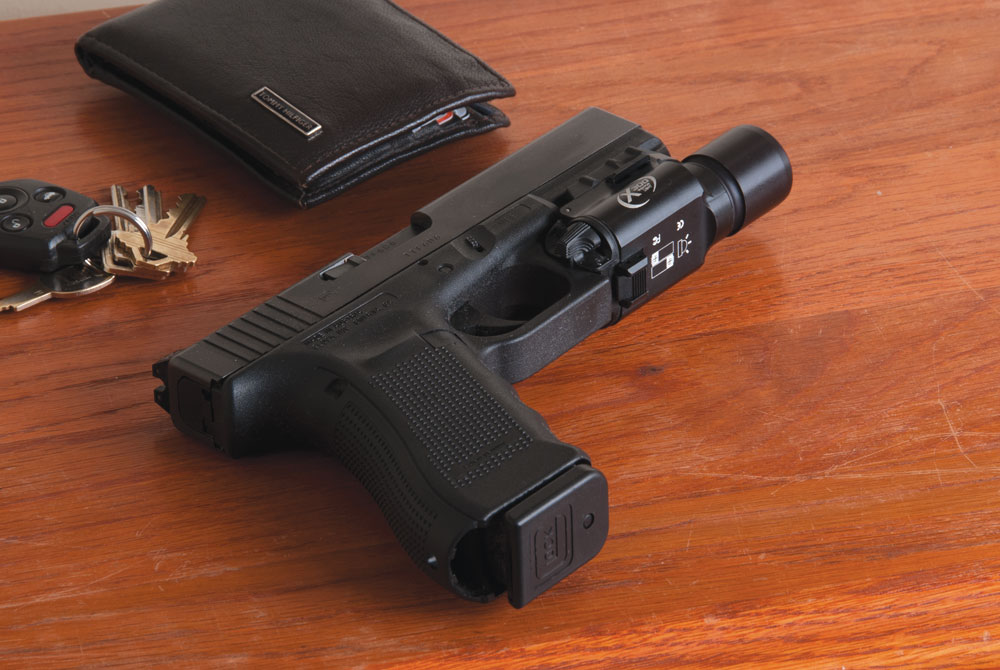
Gun-Myths

Editor's Note: This piece on gun myths was submitted by reader Joseph Terry. Terry is a retired law enforcement instructor who now offers tips for using firearms as a tool for preparedness.

It's important to stay level-headed with any element of preparedness, but it's especially true when it comes to firearms. There are plenty of assumptions about their use during personal protection encounters. Don't fall for the hype. If firearms are part of your preparedness plans, you owe it to yourself and your family to seek training from professionals.

~Ben

Three Gun Myths that Need to Die

by Joseph Terry

Guns come with a ton of mythology that can get you killed. Here I will bust three of the most common gun myths.

Gun Myth #1: It's Enough to Just Have a Gun for Personal Protection

Purchasing a firearm for personal protection when you don’t get adequately trained in its use is just like handing your kid the keys to the car without a driving class.

Think about the effective use of that firearm. It's the ability to deliver, in less than two seconds, two adequate projectiles into the center chest area of a person who has demonstrated the intent and capacity to do you lethal harm at distances of 10 feet to 25 yards.

Do that while you are so amped on adrenalin that you can’t see straight, take a deep breath or perform any fine motor functions.

Get the picture? A gun without effective and frequent training is a hollow threat.

Gun Myth #1 Solution

When you go to the gun store, don’t buy a gun (yet). Ask where you can get good training.

All serious shoot schools and gun clubs have “loaner” guns, and they are both friendly and effective at giving a beginner a good launch pad.

Before you buy any gun, get trained first in basic gun handling safety and see which guns seem to fit well in your hand and point naturally. (Pick a spot on the wall, close your eyes and point the gun at where you remember the spot to be. Open your eyes. If the gun is on-target, it fits you.)

Get the gun type that is most simple to operate and that fits you, then pick the caliber. Shot placement is much more important than what the gun shoots. Figure into the price of the gun the cost of 500 rounds of ammo for it. (It will take you not less than three hundred rounds to learn to shoot your gun.) Store the remainder of the ammo in a cool, dark place. Price and availability on ammunition will vary widely with the political winds. A gun without ammo is as useful as a microwave oven in a power outage.

It's also a good idea to take a concealed carry class if one is offered in your area.

Gun Myth #2: I Can Just Take My Gun Out and the Bad Guy Will Go Away

Do not point a gun at anybody unless you are legally justified to use lethal force. Train using verbal commands, such as, “Back off or I will shoot you.” And for goodness' sake, sound like you mean it.

Gun Myth #3: I’ve Shot My Gun, I Know How It Works

Think so? Let me tell you what basic firearms proficiency is as a police firearms instructor. It is the ability to consistently:

  1. Pick up the gun from a table and quickly confirm that it is unloaded, or safely unload it.
  2. Combat load (with a cartridge in the chamber and safety “on” if magazine fed).
  3. Holster or sling without looking.
  4. Draw the handgun or shoulder the weapon smoothly, in a good stance without endangering other shooters or bystanders.
  5. Demonstrate standing, kneeling, prone and barricade shooting positions.
  6. Aim using the sights properly and sweep the safety “off” (only after the gun is pointed on target).
  7. Engage multiple targets at varied distances appropriate for the firearm, then immediately return the weapon to “safe.”
  8. Reload while moving to another shooting position without looking at the gun or ammo pouches.
  9. Clear jams if they occur, smoothly and quickly, without losing sight of the target(s).
  10. Field strip, clean and return the firearm to whatever condition required by the instructor.

Gun Myth #3 Solution

Do that drill at least three times a year (which means you have to find a range that lets you move while you shoot) and guess what? You are still a “novice” defensive shooter.

Then, take a class at one of the many excellent schools that offer personal defensive shooting techniques and rise to the intermediate proficiency level.


Arm Yourself With Knowledge

u5083

SAS Survival Handbook

Coleman 4D XPS LED Duo Lantern

Special Forces Survival Guide

10 Water Purifying Tips for Wilderness Survival

0
Filter water before purifying it. In this example, a bandana is used to remove particles before purifying water in a metal container.

How do you purify water? Here are some quick tips for water purifying in wilderness survival situations.

Unlike snow, ice should be purified before drinking. This is because of the potentially dangerous contaminants frozen inside. (Watch what the snow is falling in or on, though.)

Turbid (murky) water has a drastic impact on the effectiveness of water purifying tablets. Your water must be clear and free of floating debris for water purifying tablets, or any other chemical treatment, to work. Filter the water before applying the chemical.

The same goes for using sunlight to purify water. Murky water contains particles that will block UVA sunlight from disinfecting. Clear water is best.

A sock, a bandana and a shirt are just a few quick makeshift water filters to use in a pinch.

Sycamore trees are a great indicator that water is nearby. Sycamores usually grow near water. Get to know how to identify their distinctive bark.

There are three kinds of biological contaminants to watch for in water: protozoan cysts (such as Giardia and Cryptosporidium), bacteria and viruses. Make sure any commercial product you buy, such as a water purifying straw, is capable of handling all three.

Keeping a pot of water stable over a fire can be tricky sometimes. Instead of managing a balancing act, heat rocks in the fire. Place the hot rocks in the water. This will boil the water. Don't place the rocks back in the fire for reheating, since doing so could drown the fire.

Sap from non-poisonous trees is drinkable and does not need to be purified. In a pinch, cut a V-shaped sap wedge a half-inch into the tree. The sap will seep to the bottom of the V. Placing a leaf at this intersection will act as a wick, and with a little finesse the sap will drip from the tip of the leaf into a container below.

When tapping a vine for water, make a slice in the vine about 5 to 6 feet above where you've cut it off. This helps to speed the flow. The cut acts as a breather valve, similar to one in a gas can.

After all that water purifying, don’t chug your water! Your kidneys can only process 8 fluid ounces (237ml) of water every 15 minutes. Pace yourself when rehydrating. Keeping with this schedule ensures the most efficient use of your precious water.

Editor's Note: These tips on how to purify water are excerpted from The Unofficial Hunger Games Wilderness Survival Guide.


Top-Notch Gear and Resources

u0957

Happy Healthy Family

PowerPot

Aqua Vessel Insulated Filtration Bottle Black

Disaster Preparedness: Living a Healthy Lifestyle is Key

0

Living-a-Healthy-Lifestyle

Living a Healthy Lifestyle Equals Disaster Preparedness

Disaster statistics pretty firmly show the relationship between health and the ability to make it through disaster situations. The elderly and sick, for instance, face the far greatest risks after disasters strike.

The deaths caused by Hurricane Katrina very clearly show that fact. The majority – about 71 percent – of deaths in Louisiana attributable to Hurricane Katrina involved victims 60 or older. About 47 percent of those were older than 75.

This proves that survival, regardless of anything else, requires some levels of physical ability and well-being. To be blunt, the benefits of living a healthy lifestyle are that you get to keep living.

But are Preppers Living a Healthy Lifestyle?

Preppers are often as guilty as the next when it comes to ignoring fitness needs.

There are certainly some out there who, while otherwise dedicated to the preparation lifestyle, fail to steer clear from the many unhealthy traps that tempt the majority. They’re working against themselves.

Those who exercise, eat well and have some great healthy living habits would very likely be in a far better position to get through a disaster.

Many might have that full array of gear that was carefully planned under the rule of threes to meet any number of situations. They’re still in a losing position should they
have high blood pressure, cholesterol issues and require a variety of medications.

Without proper fitness, preparations might only provide a really nice collection of tools and supplies for someone else who kept his body in far better physical condition.

What does it mean to be in shape?

“In shape” isn’t quite as easy to define as “out of shape.” There’s a very elementary way to illustrate what it means to have an appropriate level of fitness for survival or disaster recovery: “round” isn’t among the shapes that’ll cut the muster when trouble is calling.

Those looking to make their way through tough times don’t need chiseled bodies. But they should all follow some sort of blueprint for healthy living, striving to have lean frames and some muscle.

Those working through a survival situation or disaster recovery would come to realize efforts aren’t a matter of strength on some occasions and endurance during others.

Both would often come to play at the same time. The bug-out bag provides an example. Mine has a diverse assortment of goods addressing shelter, water and food and weighs in at just more than 40 pounds.

For many folks, that doesn’t sound like all that much. Then again, 40 pounds while standing in place carries a far different feeling than 40 pounds while on the move. That 40-pound bag feels far heavier after that first mile, and its stress on the body only increases with every step forward.

The bug-out bag might not be the lone weightlifting you will encounter while out on the move. I remember having my 4-year-old son in tow a number of years back while taking the five-mile walk over Michigan’s Mackinac Bridge. He did his best and I gave the youngster due credit, but by the time we were about a mile and a half into the walk, he didn’t have another drop of energy to give. I had to carry him the rest of the way.

Get Started on Living a Healthy Lifestyle

Building cardiovascular health is the primary task for those getting started with living a healthy lifestyle. As a very basic yardstick, anyone in their 40s or 50s should still be able to walk five to 10 miles without much of a struggle.

Those in that age group who aren’t at that place should make a point to get moving whether it’s a brisk walk or jog on a regular basis. You should always go a bit farther than comfortable and allow the body to build.

Your own blueprint for healthy living will look different from anyone else. The only requirement is that you follow it. You'll have the best chance of beating the odds when disaster strikes.


Top-Notch Gear and Resources

u0957

Happy Healthy Family

PowerPot

Aqua Vessel Insulated Filtration Bottle Black

Counterpoint: 3 Gun Myths That Have Merit

0

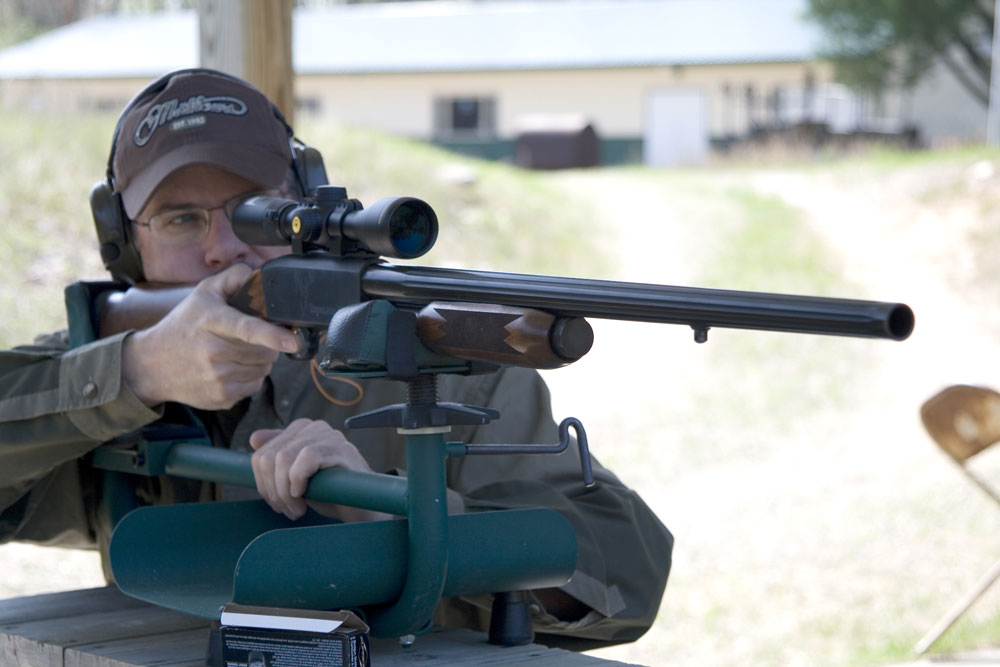
Survival-Gun-Myth

Original Gun Myth Article Claim #1

Firearm Training is Required for Effective Personal Protection

Werner's response: Hundreds of thousands, perhaps millions, of people defend themselves each year with firearms and do not have the slightest bit of training. Therefore, the statement “A gun without effective and frequent training is a hollow threat” is utterly false and unsupportable. So this myth is not a myth at all.

Original Gun Myth Article Claim #2

Don't Count on Just Taking a Gun Out and Hoping the Bad Guy Will Go Away

Werner's response: The bad guys do indeed “go away.” True, we shouldn't pull a gun on anyone we are not justified in using deadly force against, and verbal challenges are a good thing. Statistically, only a few thousand criminals a year are actually shot out of the 1000 times more who are dissuaded.

Original Gun Myth Article Claim #3

Drill at Ranges that Allow You to Move and Shoot, and Take a Training Course There

Werner's response: When we look statistically at the availability of ranges where people can shoot on the move, very few have access to such a place. If we examine the numerical output capability of the entire firearms training base, the base is able to train perhaps one to two percent of the private sector gunowners annually. So telling people to take a training course isn't much of a solution, either.


Outstanding Gear and Resources

u8506

Special Forces Survival Guide

Survival Straps Survival Bracelet

SAS Survival Handbook

Why NOT to Prepare for TEOTWAWKI

0

It doesn't make a lot of sense to make a SHTF plan for TEOTWAWKI (the end of the world as we know it). Here's why it's important to live, not just survive.

An asteroid just wiped out all life on Earth right down to the bacteria? Good thing you spent all that money on a 50-year supply of food.

When it comes to preparedness, you shouldn’t worry about the end of the world as we know it (TEOTWAWKI). Those preparing for the end of days would eventually have to recognize that any supplies they have in place would eventually run dry.

Conversely, it’s pretty smart to have the appropriate provisions in place to live comfortably outside your normal, day-to-day lifestyle if hurricanes or tornadoes frequently touch upon your region, or if there's a call for a SHTF plan anyway.

If Not TEOTWAWKI, Where Should SHTF Plans Start?

You can get a really good sense of a proper starting point by stopping and looking at your food and water supplies among other provisions.

At that point, think about whether you could close the front door, shut down the power and comfortably live for two weeks without leaving the home. When considering all of the potential risks across the country, two weeks provides a pretty reasonable ground floor wherever you might be. You wouldn’t want any less.

Common Sense, Not TEOTWAWKI

Those who are just getting started should let common sense be the guide, not TEOTWAWKI. Those without any degree of planning are setting up their families to suffer far more than necessary when an emergency comes to bear.

Those who planned well in excess of reasonable needs could’ve probably done better with their time, efforts and money. A level of preparedness that would support safety and comfort after the most typical and even the most serious of documented disasters wouldn’t resemble the preparation or lack thereof that sits at either extreme.

I shudder to think about the completely unprepared in light of the documented reality that disaster — whether isolated or wide-scale — affects hundreds of thousands of Americans every year.

Don't Let Preparing for Disaster Turn You Into One

As for the other side of the scale, I’d suggest preparation shouldn’t be all consuming. You shouldn’t overextend your finances for the sake of preparing a SHTF plan or let the risks out there affect your ability to enjoy day-today life. You shouldn’t prepare from a place of fear.

I saw a number of people suffering deeply after Hurricane Katrina who could’ve had it easier with appropriate forethought and respect for Mother Nature’s devastating abilities.

As for the opposite end, those who were convinced of approaching cataclysm before the Y2K scare probably ate a lot of rice for an awful long time after that New Year passed quietly.

All of us try to live balanced lives. Good preparation fits well within that scope.

MUST READ ARTICLES