


Finding a hunting revolver that suits you well is critical. Comfort goes a long way to building confidence. Should you choose a single- or double-action? .357 Mag. or .44 Mag? .454 Casull? Long barrel? Short barrel? Scope? Open sights? What configuration will fulfill your needs?
There are a number of questions you need to answer honestly to zero in on what will best serve your big-game hunting aspirations. If at all possible, you should try a number of different potential hunting revolvers. Recoil characteristics vary greatly between the different types and makes, and let’s face the facts, large-caliber revolvers deliver sizable recoil.
Double-action revolvers tend to concentrate recoil force straight back into the web of your hand, while single-actions tend to twist upward, sparing the shooter some of the unpleasantness. The two configurations are worlds apart in how they transfer recoil to the shooter.
I could go into the various single-action grip-frame profiles, but we don’t have room for that here. My personal favorite is Ruger’s take on the Bisley grip frame, as it is optimal for control in my hands because it has more of a double-action-like recoil dynamic. Freedom Arms’ Model 83 grip is another that I really like.
I would again recommend testing out a few of the different makes, models and calibers before you make this decision. If you don’t know anyone with a variety of revolvers to try, I would suggest joining any number of websites that are dedicated to revolvers and handgun hunting. You may find someone local who is willing to let you shoot some of their guns.
Everyone has different preferences, so there are no hard and fast rules when it comes to picking a platform. For me, single-action revolvers point more intuitively than double actions. They are almost an extension of the hand. Gunslingers of the Old West were undoubtedly well aware of this handling characteristic, relying on point-shooting for survival. On the other hand, we are not gunslingers but handgun hunters, and the double action may offer some advantages when quick follow-up shots are needed to dispatch a departing animal.
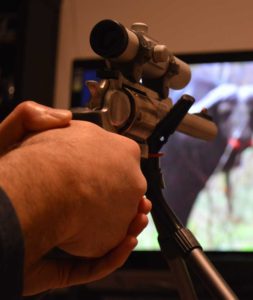
This is as good as any time to briefly discuss calibers. While the .357 Magnum is not my first choice, it can be effective. Remember that shot placement is key, and a half-inch hole won’t make up for lousy marksmanship. Loaded with a quality bullet, I wouldn’t hesitate to use the .357 Mag. on deer. However, I still prefer erring on the larger side with regard to calibers. The .41 Magnum is a good starting point and compromise, though factory ammunition is somewhat scarce. The champion of all big-revolver rounds from an ammunition availability standpoint is the ubiquitous .44 Magnum. No other caliber can boast the sheer variety and quantity of available ammunition, and it is fully up to the task of taking any and every game animal that has ever walked the face of this earth.
One of my personal favorites is the .45 Colt — yeah, that old black-powder cartridge from the late 1800s. It can be loaded considerably hotter than its original configuration (limited to 14,000 psi). I’m not suggesting turning your .45 Colt into a .454 Casull, but revolvers like Ruger’s Blackhawk in .45 Colt are considerably stronger than a Colt Single Action Army or the many facsimiles available on the market and are able to safely handle considerably hotter loads than the 14,000-psi maximum imposed upon the smaller and more fragile revolvers. Adhere to published load data, and do not exceed the maximums recommended by the manufacturer, as there is no need to turn your favorite hunting revolver into a hand grenade.
There are quite a few big calibers that are fairly brutal to shoot, and I don’t recommend them to the neophyte. There are some, such as the .480 Ruger, that offer a fine compromise between power and recoil. However, you can load the big calibers down to “soft” levels and they still offer a sizable advantage over their smaller siblings. They don’t need to be pushed hard to be terminally effective. Keep this in mind when you are deciding on a caliber for a hunting revolver.
You need to be honest with yourself as far as your limitations. There is no shame in a low tolerance for recoil. These big-bore revolvers can be very difficult to shoot, as you generally have only 3 pounds to contain the considerable recoil generated by some cartridges. Take pride in being able to shoot your chosen hunting revolver well and effectively. Let someone else’s ego dictate their caliber choices. Confidence and competence will go a long way to filling the freezer with game meat. Confidence follows competence, and consistent competence is the offspring of practice.
Editor’s Note: This article is from Gun Digest Book of Hunting Revolvers.


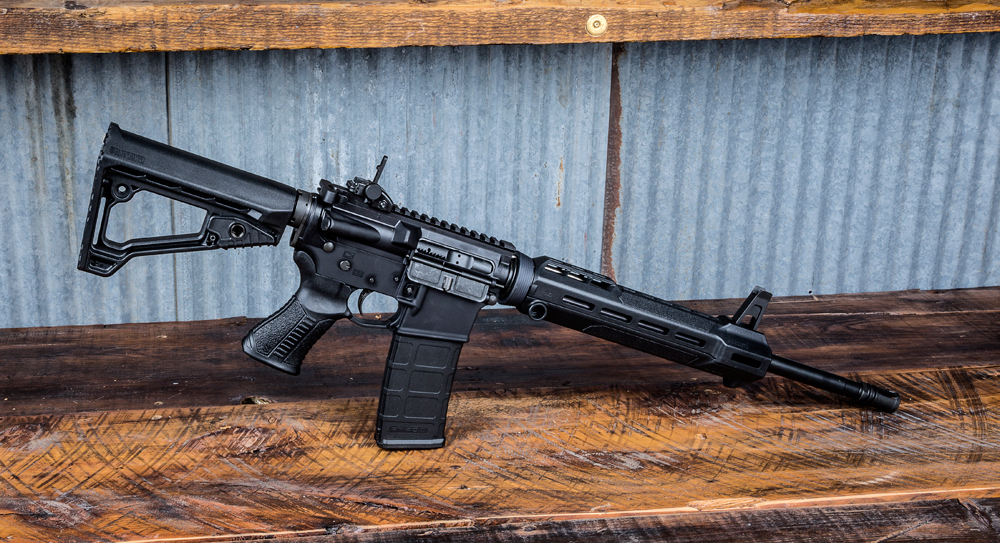
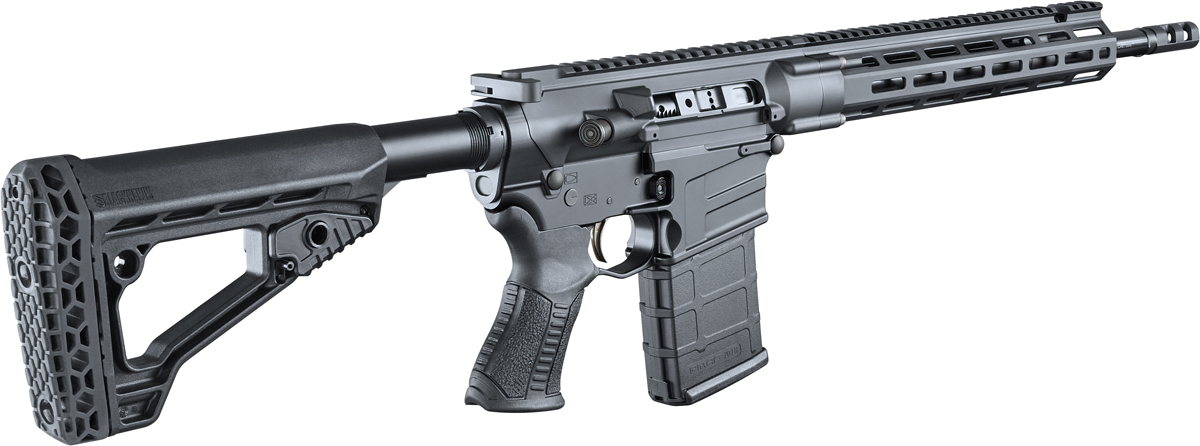
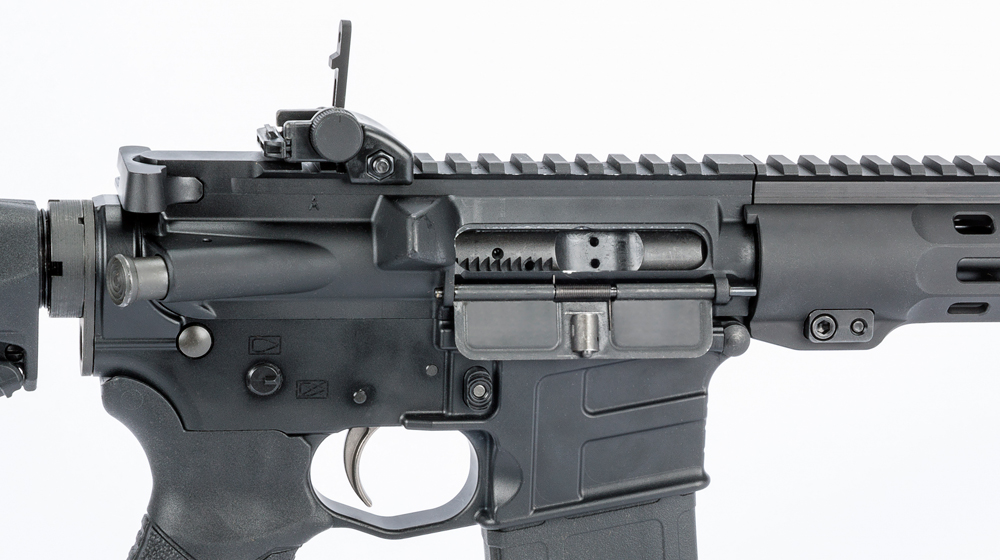
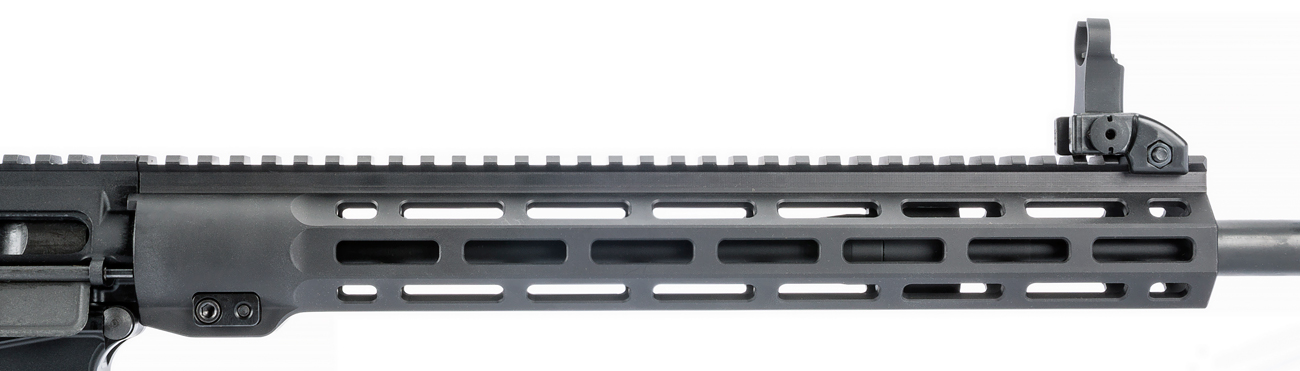
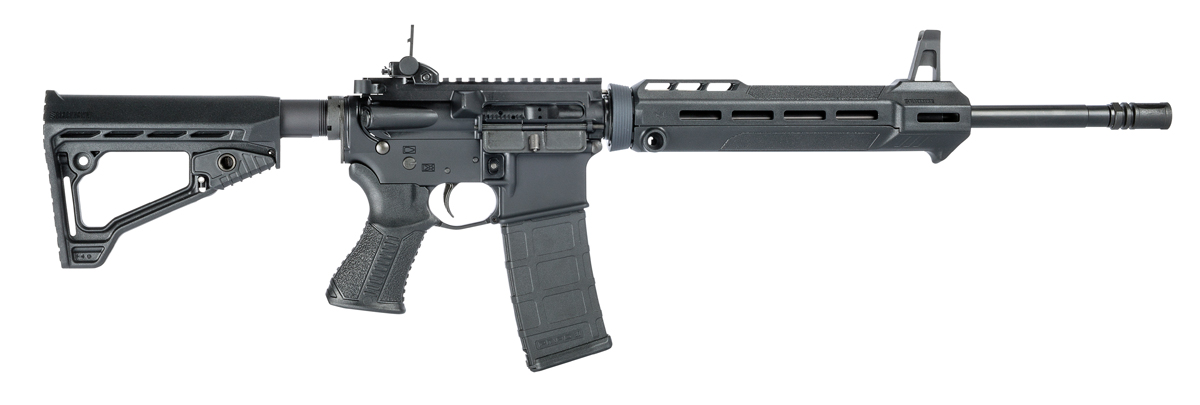
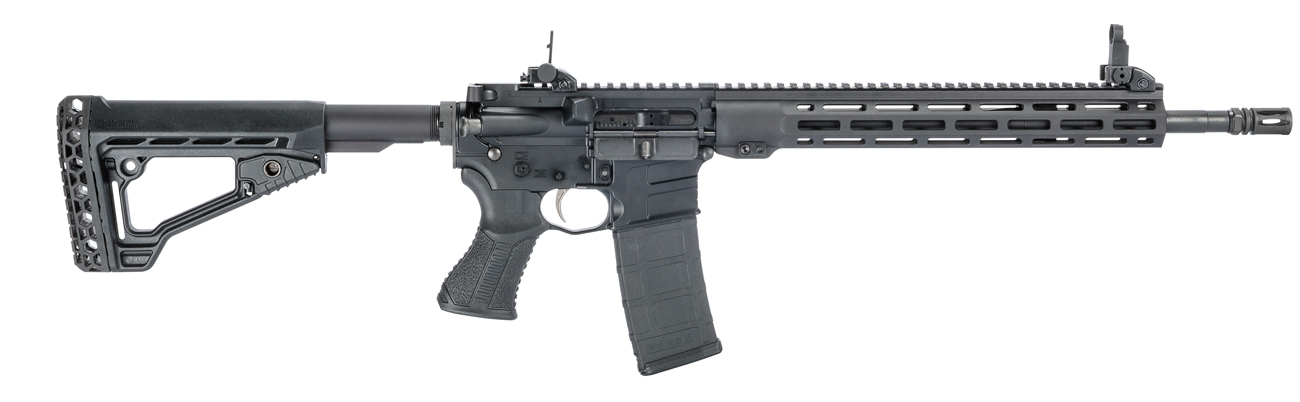
Savage Arms MSR 15 Patrol
Savage Arms MSR 15 Recon
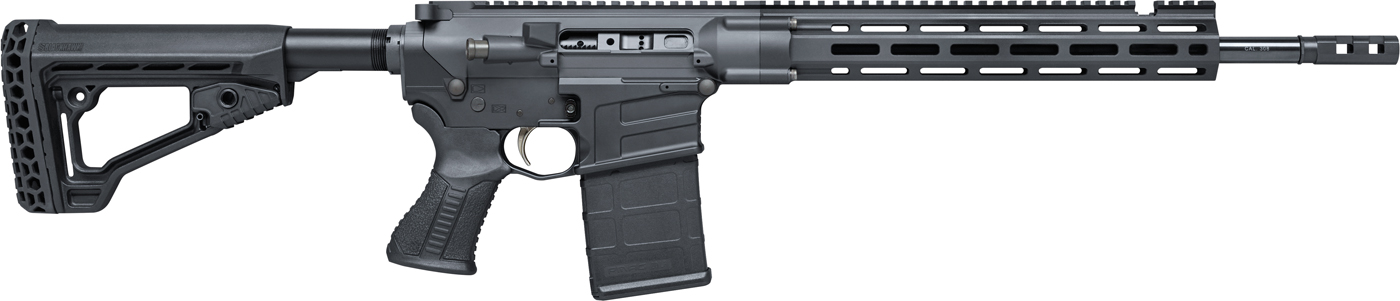
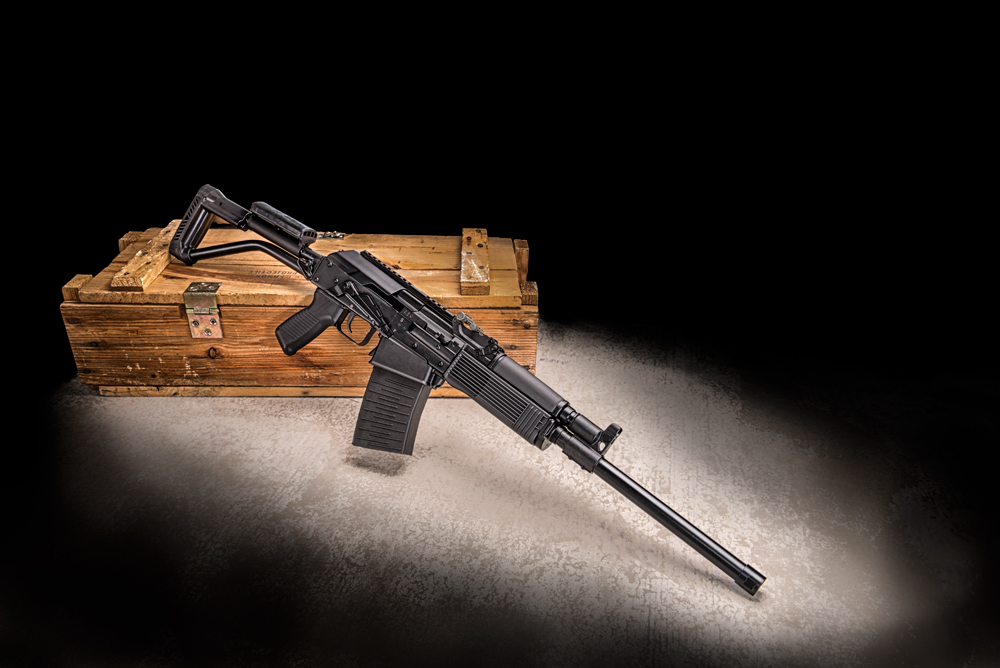
Savage Arms MSR 10 Hunter
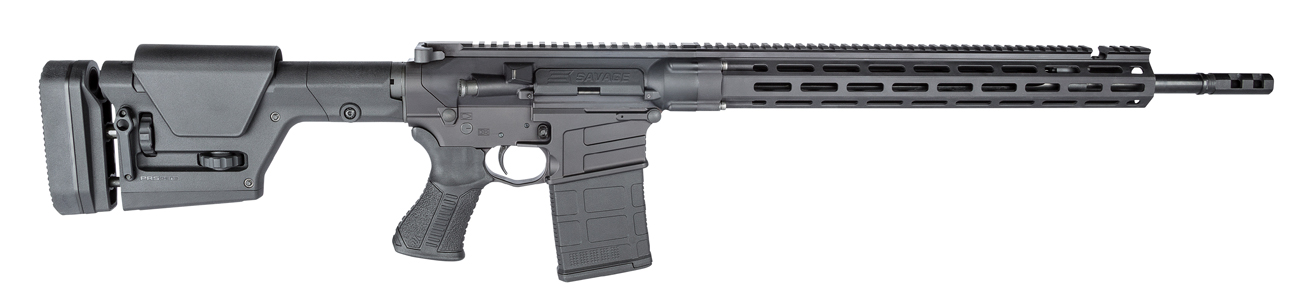
Savage Arms MSR 10 Long Range
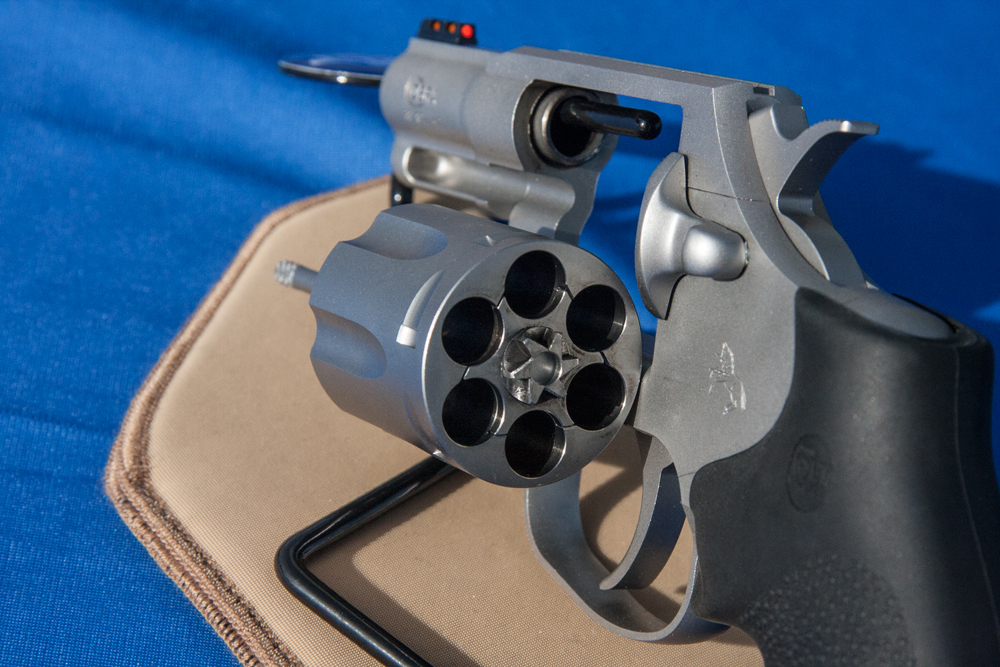
Fans of Colt’s earlier double-action revolvers should rejoice, as news of the American manufacturer’s jump back into the double-action revolver game has been breaking over the last couple days. It’s official folks; in what may be one of the more exciting new releases of the year, Colt is bringing out a new double-action revolver for 2017.
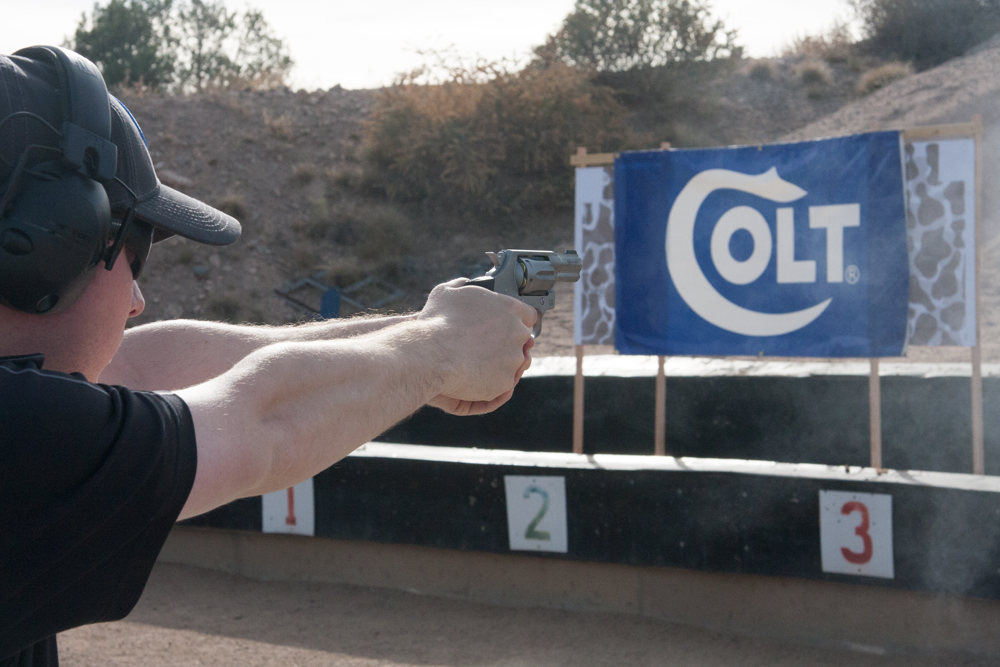
As someone who attended Colt’s Media Day event at Gunsite this past fall, I’ve been holding onto this exciting news for a couple months now. And while at the event, I was able to get a first hand look at, as well as some trigger time with, the new Colt Cobra.
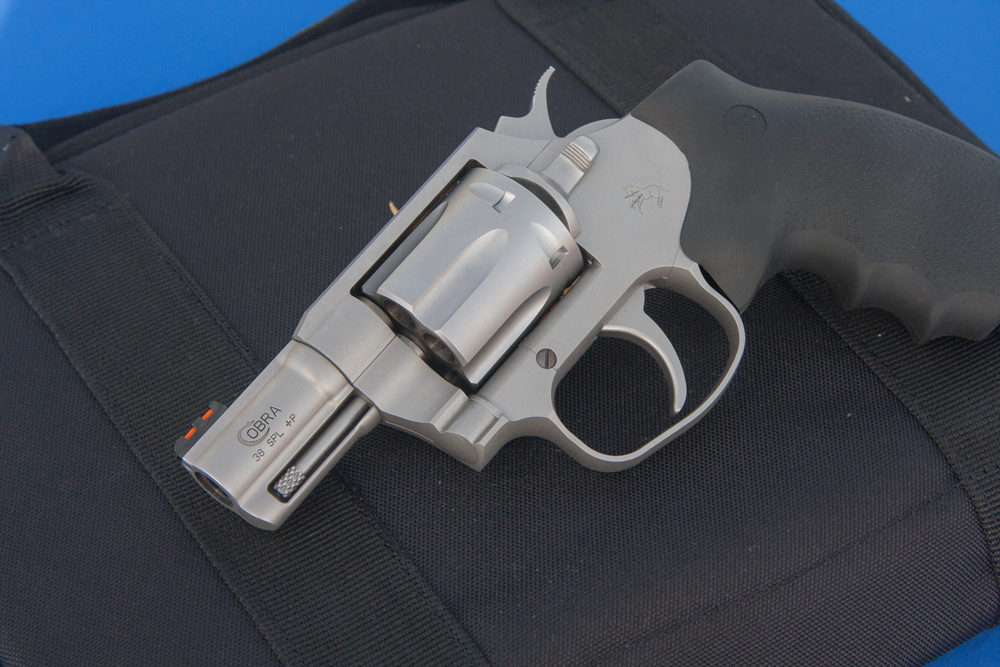
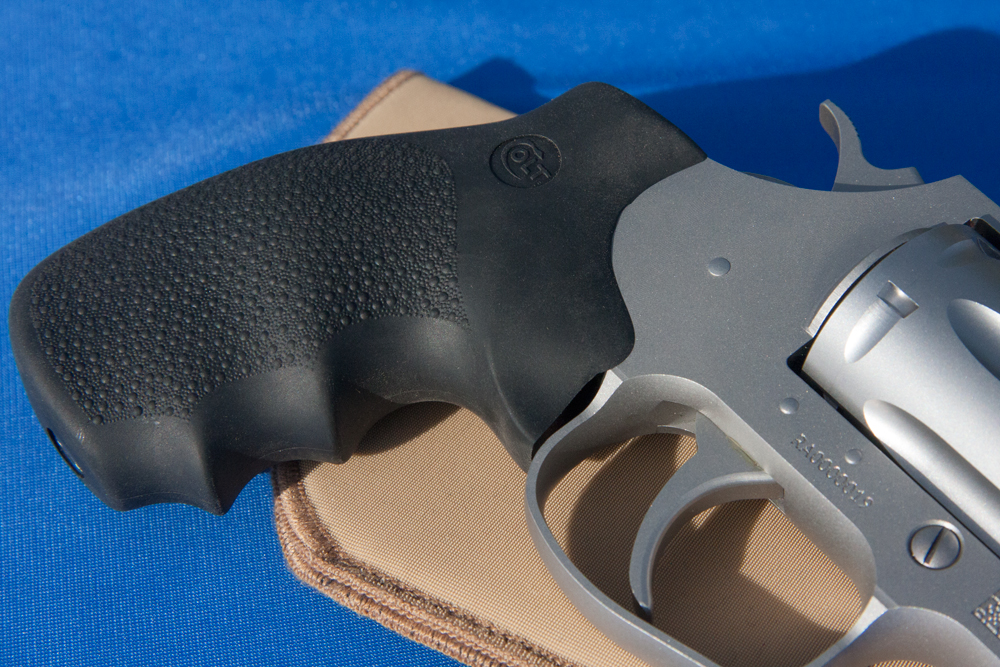
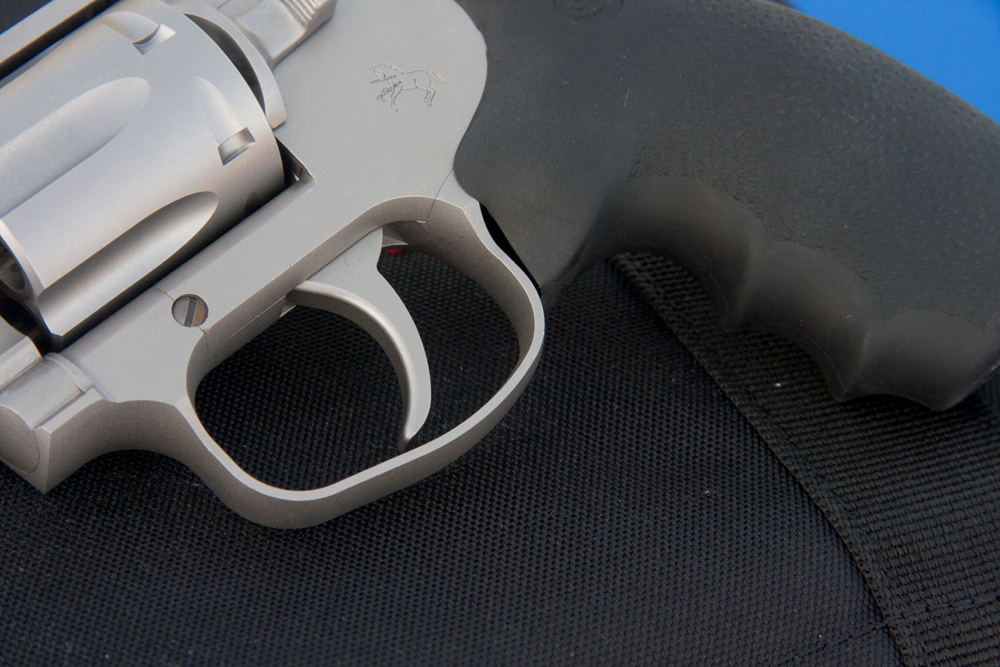
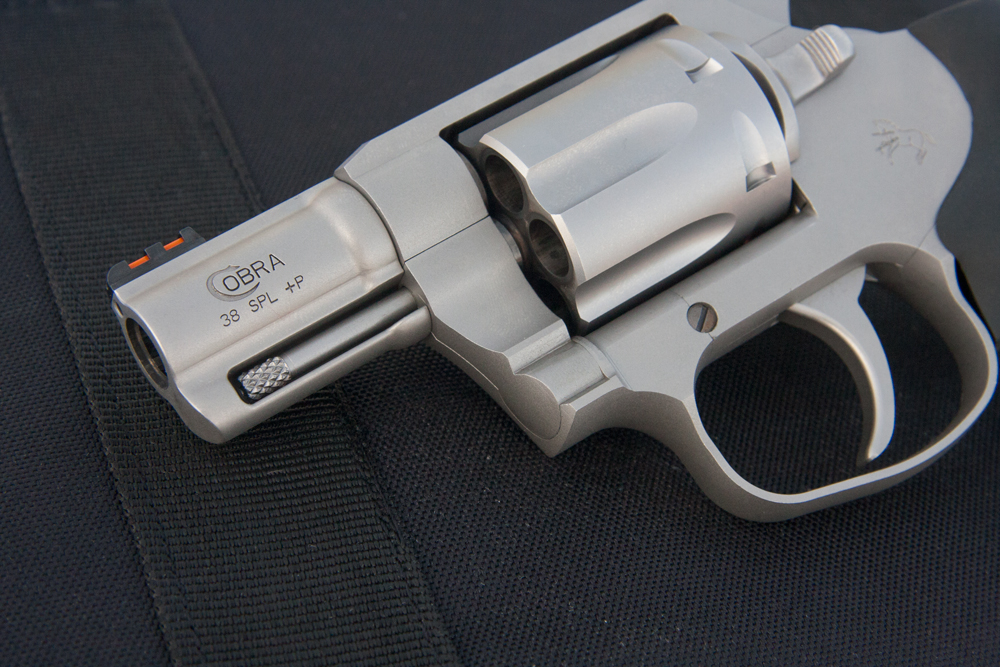
The new Colt Cobra features a hardy stainless steel frame that features a matte finish and a Hogue Overmolded grip. Hogue is well known in the industry for its quality revolver grips, and this one did not disappoint. The grip felt adequate and pleasant in my hand, and although recoil felt a little sharp from the 2-inch barrel, I never became uncomfortable while shooting the Cobra. The revolver seemed to point quite naturally in hand, and I never felt that I had to search for the trigger.
Colt did not have figures for trigger pull weight during the Media Day event or in the specifications provided, but it generally seemed pleasant in both single and double action. Obviously, the double-action pull was nowhere near as clean as the single-action pull, which felt silky smooth in comparison.
The front sight on the Cobra used at the Gunsite event was a red fiber optic, which offered plenty of visibility and felt quite familiar. The rear was a standard groove type sight built into the frame. This combination seemed to serve just fine, and I didn’t have too much trouble putting rounds on target.
The estimated MSRP that was provided to members of the media at the Media Day event for the new Colt Cobra is listed as $699. For those wondering about other potential double-action revolver models down the road, I would say to be patient. During the event at Gunsite the general attitude seemed to be that this was a first step in the category, with more introductions looming on the horizon.
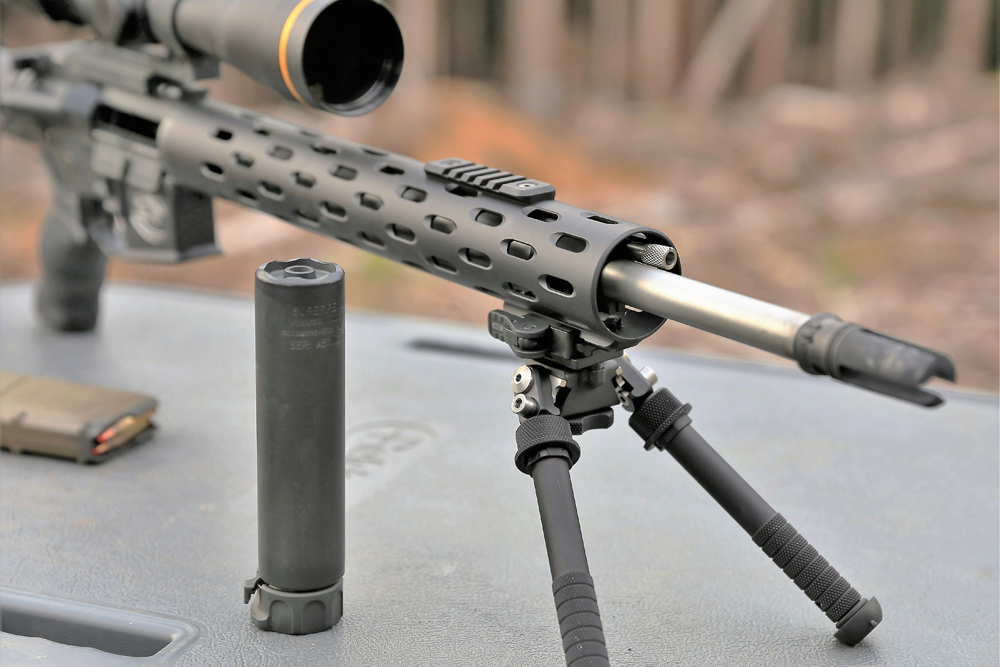
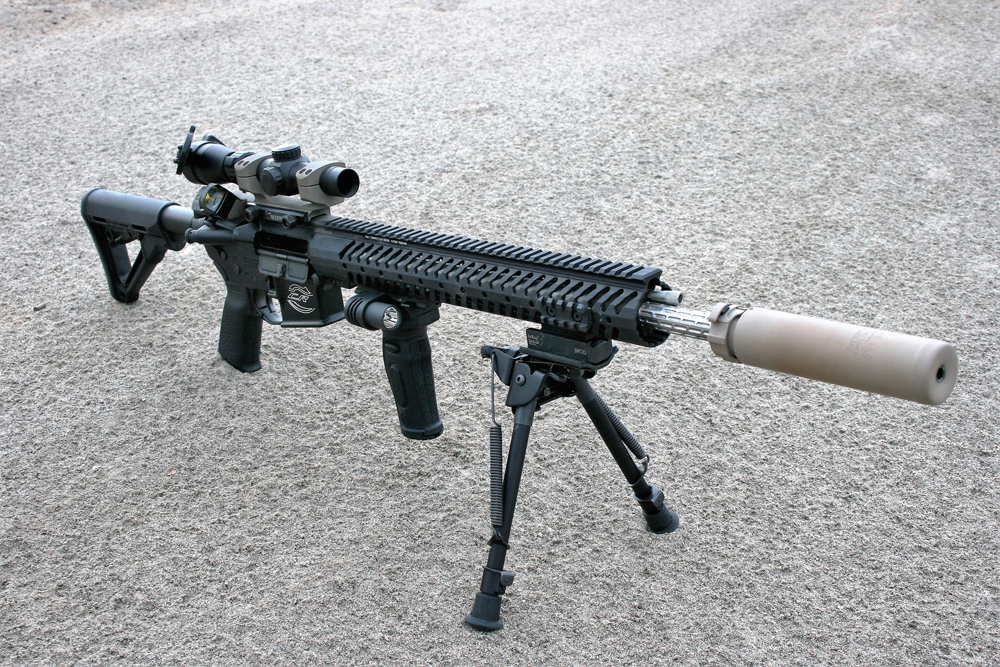
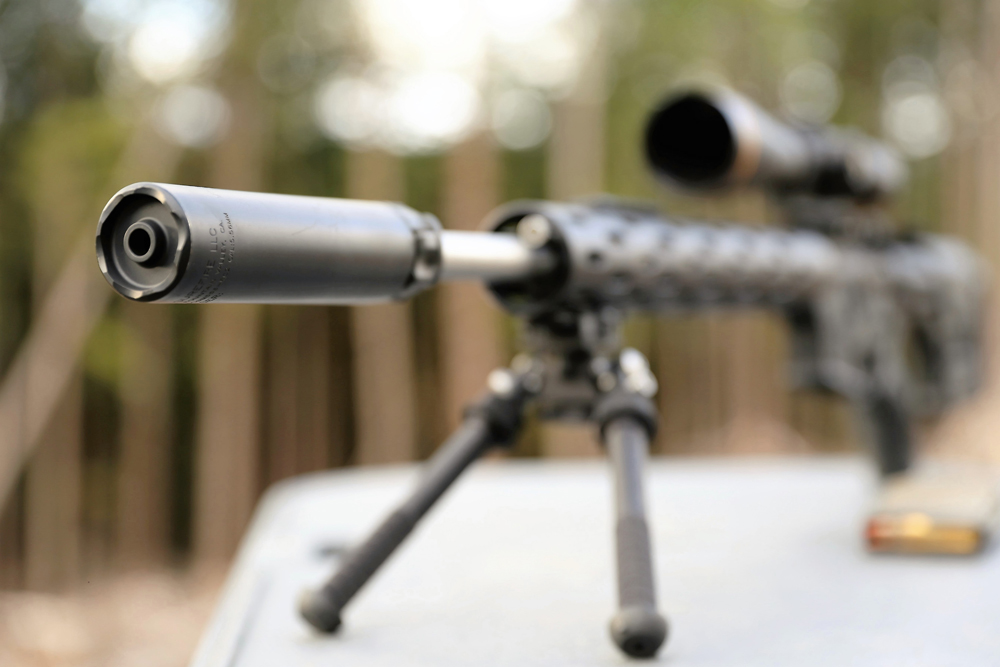
The second-generation model of Surefire’s SOCOM 556 RC suppressor adds to the design while reducing the overall cost.
The QD mechanism was upgraded in the RC-2 to provide a more solid lock up by using tapered bearing surfaces. This is something several manufacturers have moved to in the past few years. It seems nobody likes a wobbly suppressor. A less obvious improvement in the RC-2 QD system is that now the index tab is in a low carbon build up area. This makes the suppressor easier to remove after extended shooting sessions. As a seasoned suppressor shooter, I can attest to the utility of this design change. QD suppressors exist that are anything but quick-detach after a few hundred rounds, and there is nothing more irritating than having to take a pipe wrench to a “quick-detach” suppressor.
One of the most noticeable differences between the Surefire RC and the RC-2 is the price. The RC-2 is cheaper! With MSRPs of $1,395 and $1,095, respectively, the $300 reduction is a welcome change. Made in the USA, the Surefire SOCOM 556 RC-2 is a solid addition to any collection.
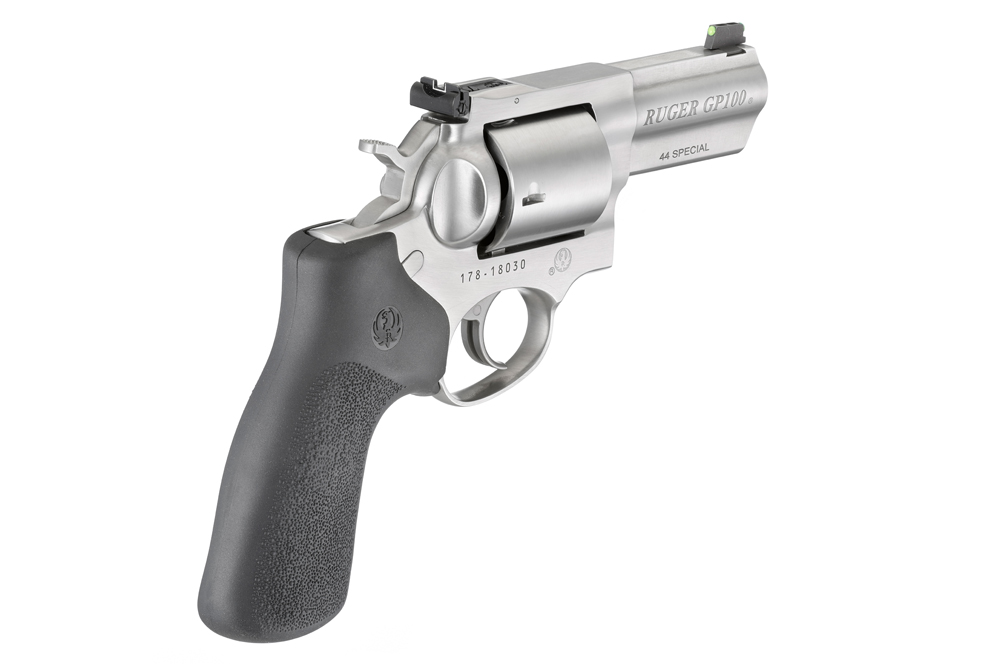
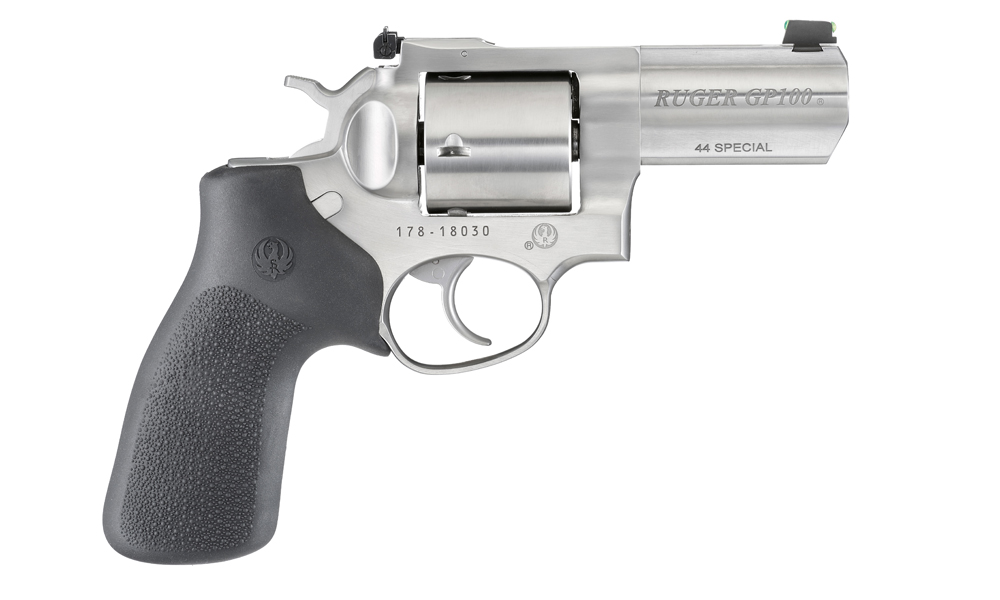
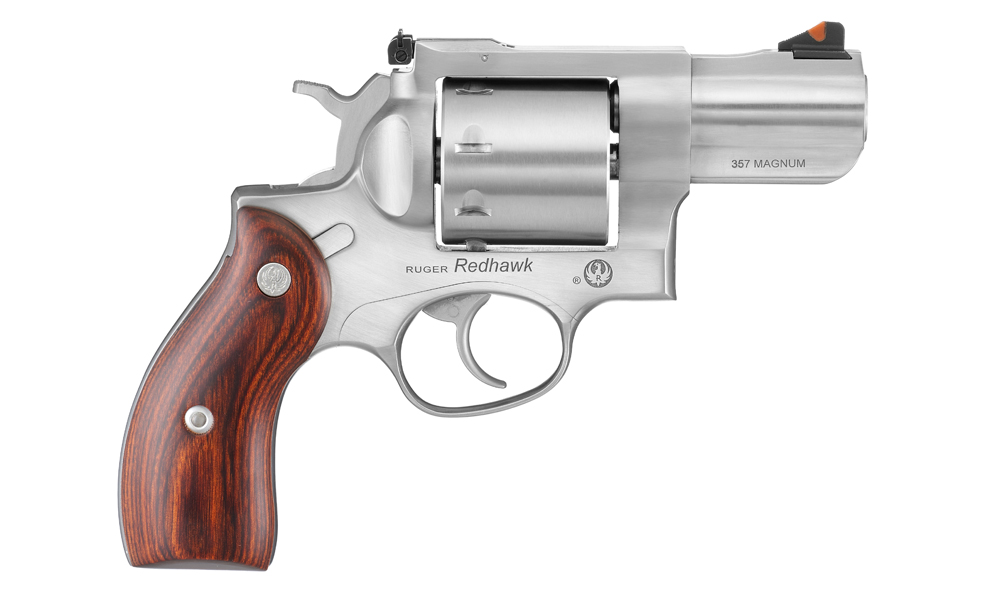
Ruger has been one of the most well known, and well respected, manufacturers of revolvers for a while now. The company has a history of producing rugged, reliable and high-performing wheel guns, and as a result it has a wide array of double- and single-action offerings.
Ruger GP100
Ruger Redhawk
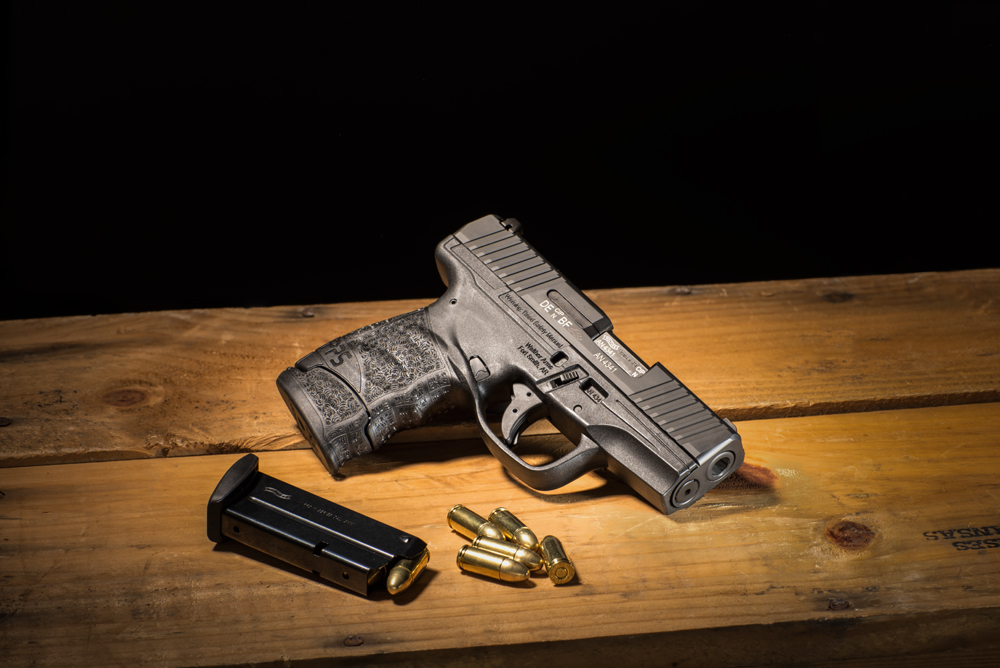
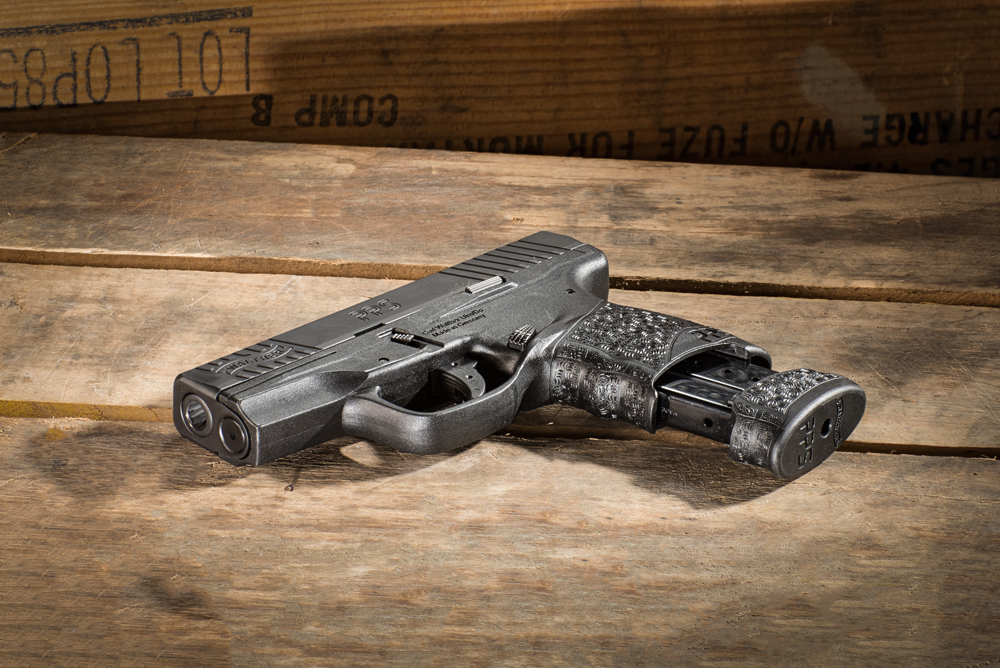
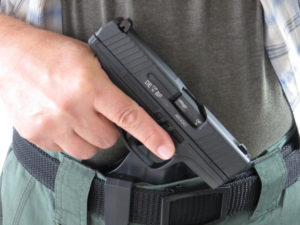
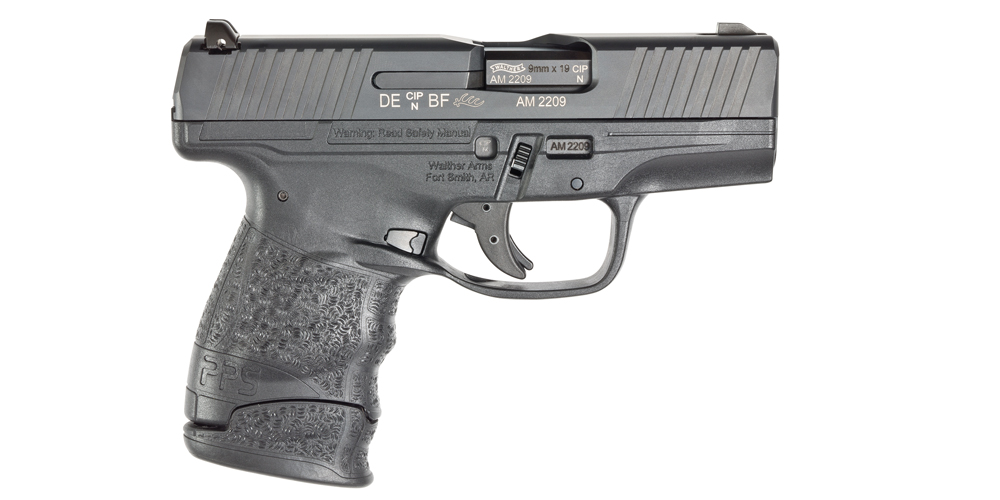
Evolution is inevitable. The way we have defended ourselves over the past 3, 10 or even 100 years has changed tremendously. Better ammunition, pistol designs and manufacturing methods have given concealed carry holders a wider range of options. Engineers at Walther are always looking for ways to produce a better pistol—more accurate, lightweight, user-friendly and affordable. In fact, the company has always been on the cutting edge of modern pistol design, and the new PPS M2 is a perfect example of Walther’s dedication to refinement in a concealed carry pistol.
The PPS M2 incorporates the ergonomic Walther grip, similar to the style found on the
If the grip design is a new direction for the PPS series, so too is the magazine release. The M2 uses a thumb-operated magazine release. If there was a feature on the PPS Classic that some had difficulty warming to, it was the ambidextrous paddle-style magazine release built into the rear of the trigger guard. We Americans like our magazine release to be operated by our thumb, and Walther has obliged.
The steel fixed three-dot sights are big and bold with three large white dots. The sights can also easily be removed to
The trigger is wide and serrated on the edges, giving it the feel of a full-size pistol trigger. It is a lot like the
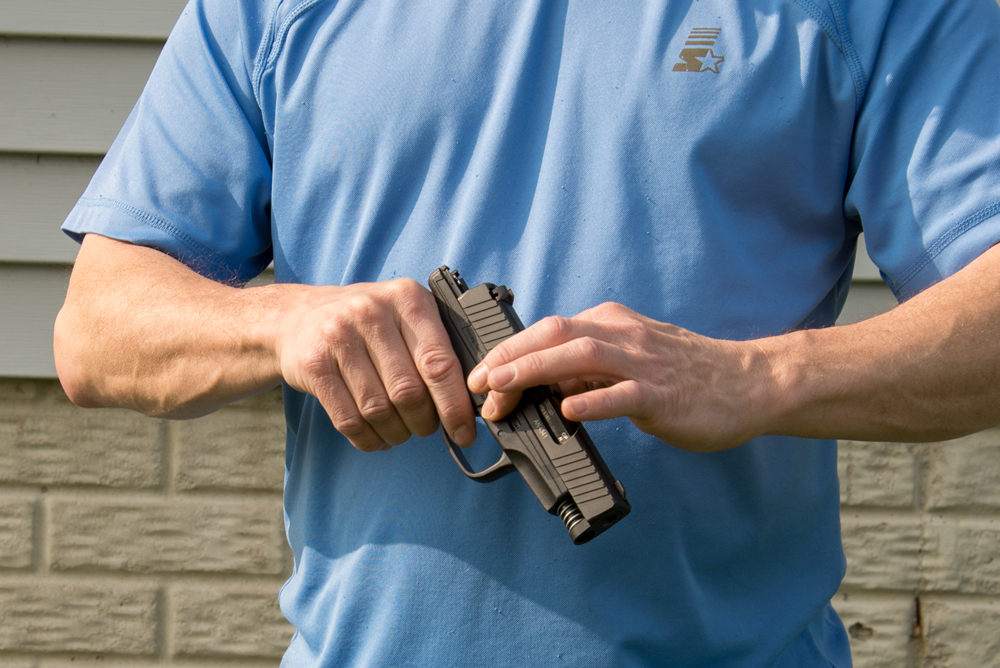
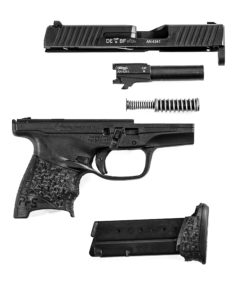
Fieldstripping is simple. Pull down on the takedown lever and the slide will move forward; from there it can be removed from the frame. You don’t need particularly muscular fingers to remove the recoil spring and guide rod assembly, either.
Walther PPS M2
First off, looking at a list of possible cartridges, you will see huge differences between them. This includes recoil levels, price per round, basic working range applications, and even specific rifle types.
What you need to do is select a maximum distance that works best in terms of a cartridge choice and generated recoil levels, then go to work learning everything you can about the performance of that given cartridge.
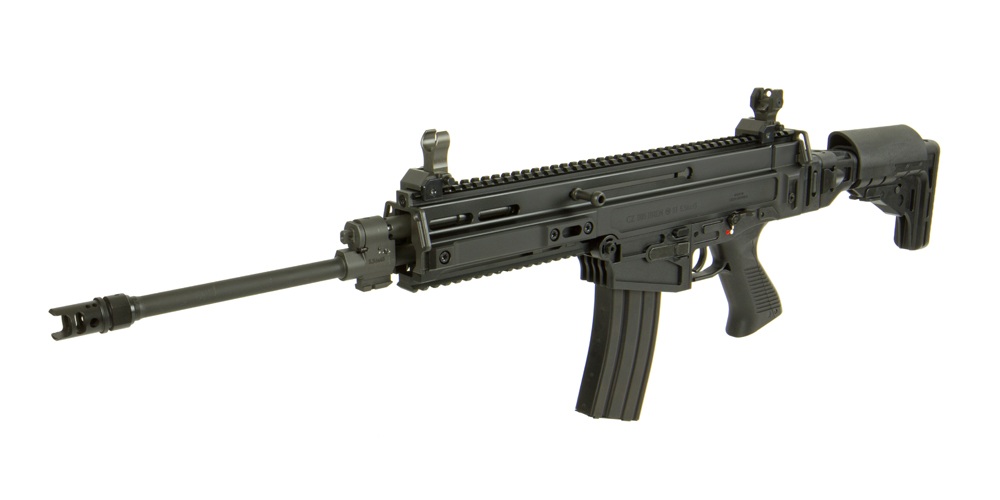
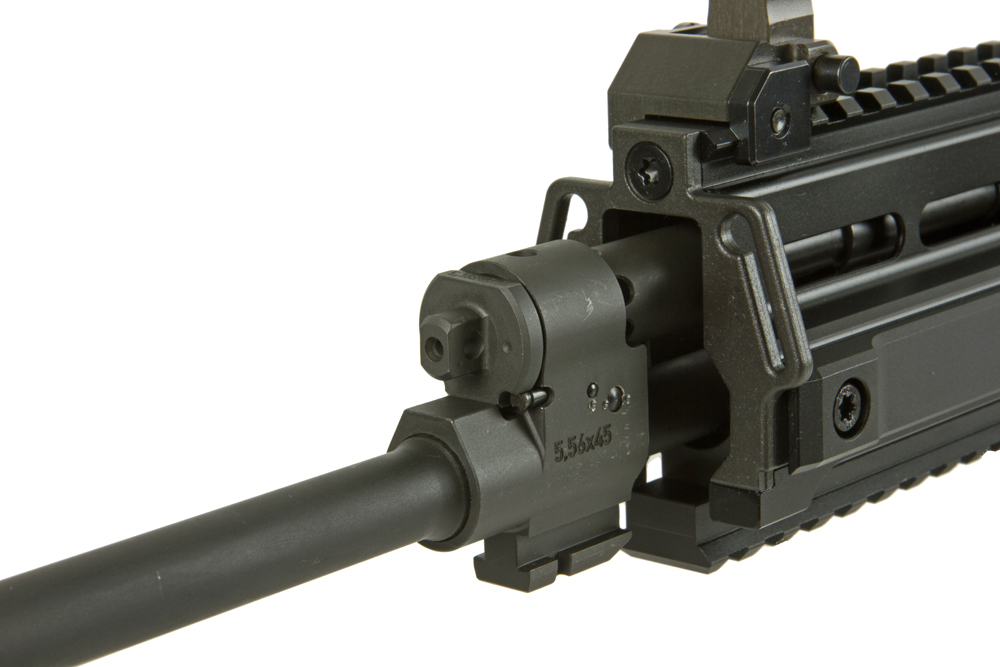
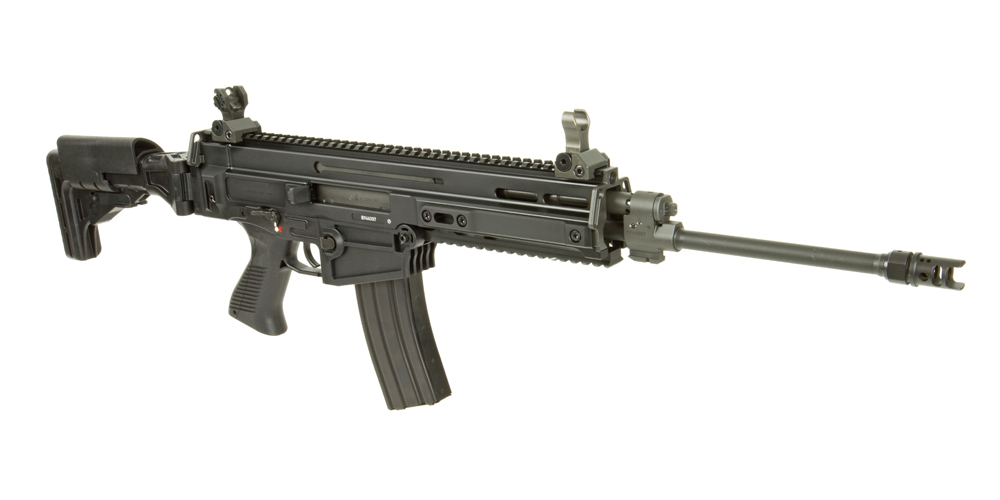
The Czech military’s excellent piston-operated 805 Bren is now available to U.S. shooters in a semi-auto version, and it doesn’t disappoint.
Features
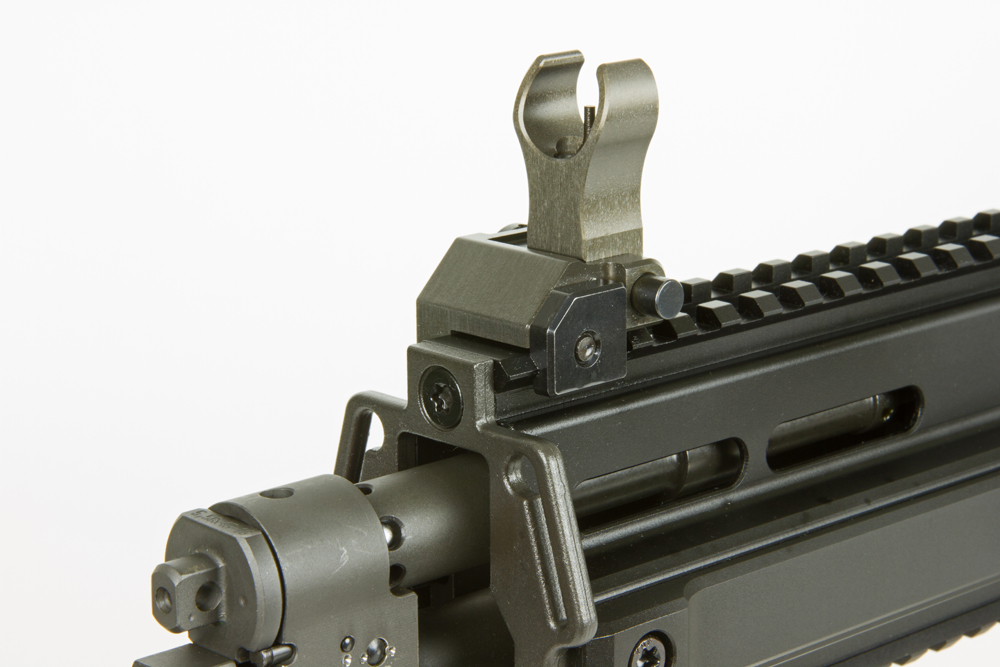
The gas piston action also helps reduce felt recoil. There are two settings, one for normal operation and the other for adverse conditions when the gun is extremely dirty and more gas is needed to operate the action. A spring-loaded detent must be pressed to rotate the gas valve setting or to remove the gas piston assembly for cleaning. Beneath the gas block is a bayonet lug, something the SCAR 16S lacks.
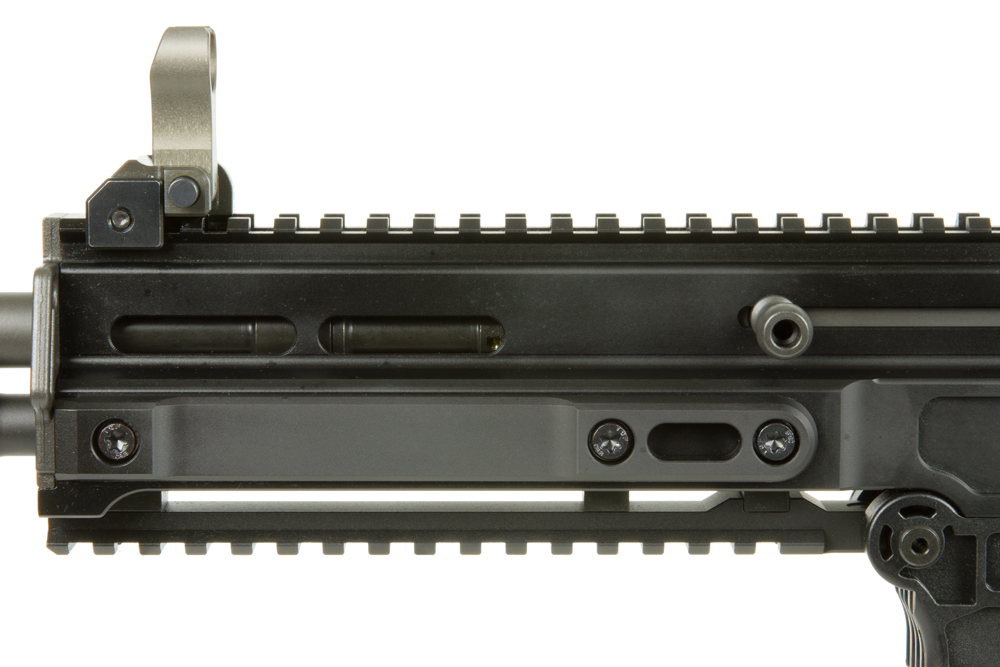
Another Picatinny rail is located on the bottom of the upper and runs from the front of the magazine well to the front of the handguard. There are no rails on the sides like there are on the SCAR.
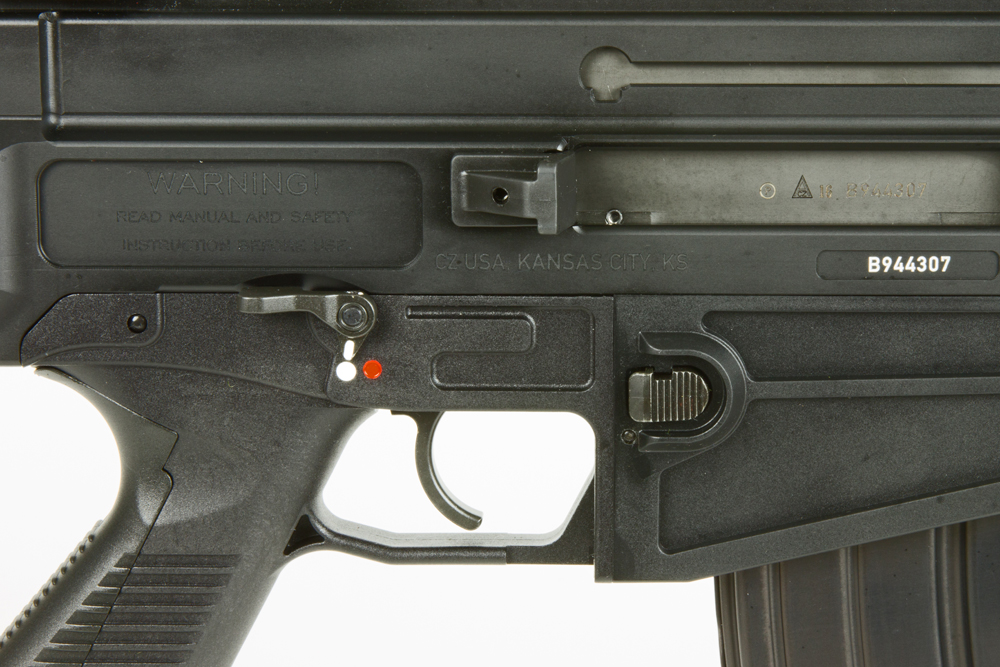
The two-stage military trigger broke at just less than 5 pounds after a short take-up and just a small bit of creep. It’s not a bad trigger for a stock unit. And the gun is designed to accept standard AR-15 style magazines. It is supplied with two, and the magazine well is beveled for faster reloads.
Take Down
On the Line
CZ 805 Bren S1 Carbine
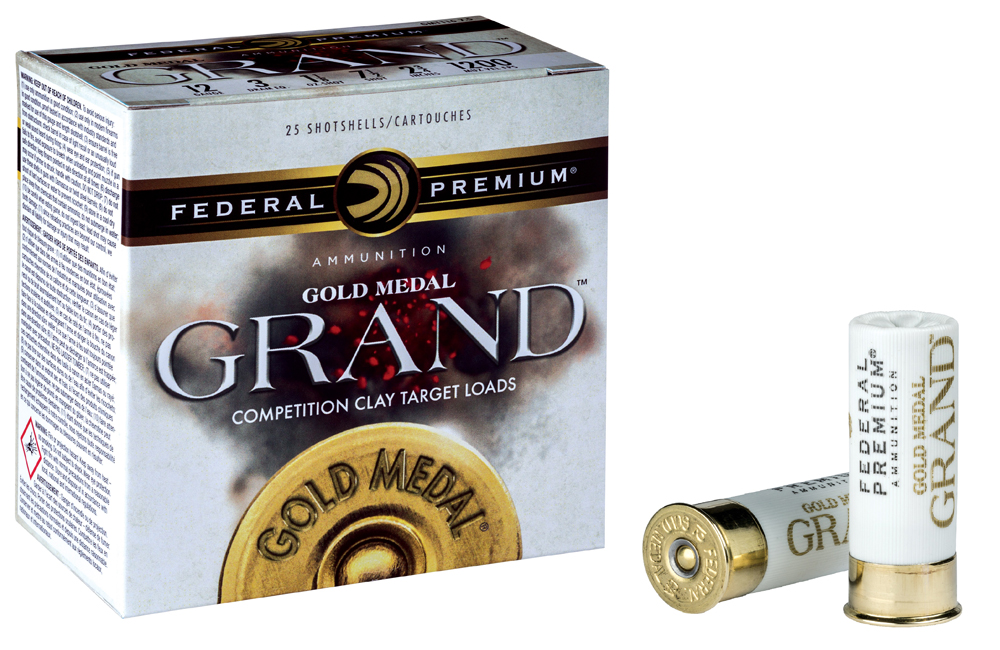
Serious competitive trap, skeet and sporting clays shooters can be pretty selective in terms of the shells they use for competition. They demand a lot from their shotshells, and one of the brands that has found tremendous success with competitive shooters over the years is Federal Premium’s Gold Medal line.
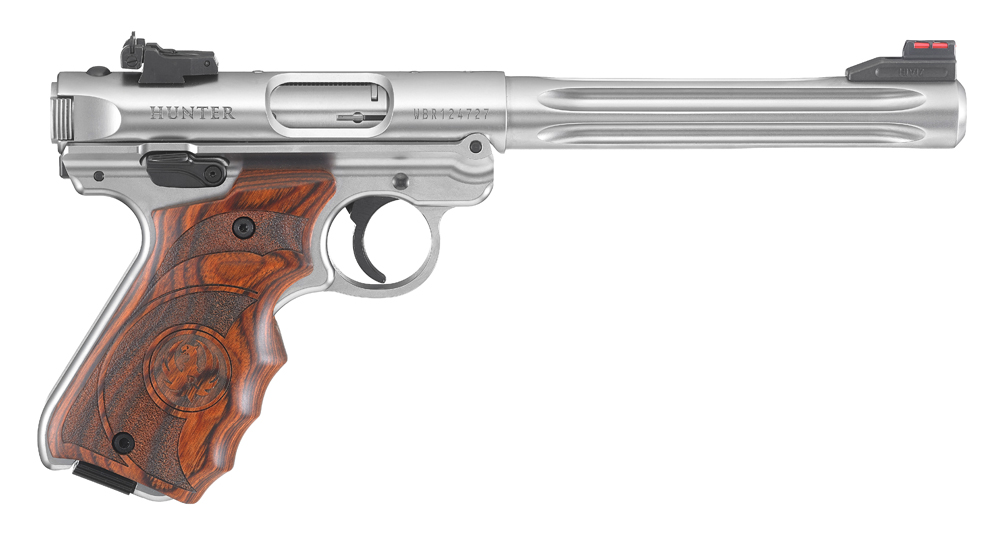
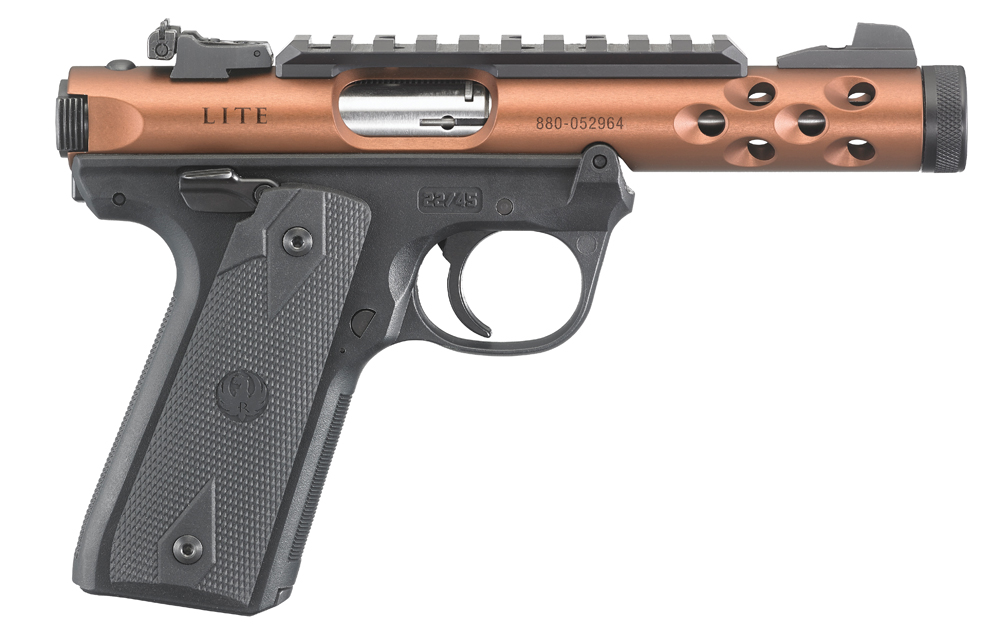
Earlier this fall Ruger unveiled its brand new Mark IV rimfire pistol, which featured a new, simple, one-button takedown system for quick and easy field stripping. The American manufacturer brought out three models at the time: a Blued Target model, a Stainless Target model and a longer-barreled Hunter model.
Ruger Mark IV 22/45 Lite
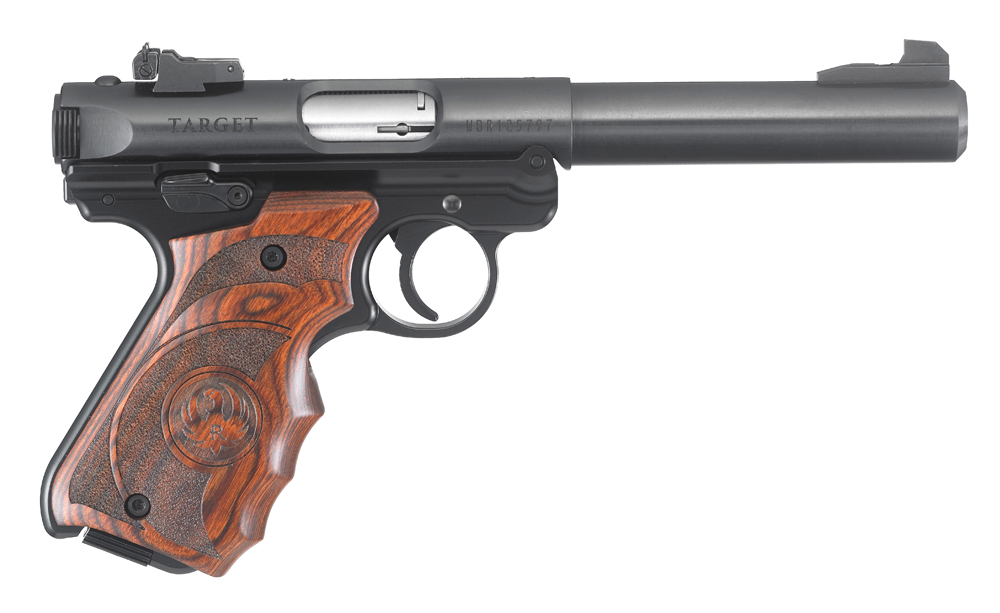
Ruger Mark IV Target


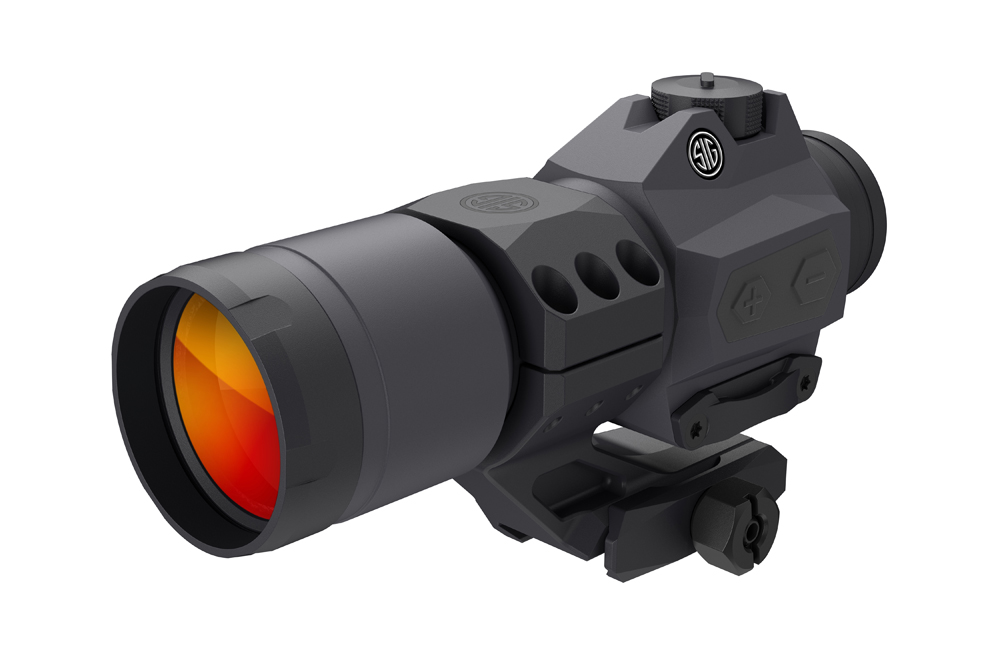
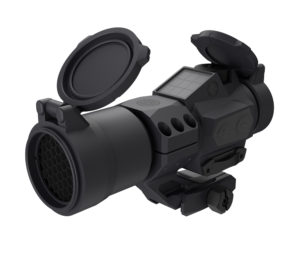
In addition, each reticle style on the SIG Sauer ROMEO6 allows the user to toggle between four different selectable reticle options. With the Ballistic Circle Dot reticle, users can pick between a 2 MOA dot, a 2 MOA dot with ballistic holds, a 2 MOA/65 MOA Circle Dot or a 2 MOA/65 MOA Circle Dot with ballistic holds. These ballistic holdover points subtend for the 5.56 NATO and 7.62x51mm NATO cartridges. Meanwhile, the Circle Plex quad reticle offers similar aiming options, but the 2 MOA dot is swapped for a 1 MOA central aiming feature in a plex-type reticle for more precise mid- to long-range shooting, especially when paired with SIG’s upcoming JULIET4 4x magnifier.![Best Concealed Carry Guns In 2026 [Field Tested] Wilson Combat EDC X9S 1](https://gundigest.com/wp-content/uploads/Wilson-Combat-EDC-X9S-1-324x160.jpg)


![Best 9mm Carbine: Affordable PCCs [Tested] Ruger Carbine Shooting](https://gundigest.com/wp-content/uploads/Ruger-Carbine-Shooting-100x70.jpg)
![Best AR-15: Top Options Available Today [Field Tested] Harrington and Richardson PSA XM177E2 feature](https://gundigest.com/wp-content/uploads/Harrington-and-Richardson-PSA-XM177E2-feature-100x70.jpg)