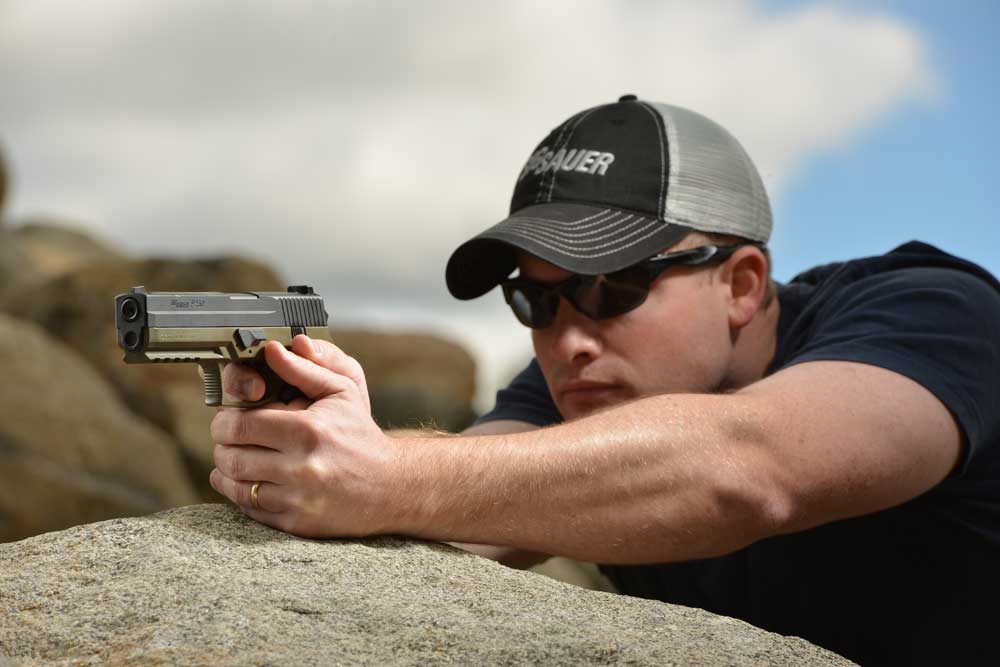
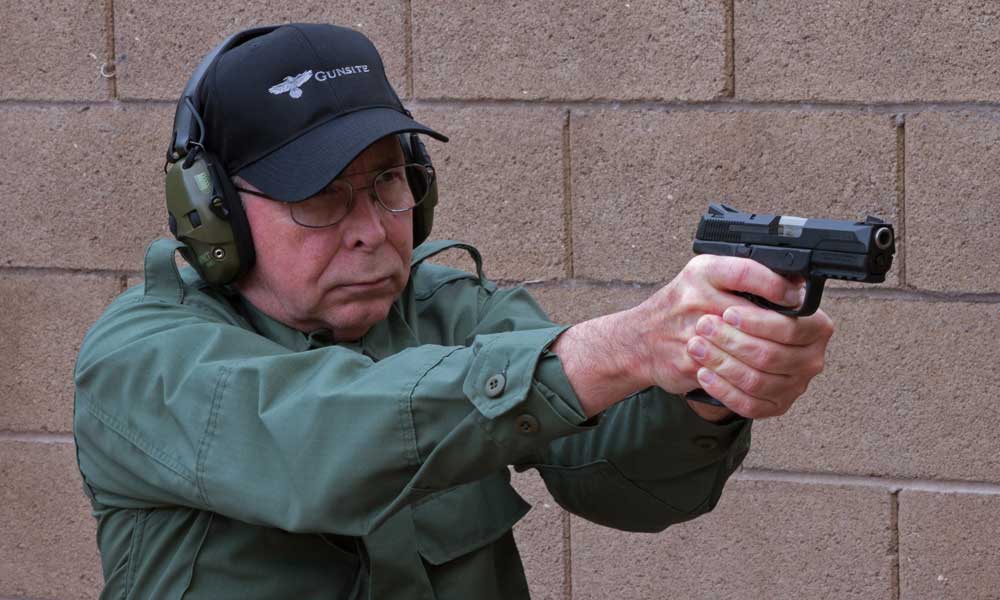
Ruger’s new full-size, striker-fired, polymer frame pistol is a rugged gun ready to serve in all capacities.
If you are a gun enthusiast or if you simply want a gun for sport or self-protection, you are living in probably the best time in history because the selection of guns is greater now than ever. And Ruger has just added another choice with the introduction of the Ruger American Pistol.
If you are one who doesn’t think another polymer handgun is necessary because there are enough to choose from already, consider that for every model on the market today, there are people who find it to be the best one for their needs. While the differences between brands and models are sometimes subtle, most people who grasp a particular handgun find that it either feels good in the hand, or that it doesn’t. And while some people like a particular feature on a gun, others despise it. So having a large selection of guns to choose from makes it more likely that each shooter will find a gun he likes.
To assure that the Ruger American Pistol suits as many shooters as possible, the engineers and designers at Ruger spent a great deal of time studying the likes and needs of shooters and requested input from law enforcement and military trainers from around the country.
Features
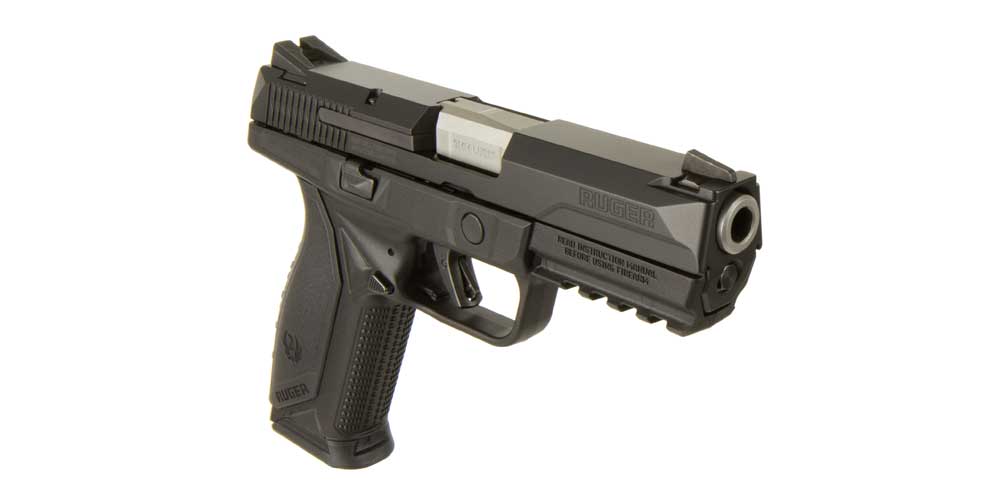
Although not obvious, it is not a typical polymer frame gun. Instead, the nylon-filled grip frame houses a modular chassis that contains the fire control group and has rails on which the slide reciprocates. The chassis is made of precision-machined steel with a black nitride finish that is extremely hard and corrosion resistant. And because it is the part that has the serial number on it, there is the potential to replace the grip frame and slide to modify the size and contours of the gun. Presumably, Ruger or another company will eventually offer such conversion kits, but that is speculation at this time.
The grip frame has different sized wrap around grips that are easily swapped out to fit many different hand sizes. The 9mm version has three sizes, and the .45 ACP version has two. These one-piece grips include not only backstraps, but also side panels so that with each one, trigger reach and size of the palm swell change. The front and back straps are heavily textured with diamond-shaped bumps, and the sides are stippled to help obtain a non-slip grip. Changing the grip requires only a quarter turn of a retention screw with the aid of a supplied wrench. And the gun is equipped with a lanyard attachment point at the heel, something that is seeing a comeback on pistols.
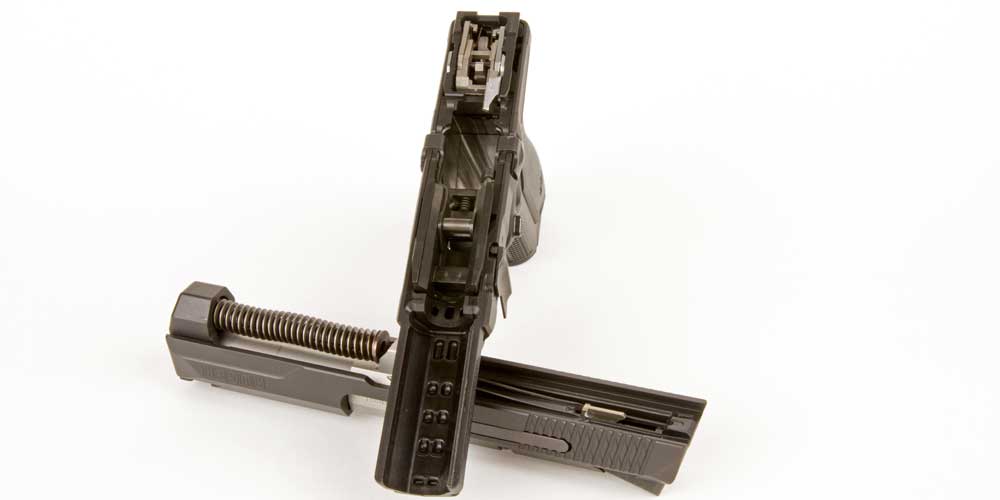
At the front of the grip frame where there is often nothing more than a dust cover to keep dirt out of the recoil spring assembly, Ruger put a Picatinny accessory rail for the attachment of a light or laser. For a gun that will be used for personal protection, those are good items to consider, since most deadly force confrontations occur in diminished light. And lasers are not gimmicks or toys—they serve a very useful purpose when employed properly after competent training.
Each American Pistol is supplied with two stainless steel nickel-Teflon plated magazines. The ones for the 9mm version hold 18 rounds, while the .45 ACP magazines hold 10. Diminished capacity 10-round 9mm magazines are available for those who live in jurisdictions where the right to use full capacity magazines has been restricted.
Controls are simple and will be familiar to anyone with experience shooting striker-fired, semi-automatic polymer frame pistols. However, Ruger has made an improvement not found on all other pistols in the class. The magazine release and slide stop are both ambidextrous so that both right- and left-handed shooters are on equal footing with the pistol’s controls.

While prominent and easy to activate, the slide stop is not obtrusive and does not interfere when the shooter racks the slide. The magazine release is located at the junction of the front strap and the trigger guard, the preferred location by most. It is a triangular button that is prominent enough to easily activate, but not enough so that it is prone to accidental activation during carry or shooting. Just to its rear is an irregular quadrilateral shaped bump to partially protect it from being accidentally pressed.
Since the striker is partially cocked after the slide is racked, Ruger was able to develop a short take-up trigger. The one on the test gun did have a relatively short take-up and broke cleanly at just less than 7 pounds with almost no creep and no discernible overtravel. A right-angle ledge built into the rear of the trigger guard stops overtravel. For those readers interested, reset was distinct.
Top End
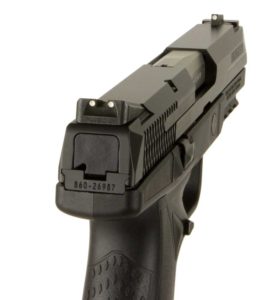
The slide is manufactured of stainless steel that has been finished in black Nitride because it creates a very hard surface and is extremely corrosion resistant. Instead of the square, blocky appearance of most semi-automatic pistol slides these days; this one has the square corners cut off so—while not rounded—it does have a more eye pleasing appearance. At the rear of the slide are serrations that do a good job of affording a solid purchase when racking the slide by hand. At the front of the slide is a slight bevel on each side near the muzzle that should help to guide the gun into the holster.
Atop the slide, Ruger installs Genuine Novak LoMount Carry sights with the familiar three-dot configuration. The sights are extremely rugged, used by many manufacturers as original equipment, installed by many as an aftermarket accessory, and because of their configuration, are less prone to snagging on clothing or slicing a finger when racking the slide under stress in an emergency.
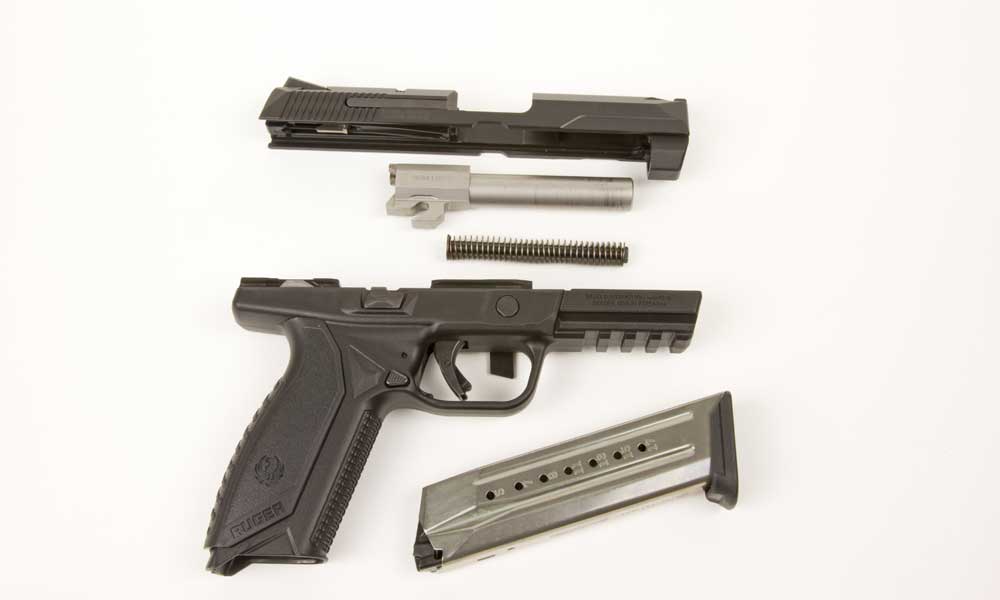
On the Range
Because of the different sized interchangeable backstraps, most shooters will probably find the gun comfortable to grasp. That is one of the first criteria most people use in selecting a handgun. Reliability though is the most important feature in a gun used for self-protection, and the gun ran without any malfunctions during testing for this article.
Ruger says that it has designed a special barrel cam for the American Pistol that reduces felt recoil by spreading unlocking of the slide, barrel and frame over a longer period of time. Without the same pistol built with a standard cam system to compare against though, there is no way to positively prove that felt recoil is reduced. However, in testing the gun, recoil was quite manageable. In the end, how comfortable a gun is to shoot is a subjective observation and is unique to each shooter.
The Ruger American Pistol is another new product by Ruger that is redefining the company compared to what it was in its early years. The gun is fairly affordably priced, and if it turns out to be as robust as so many of the company’s other guns, it will probably be well accepted. For more information call Ruger at 336-949-5200 or visit ruger.com.
Specifications:
Caliber: 9mm (reviewed), .45ACP
Barrel length: 4.20 inches, 1:10 RH twist
Overall length: 7.50 inches
Weight: 30 ounces
Grips: Glass-filled nylon
Sights: Novak LoMount three-dot
Action: Semi-automatic, striker-fired
Finish: Black nitride
Capacity: 17 + 1
Price: $579
Performance:
Load: Black Hills 124-gr. JHP
Velocity: 1,136 fps
Average Group: 2.80 in.
Best Group: 2.15 in.
Load: Federal 147-gr. Hydra-Shok JHP
Velocity: 981 fps
Average Group: 3.25 in.
Best Group: 2.53
Load: Winchester 147-gr. PDX-1 JHP
Velocity: 993 fps
Average Group: 3.32 in.
Best Group: 3.03 in.
*Bullet weight measured in grains, velocity in feet per second 15’ from the muzzle by chronograph, and accuracy in inches for three five-shot groups at 25 yards.
Editor’s Note: This article originally appeared in the Summer 2016 issue of Gun Digest the Magazine.
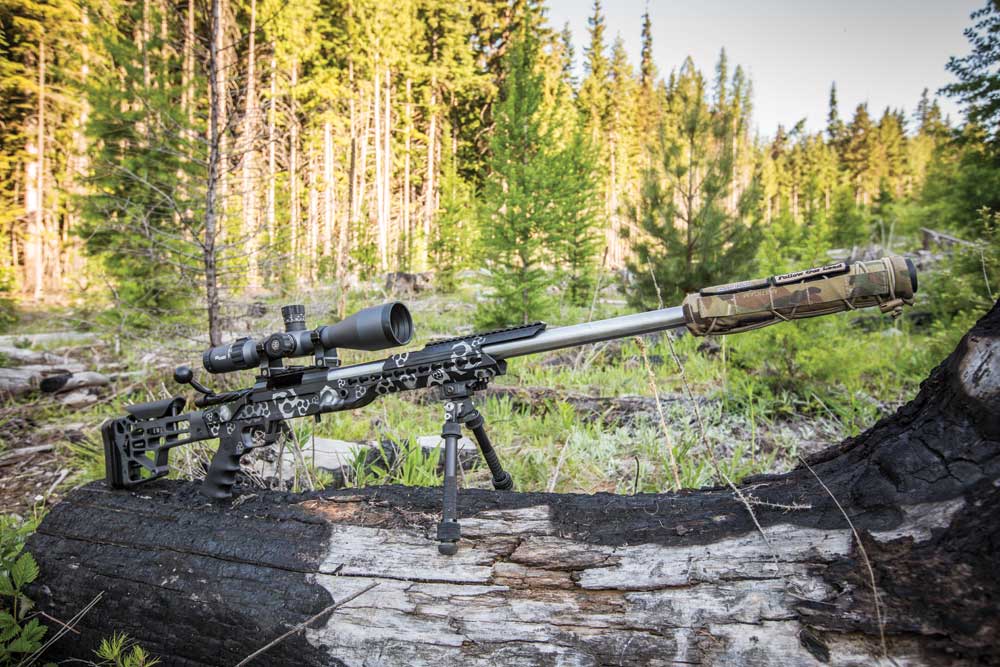
H&H Precision Rifles proves that a long-range tactical rifle can pull double duty in the competition and hunting worlds.
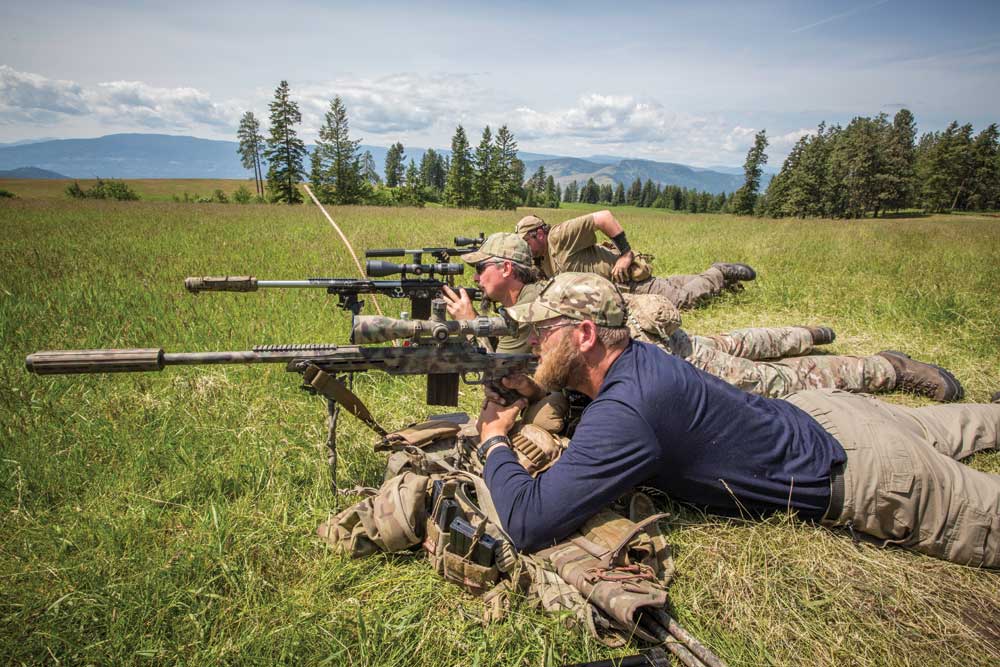
Brent’s story is unique because he’s a hunter who turned to long-range competition as an outlet for honing his shooting skills, and then learned how to use those skills on game animals. He burns through tens of thousands of rounds each year, as well as several barrels. He’s a diehard hunter, reloader, and constant competition champion.
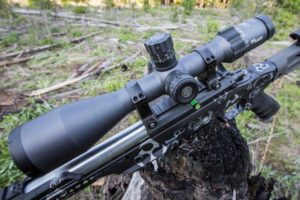
The rifle sports a stainless select, match-grade Benchmark barrel with an Orias chassis built by Killer Innovations and Mega Arms (MegaArms.com). The chassis is available in either M-Lok or Key-Mod, made with Billet aluminum, and is compatible with Accuracy International magazines. It also fits Remington 700 configurations in long or short action setups.
At The Range
After about a half-day of glassing and trekking through timber country, we spotted a bear about 450 yards away. Brent threw up his SIG Sauer Kilo 2000 rangefinder while Justin got into the prone position.
Mossberg 500
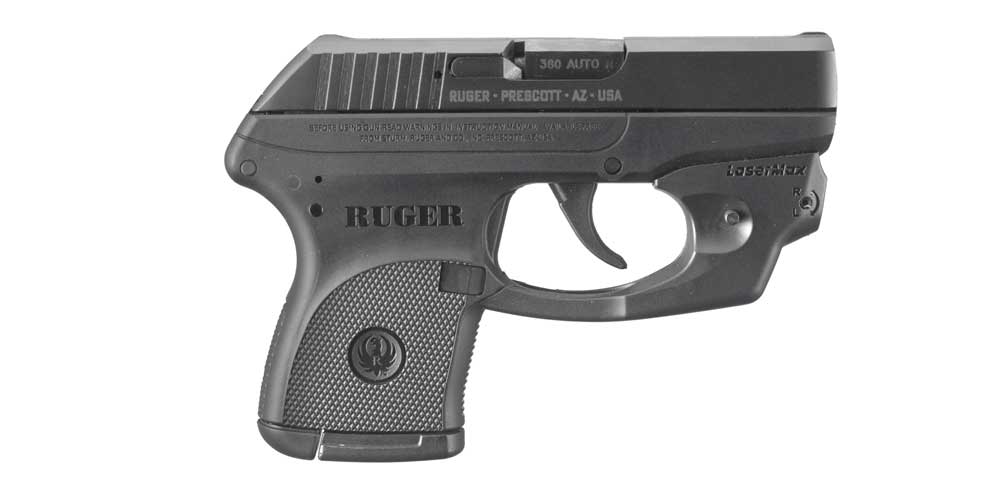
Ruger LCP
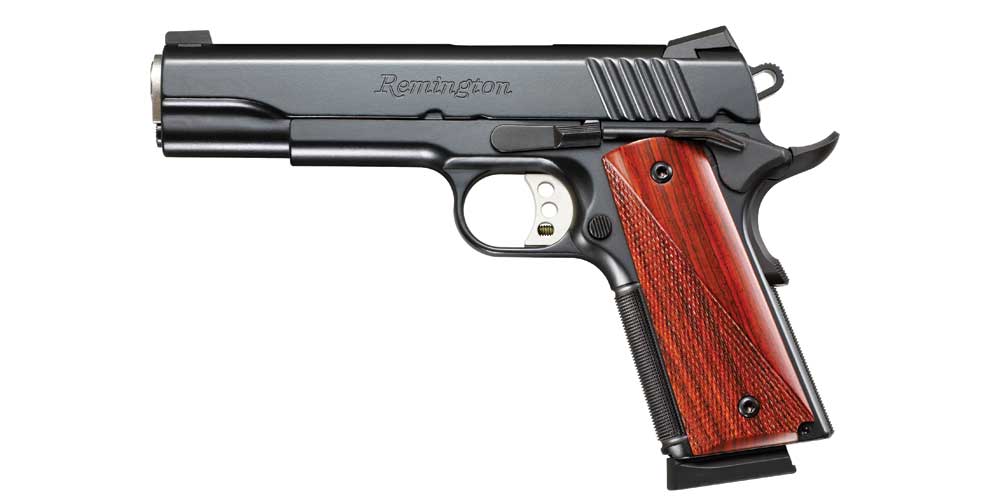
Colt 1911
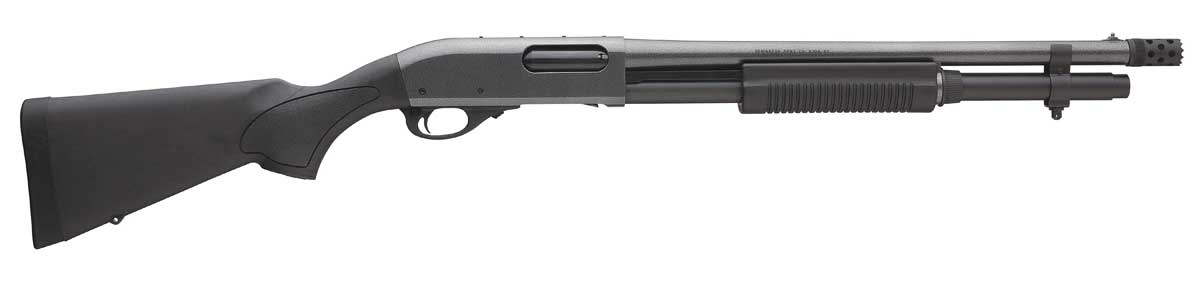
Remington 870
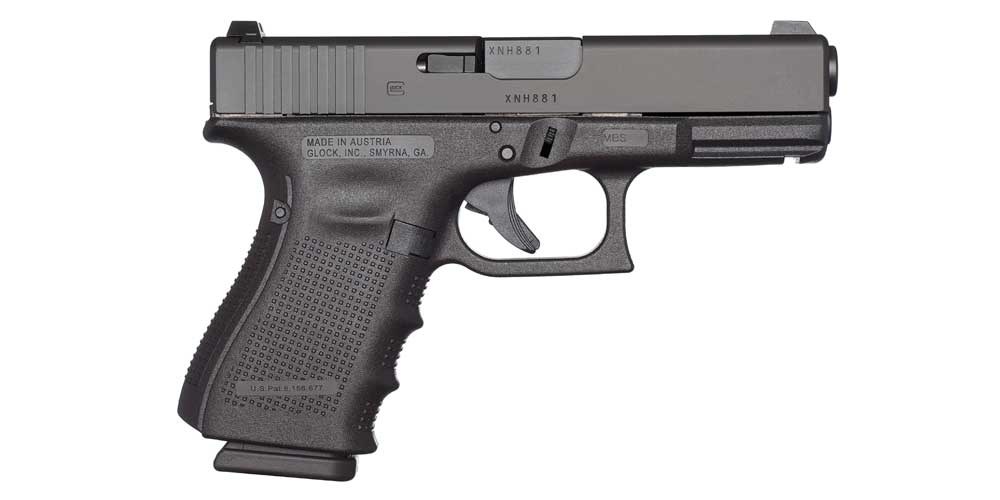
Glock G19
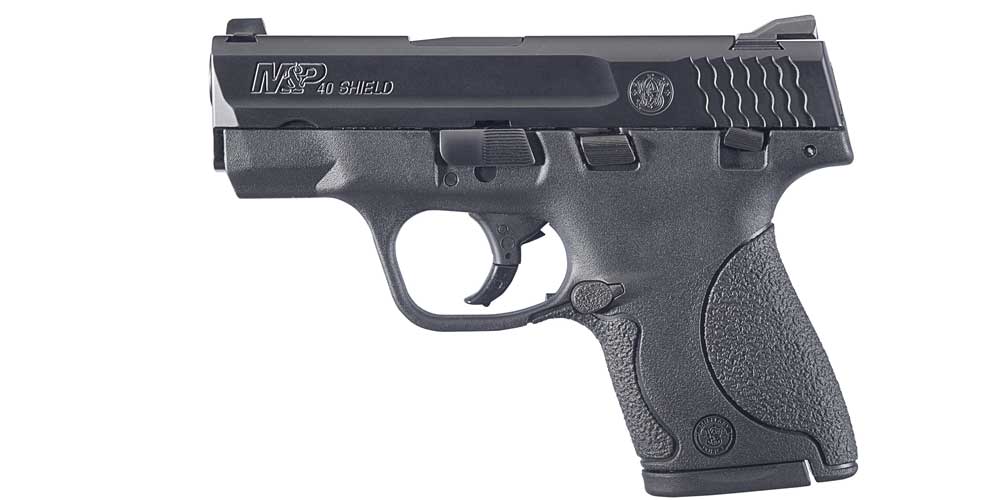
Smith & Wesson M&P Shield
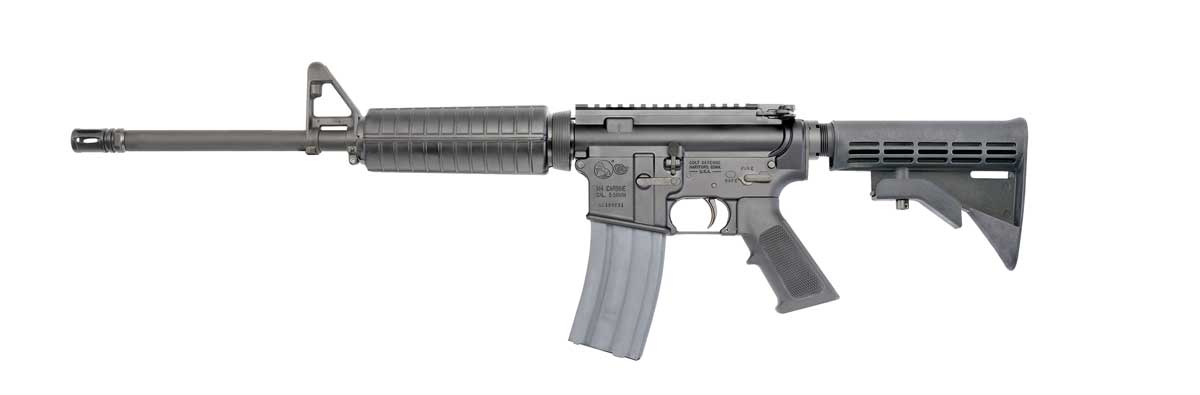
Colt Expanse M4
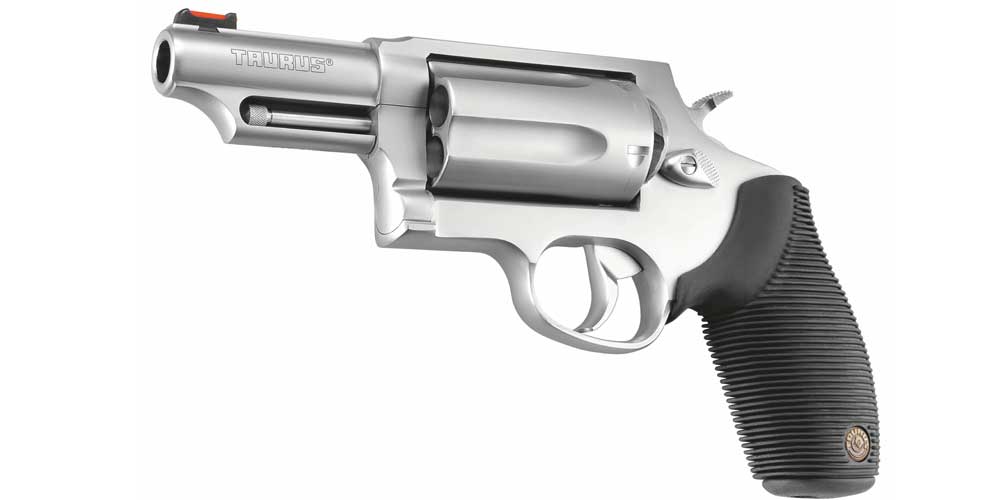
Taurus Judge
Whether during a training course or just in casual conversations with others, most shooters have probably heard some version of the phrase: “Train like you’d fight.” Shooters who plan on carrying every day or defending themselves from threats at home should train for the situations they might encounter in the real world, and they should do so with the actual equipment they plan on using in those situations. A full-size 1911 is a great gun to shoot, but if you carry a compact, polymer framed pistol or a pocket .380, then you need to train and become proficient with that firearm.
This cartridge was introduced in the United States in 1908 with the Browning-designed Colt-manufactured .25 Vest Pocket Automatic pistol. It had been introduced in Europe a few years earlier in the FN Baby Browning, which is practically identical to the Colt. The design of these two pistols has been copied by manufacturers all over the world. Dozens of different pistols have used this cartridge. American Arms, Beretta, Iver Johnson, Jennings, Lorcin, Phoenix Arms, Sundance, Taurus, Ortgies, Astra, Star, Kelt-Tech, Rohrbaugh, and Walther have all made pistols in this chambering. The .25 Automatic offers surprising velocity for such a small cartridge. However, delivered energy is quite modest. This, combined with the full metal jacketed bullet of the conventional load, adds up to very poor stopping or killing power on anything. Lighter, expanding bullets lack adequate penetration or delivered energy to suggest any significant improvement. The .25 Auto is not powerful enough for hunting anything but pests, nor is it adequate for serious self-defense. However, .25 Automatic pistols are popular because of their small size and low cost. Their principal usefulness might be as a threat, because no sane person wants to be shot. Winchester and Hornady recently offered hollow-point loads in an effort to improve terminal ballistics.
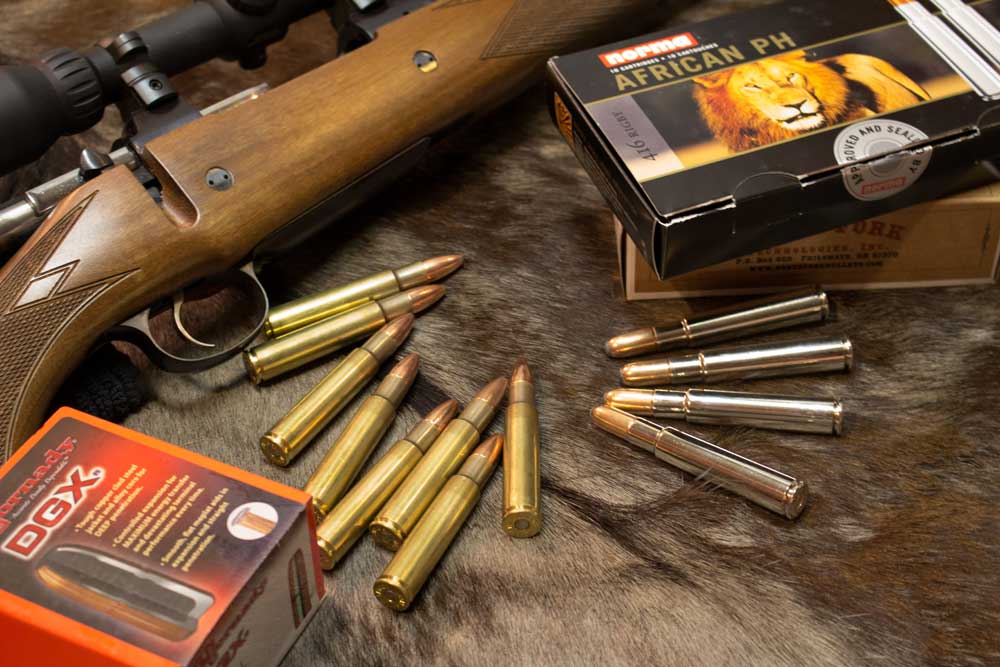
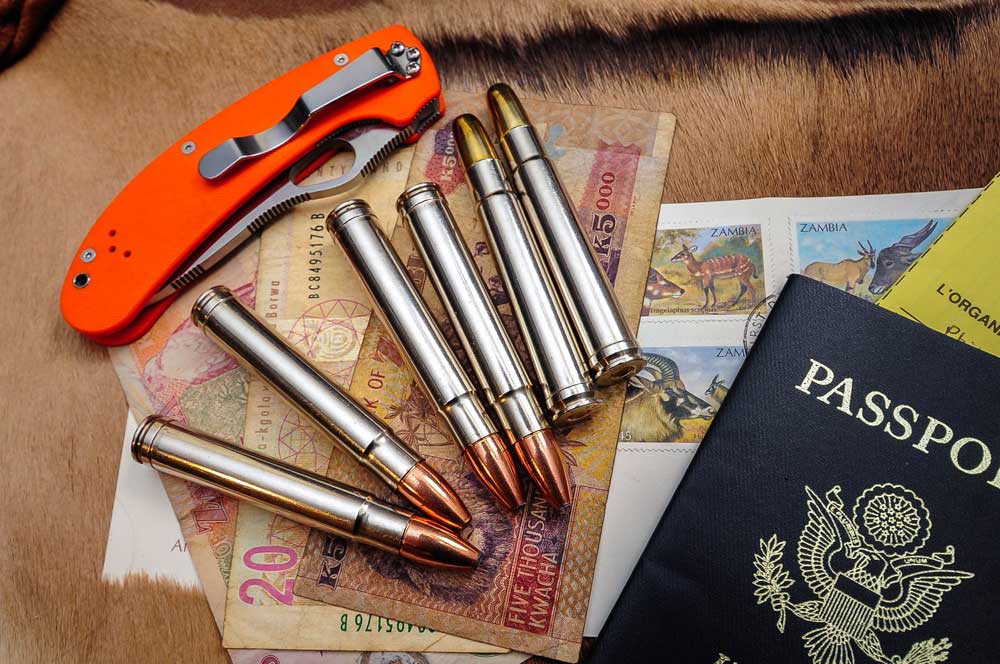
Dangerous game demands specialized cartridges with lots of stopping power and that are capable of penetrating thick hides. So which are the best dangerous game cartridges of all time?
The .375 Holland & Holland Belted Magnum


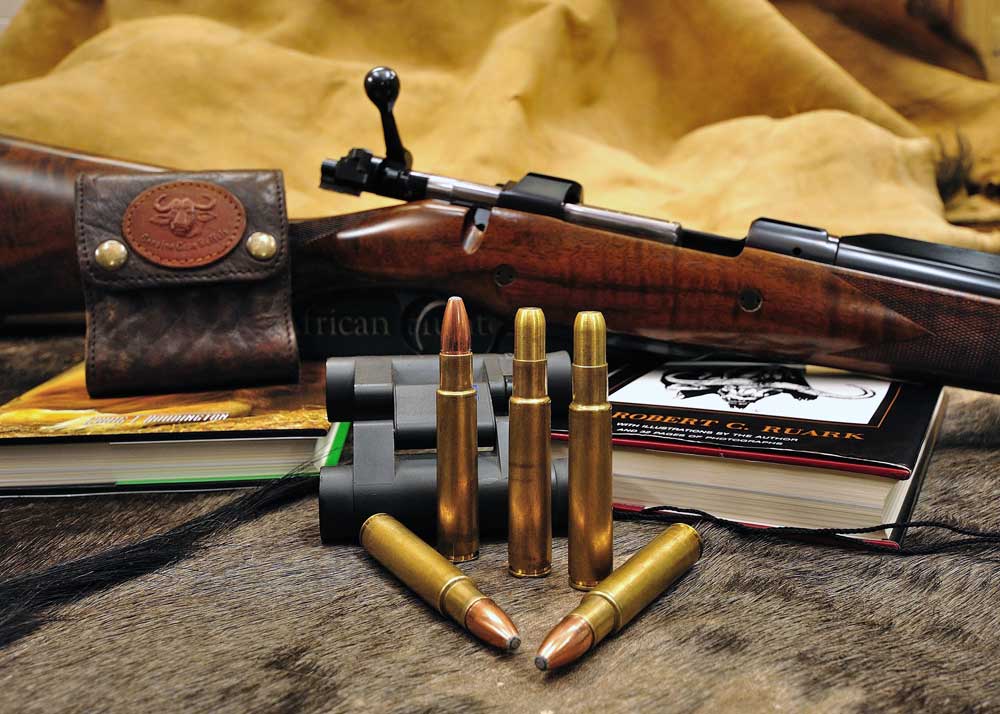
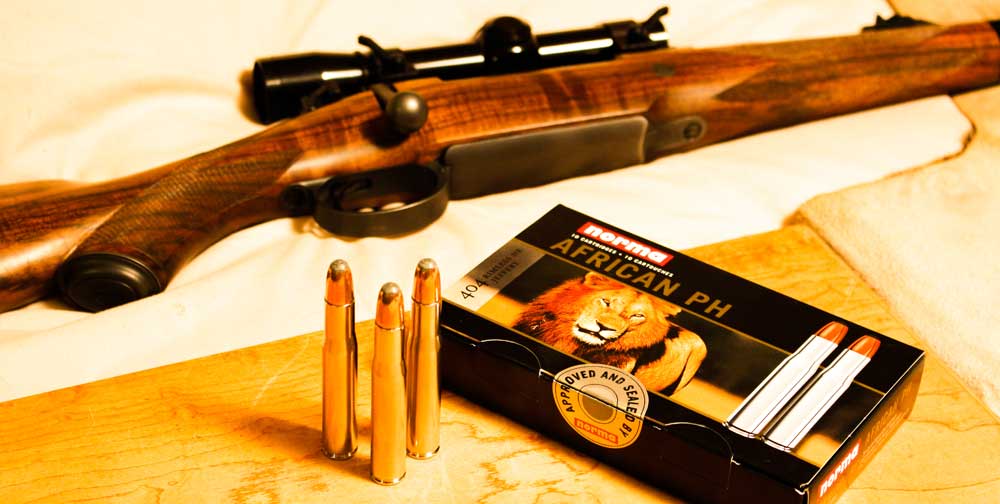
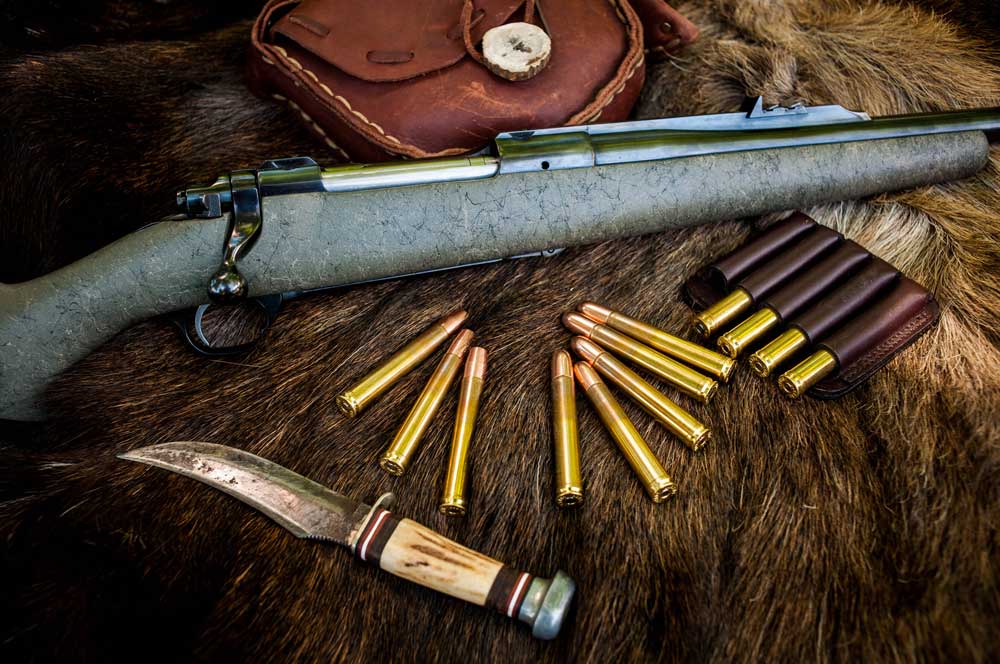
While the .416 Rigby took the lion’s share of the popularity, the .404 Jeffery was quietly doing the majority of the dirty work. The game rangers of Tanzania, Kenya, and North and South Rhodesia were issued .404 Jeffery bolt-action rifles for game control work. The Jeffery design saw the light of day around 1909 (accounts vary), to mirror the ballistics of the earlier .450/400, but in a repeating rifle. The original “.404 Rimless Nitro Express” used a 400-grain .423-inch bullet at 2,150 fps and was not only effective on all game—including elephant and rhino—but was also very easy to shoot well. Modern steel has resulted in a more potent, modern load: a 400-grain bullet at 2,350 fps, putting today’s .404 Jeffery in the same league as the .416s. I absolutely love this cartridge; its sloping shoulder allows the cartridges to feed as smooth as silk, and the versatility of the loads will let it purr like a kitten or roar like a lion. As a handloader, I like the premium 400-grain bullets—like the Woodleigh Hydrostatically Stabilized solids—at around 2,275 fps. My Heym Express prints them into sub-MOA groups, and my, is it effective. I took a huge-bodied Zimbabwe bull elephant with my .404 Jeffery, giving complete penetration and exiting on two body shots. You really can’t ask for any more than that from a dangerous game cartridge.
The .458 Winchester Magnum
An insurgence in India resulted in the British Empire banning all .45-caliber ammunition in the early 1900s, so as a result, gun makers needed to replicate the ballistics of the dangerous-game-proven .450 Nitro Express, yet in a different bore diameter. Joseph Lang took the .500 Nitro—a beast of a cartridge—and necked it down to hold 0.475-inch bullets, and the .470 Nitro Express was born. Mind you, the recipe is a familiar one: 500-grain bullet at 2,150 fps, but with a bit more frontal diameter and yet enough sectional density to penetrate even the honeycombed bone of an elephant skull. Among the diverse selection of Nitro Express cartridges that came along to replace the .450 NE—the .475 NE, the .475 No. 2 Jeffery, the .500/465 NE, and the .476 NE were others—the .470 became the industry standard as a Professional Hunter’s stopping rifle. It remains a popular choice to this day, with factory ammunition readily available, and many great double rifles being produced annually in this caliber.
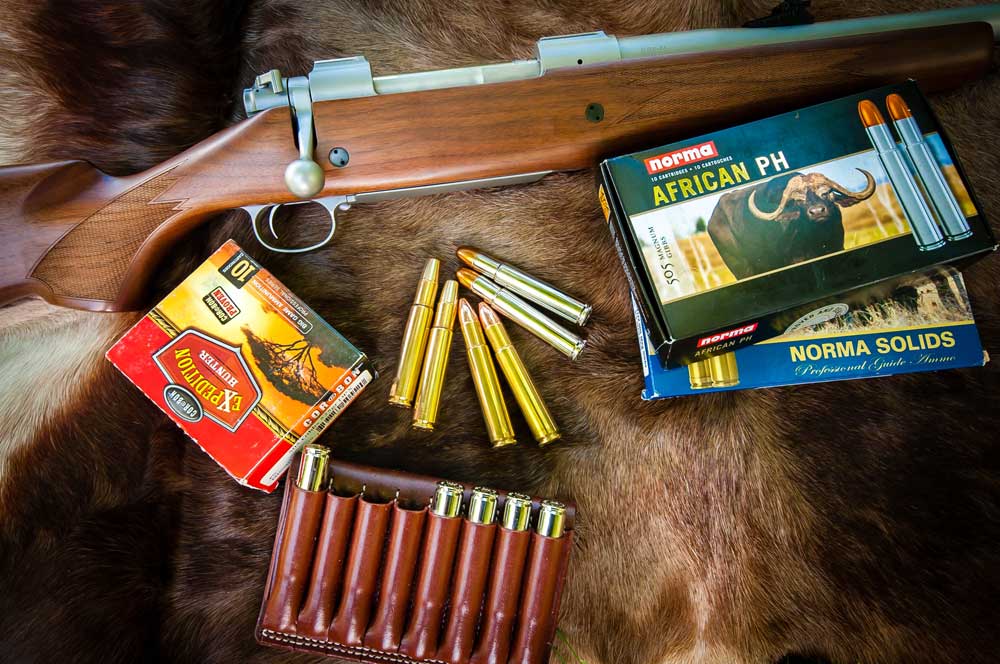
Let’s make this simple: Any cartridge over .50-caliber that will push 525-, 570- and 600-grain bullets over 2,000 fps will make a good stopping rifle. Some of them are reserved for the double guns—like the rimmed .500 Nitro Express—and others designed for the repeating rifles—like the .500 Jeffery—but my favorite among these is the .505 Gibbs Magnum. The big Gibbs case will need 130 to 145 grains of powder to push those huge bullets, and it pushes the big 570- and 600-grain slugs to 2,100 fps, for just under 5,900 ft.-lbs. at the muzzle. Couple that with the huge frontal diameter (.505-inch) and you’ve got an elephant stopper that isn’t all that terrible on the shoulder. While it’s rather obvious that the .505 isn’t a long-range rifle, it has what it takes when the distances are measured in feet, not in yards. CZ makes a fine rifle, and Montana Rifle Company makes their DGR with a nice big muzzle brake that actually makes it quite comfortable to shoot. The .505 Gibbs is a specialty cartridge that is designed for the heavyweights; it really doesn’t make a whole lot of sense to use it on lighter game, as there are much better tools for that job. But, if you want to put an exclamation point at the end of the hunting sentence, the .505 Gibbs will do just that.
Airsoft and air guns add another dimension to your training regimen, bridging the gap between dry-fire and live-fire training.

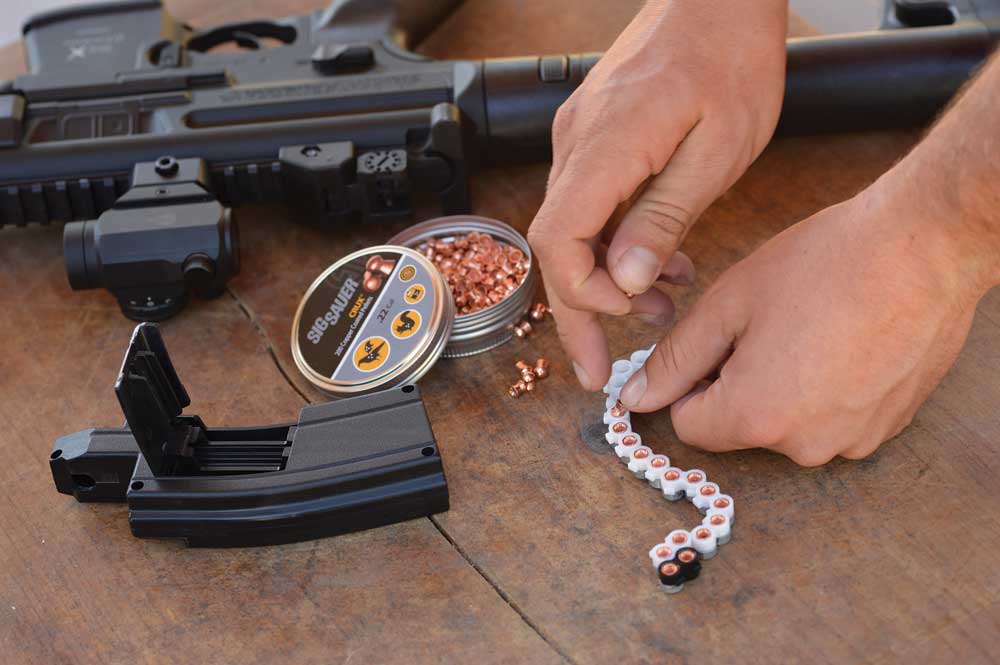
So, my recommendation for equipment to get the most from your money and time would be to acquire an Airsoft or air gun replica of your primary carry gun. It should either fit your EDC holster, or you should purchase a copy of your holster that fits the replica. Next, if it exists for your Airsoft or air pistol, get at least one extra magazine and mag pouch. Lastly, I recommend you buy a dedicated target system. SIG Sauer, for example, has an entire line of shooting targets that make training more enjoyable and rewarding.


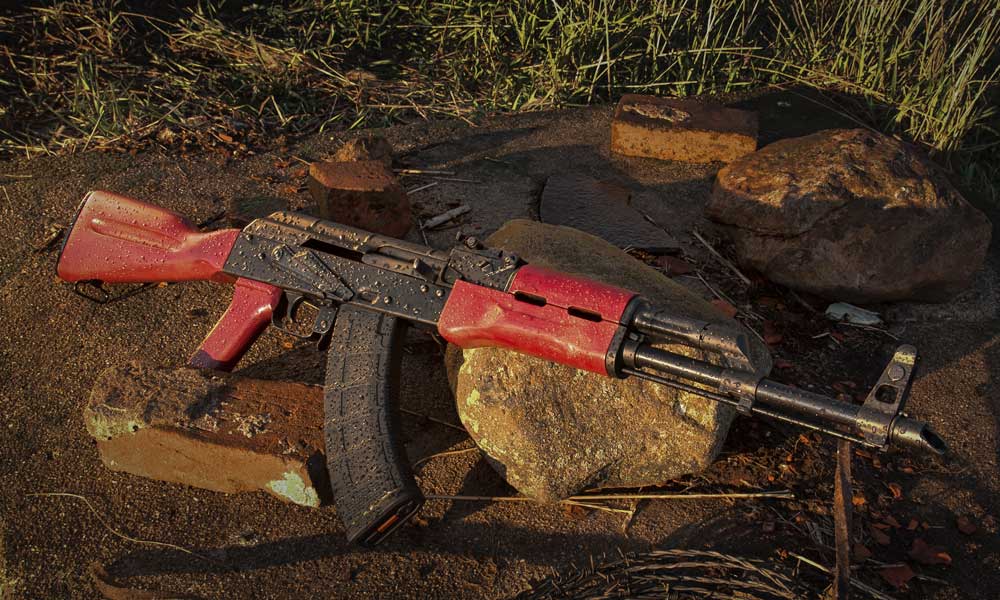
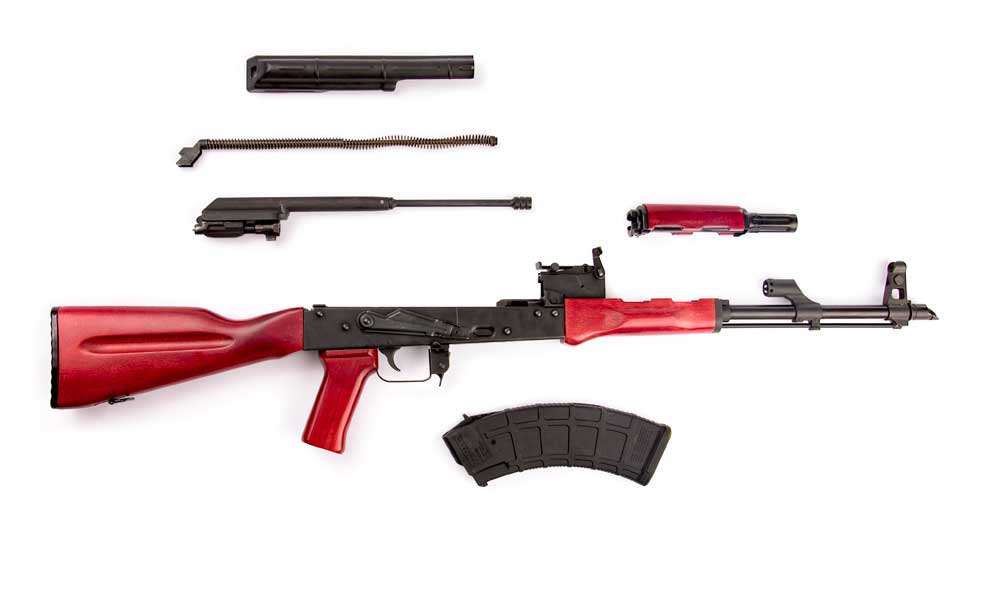
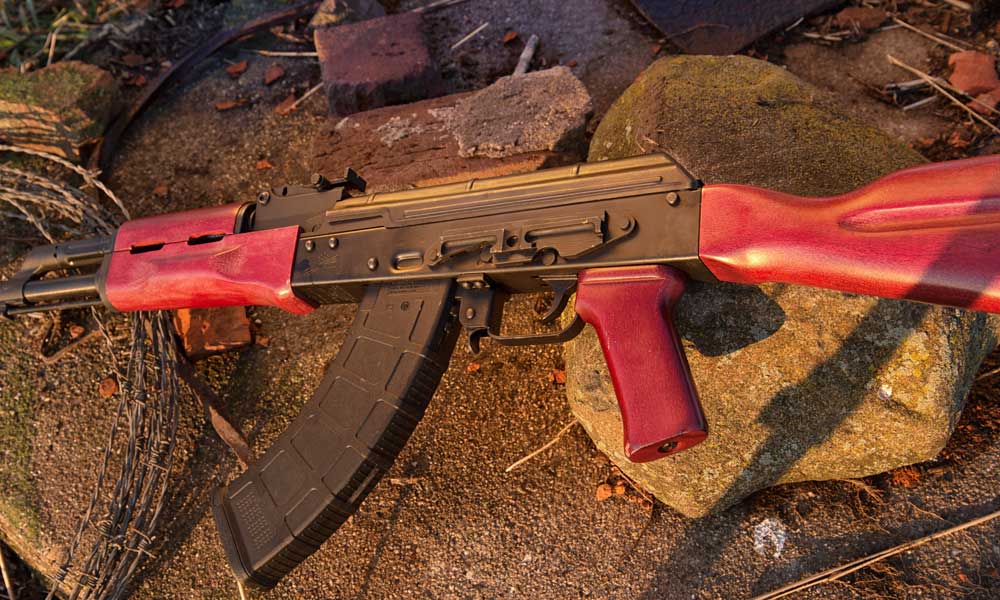
The new PSAK-47 Gen2 Classic Red remasters the iconic Soviet rifle south of the Mason-Dixon Line.
When PSA decided to bring an American-made AK to market, it looked at Russian, Chinese, Romanian and Bulgarian blueprints and decided to build a rifle that was a blend of all the good characteristics.
AKs are legendary for reliability, and PSA takes an extra step to ensure that. PSA tests each rifle with both inexpensive steel-cased ammo and brass-cased ammo and runs through 15-20 test rounds to ensure reliable functioning.
The trigger had a bit of take-up before it broke at a clean 5.5 pounds. The reddish wood furniture is smooth and feels good in hand. The stock has a 13-inch length of pull (LOP). The gun comes with a Magpul 30-round PMAG magazine. Total weight unloaded is 7.5 pounds; add another 1.5 pounds with a fully loaded 30-round magazine.
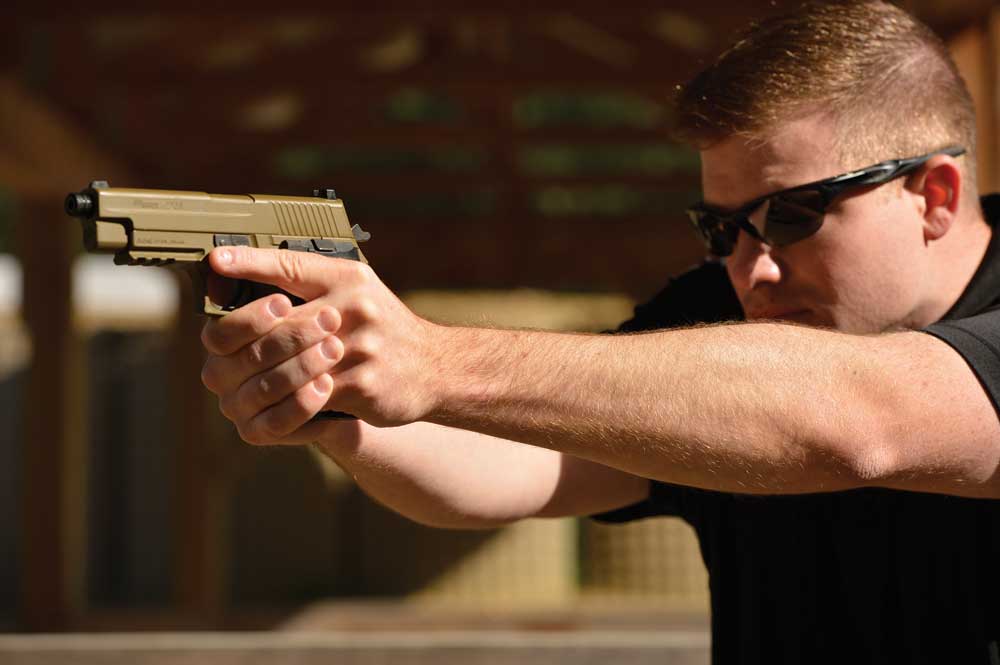
I fired it offhand using open sights at 25 yards. The five-shot groups were small and whetted my appetite for distance. I mounted a Russian-built PK-01 VS red dot optic from Kalinka Optics (KalinkaOptics.com), which offers a variety of surplus and new Russian-built optics. Simple and rugged, the PK-01 VS features a 1 MOA red dot reticle with eight brightness settings; turrets are open and marked in Russian. It runs off one AA battery. The optic uses a clamp mount that slides onto the side mount of the PSAK-47 and clamps down tight.
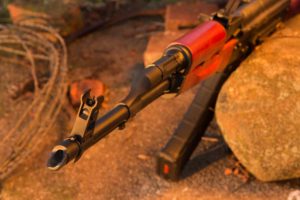
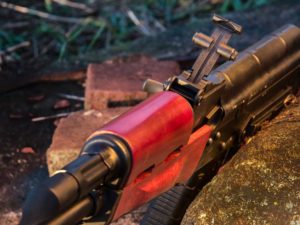
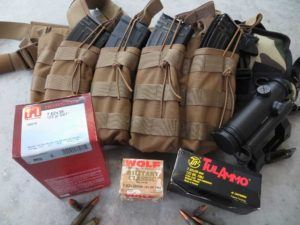
I also ran the rifle for speed wearing a Strike Hard (StrikeHardGear.com) AK chest rig, which holds four magazines secured with a shock cord retention system. It features an X-harness, so toting the magazines is comfortable. The 13-inch LOP on the gun made operating the rifle comfortable while wearing the chest rig. I ran the Classic Red with polymer PMAG and metal surplus Polish magazines. My preferred technique with AK reloads is rock-and-lock: using a fully loaded magazine to sweep the AK’s magazine latch to drop the empty magazine, then hooking the forward edge of the loaded magazine into the magazine well and rocking it into the magazine well until it locks. It ran flawlessly on all the ammo. While operating the Classic Red it was evident PSA put time into the action. It operated smoothly, and the safety selector worked positively, too.
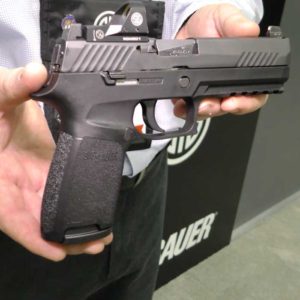
One of the advantages of this – aside from the fact that SIG is bringing its quality manufacturing standards to other industry products – is that SIG can now more effectively integrate the new accessories it’s producing with its classic firearms designs. An excellent example that is new for 2016 is the SIG P320 RX, which mates the manufacturer’s impressive P320 pistol with the company’s equally impressive Romeo 1 reflex sight.
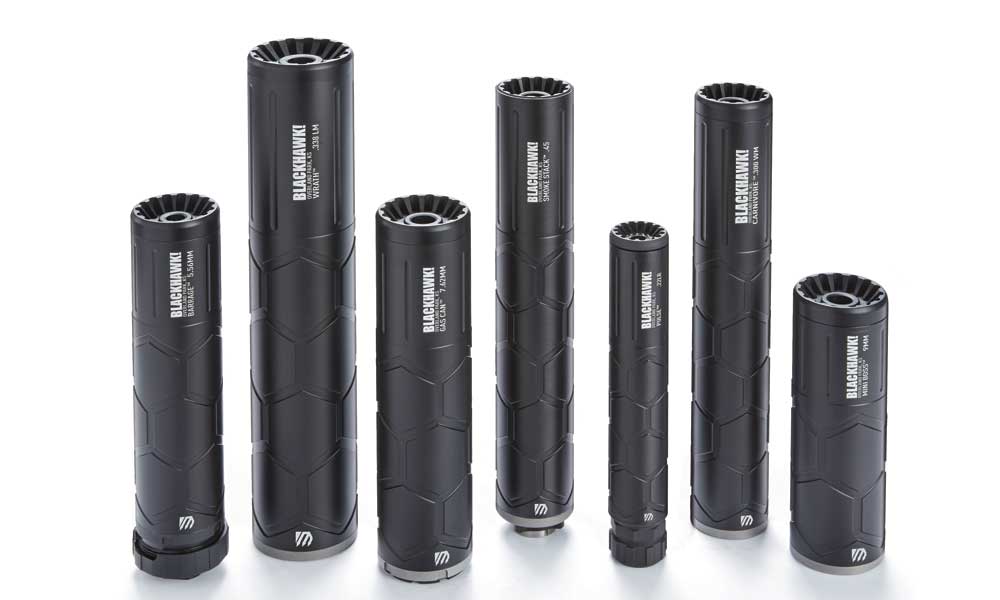
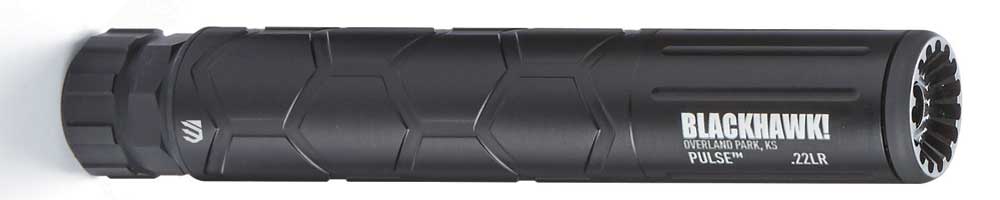
Blackhawk Pulse
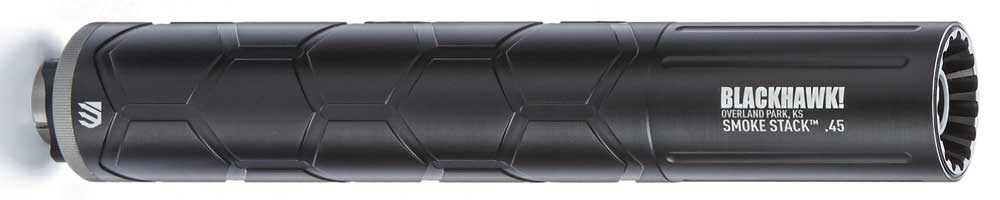
Blackhawk Smoke Stack
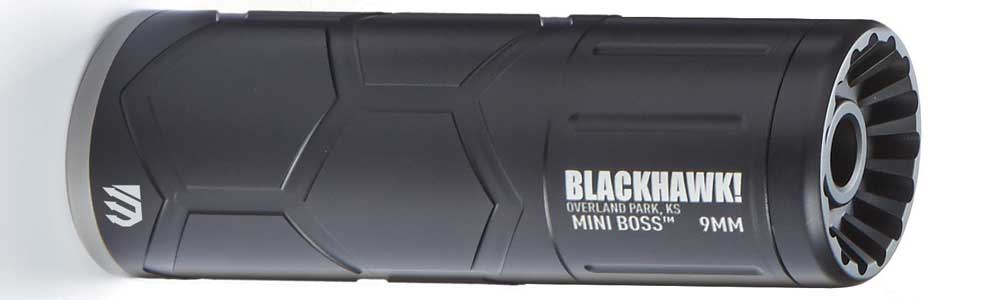
Blackhawk Mini Boss
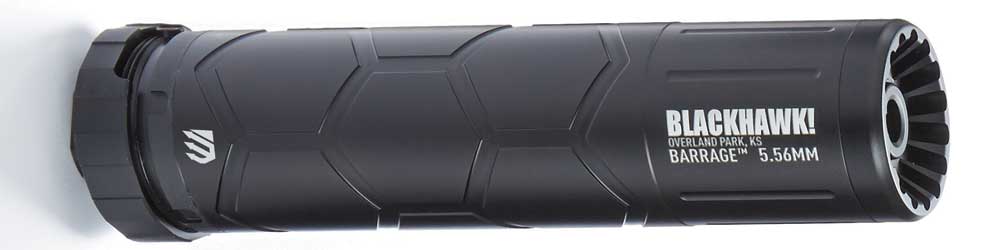
Blackhawk Barrage
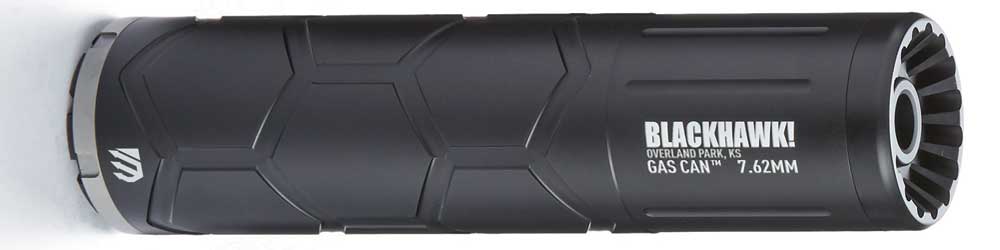
Blackhawk Gas Can
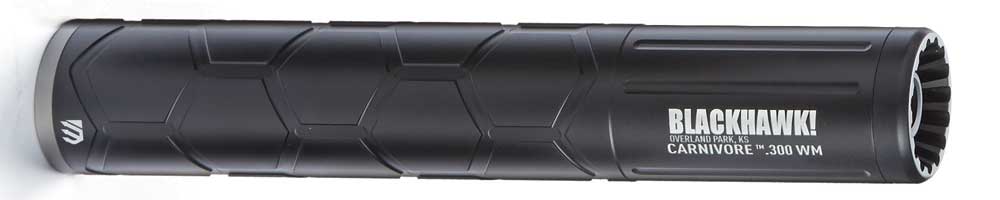
Blackhawk Carnivore
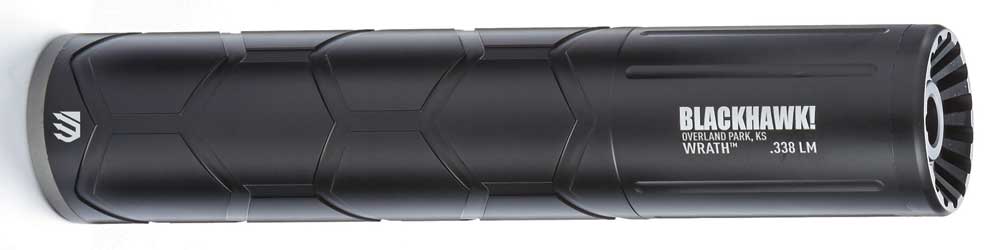
Blackhawk Wrath

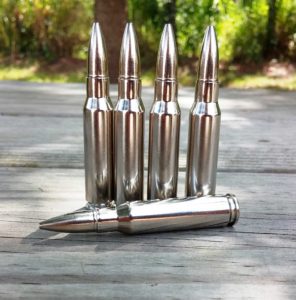
However, earlier this year during the 2016 SHOT Show in Las Vegas, Liberty Ammunition unveiled its very first hunting round – a .308 Winchester in the manufacturer’s Animal Instinct line, also brand new. Now this exciting new round is beginning to ship out from the factory.![Best Concealed Carry Guns In 2026 [Field Tested] Wilson Combat EDC X9S 1](https://gundigest.com/wp-content/uploads/Wilson-Combat-EDC-X9S-1-324x160.jpg)


![Best 9mm Carbine: Affordable PCCs [Tested] Ruger Carbine Shooting](https://gundigest.com/wp-content/uploads/Ruger-Carbine-Shooting-100x70.jpg)
![Best AR-15: Top Options Available Today [Field Tested] Harrington and Richardson PSA XM177E2 feature](https://gundigest.com/wp-content/uploads/Harrington-and-Richardson-PSA-XM177E2-feature-100x70.jpg)