
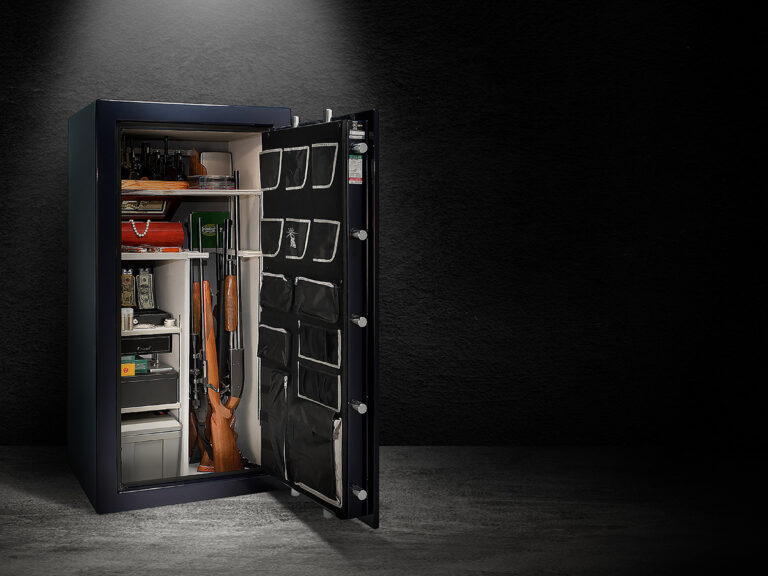
Shooters store cartridges, firearms and other valuables in their gun safes, with the idea that the big metal boxes will give up the goods when asked. But what happens when your safe says, “No”?
I got my Liberty Lincoln L-15 Deluxe model gun safe back in 1995 because I was a new father who had guns and ammunition in the house and a couple of just-ambulatory children. Anyone who has faced this problem probably worked through the process much like I did. The worst outcome wasn’t some bad guy getting in, though that would be plenty bad, of course. No, the worst outcome I could imagine was one of my kids getting a gun and ammo I left out and hurting themselves. So, secure storage was a requirement.
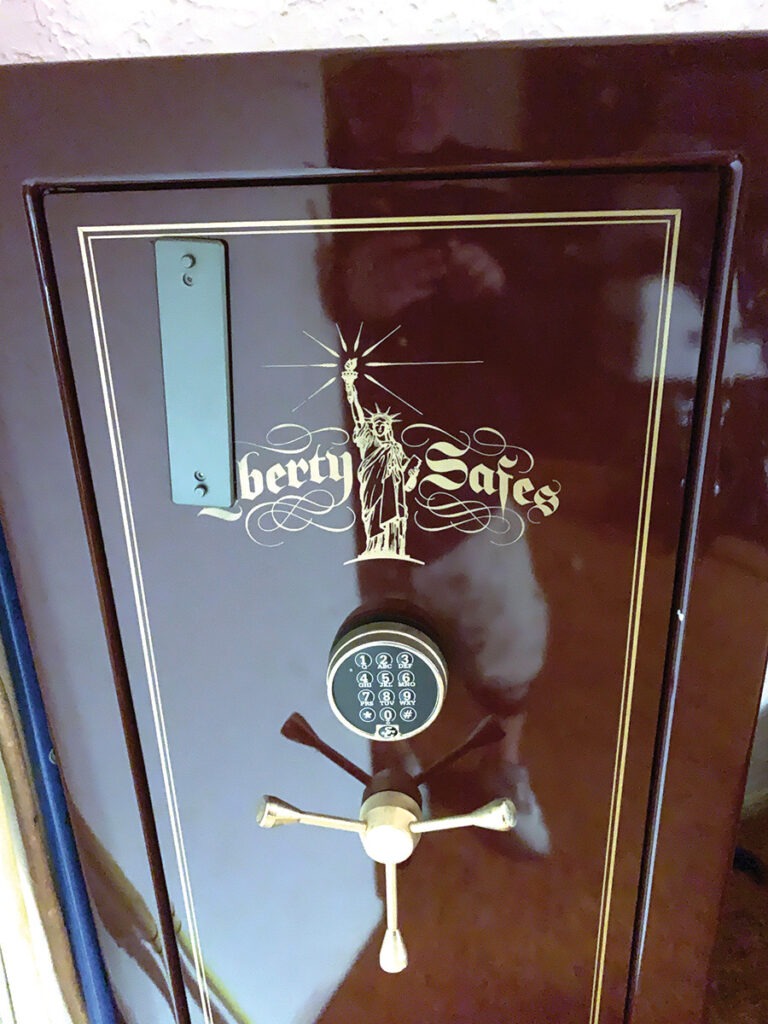
I quickly realized that I needed a perfect system. Not pretty good, but foolproof. One way to do that would be to lock up the guns and ammo separately, and never allow both to be out unattended, ever. Because the guns were much bulkier and took up much more room, the easier answer was to store cartridges in the safe, so that there were never loaded rounds available for guns I might temporarily store in my office for photography or administrative use. Then, I could lock the gun actions individually outside the safe while I was on site and store them when I was away. So, I wound up putting a lot of ammo in the Lincoln over the years. Because of these safety features, we never had any issues or scares.
Well, great, right? The kids grew up with only the holes that God gave them, and as adults, they moved away. But, out of habit, I kept the same storage system until 2020. I had a chance to go deer hunting for the first time in years, so I went to the safe to get my pet 25-06 Remington loads and go to the range.
When I bought the safe, I chose a Sargent & Greenleaf electronic lock because it was much faster to open than a dial lock, and I was in and out of the safe a lot, so I appreciated the convenience. This time, however, I hit the combination, and the numbers beeped when I keyed them, but I didn’t hear the “wearnt-wearnt” of the locking bolt moving. Just a “wearnt” sound, and no movement.
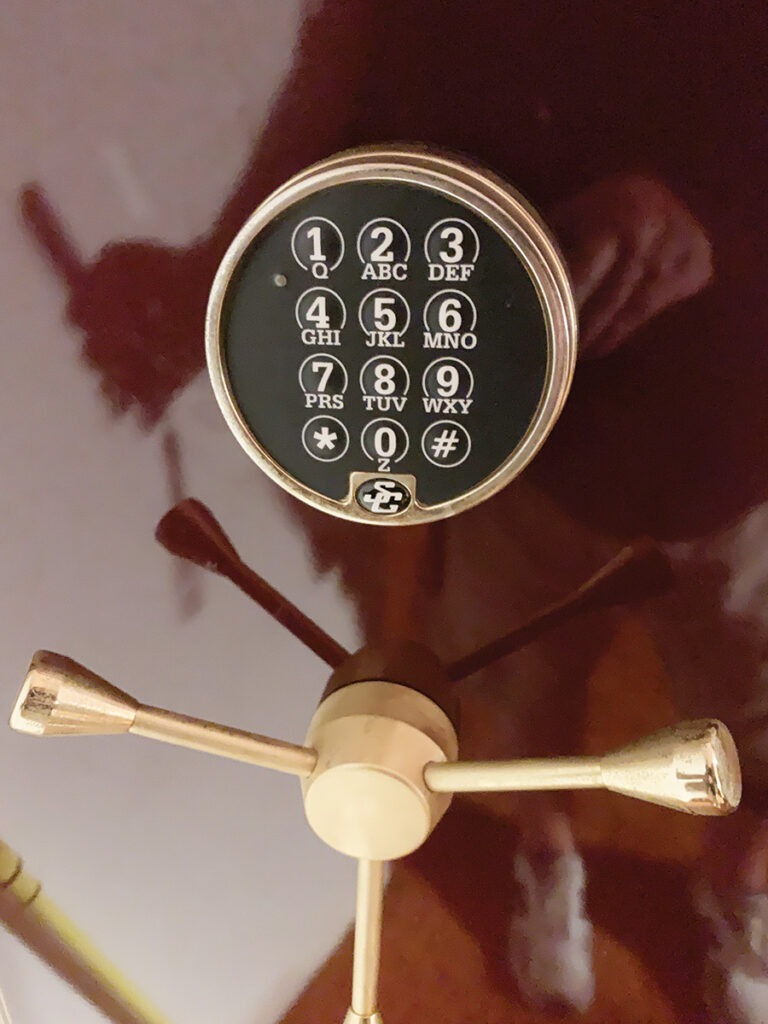
No worries. Probably just needed to change the batteries. Swapped them out with brand-new Duracells, and the keypad beeps sounded fine, but I still heard just a single “wearnt” sound after the combination. And the handle wouldn’t turn. Hmm.
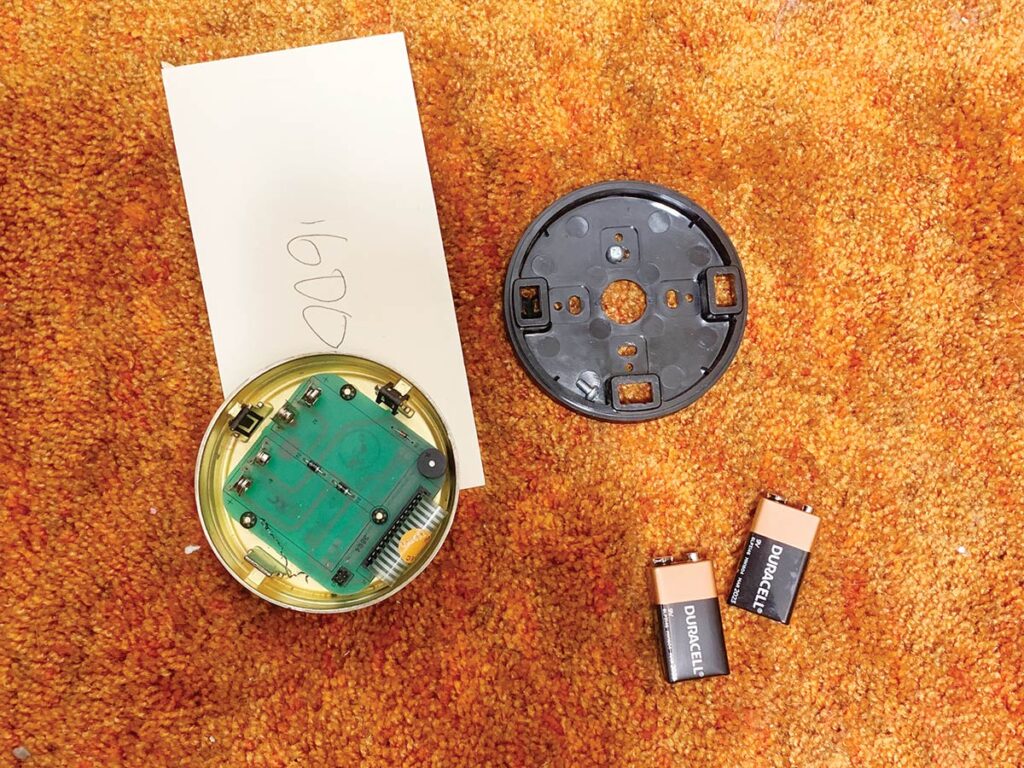
This had actually happened before when one of the four leads from the keypad to the lock mechanism had pulled loose, and needed to be reinserted. So, I popped off the keypad and checked the wires. All looked good.
Well, this was no bueno. I messed around for a couple of weeks trying to get the danged thing open to no avail. So, I eventually called a locksmith referred by the Liberty website, and that’s when the fun began.
The First Visit
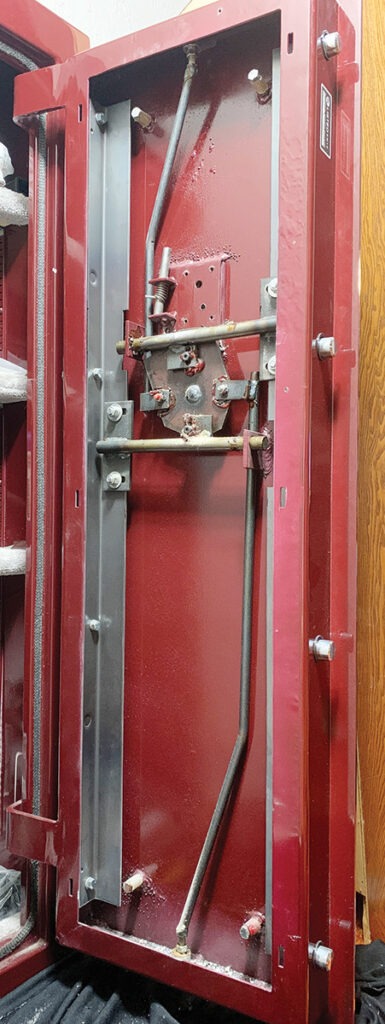
The locksmith came up to my second-floor office. He was a contractor for the local dealer who had humped the safe up the stairs many years ago. We looked at the safe documentation I had, and I got more bad news. I had the Deluxe L-15, which had a recessed 3/8-inch-thick hardened-steel door with triple relockers, 10 1-inch shielded bolts, and internal hinges. The sides and top were 10-gauge steel. The 24.5×60.5×20-inch box had 16 cubic feet of storage and weighed about 450 pounds unloaded. But with the ammo on its floor, it was much heavier than that. A Diamalloy hardplate, heat-treated to achieve a much harder surface, sat between the interior door surface and the front of the lock body to, of course, resist drilling of the lock. The only good news was that the safe wasn’t bolted to the floor.
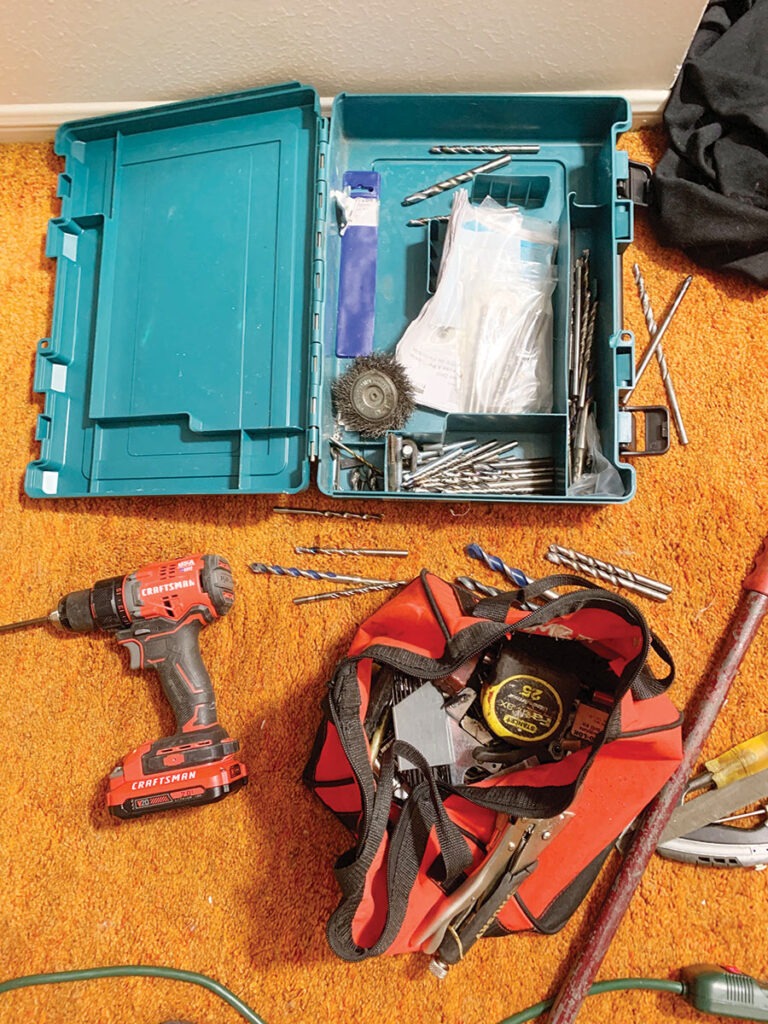
The locksmith used the master code. It didn’t work.
He said, “The lock mechanism is dead. Happens with the electronics. Sometimes they just quit. And we can’t get replacements these days because the boards are sourced out of China.” There weren’t any in the U.S., and there was no prospect of any becoming available for years.
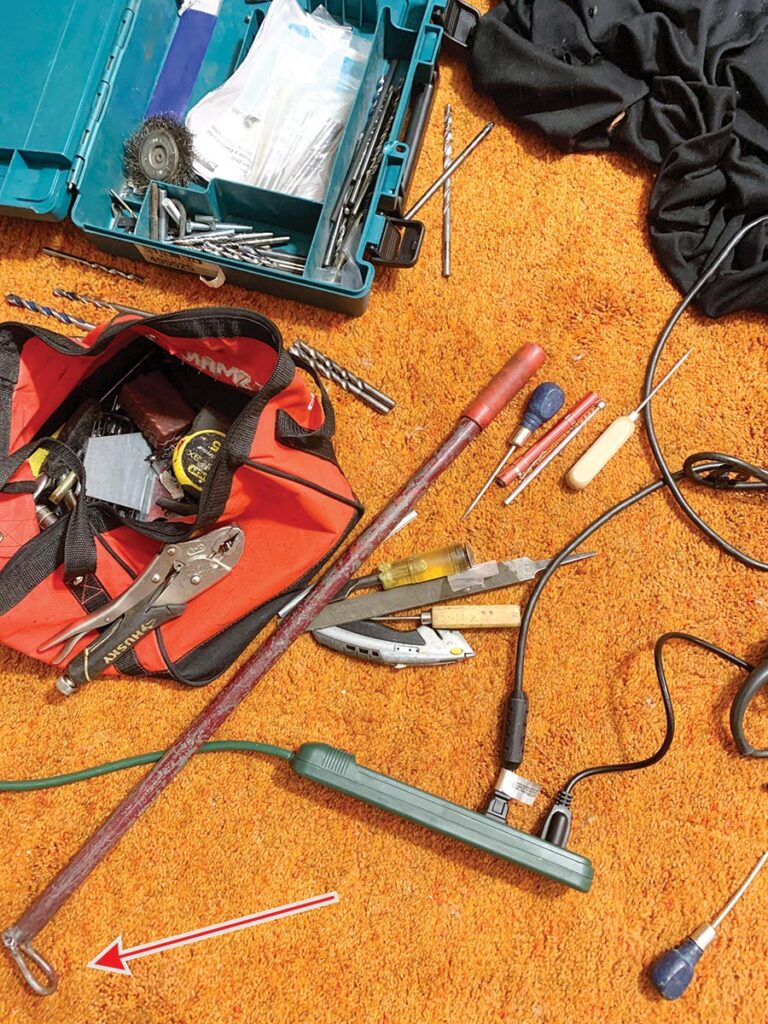
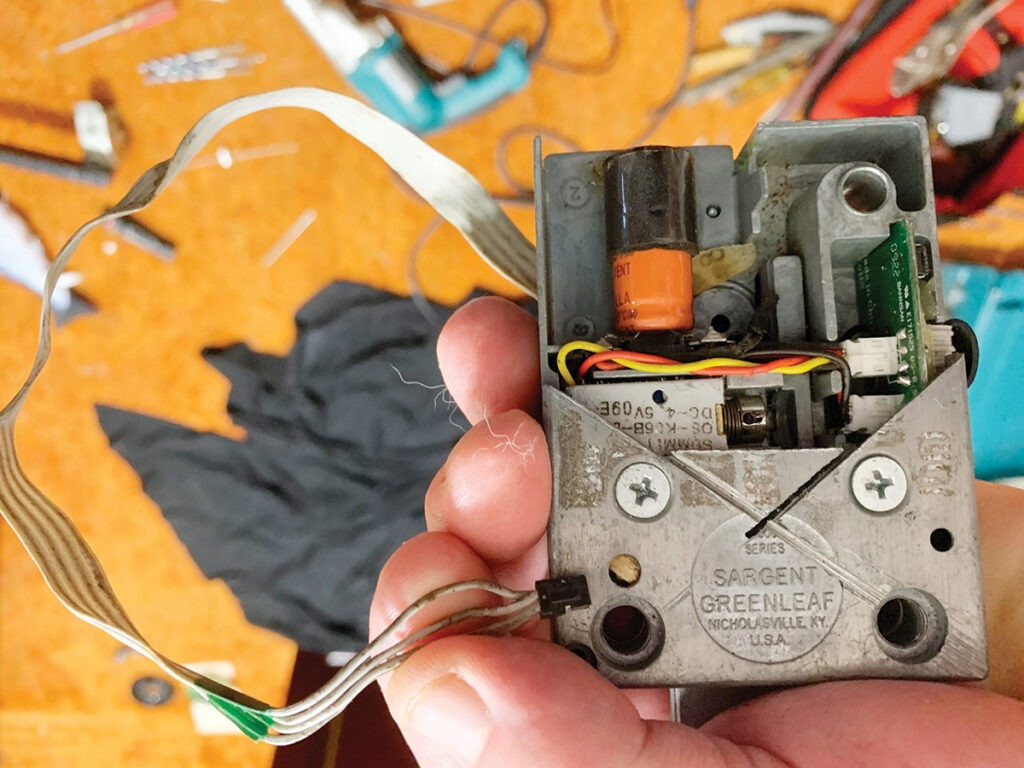
He explained that when the correct code is entered into the lock keypad, the electronic circuit activates a solenoid or motor that retracts the bolt (“wearnt-wearnt”), allowing the locking bar inside the door to move the locking bolts when the handle is turned. Because the circuitry had died, that bolt was stuck in place.
Well, crap.
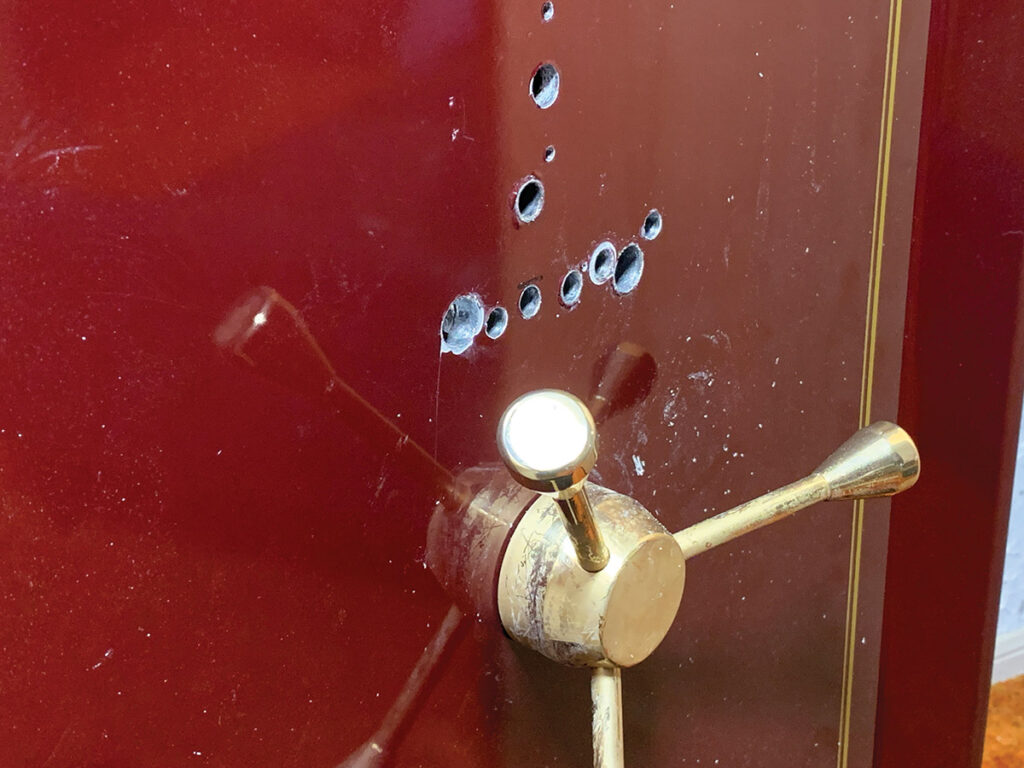
More common issues than a circuit-board failure are people forgetting their combinations, losing their keys, or damaging a mechanical lock, so being locked out wasn’t that uncommon. He said there were a couple of ways to get in.
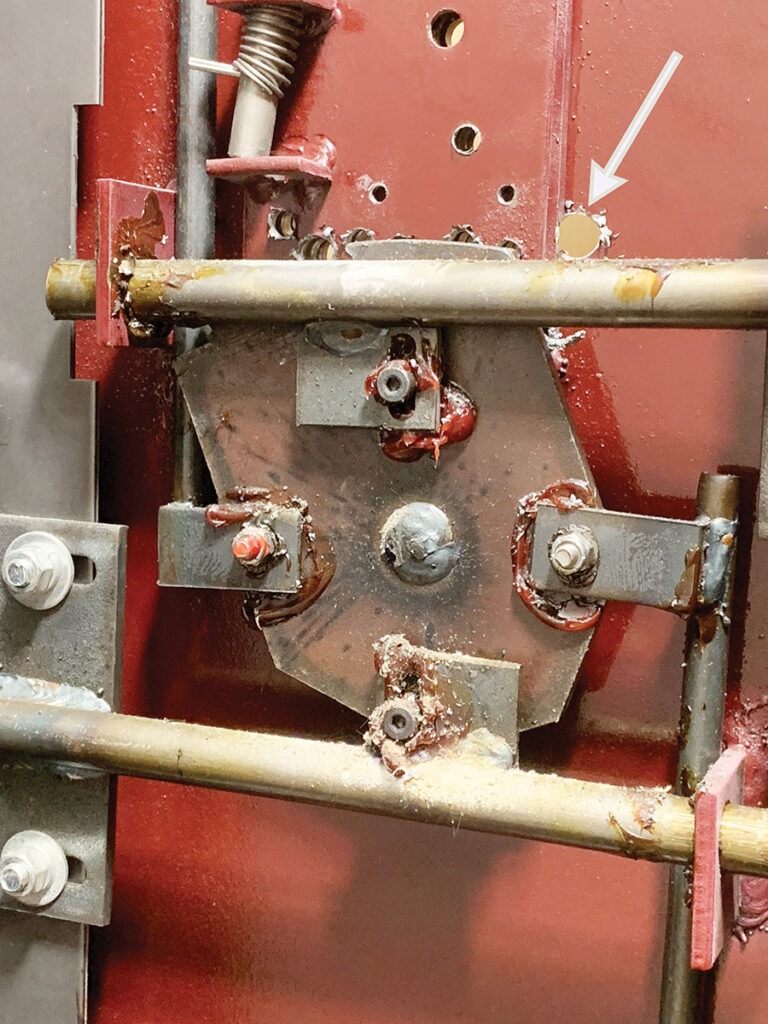
Grinding or torch-cutting a hole in the sides or back were two ways to get in, but both posed fire hazards, and the safe was in an upstairs carpeted office. Besides not wanting to burn the house down, I also ruled out grinding and cutting the safe open because of the sizable amount of handgun and rifle ammunition that was in there, along with several backup drives that couldn’t tolerate sparks or slag, and some guns and documents. Fortunately, there was no gunpowder, primed cases, unboxed primers, or other hazardous chemicals that could go boom in an enclosed steel box.
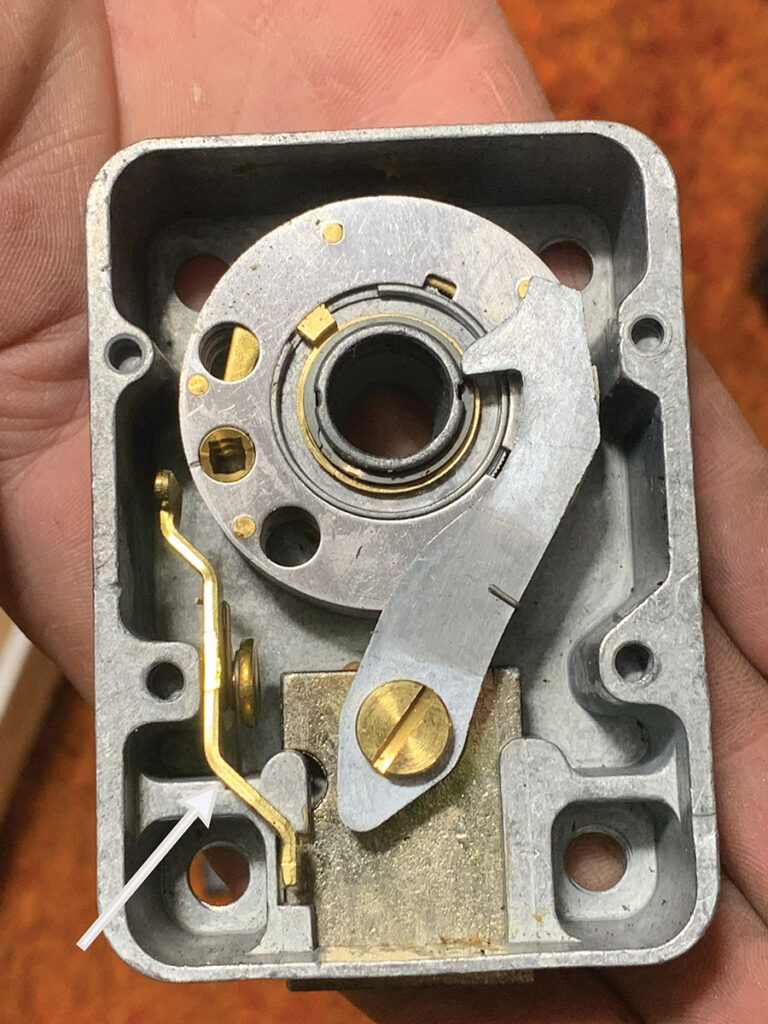
The locksmith also mentioned that the lock could be drilled out, basically a process of drilling to locate the lock inside the door and then driving the lock housing off the door with a punch. With the locking bolt moved, that would allow the door handle to retract the bolts in the door, et voilà.
Conclusion
When your gun safe goes kaput, it can be a real pain in the keister. If my experience with a failed electronic keypad has you second-guessing a gun safe purchase, you might consider a good, old-fashioned combination lock type. Either way you decide to go, learn from my experience and avoid the pitfalls. The final tally for my little misadventure? All in for drilling and new lock: $1,100. The experience of watching the process? Priceless.
Editor’s Note: This article is an excerpt from Cartridges of the World, 18th Edition.
Secure More Gun Safe Knowledge
- Complete Gun Safe Buying Guide
- 4 Best Hidden Gun Safe Manufacturers
- 4 Top Handgun Safe Choices For Security And Access
- Why You Need A Vehicle Gun Safe

Next Step: Get your FREE Printable Target Pack
Enhance your shooting precision with our 62 MOA Targets, perfect for rifles and handguns. Crafted in collaboration with Storm Tactical for accuracy and versatility.
Subscribe to the Gun Digest email newsletter and get your downloadable target pack sent straight to your inbox. Stay updated with the latest firearms info in the industry.



Had a electric selenoid went bad and had two locksmiths two days and the the factory on the line before they got it opened, new safe has a mechanical lock, after reading they last forever
I put my combination in an envelope and had a close friend put it in his gun safe; he did the same.
I feared that the possibility of say an EMP would zap an electronic safe, we paid a premium for a safe company to install one with a dial combo lock. A few years ago, I was having trouble opening it, and called them (they guaranteed future service for purchasers), and the locksmith was luckily able to get it open with a few attempts. Seems they initially did not properly tighten the dial assembly and it worked loose. They billed me for the service call because it was far outside the initial warranty, but it is functioning fine, and we still expect an EMP terrorist event.
Electronics always fail. So do mechanical locks, but I will always trust a mechanical one over electronic locks. The locksmith should not have had to drill all those holes. Instead, you go look at a similar safe and take measurements. While I was working as a contractor for in Ramadi, Iraq in 2004, the Marines asked me to open some safes whose mechanisms were worn out. These safes were full of 100USD bills for paying people in Iraq. I examined an empty safe and measured where I would need to drill. I was afterwards able to drill one hole in order to use a tool to reach in and operate the lock, which I did that day and later.
What about an EMP event. Would that fry a safe’s electronics? I think a mechanical lock, the old fashioned way, would be the best route, or a safe with a key system.
You can play the what if game all day long. The entire point of these hidden compartments is to secure forearms or valuables yet also have quick easy access in the event your house is being robbed. If an EMP hit you would have time to get a key and unlock whatever safe you needed before looting and idiots started pilfering people’s homes
I have a BEAR safe I bought back in 1990’s in Amarillo , TX. best safe . small but secure bolted to floor and the double key lock system / upside down in a small square hole to insert key backwards takes some getting used to.
as with any safe buttheads will find a way if they have time to tamper / steal .
second safe is the dial combo system . never will have a electronic coded opener. born to fail .
What about all the drill holes in the door? Nothing in the article explains how these don’t affect the security of the safe after the repair.
I lucked out. My electronic lock failed when the safe door was open!!!!! I had locksmith install new “old fashioned” mechanical lock. I even got the retain the same combination that I had with the electronic lock. Total cost was about $300.
I would not buy a safe with an electronic, and especially after news broke several years ago that some major manufacturer which I do recall shared serial numbers and combinations with some government entity. Mechanical lock may be a bit slower, but I have what I need without going into a safe.
Hang em on the wall to enjoy lock the room
Thanks for sharing your experience and the photos!! Wow! I love gun safes and I have bought several over 45 years. I came to the same conclusions and I have never bought a safe that did not have a key. Keys work great and most come with 2.
Forget that old fashioned combination lock. My buddy and I both bought Browning safes back in the early 90s, saved a little on shipping by doing them together. Everything fine for a few years. Then we both experienced “slippage” of the plates to new numbers. Turns out Browning even has a troubleshooting sheet for this problem. But no guarantee it won’t happen again. He had to call a locksmith, I was able to get mine open. Both probably opened no more than 30-40 times. Neither one of us would trust it again, so they have remained unlocked for 20 years. I will be buying a new safe soon, and it will be a Bear safe out of Oklahoma. Uses a high quality key lock that is virtually inaccessible to cutting tools, and standard key lock failures are virtually unheard of. And I can have additional keys cut locally.
I had the same problem with a Cannon Safe. After quite a bit of frustration, I took a reciprocating saw with a long metal cutting blade and cut the lag bolts that I used to bolt it to the wall studs and floor. Then I gently slid the safe out far enough to use a cutting blade on a small grinder. I cut a square hole large enough to reach my hand through and see the door from the back side. Sparks were no problem because there was a layer of 3/8”sheetrock as a fire/heat barrier. I used a razor to carefully cut the Sheetrock. No danger to the guns or ammo if you are slow and careful. Also, cut the Sheetrock hole just a little bit smaller so when you go back together it will hold the metal cut out making it easier to position. It sounds like a lot, but took all of fifteen minutes because I had never done it before. I thought of welding the hole cut out back in place but decided the hardest part was just moving the safe from the wall. So I taped everything back in place, and lag bolted it back to the wall studs. The moral to the story is that thieves are a pain in the rear, and most gun safes are only to keep honest people honest.
Imagine teaching kids not to touch guns without responsible adult supervision, then the only reason to have a safe would be to keep criminals at bay.
I really like your answer, because this is exactly what I did with my kids and grandkids. I certainly hope that no one ever try’s anything in this house, because they will be leaving with a belly full of lead.
Never go with electronic over mechanical.
I concur 100%.
When buying safes with electronic locks, smart people make sure there is an alternative method to opening it.