At GunDigest, we independently review products. However, we may earn a commission when you purchase through links on our site. Learn More
When Your Gun Safe Goes Bad
Shooters store cartridges, firearms and other valuables in their gun safes, with the idea that the big metal boxes will give up the goods when asked. But what happens when your safe says, “No”?
I got my Liberty Lincoln L-15 Deluxe model gun safe back in 1995 because I was a new father who had guns and ammunition in the house and a couple of just-ambulatory children. Anyone who has faced this problem probably worked through the process much like I did. The worst outcome wasn’t some bad guy getting in, though that would be plenty bad, of course. No, the worst outcome I could imagine was one of my kids getting a gun and ammo I left out and hurting themselves. So, secure storage was a requirement.

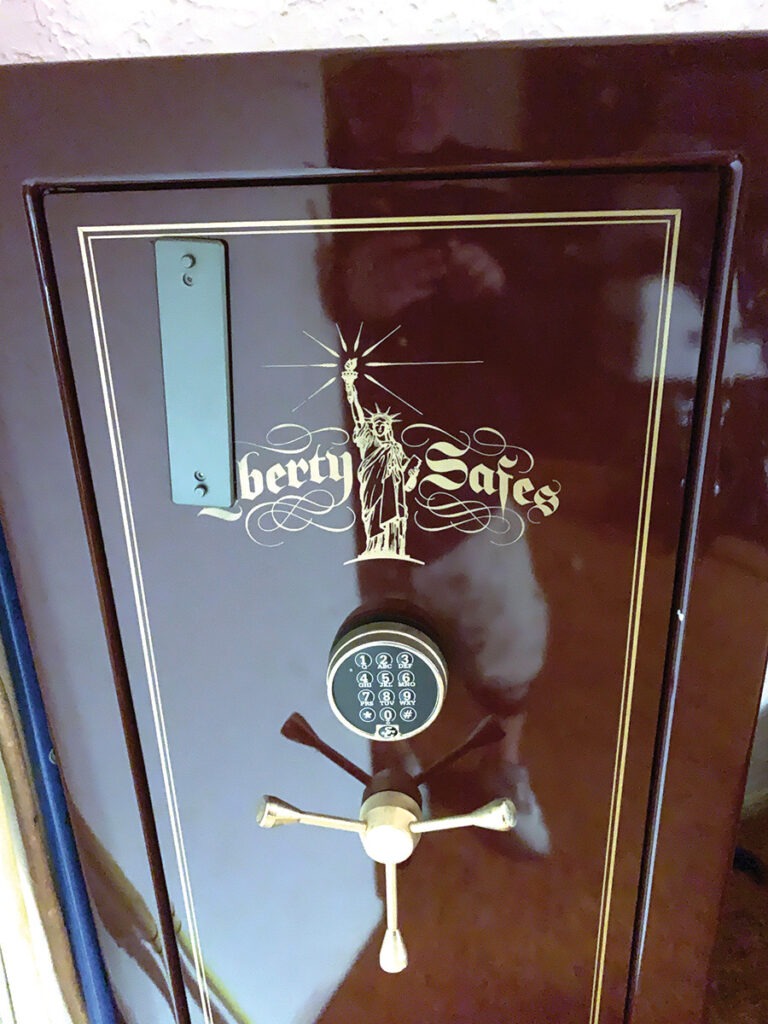

I quickly realized that I needed a perfect system. Not pretty good, but foolproof. One way to do that would be to lock up the guns and ammo separately, and never allow both to be out unattended, ever. Because the guns were much bulkier and took up much more room, the easier answer was to store cartridges in the safe, so that there were never loaded rounds available for guns I might temporarily store in my office for photography or administrative use. Then, I could lock the gun actions individually outside the safe while I was on site and store them when I was away. So, I wound up putting a lot of ammo in the Lincoln over the years. Because of these safety features, we never had any issues or scares.
Well, great, right? The kids grew up with only the holes that God gave them, and as adults, they moved away. But, out of habit, I kept the same storage system until 2020. I had a chance to go deer hunting for the first time in years, so I went to the safe to get my pet 25-06 Remington loads and go to the range.
When I bought the safe, I chose a Sargent & Greenleaf electronic lock because it was much faster to open than a dial lock, and I was in and out of the safe a lot, so I appreciated the convenience. This time, however, I hit the combination, and the numbers beeped when I keyed them, but I didn’t hear the “wearnt-wearnt” of the locking bolt moving. Just a “wearnt” sound, and no movement.
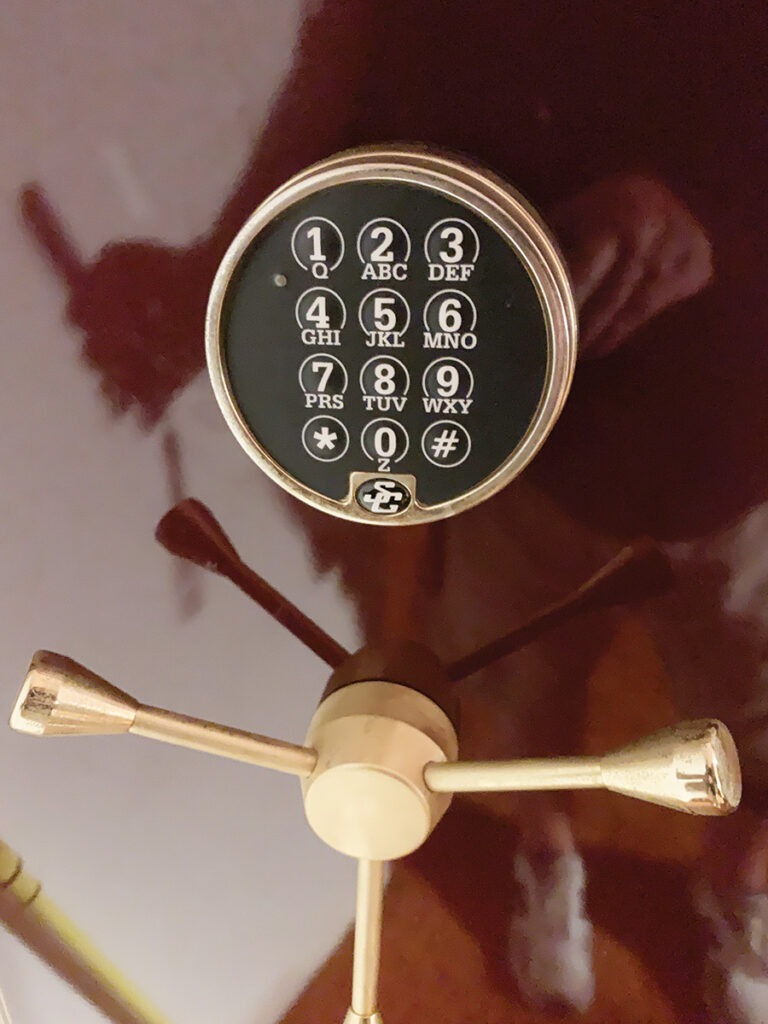
No worries. Probably just needed to change the batteries. Swapped them out with brand-new Duracells, and the keypad beeps sounded fine, but I still heard just a single “wearnt” sound after the combination. And the handle wouldn’t turn. Hmm.

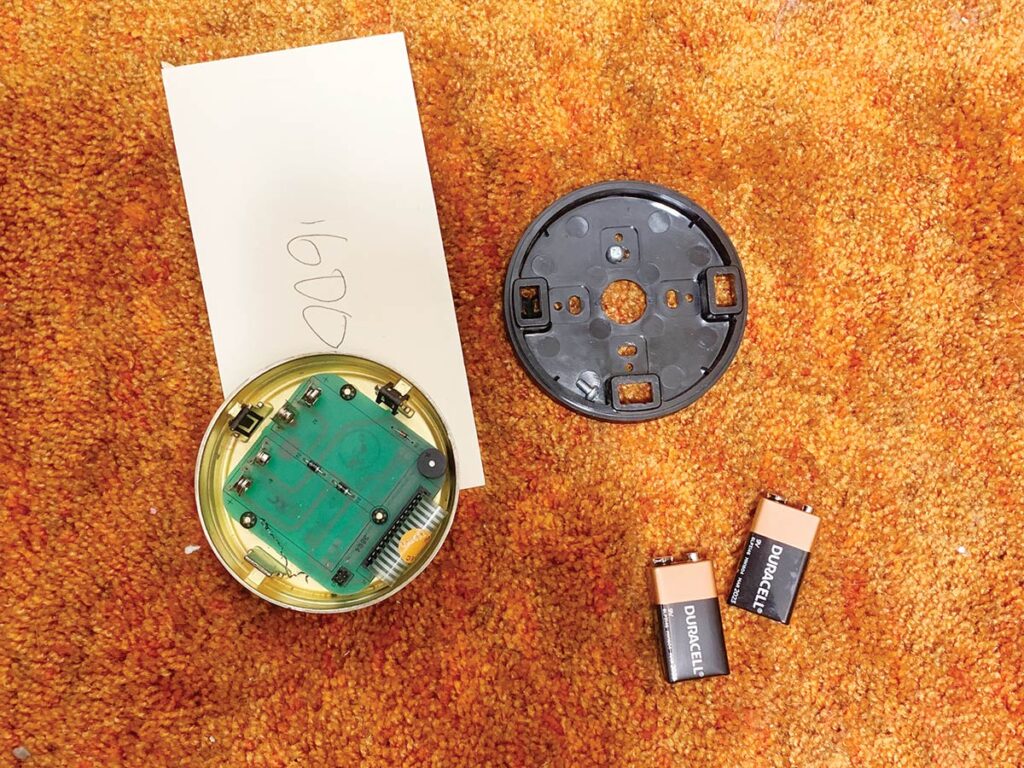
This had actually happened before when one of the four leads from the keypad to the lock mechanism had pulled loose, and needed to be reinserted. So, I popped off the keypad and checked the wires. All looked good.
Well, this was no bueno. I messed around for a couple of weeks trying to get the danged thing open to no avail. So, I eventually called a locksmith referred by the Liberty website, and that’s when the fun began.
The First Visit
The locksmith came up to my second-floor office. He was a contractor for the local dealer who had humped the safe up the stairs many years ago. We looked at the safe documentation I had, and I got more bad news. I had the Deluxe L-15, which had a recessed 3/8-inch-thick hardened-steel door with triple relockers, 10 1-inch shielded bolts, and internal hinges. The sides and top were 10-gauge steel. The 24.5×60.5×20-inch box had 16 cubic feet of storage and weighed about 450 pounds unloaded. But with the ammo on its floor, it was much heavier than that. A Diamalloy hardplate, heat-treated to achieve a much harder surface, sat between the interior door surface and the front of the lock body to, of course, resist drilling of the lock. The only good news was that the safe wasn’t bolted to the floor.
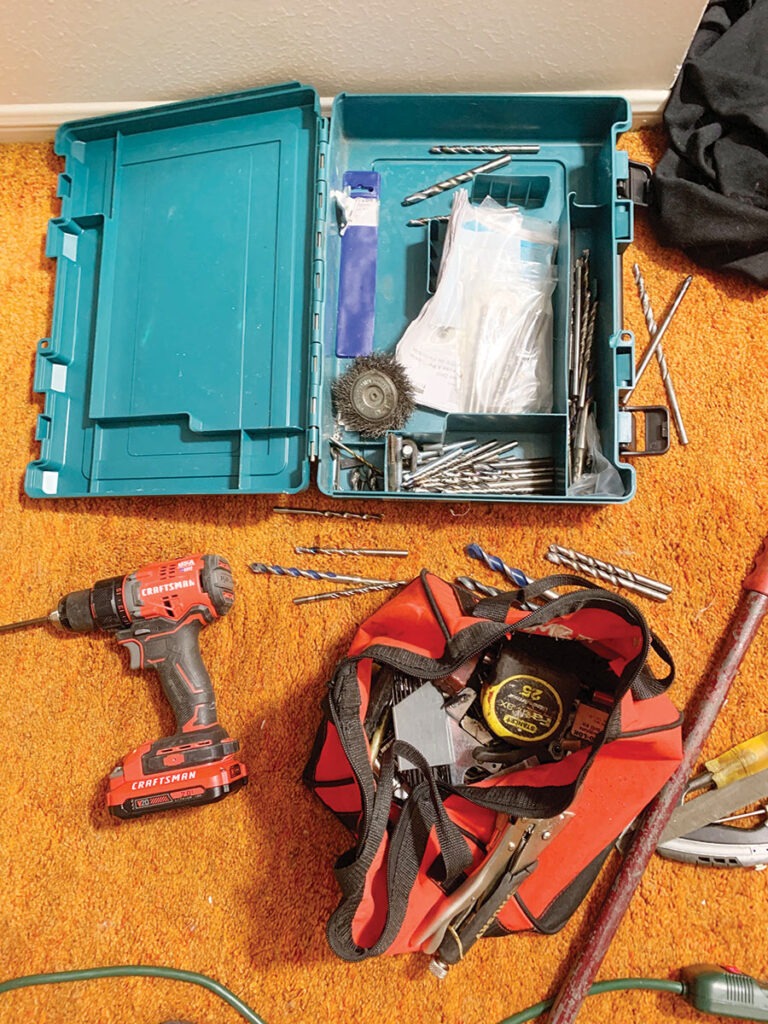
The locksmith used the master code. It didn’t work.
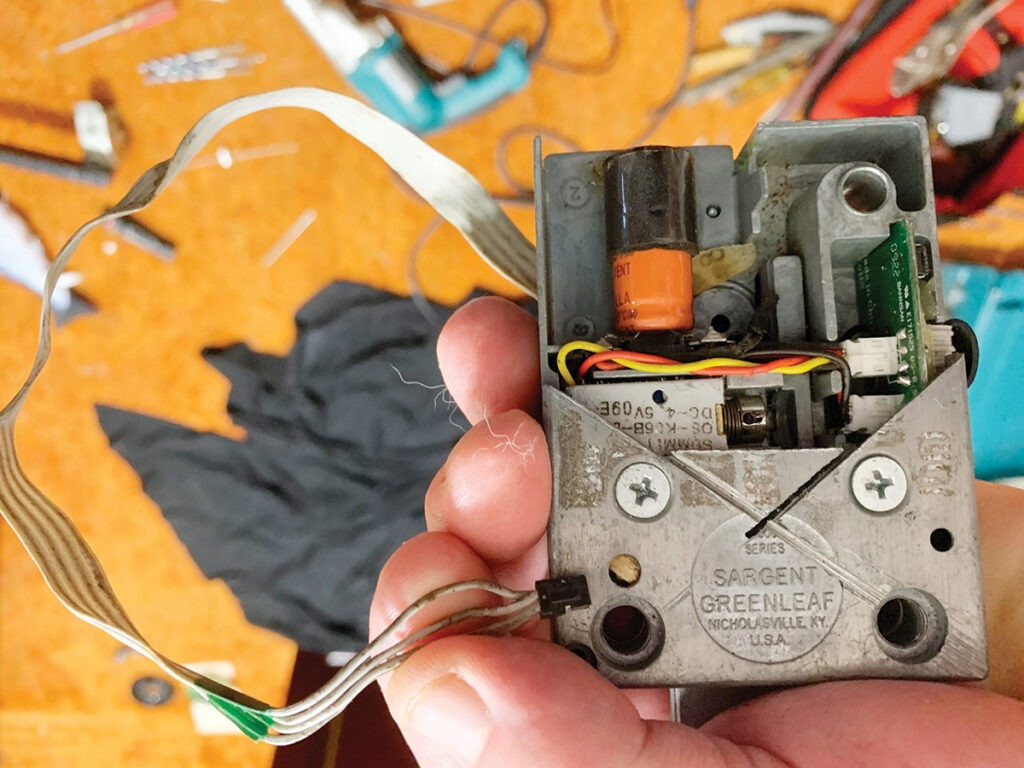
He said, “The lock mechanism is dead. Happens with the electronics. Sometimes they just quit. And we can’t get replacements these days because the boards are sourced out of China.” There weren’t any in the U.S., and there was no prospect of any becoming available for years.
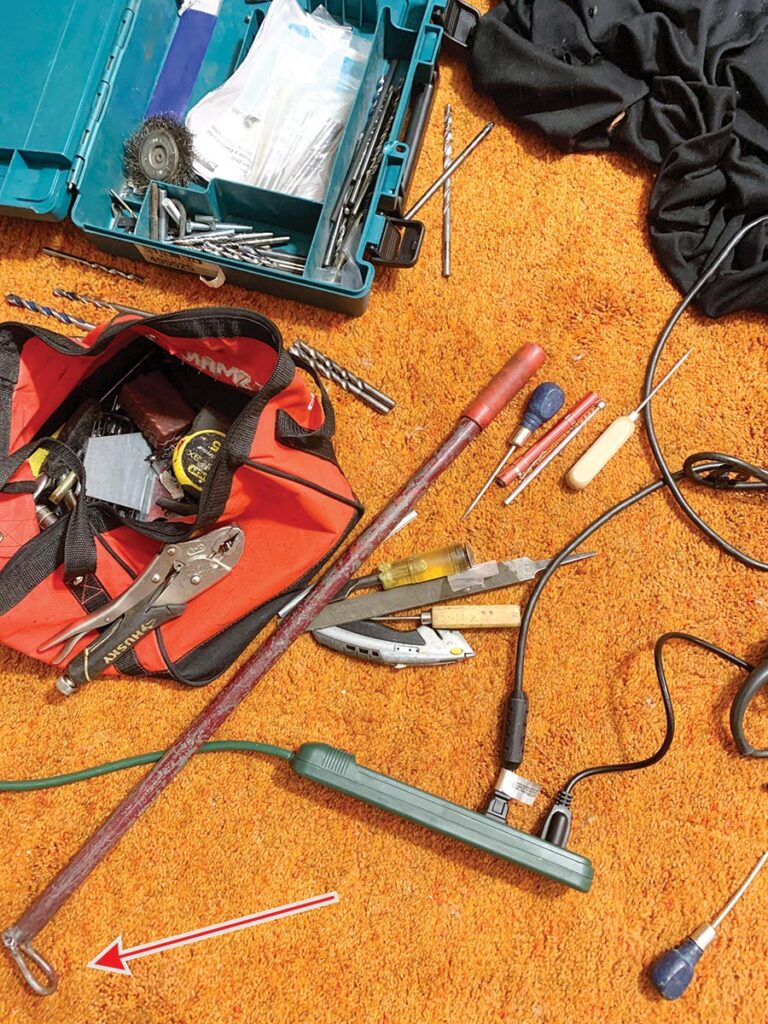
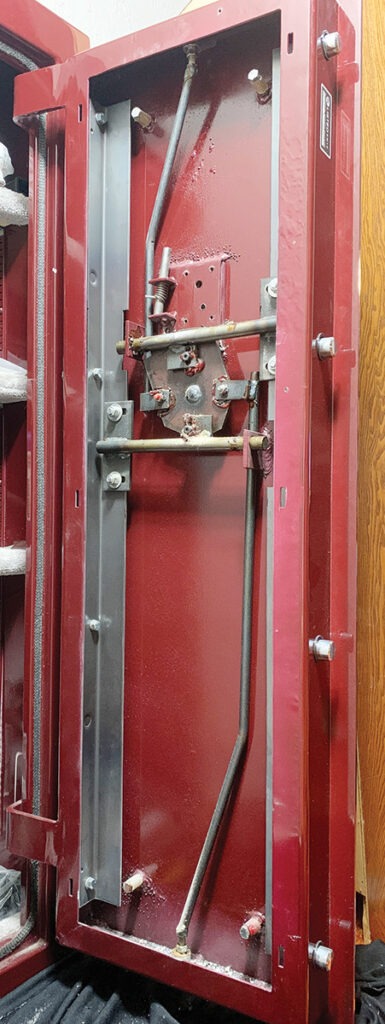
He explained that when the correct code is entered into the lock keypad, the electronic circuit activates a solenoid or motor that retracts the bolt (“wearnt-wearnt”), allowing the locking bar inside the door to move the locking bolts when the handle is turned. Because the circuitry had died, that bolt was stuck in place.
Well, crap.
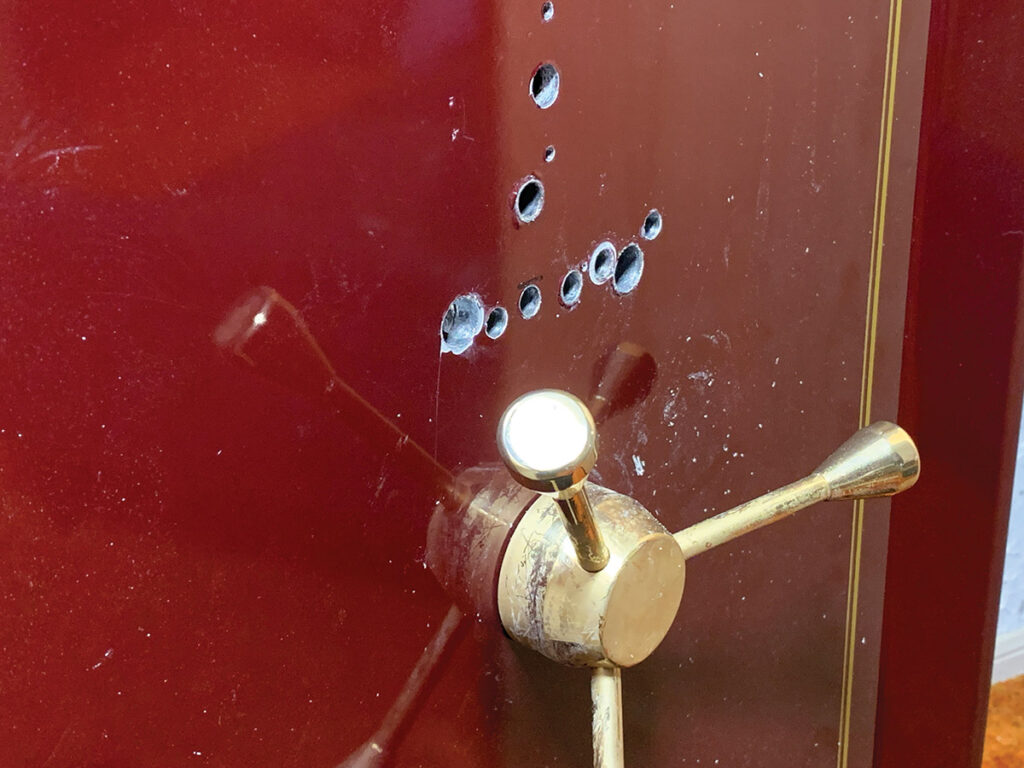
More common issues than a circuit-board failure are people forgetting their combinations, losing their keys, or damaging a mechanical lock, so being locked out wasn’t that uncommon. He said there were a couple of ways to get in.
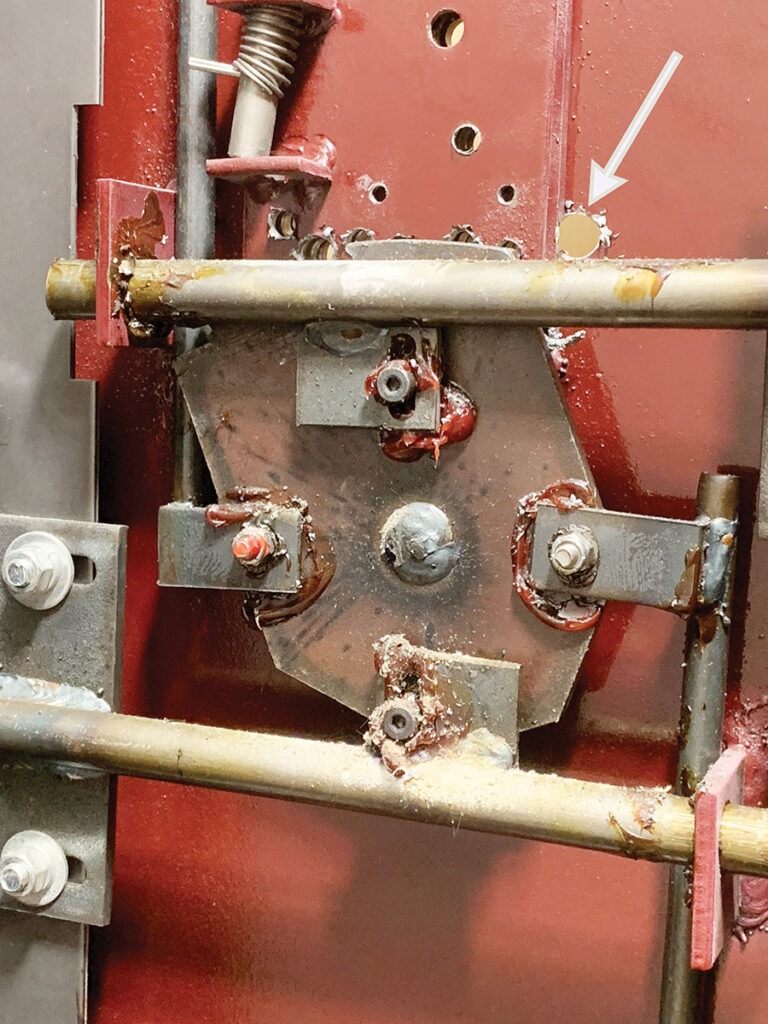
Grinding or torch-cutting a hole in the sides or back were two ways to get in, but both posed fire hazards, and the safe was in an upstairs carpeted office. Besides not wanting to burn the house down, I also ruled out grinding and cutting the safe open because of the sizable amount of handgun and rifle ammunition that was in there, along with several backup drives that couldn’t tolerate sparks or slag, and some guns and documents. Fortunately, there was no gunpowder, primed cases, unboxed primers, or other hazardous chemicals that could go boom in an enclosed steel box.
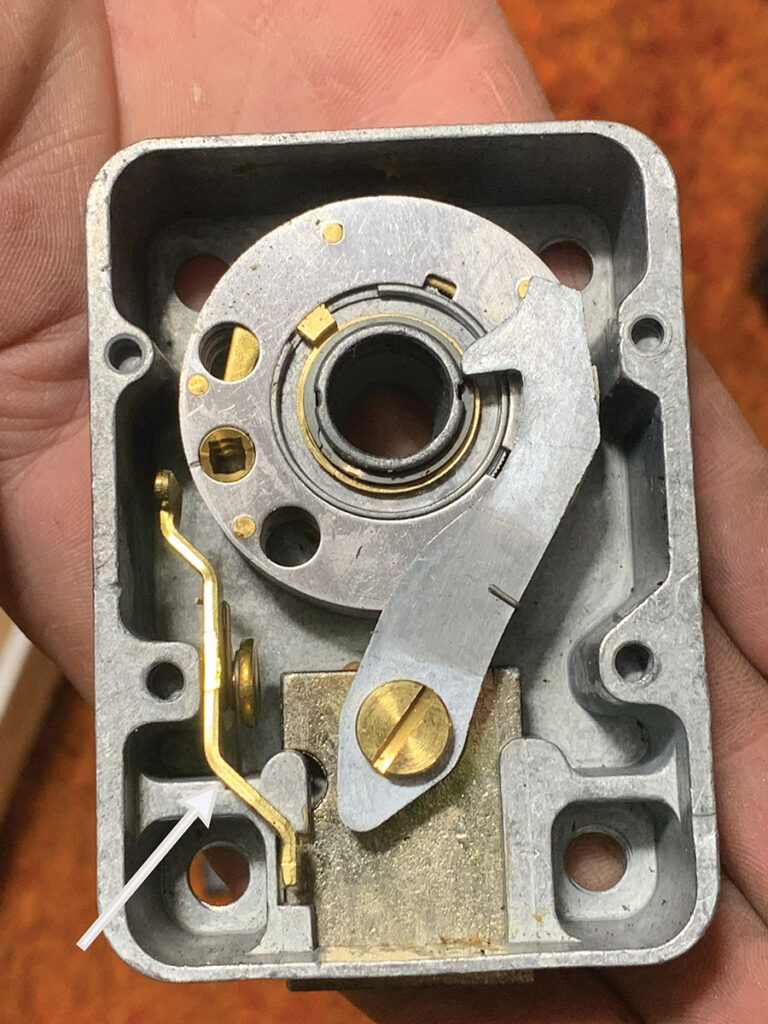
The locksmith also mentioned that the lock could be drilled out, basically a process of drilling to locate the lock inside the door and then driving the lock housing off the door with a punch. With the locking bolt moved, that would allow the door handle to retract the bolts in the door, et voilà.

Conclusion
When your gun safe goes kaput, it can be a real pain in the keister. If my experience with a failed electronic keypad has you second-guessing a gun safe purchase, you might consider a good, old-fashioned combination lock type. Either way you decide to go, learn from my experience and avoid the pitfalls. The final tally for my little misadventure? All in for drilling and new lock: $1,100. The experience of watching the process? Priceless.
Editor’s Note: This article is an excerpt from Cartridges of the World, 18th Edition.
Secure More Gun Safe Knowledge
- Complete Gun Safe Buying Guide
- 4 Best Hidden Gun Safe Manufacturers
- 4 Top Handgun Safe Choices For Security And Access
- Why You Need A Vehicle Gun Safe
Next Step: Get your FREE Printable Target Pack

Enhance your shooting precision with our 62 MOA Targets, perfect for rifles and handguns. Crafted in collaboration with Storm Tactical for accuracy and versatility.
Subscribe to the Gun Digest email newsletter and get your downloadable target pack sent straight to your inbox. Stay updated with the latest firearms info in the industry.
