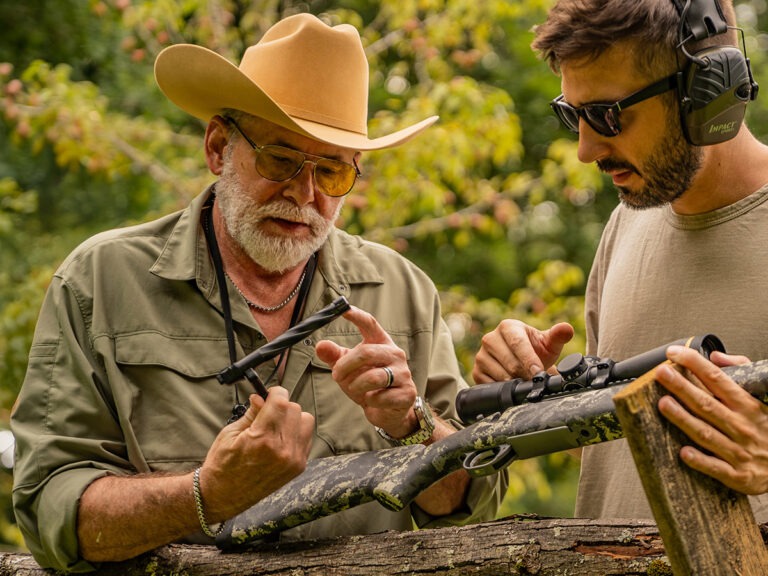
Most shooters don’t fully understand the bolt in their bolt-action rifle. Here, we go over how they work part by part.
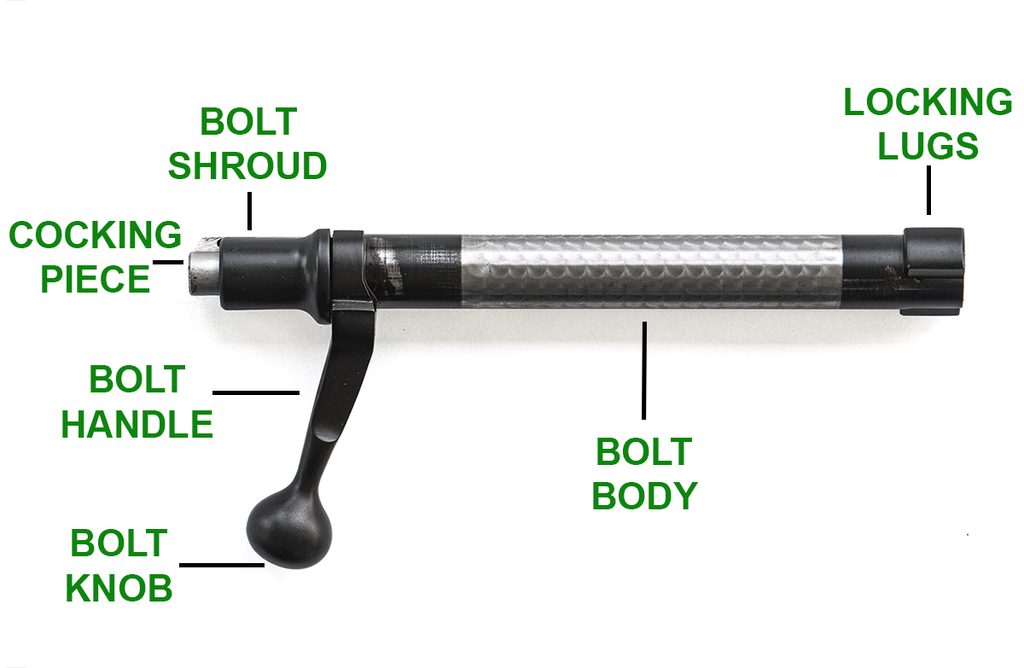
Bolt action rifles that fire metallic cartridges have been around for more than 150 years, and a bolt action rifle is arguably the most prevalent of all rifle types. Somewhat surprisingly, I think a lot of shooters are quite unfamiliar with the most important component of a bolt action rifle, which is the bolt. It’s something shooters should have a working knowledge of, so let’s look at the various aspects and components of the bolt to learn a little more about it.
Bolt Size
Bolt size varies widely. For example, the bolt on the Franchi Momentum in .308 Winchester is unusually large and more than 0.80 inch in diameter. The bolt diameter on a Wilson Combat NULA rifle in .308 Winchester is only 0.58 inch in diameter. Similarly, some bolts are unnecessarily long because some manufacturers use the same size action for short and long rifle cartridges. Remington always used their standard short action designed for .308 Winchester for the shorter .223 Remington cartridge because the utilization of one diameter bolt and one action/bolt length limits manufacturing costs. The Remington 700 bolt is about 5.4 inches long. Wilson Combat builds a short NULA action for the .223 Remington and that bolt body is only about 3.54 inches long.
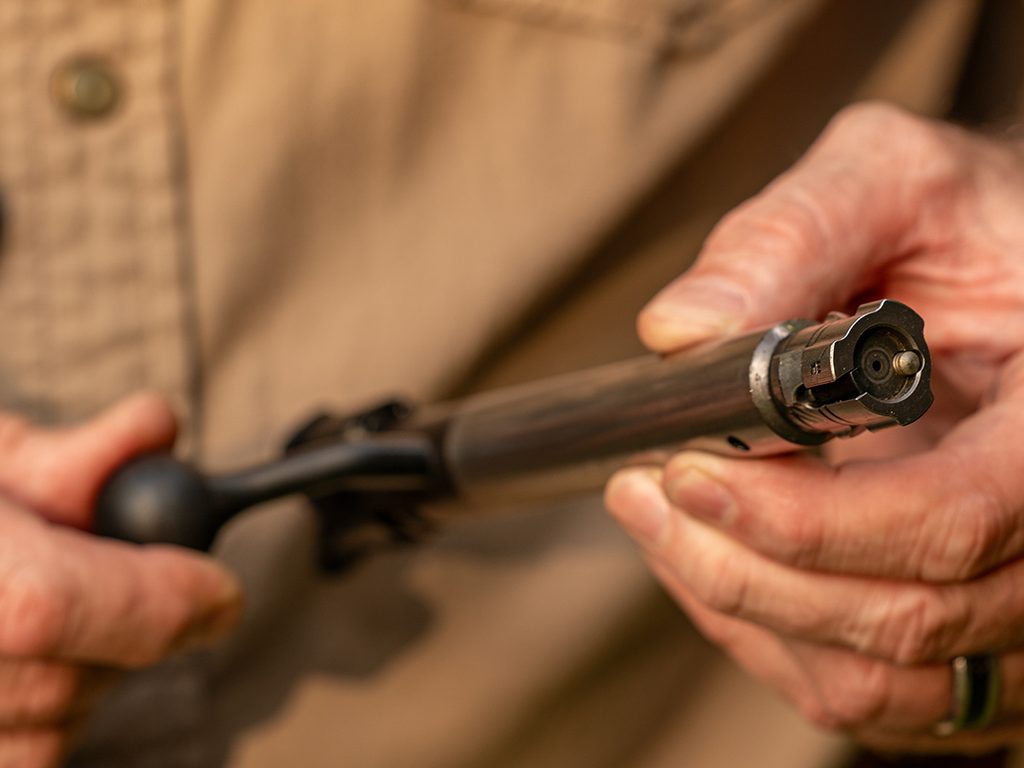
Melvin Forbes, who designed the original NULA rifles Wilson Combat now builds, was one of the first to build rifle actions specifically sized for specific cartridges. He built NULA rifles in nine different action sizes with nine different bolt sizes for everything from .22 Long Rifle to the .416 Rigby. Another take on bolt length is represented by the new Savage 110 RF bolt that utilizes their Model 110 action. This bolt has a unique baffle you can reverse and alter the cycling length of the bolt, but the bolt length does not change.
Handles & Knobs
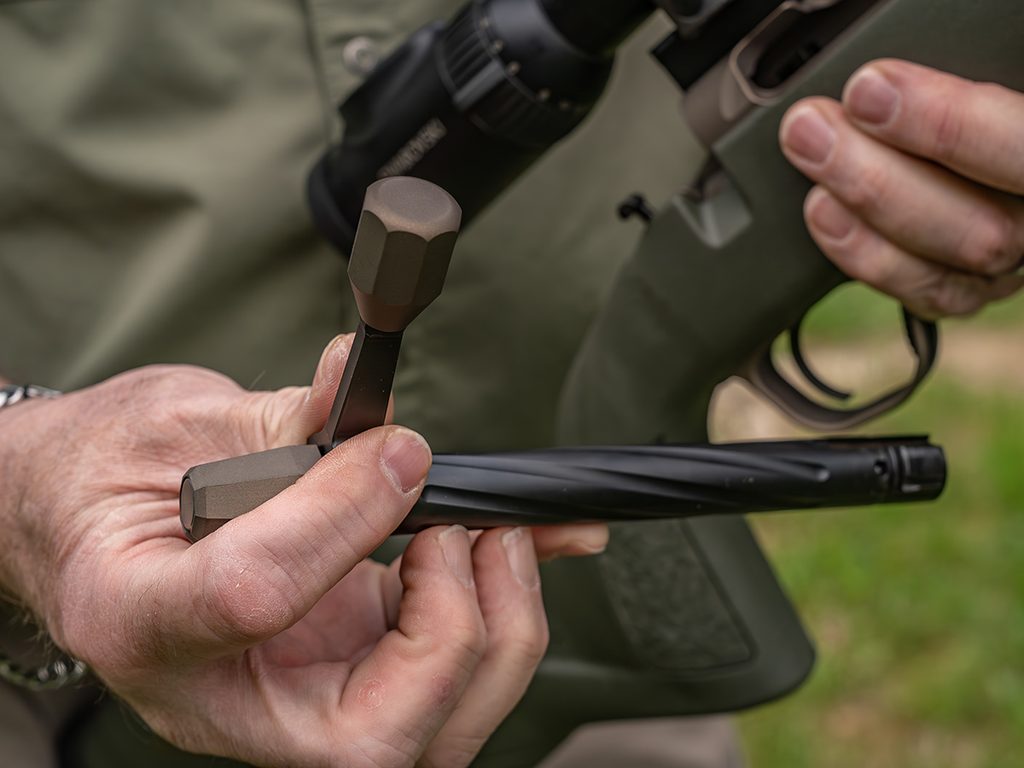
The bolt handle and knob are what shooters interface with, and there’s an endless array of styles. Some bolt handles are even threaded to allow for interchangeable knobs. Regardless, they all serve the same purpose, and that’s to rotate/cock the bolt as it is opened, to pull the bolt to the rear for extraction and ejection, and to push the bolt forward to feed a cartridge into the chamber. The size and configuration of the bolt handle and knob is mostly one of personal preference.
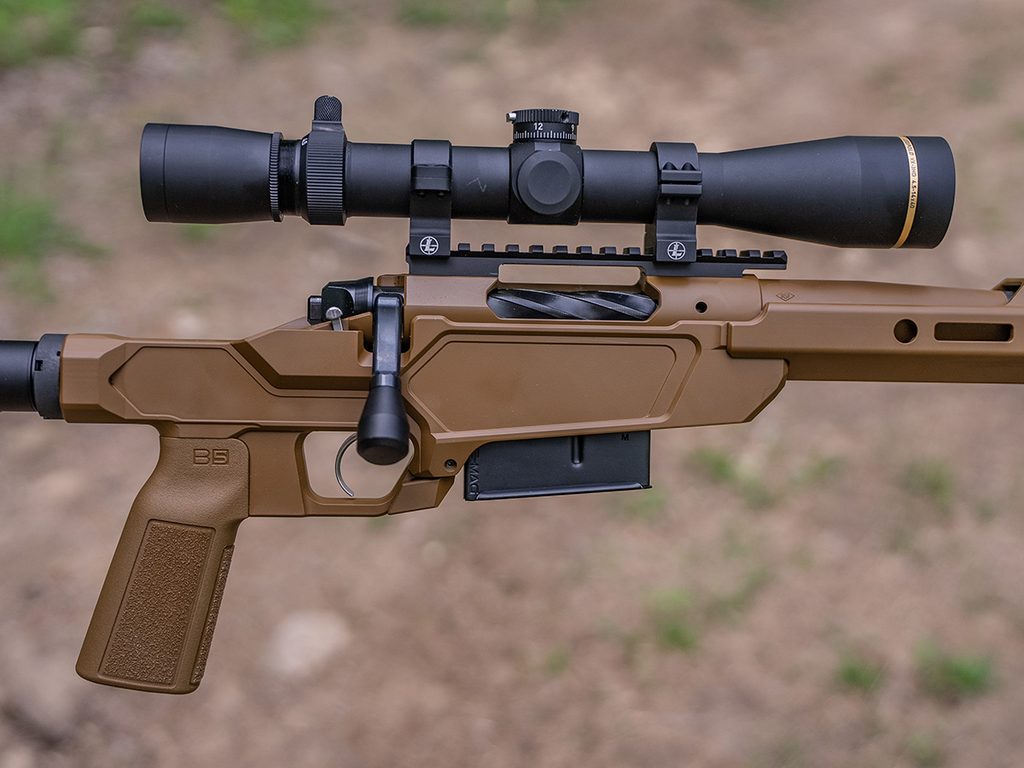
Regardless the style, opening the bolt cam-cocks the firing pin, pulling to the rear. (Some older bolt actions cocked the firing pin when the bolt handle was rotated closed.) This opening rotation also moves the bolt lugs, so they’re free from their locked position in the action. Conversely, when the bolt is closed these lugs are rotated back into a locked position. The number and position of the lugs determine how much the bolt handle must be rotated, and it should be clear that for a bolt to perform as designed it must be operated correctly.
Bolt Lugs
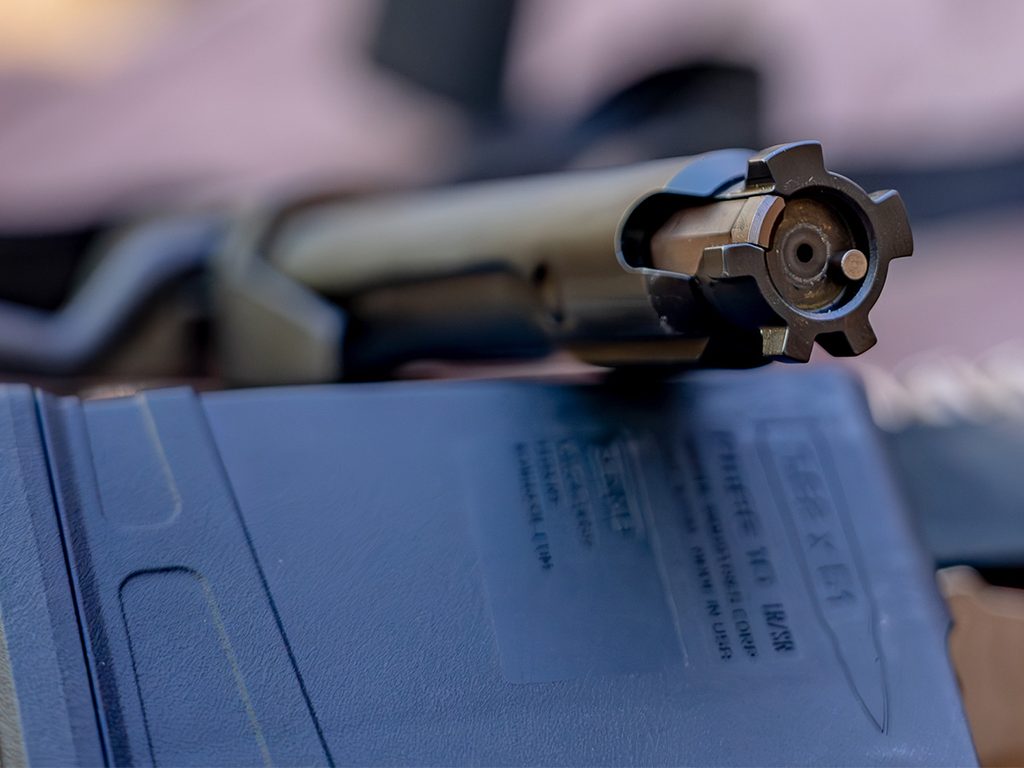
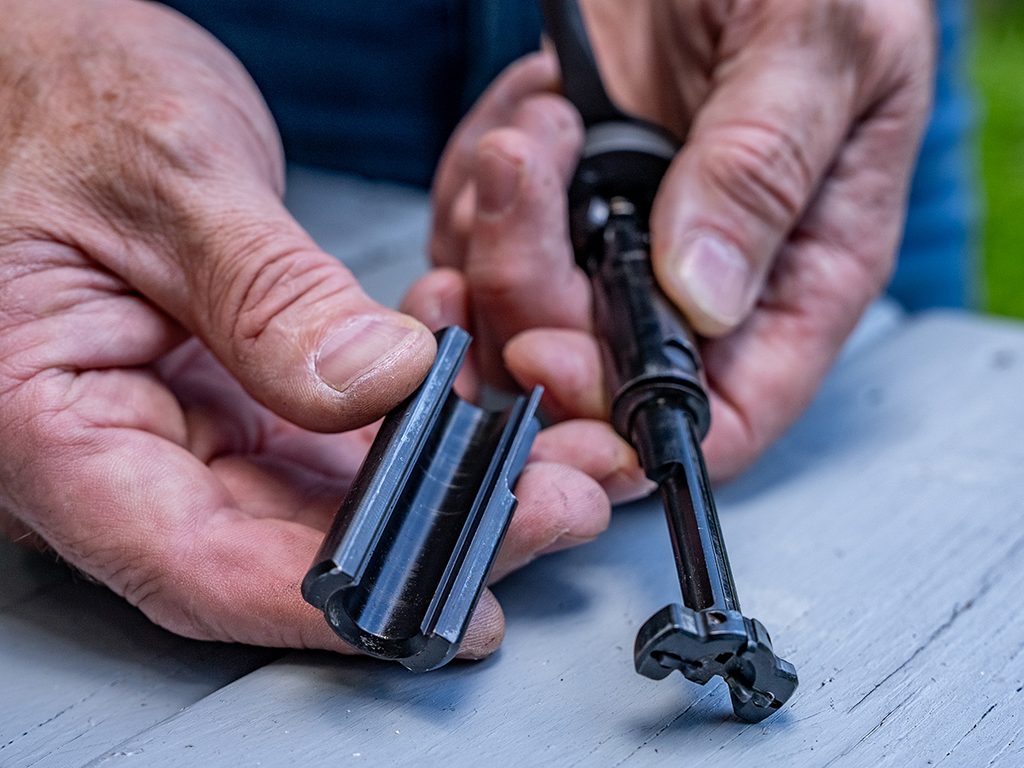
With most rifles, you’ll find lugs at the front of the bolt, but bolts with rear lugs, like some rimfires and the old Remington Model 788 do exist. Two lugs positioned opposite each other are common and require the bolt to be rotated 90 degrees. Three-lugged bolts are positioned at about 120 degrees and require 60 degrees of rotation. There are also six- and nine-lug bolts that are a variation on the three-lug design, with the additional three or six lugs positioned behind the front lugs. The Q Fix has five lugs and an even lesser bolt throw of only 45 degrees, and there are bolts with fixed and spring-loaded lugs in various other configurations, particularly with straight-pull bolt actions.
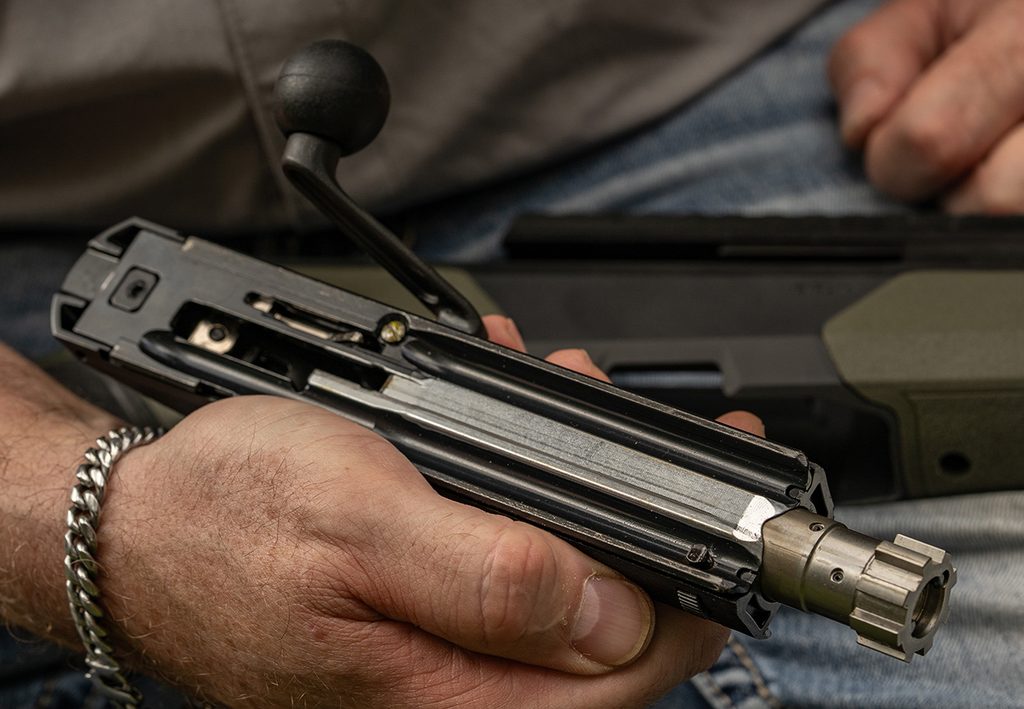
Generally speaking, the less bolt rotation required, the less effort needed to unlock the bolt. Also, the less the degree of rotation, the less likely the bolt handle and knob might interfere with the ocular end of a riflescope or any extension or throw lever when the bolt is cycled. Bolt lug engagement is a critical aspect of precision, and the more lugs the more critical their fit becomes. Regardless the number, size and style of the lugs, actual engagement surface area is very similar.
Safety
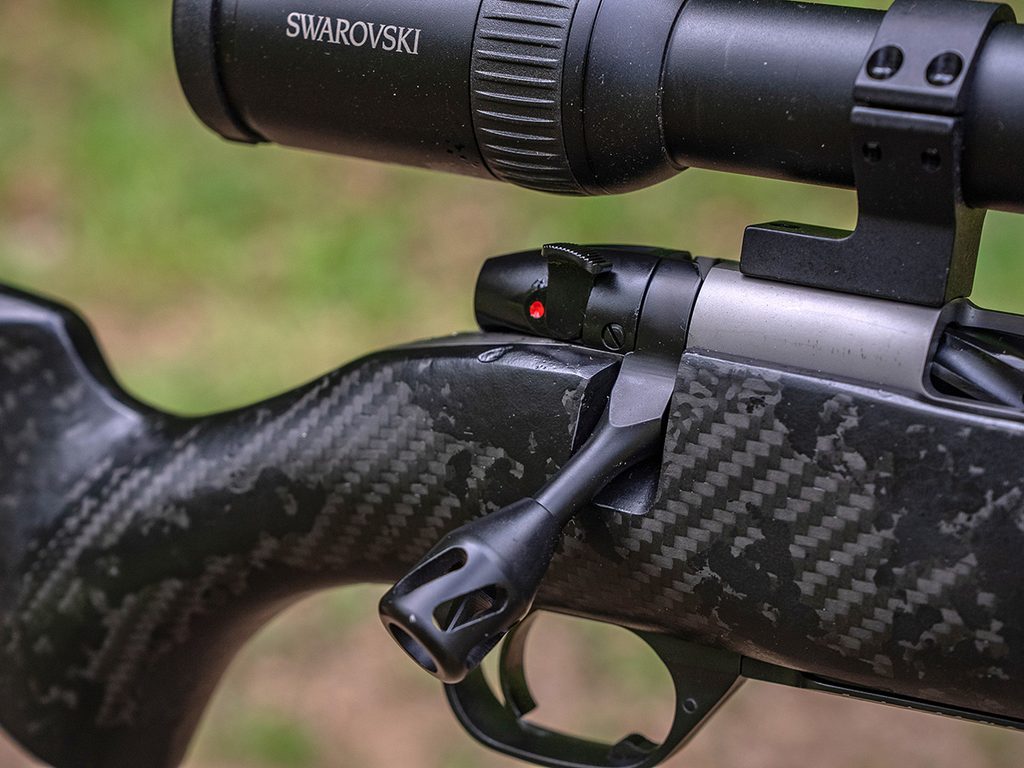
With most bolt action rifles, the safety is integral to the trigger mechanism and blocks the trigger and/or sear. With others, the safety is integral to the bolt and blocks the firing pin. Arguably, the latter is safer because the firing pin is what fires the rifle. However, modern safeties integrated into the trigger work very well.
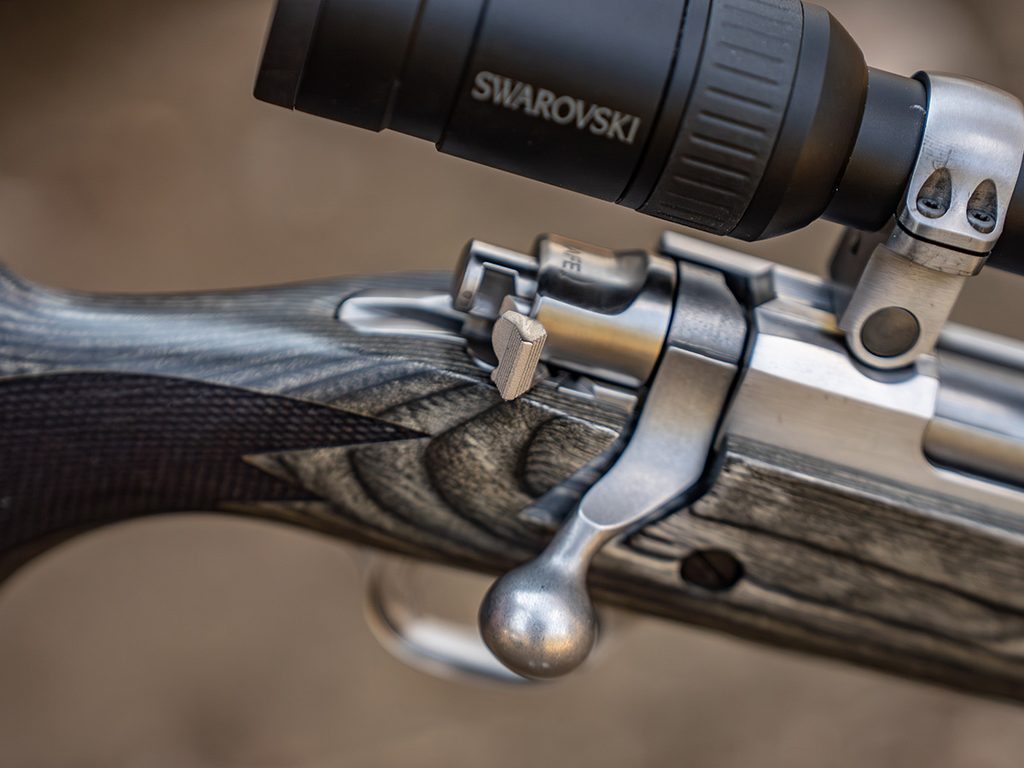
Most bolt-mounted safeties are of three-position/Mauser configuration. In the rear position, the safety locks the firing pin and prevents bolt operation. In the center position, the safety blocks the firing pin but the bolt can be operated. And finally, in the forward “fire” position, firing pin travel and bolt operation are free from safety interference. On Mark V rifles, Weatherby uses a two-position bolt-mounted safety that locks the bolt. Three-position safeties are also possible with trigger- or even tang-mounted safeties, but they lock the bolt in a different manner.
Feeding and Extraction
The bolt is used to remove unfired ammunition or fired cartridge cases from the rifle’s chamber with an extractor. There are several types of extractors, and their effectiveness is highly debated. Some prefer the full-length Mauser extractor that rotates on the outside of the bolt body, while others prefer extractors built into the bolt body. Both types can fail and both types can lead to stoppages or jams if the shooter does not manipulate the bolt properly and fully.
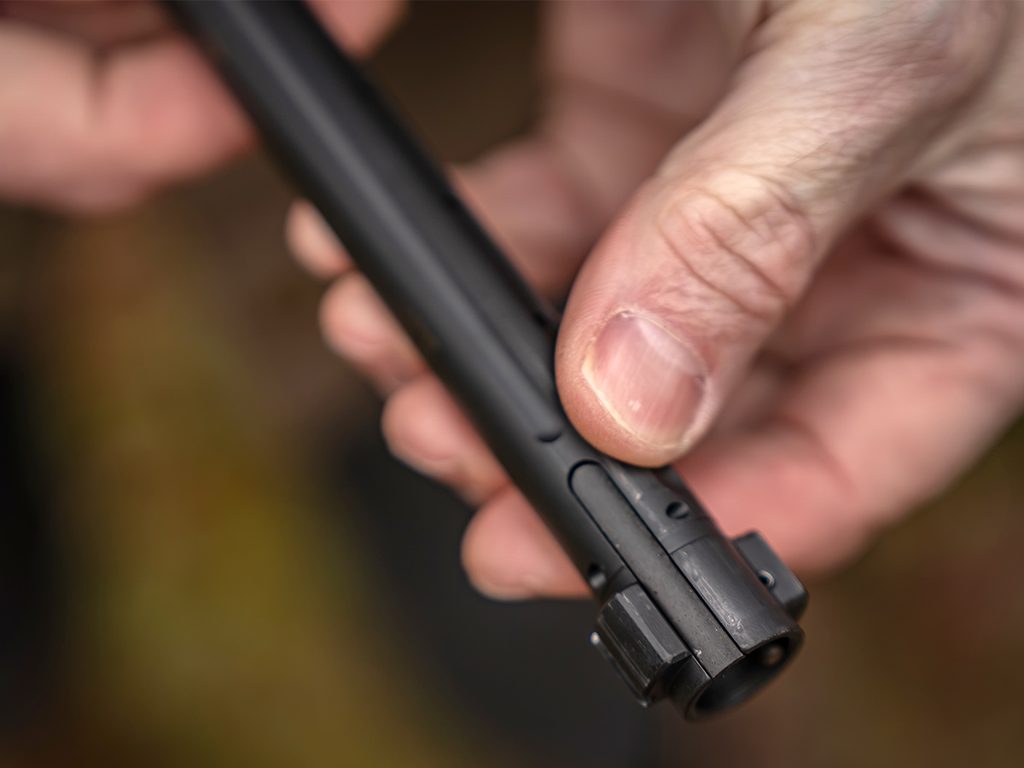
The Mauser-style extractor is exclusive to what many refer to as control round feed (CRF) actions. With those actions, the rim of the cartridge case is captured and held in place by the extractor as the cartridge is chambered. In some cases, the only way a CRF action can work is if the cartridge case is engaged by the bolt while it is in the magazine. Though there are different types of extractors built into the bolt body, most are fitted to what are known as push feed (PF) actions, where the extractor pops over the cartridge rim as the bolt is rotated closed. With PF actions, you can drop a cartridge into the rifle’s ejection port, and it will chamber. Of all these push-feed-style extractors, the Sako- or M16-style extractor is generally regarded as the most reliable. However, a full-length article, if not a book, could be written on the differences in, and the pros and cons of, CRF and PF actions.
Ejection
The ejection of a fired case or unfired cartridge from a bolt action rifle is generally handled with a fixed or spring-loaded ejector, and the bolt plays a part in how both work. A lot of bolt action aficionados argue the merits of fixed over spring-loaded ejectors. The fixed ejector is more rugged, but its effectiveness relies on the shooter, whereas the shooter does not influence the performance of a spring-loaded ejector.
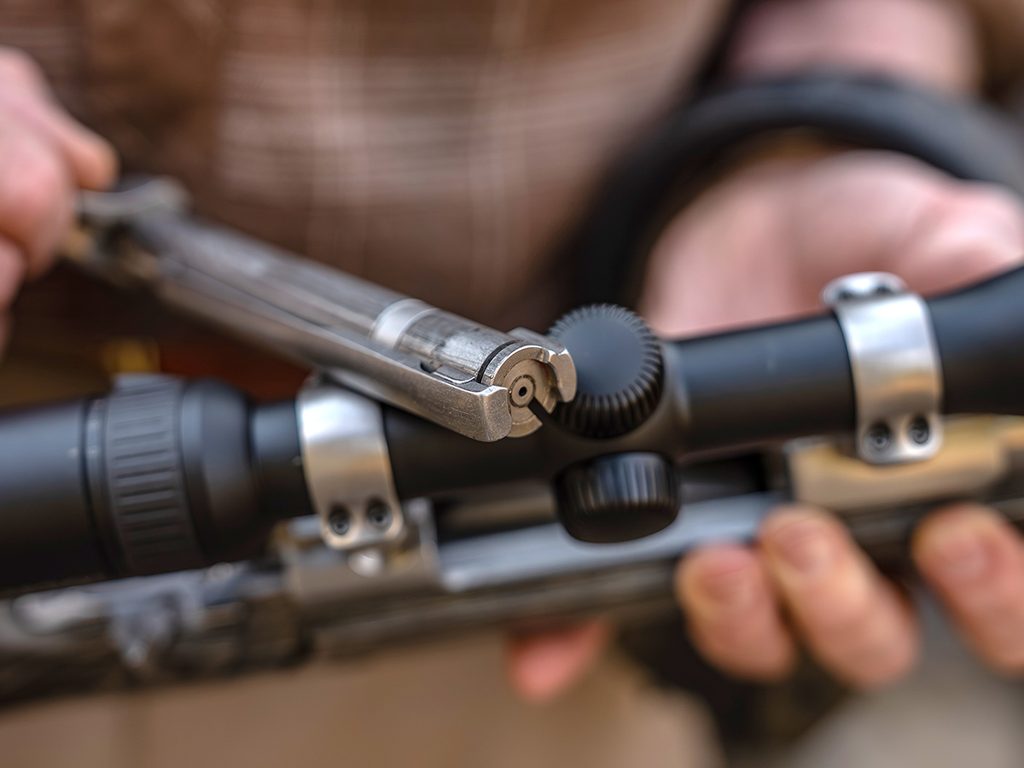
Some rifles like those styled around the original Mauser design have a fixed ejector that’s mounted to the action. This is usually a thin blade that passes through a slot in the bolt body as the bolt moves forward and backward. As the bolt’s extractor pulls the cartridge case to the rear, if pulled far enough, the base/rim of the case will impact the ejector, and it will force the cartridge/cartridge case from the action through the ejection port. The amount of the ejection force is directly proportional to the force with which the bolt is pulled to the rear.
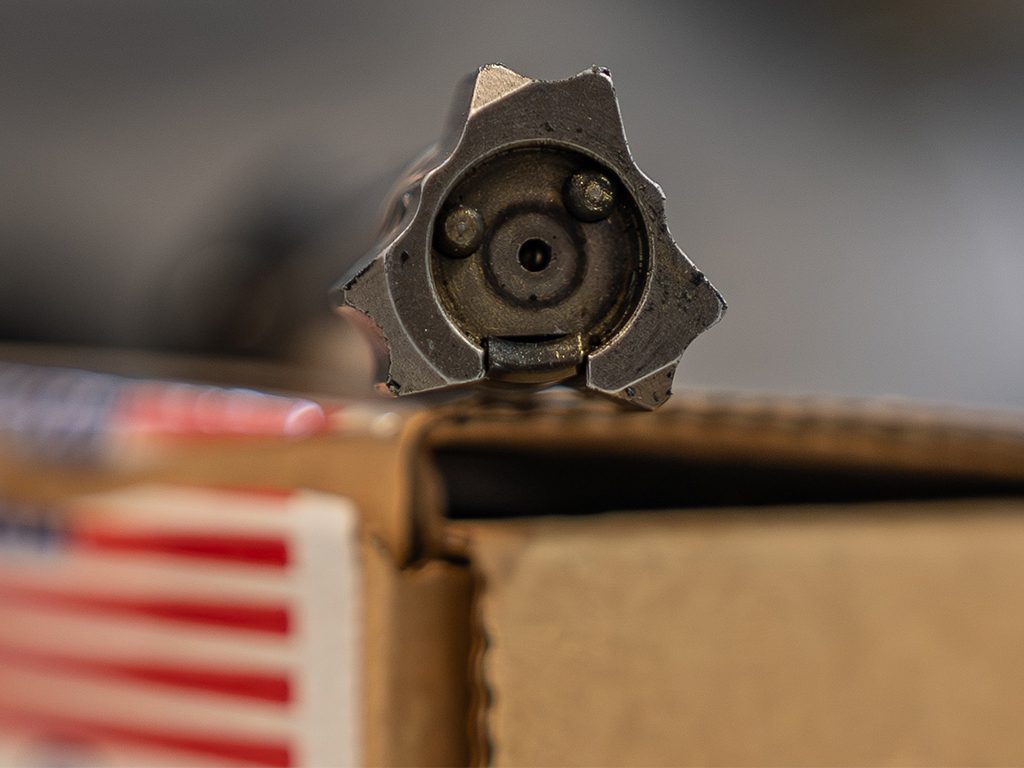
Other rifles of the push-feed style like the Remington Model 700, generally have a spring-loaded plunger-style ejector in the bolt’s face. As the cartridge case is pushed into the chamber, the base of the case compresses the plunger. When the bolt is opened and pulled to the rear the cartridge case is held in place on the ejection port side of the bolt by the extractor, while the spring-loaded ejector tries to push it out of the action. Once the rim of an empty case or the bullet tip of a loaded cartridge passes the ejection port opening, the spring-loaded ejector forces the case/cartridge out of the action. With a spring-loaded ejector, ejection force is not dependent on how hard the bolt is pulled to the rear. Some modern bolts have dual/redundant spring-loaded ejectors to enhance reliability.
What Matters Most
Even though there are many types of bolts used by the many different bolt action rifles, proper bolt operation is the same with them all, and in most cases, it is what actually determines the reliability of the rifle. All bolts should be worked forcefully throughout their full cycle to ensure consistent feeding, extraction and ejection. In fact, on bolt actions with a fixed ejector, cycling force determines ejection force, but can you work a bolt with too much force?
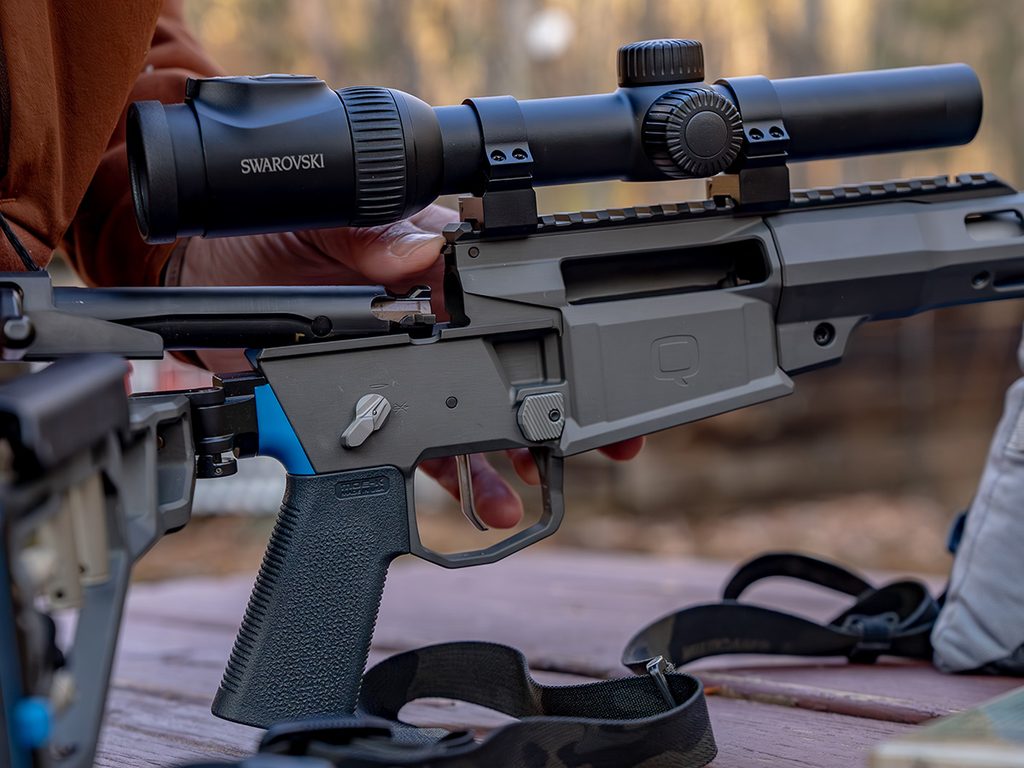
It’s possible. If you pull back too hard your hand can slip from the bolt and impede operation. Similarly, if you push forward too hard the same thing can happen. And too, it is possible to work a bolt so hard—repeatedly or even once—that you can cause a bolt stop to fail or break. I’ve done that with Bergara rifles and Weatherby rifles where the bolt stop is integrated into the trigger mechanism. The best way I think I can describe proper bolt action cycling force is that you should work a bolt firmly—like you are a little bit mad at it—but not as hard as you would or could if you hated it.
Editor’s Note: This article originally appeared in the November 2026 issue of Gun Digest the Magazine.
More Bolt-Actions
- Franchi Momentum Review: Hands-On With The All-Terrain Elite
- Wilson Combat NULA Review: Continuing A Legacy
- Hunting For The Next Level: Stag Pursuit Bolt-Action Review
- On The Range With The Aero Precision Solus
Next Step: Get your FREE Printable Target Pack
Enhance your shooting precision with our 62 MOA Targets, perfect for rifles and handguns. Crafted in collaboration with Storm Tactical for accuracy and versatility.
Subscribe to the Gun Digest email newsletter and get your downloadable target pack sent straight to your inbox. Stay updated with the latest firearms info in the industry.