At GunDigest, we independently review products. However, we may earn a commission when you purchase through links on our site. Learn More
Tactical Carbine Training With Leupold & Hornady
Leupold and Hornady just brought some writers out to Nebraska to train carbine skills, play with some new toys and see how world-class ammo gets made.
Every serious shooter owes it to themselves to attend a proper training class. In a short amount of time, a good instructor can massively improve your skills and send you home with the tools you need to continue refining them. Thanks to Leupold and Hornady, a few other gun writers and I were lucky enough to receive exactly that this past June.
The companies invited a handful of us out to Hornady’s headquarters in Grand Island, NE. We not only got to tour Hornady’s factory to see what goes into producing some of the world’s best ammunition, but we also got to spend a few days at their awesome range receiving top-notch carbine training while testing out Leupold’s newest optic. I can’t go into the details of the new product just yet, but rest assured, it’s worth being excited for. Keep an eye out for my full review in the near future.
What I can discuss is the excellent event that Leupold and Hornady hosted and the importance of good training.
Golden Ticket To Hornady HQ
While walking the sprawling factory floor of Hornady’s ammunition plant, it was hard not to feel a bit like Charlie Bucket. But instead of drooling over chocolate rivers, I was ogling the sight of glittering new brass, spiraling spools of hot lead and fresh, shiny bullets dropping out of machines like little gumballs of death. The office was lined floor to ceiling with decades’ worth of exotic taxidermy rather than candy wallpaper, and the whole place was abuzz with the energy of people who love their jobs far more than those little singing orange guys ever could.

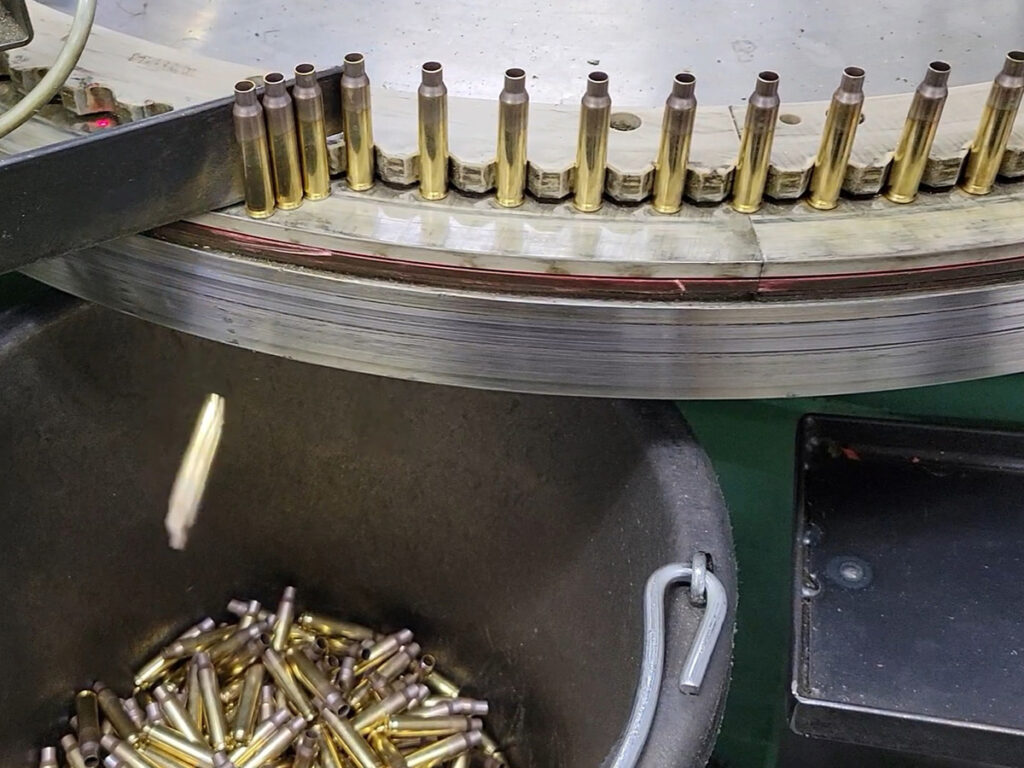
OK, enough with the references. The fact of the matter is that Hornady’s operation is seriously impressive. I can’t show you too many details of exactly how they make their ammo, but I will go over some highlights.
Firstly, the Hornady plant has expanded massively since the company’s founding in 1949. Even with such an increase in floor space, our tour guides emphasized their focus on efficiently using it, including the modernization and reconfiguration of legacy machines to utilize every square foot possible. That’s the only way the company can keep up with the massive global demand for its ammunition.
I was also incredibly impressed with Hornady’s commitment to quality control, a process that includes both cutting-edge technology and good, old-fashioned human scrutiny. Between advanced computers analyzing components and eagle-eyed employees checking each cartridge for blemishes, Hornady puts a lot of effort into ensuring that the only ammo that gets boxed up and shipped out is up to snuff.
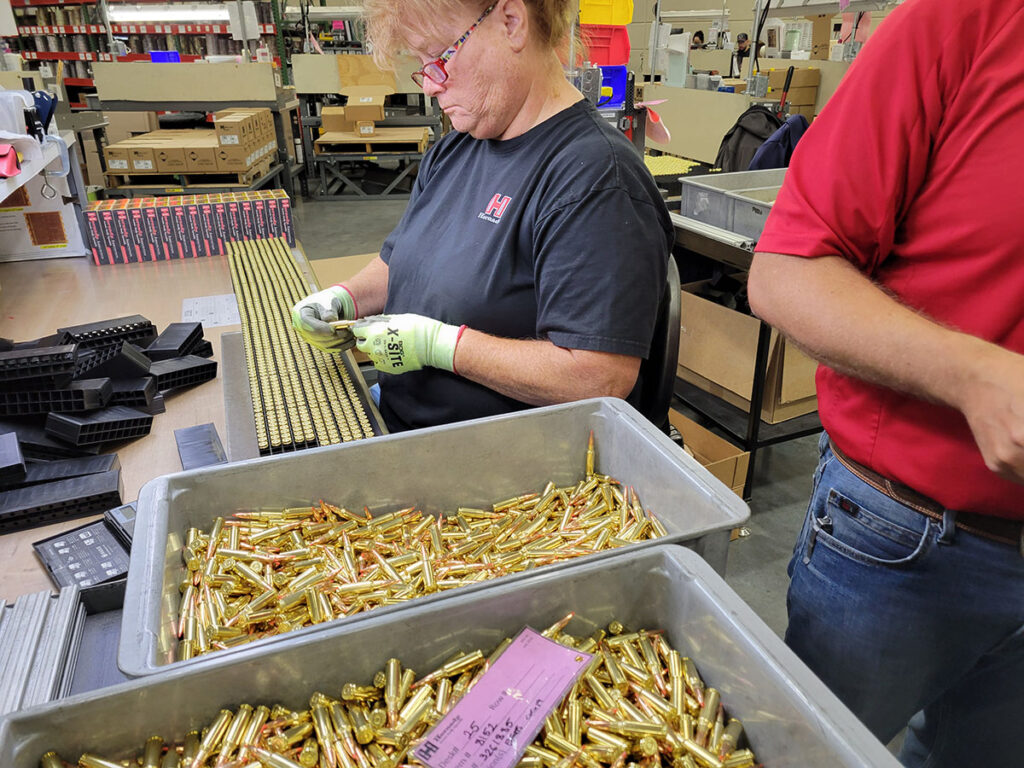
The accuracy and reliability of each lot are also confirmed at the factory’s test ranges, as well as things like expansion consistency through various media for their defensive lines.
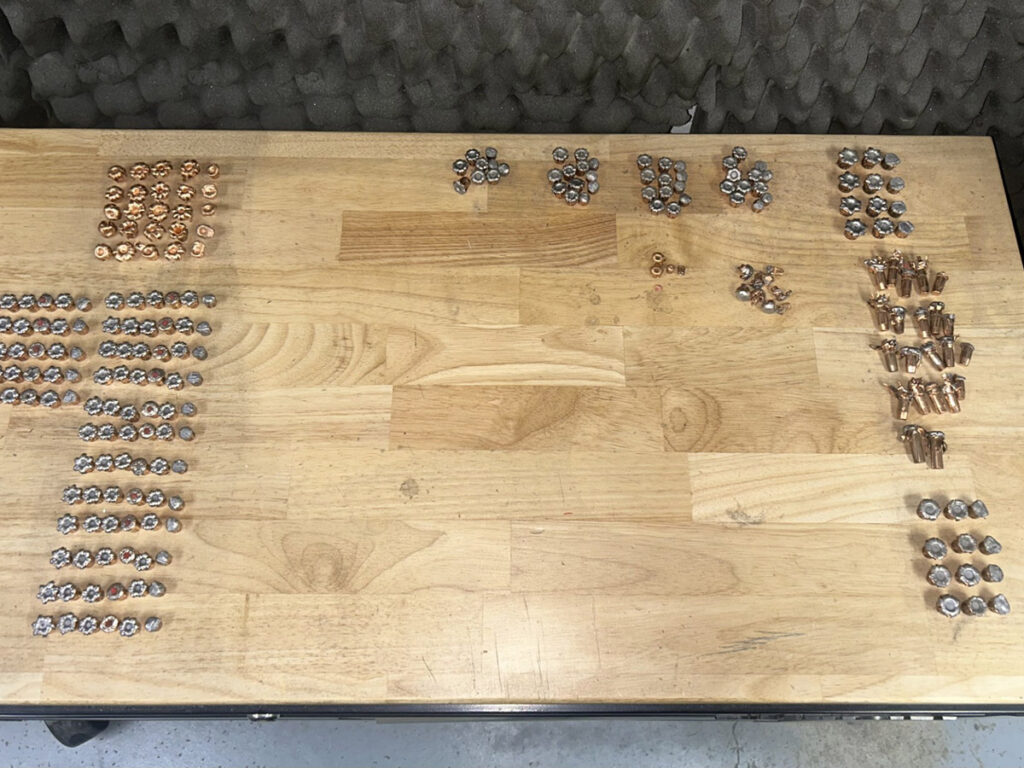
I trusted Hornady ammo plenty before the tour, but I trust it even more now.
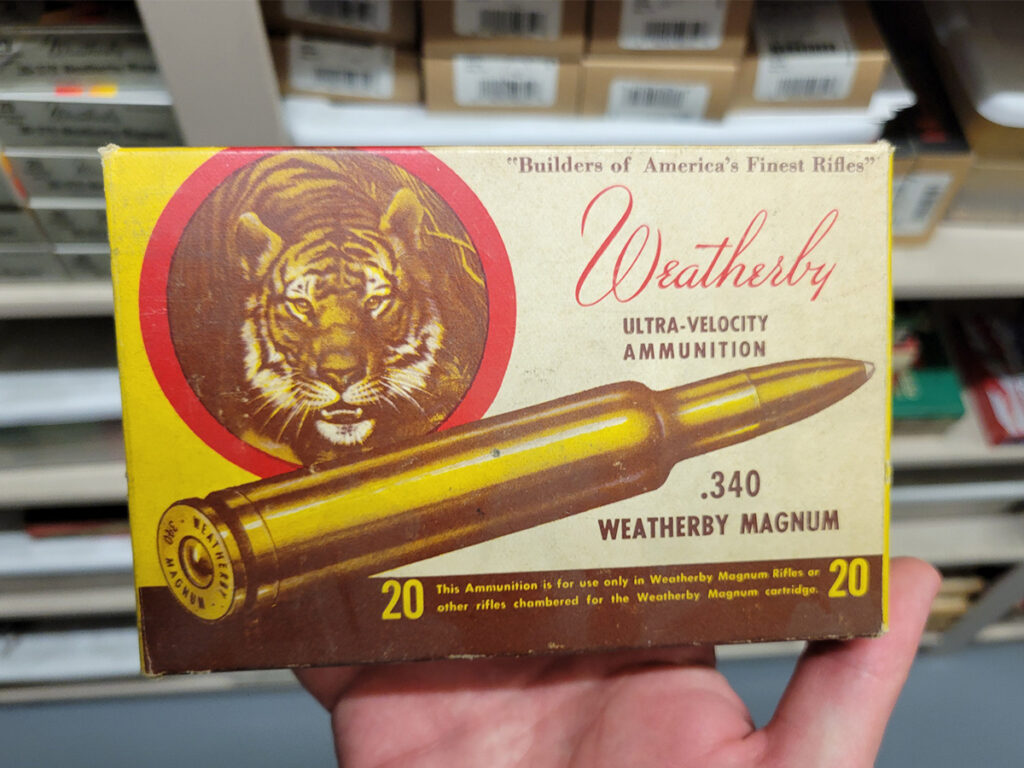
As a gun nerd, I also had a great time poring through Hornady’s huge reference collection. That includes both their gun vault, which was filled to the brim with very cool historical pieces, and their ammo archives packed with vintage boxes that haven’t seen the sun in decades.
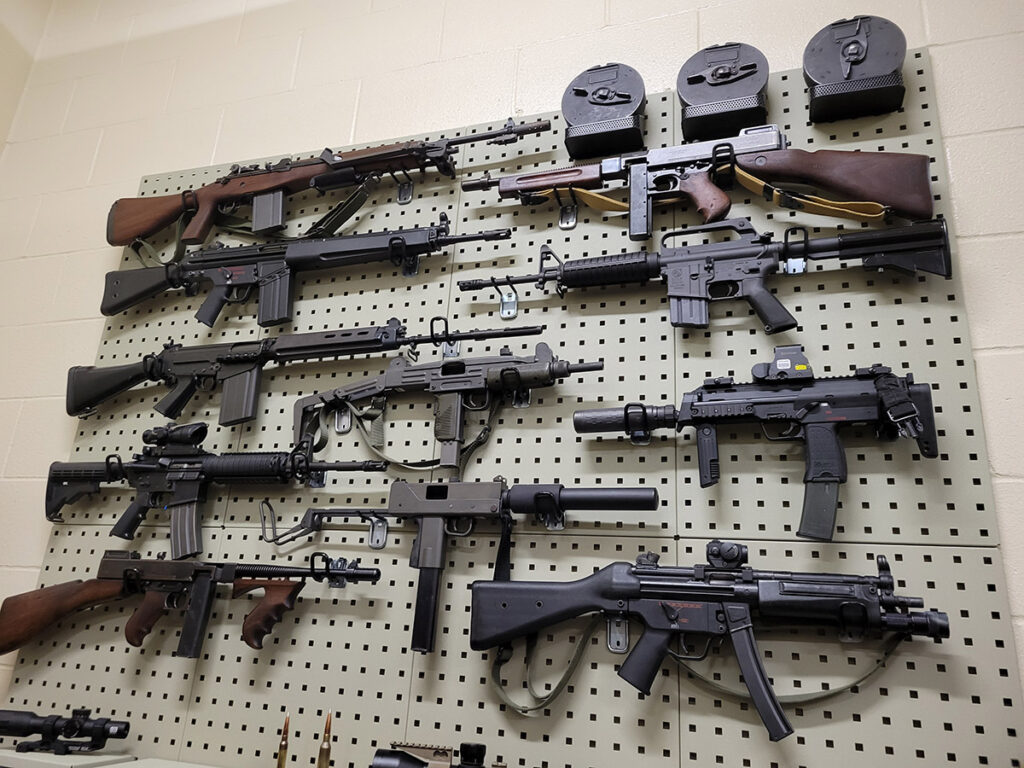
The wonderful day of exploring Hornady’s facilities was capped off by a relaxing evening at Jason Hornady’s house for dinner and drinks. The festivities were cut a bit short, unfortunately, as a tornado was threatening to roll in, but this is Nebraska after all.
Carbine Training With Top-Tier Teachers
After seeing where the bullets we’d be shooting were made, we headed out to Hornady’s Heartland Public Shooting Park to zero rifles, familiarize ourselves with the new product and go over some basics.
The next morning, we were met at the range by Kyle Lamb and Doug Koenig. These two men need no introduction, but I’ll give a brief overview anyway.
Sergeant Major Kyle Lamb spent many years in Delta Force, which included seeing action in the Battle of Mogadishu in 1993. After getting out of the armed forces, he founded Viking Tactics, his training and gear company, and continued to dedicate himself to learning and improving his shooting skills to the highest possible level.
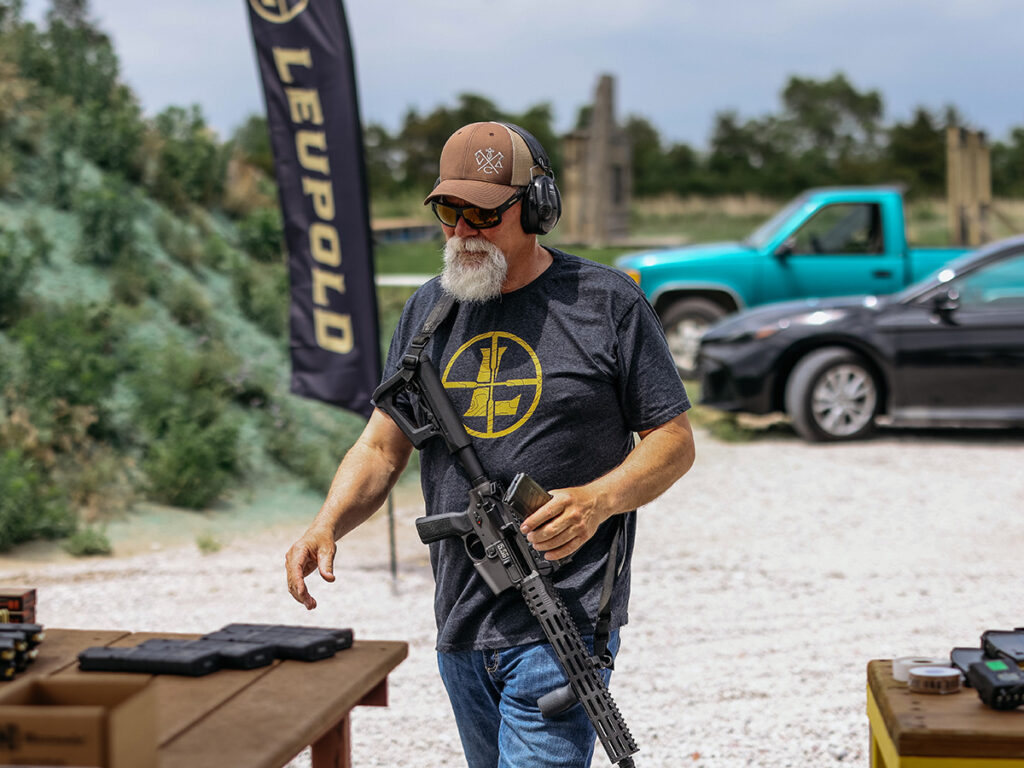
Doug Koenig is a name that should be familiar to anyone with even a toe in the competitive shooting world. He’s an 18-time Bianchi Cup champion and has won more medals across various shooting disciplines than can be listed here. If all his accolades were to be pinned to his chest, it would make a North Korean general blush, especially considering that Koenig actually earned his.

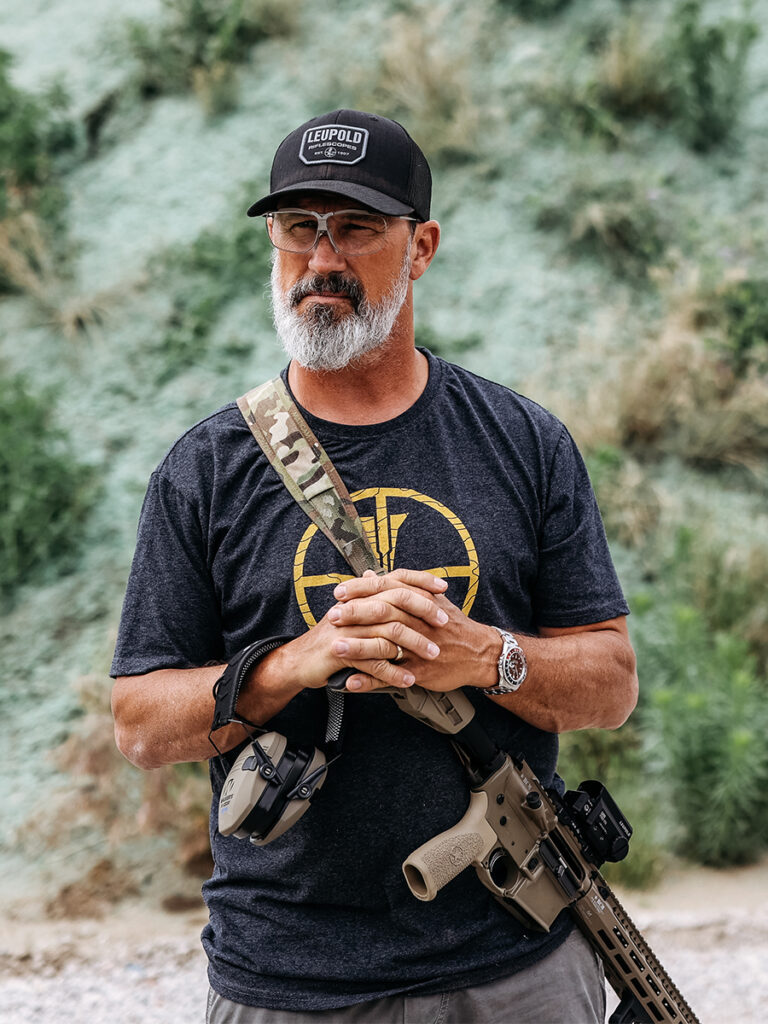
To receive carbine training from these two was nothing short of an honor.
Shooting Fast And Accurate
If I had to boil down the theme of what we learned at this carbine training event, it’s that you can still make good hits when shooting fast, even while on the move. Of course, that takes a mastery of the fundamentals and a lot of practice at increasingly faster speeds before you can shoot like Lamb or Koenig. That said, in the short time I had under their tutelage, I already saw a big improvement in my own abilities.
Something Lamb talked about was that when it comes to training soldiers, his goal is to raise their abilities so much higher than the enemy’s that even when going at only 80 percent of their max speed, they’re still handily outshooting their opponents. That should be your goal, too. With enough practice, your speed and accuracy can simultaneously outclass those of your threat. The two skills aren’t mutually exclusive.
We started our day together running pretty basic drills using single targets, and by the end, we were shooting on the move and engaging multiple targets at different ranges.
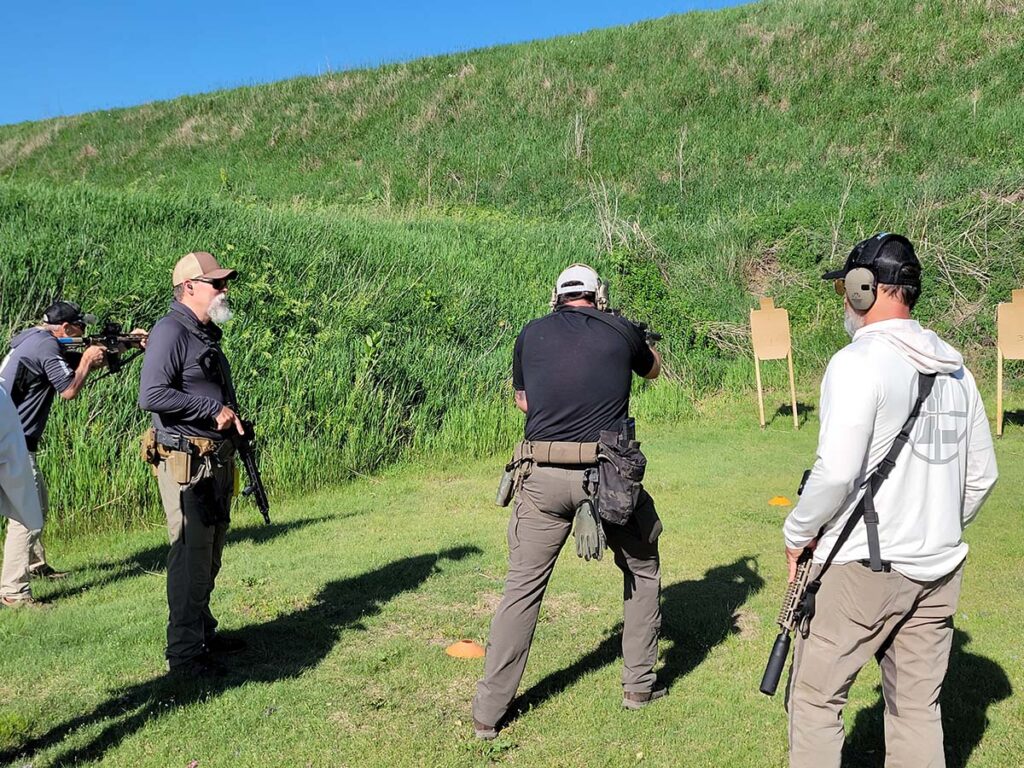
As for the carbines we were using, they were graciously provided by BCM and outfitted with BANISH 556 suppressors and Leupold’s new optic. Everything worked like a dream, including the Hornady ammo we were running.
The single-target drills we started with were designed to teach us the importance of understanding your setup’s mechanical offset. At very close ranges, it can make a huge difference. We were instructed to do things like put 3 shots into the torso’s A-Box, 1 shot into the head and then a shot into the pelvis. At 5 or 7 yards, that sounds simple enough, but if you don’t compensate for your offset, you’ll be dropping hits low every time.
This type of training is also a good reminder of the advantages of paper targets. We all love the sound of ringing steel, but making a general hit on a silhouette is not the same as seeing exactly where you’re hitting. Aim small, miss small, and gunning for the A-Box will make you a much better shooter than merely being satisfied with a hit anywhere on target.
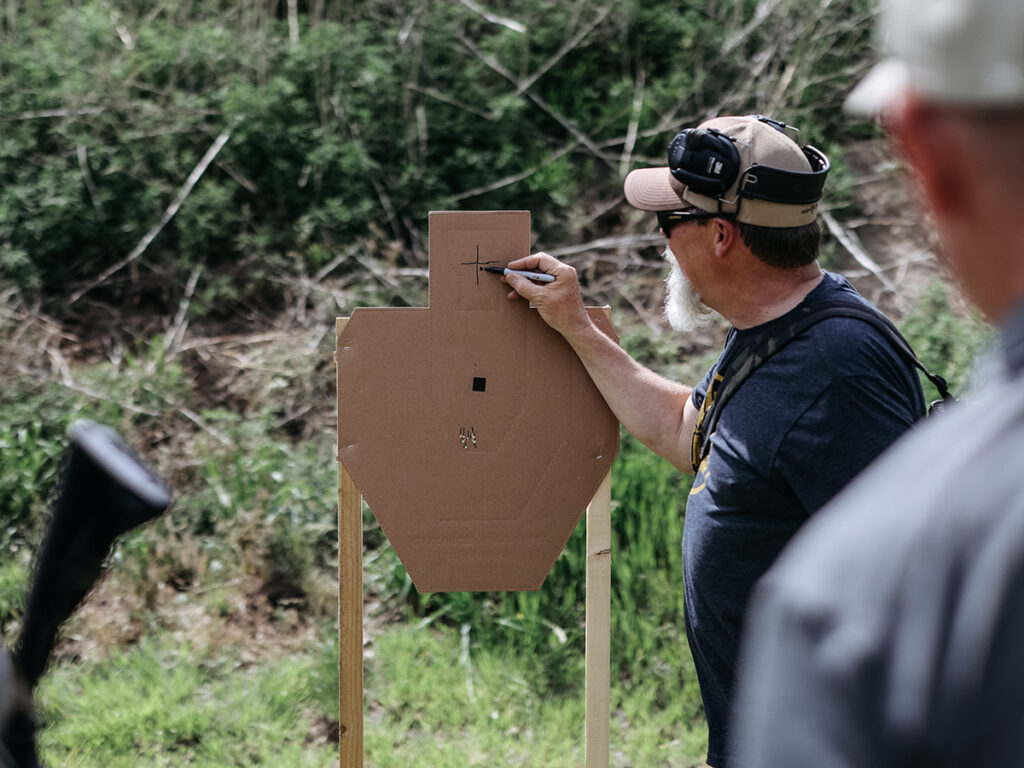
Another skill we worked on was one that I, and most shooters, seriously neglect: support-hand shooting. Unless forced to, very few of us take the time at the range to practice shooting from our non-dominant side. If ever in a gunfight, whether you need to take advantage of cover or get injured, it’s crucial that you know you can still make good hits with your second favorite hand. While surely difficult, our instructors taught us that it’s also entirely possible; you just need to get your body used to the mirrored position.
To help with that, we ran drills that had us firing at a target from our dominant shoulder, swapping sides, firing at the target again and repeating the cycle for several strings as we advanced down the line.
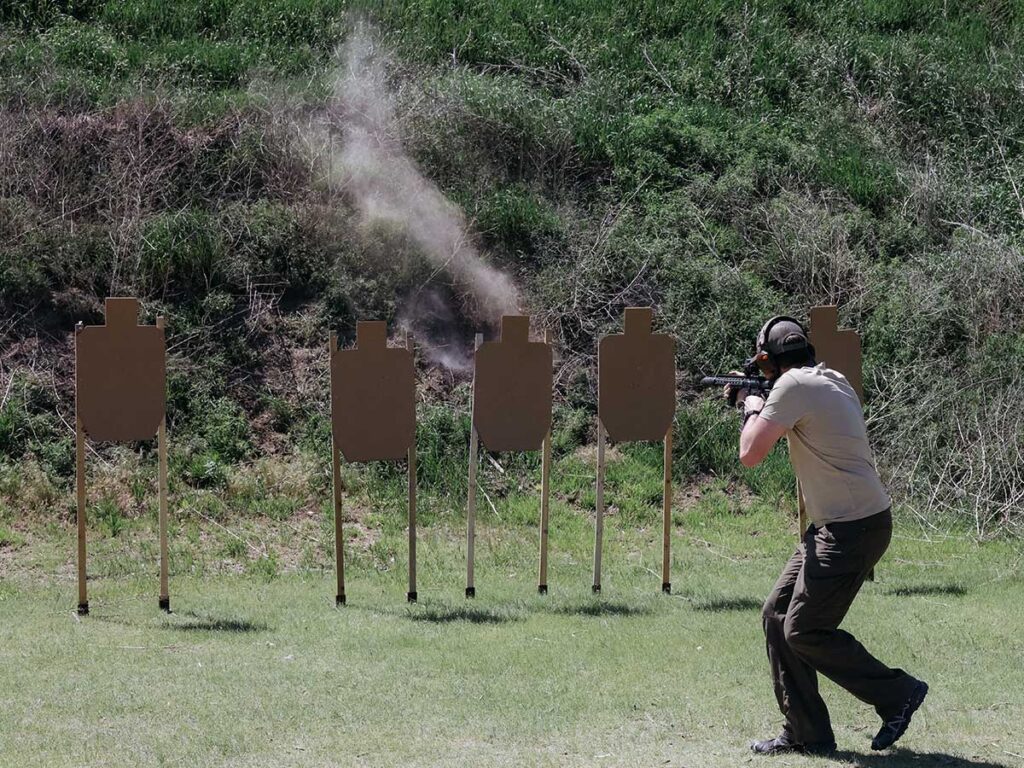
Some other drills we ran focused on quickly driving the rifle to engage multiple targets and shooting on the move.
By the end of the day, I think all of us felt that our skills had been sharpened. The only thing left was to put them to the test.
Trial By Fire
The best way to evaluate your shooting abilities is on the clock with your hits being tallied, so that’s exactly what we did on the final day of the Leupold/Hornady Carbine Shoot Event. We each grabbed our ARs and convened at the other end of Hornady’s Heartland Public Shooting Park to find four bays that had been set up as competitive shooting courses.
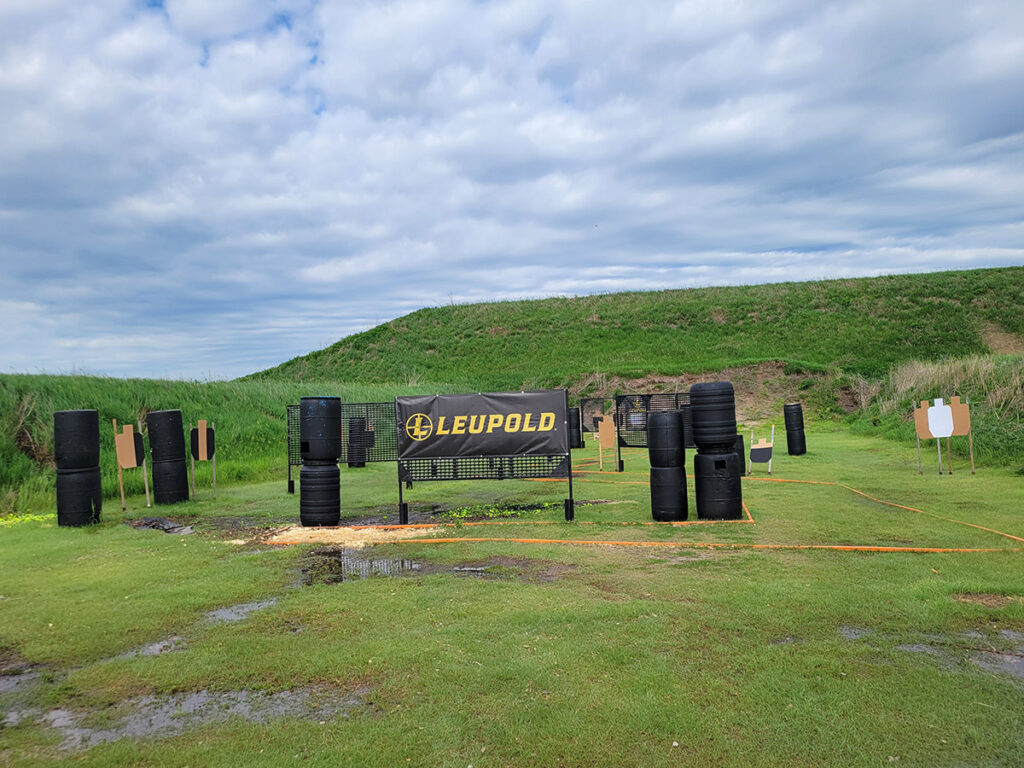
Each one was differently designed to test the various skills we’d spent the previous day practicing. Some targets were far, some were very close. Some were best engaged while moving, and others required standing still to make a well-placed shot. Above all, they forced you to use your brain, and that’s easier said than done once you hear the shot timer go beep.
One of the Hornady employees joked that they call the shot timer the nueralyzer, the mind-wiping gadget from Men in Black, because once it goes off, your head tends to go empty. The pressure of competition is what really reveals how much of your skill has been committed to subconscious muscle memory and how much of it is reliant on conscious effort.
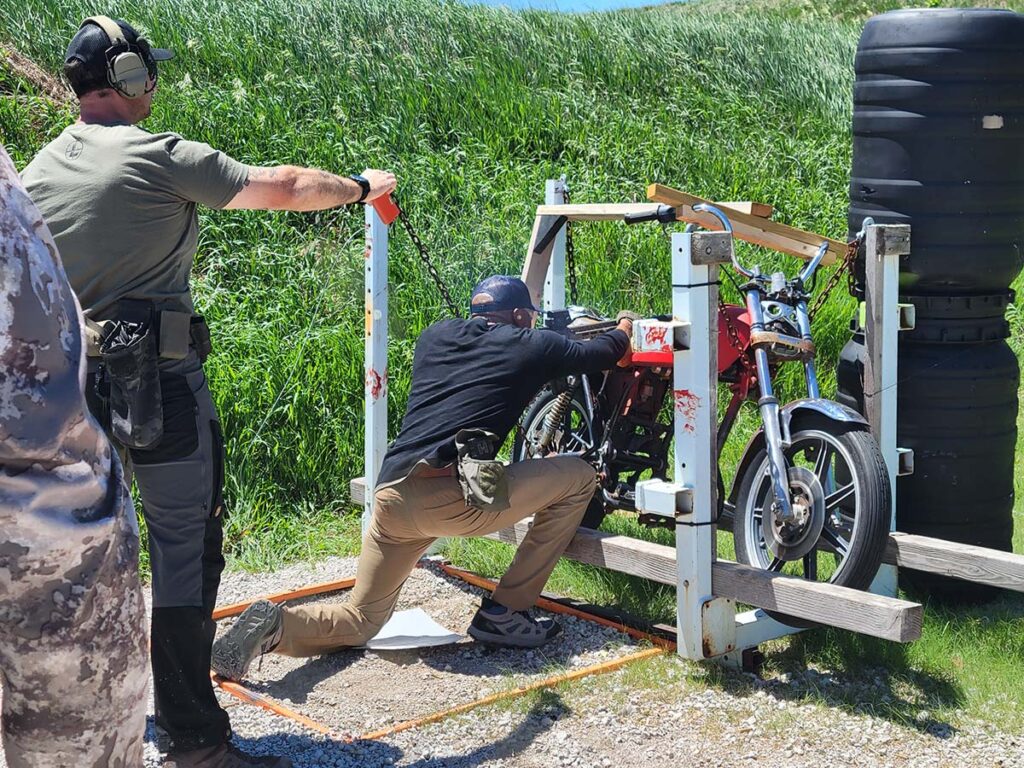
Even the best shooters at the event felt the pressure go up when the clock started, but it quickly became apparent which of us had done this before. Ray Helms of X-RING, for example, has been a competitive shooter for over 35 years. When his timer went off, he went through each course smoothly with the speed and precision that only repetition-induced muscle memory can provide. He clearly wasn’t only relying on what Lamb and Koenig had taught us the day before. Naturally, when the scores had been tallied, he came out on top of our competition.
I, on the other hand, have only dabbled in competitive shooting, and the sound of a shot timer still makes my blood run cold. That said, I still felt pretty good about my overall performance, and I’m certain I did much better than I would have without the great training I had just received. But, running the courses also showed me that a day spent doing drills is not enough time to commit skills to your subconscious. That takes a lot more training, training I intend to do with newfound vigor once back home. It would be a tragedy to let what I learned from Koenig and Lamb slip away.
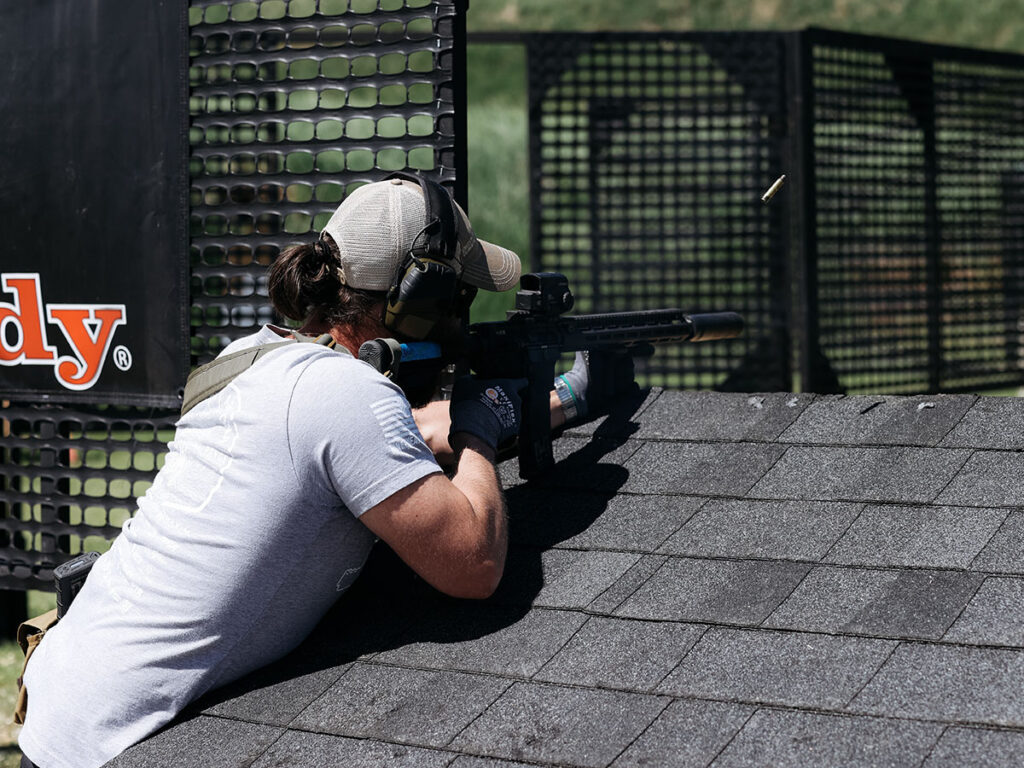
All this to say, if you want to be a proficient shooter, it takes more than casually dinging steel at the range now and then. It’s time to dust off your shot timer, go buy some targets and pasties, and get to work.
More On Training
- Video: Target Transition Training With The Dot Drill
- The Shot Timer And Defensive Handgun Training
- Gun Digest’s 10 Best Shooting Drills And Firearms Training Posts
- MantisX: Simple And Effective Training
- Video: Is A Full-Sized Pistol The Best Training Option?
Next Step: Get your FREE Printable Target Pack


Enhance your shooting precision with our 62 MOA Targets, perfect for rifles and handguns. Crafted in collaboration with Storm Tactical for accuracy and versatility.
Subscribe to the Gun Digest email newsletter and get your downloadable target pack sent straight to your inbox. Stay updated with the latest firearms info in the industry.
