Quarter-bores disappeared from the spotlight for a while, but .25-caliber cartridges are now coming back in a big way.
There are more than a hundred rifle cartridges, but the most popular are in 0.224-, 0.243-, 0.264, 0.284 and 0.308-calibers. The most popular of those have always been 0.224 and 0.308, and it wasn’t until the late ’50s that 6mm (0.243-caliber) cartridges became relevant. Although 6.5mm (0.264-caliber) and 7mm (0.284-caliber) cartridges predate the last century and have long been popular in Europe, Americans never really embraced the sevens until the ’60s, and the 6.5s until about 15 years ago. However, up until the ’80s, 0.25-caliber cartridges were very popular. For a time, they disappeared from the spotlight, but they are beginning to shine again.
So, why was there a decline in the appeal of 0.25-calibers for about 50 years? It was mostly because prior to around 1980, many hunters had only one rifle they’d use for varmints and deer, which are the two most popular game animal categories. The 0.25-caliber rifle cartridges filled this niche very well. However, during the last 50 years, hunters began specializing their rifles for specific pursuits. This led to different rifles in different calibers for almost every different thing they wanted to hunt.
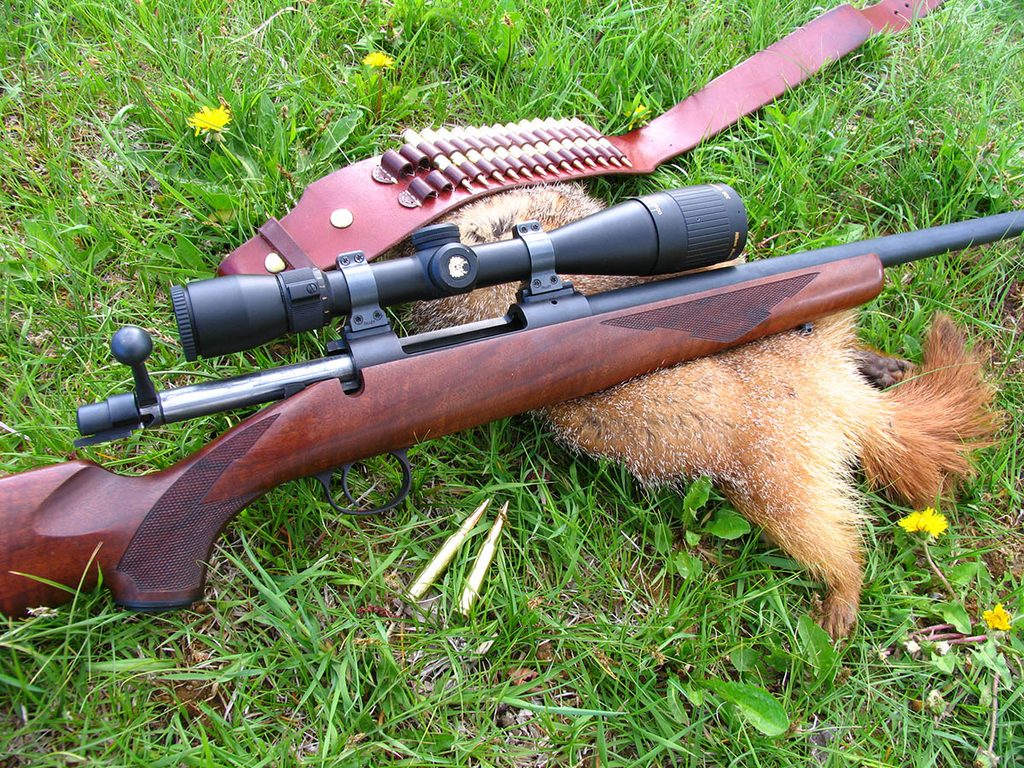
The dual use—varmint and big game—application is what made 0.25-caliber rifle cartridges so popular. This is especially true when you consider post-Depression-era America and the value a single versatile multi-capable rifle offered. But with rifle specialization becoming more prevalent the 25s fell from grace. During the span of more than 50 years—between 1969 and 2025—there was only a single new 0.25-caliber cartridge legitimized by SAAMI (Sporting Arms and Ammunition Manufacturer’s Institute).
Quarter-Bores Through History
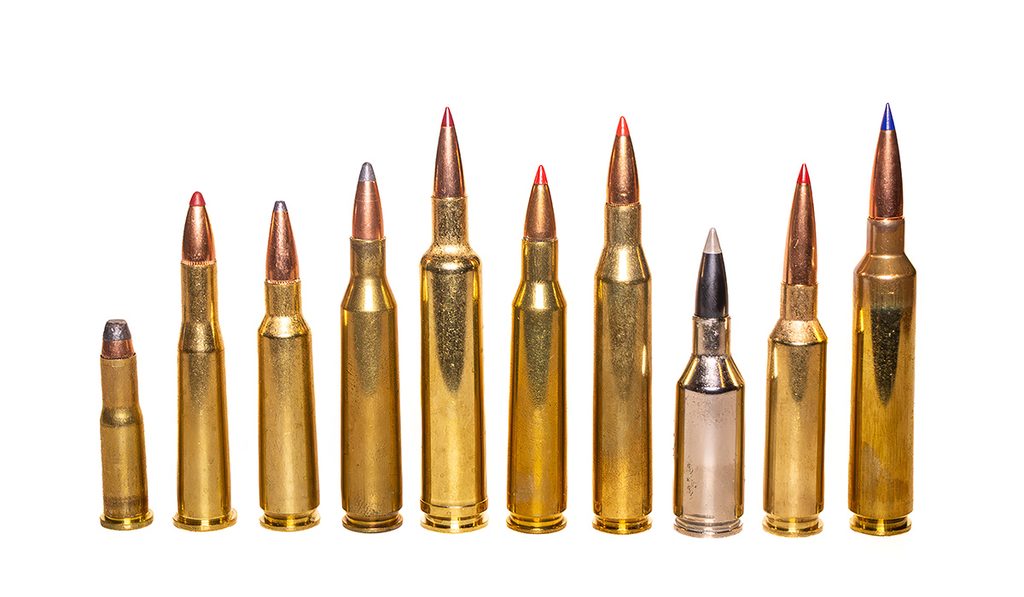
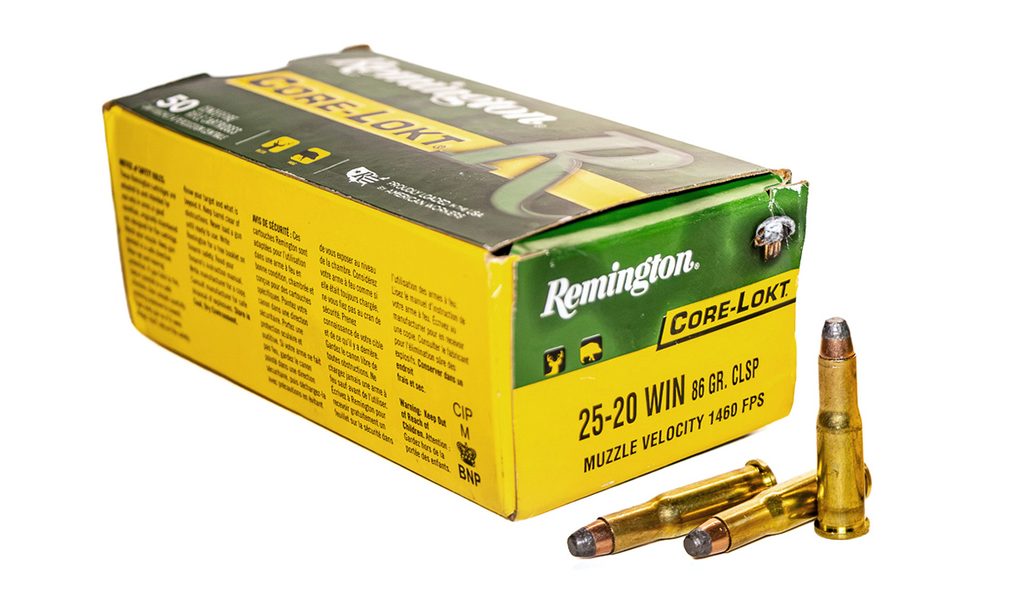
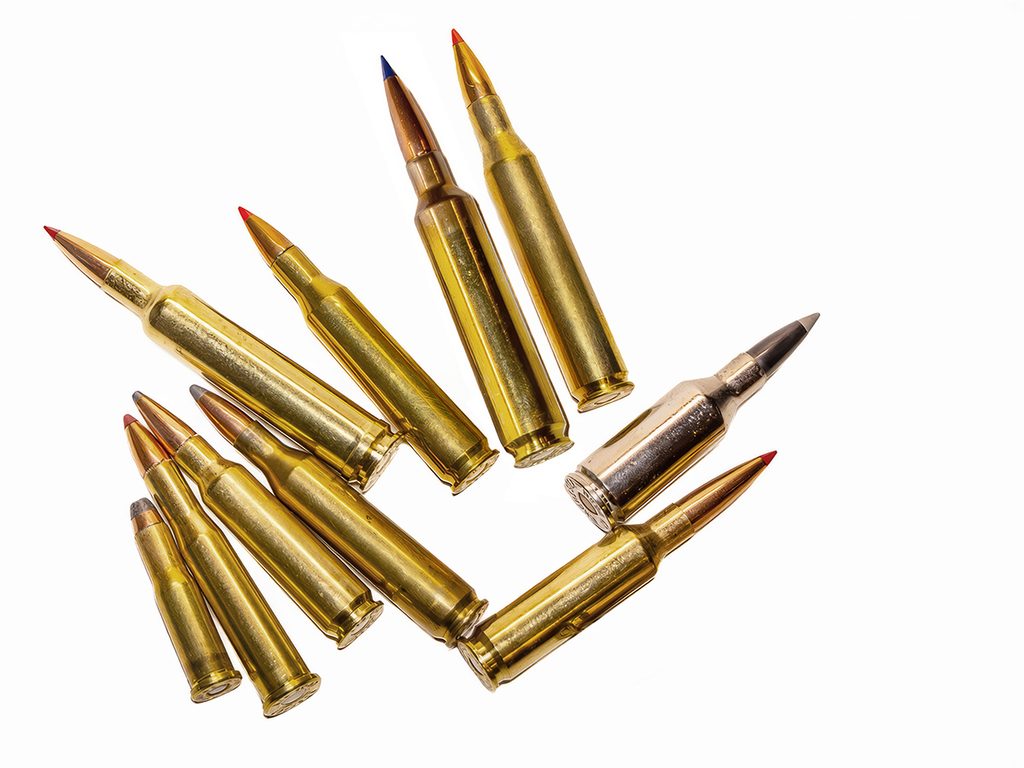
SAAMI currently lists 10, 0.25-caliber rifle cartridges. I’ve shot and hunted with all but one of them, and they all have practical appeal if not a claim to fame. For example, the .25-20 Winchester (.25-20 WCF) was introduced in 1894/5 for the Winchester Model 1892 rifle. It’s a necked-down .32-20 WCF cartridge that became a popular small game lever-action cartridge. Even though it will only push an 86-grain bullet to about 1,400 fps, it’s the cartridge used by James Jordan in 1914 to kill the second-highest scoring typical whitetail deer ever harvested by a hunter.
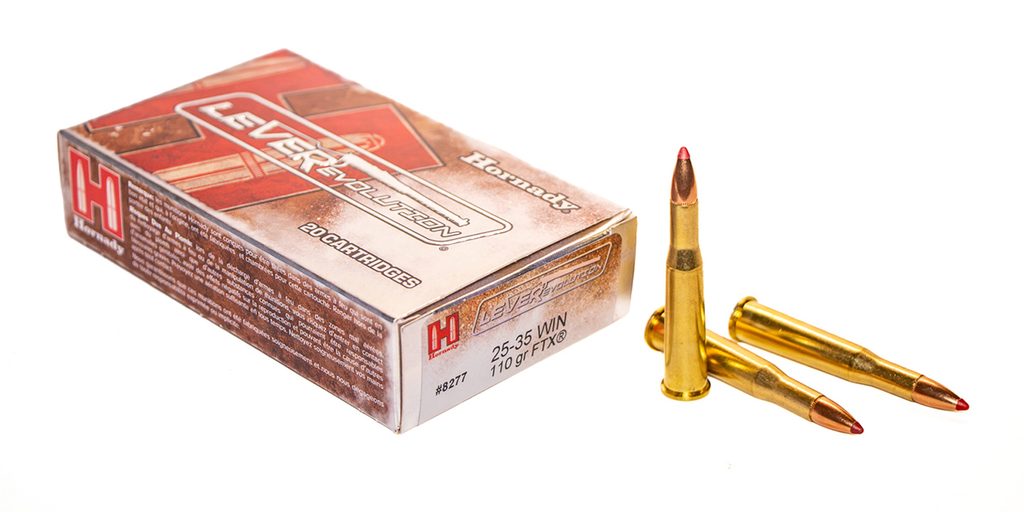
The .25-35 Winchester was also introduced in 1895. But with a 117-grain bullet at more than 2,200 fps, it was substantially more powerful than the .25-20 and truly took the 0.25-caliber into the big game hunting realm. My son used a custom bolt-action Remington Model 788 rifle built by rifle maker Charlie Sisk to kill his first deer.
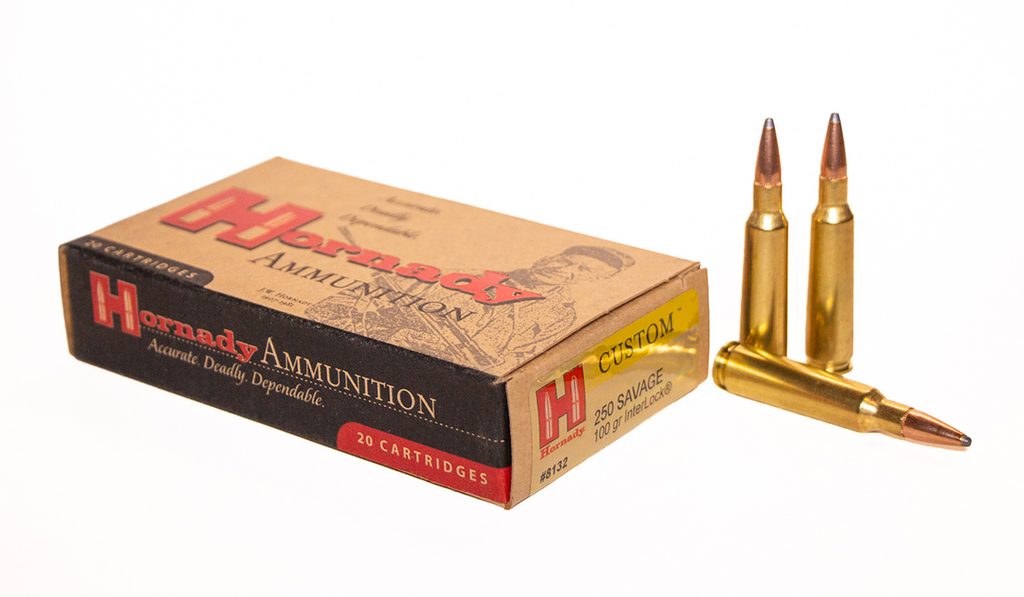
In 1915, Savage did something that doomed the .25-20 and .25-35. They introduced the .250 Savage—Savage 250/3000—and it could launch an 87-grain bullet at more than 3,000 fps. That was a first for an American rifle cartridge, and the .250 Savage was immensely popular until well after World War II.
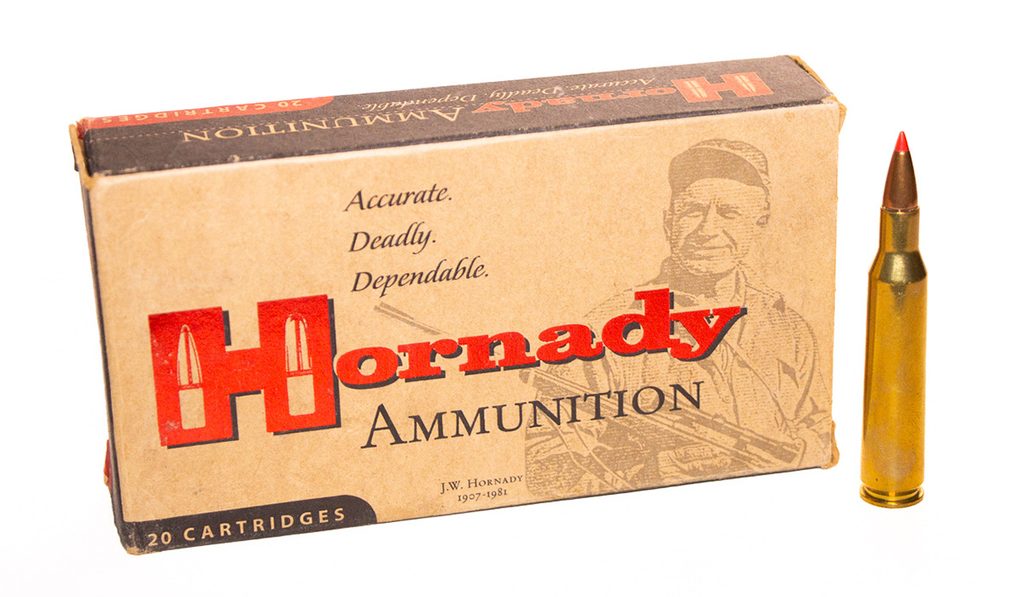
After WWI, gun writer Ned Roberts necked down a 7×57 Mauser cartridge case to 0.257-caliber to create a long-range varmint cartridge. It was so successful as a wildcat Remington legitimized it in 1934. It earned a fantastic reputation as a both-ways (varmint/big game) cartridge. Though .257 Roberts rifle production has been sporadic, it still has a cult-like following, and with +P loads, it can break the 2,900-fps mark with a 117-grain bullet. I’ve always admired the .257 Roberts, have owned a bunch of them and hunted in Africa and North America with them. It’s the cartridge I used to take my first pronghorn.
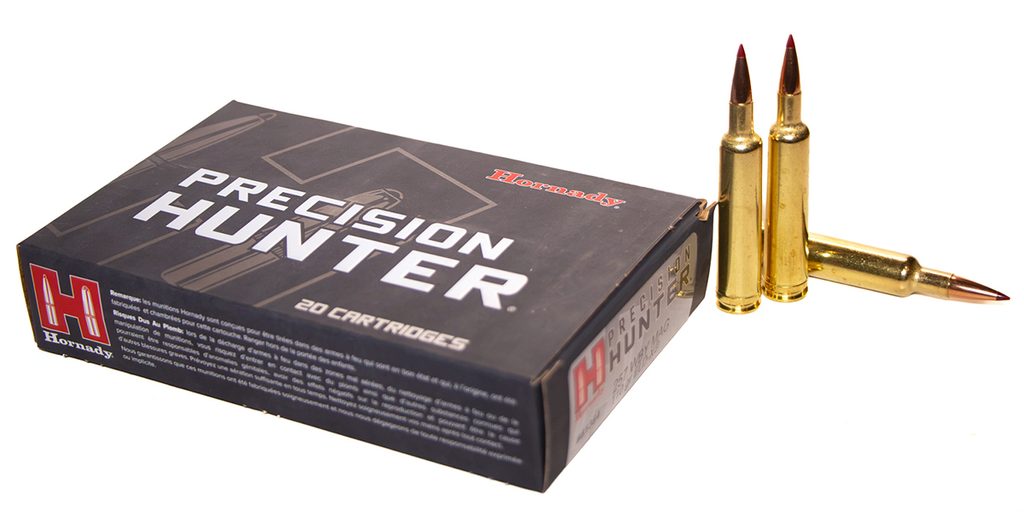
The most powerful 0.25-caliber rifle cartridge is the .257 Weatherby Magnum. It’s been around since 1944 and can push a 100-grain bullet in excess of 3,500 fps. It’s always been very popular with Weatherby customers and was one of Roy Weatherby’s favorites.
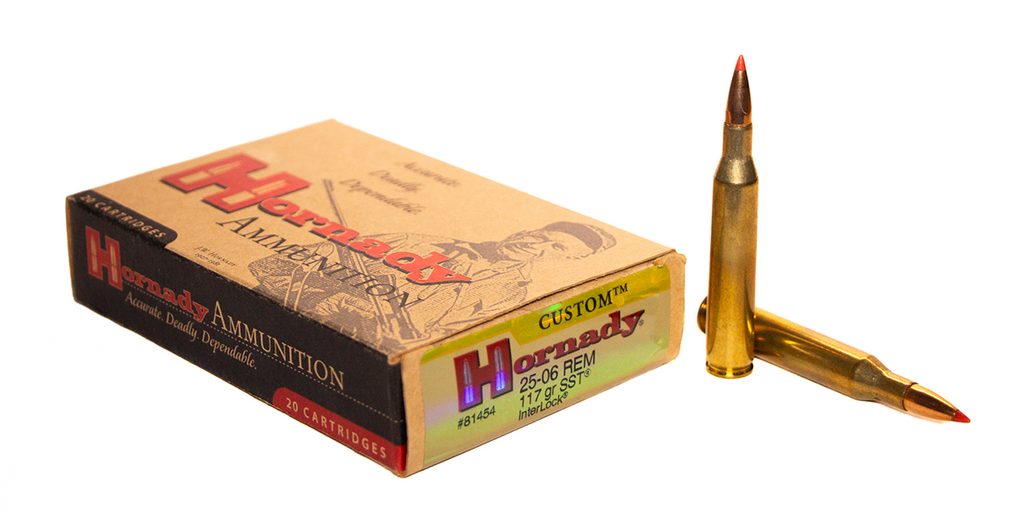
The last successful 0.25-caliber rifle cartridge was the .25-06, which is a .30-06 case necked down to 0.25-caliber. Except for the Weatherby and up until recently, it’s been the fastest and most successful 0.25-caliber. It saw prolific use until the late ’80s, but rifle specialization ended the appeal of the .25-06, with most hunters wanting 0.22- or 024-caliber rifles for varmints and 7mm or larger-caliber rifles for big game.
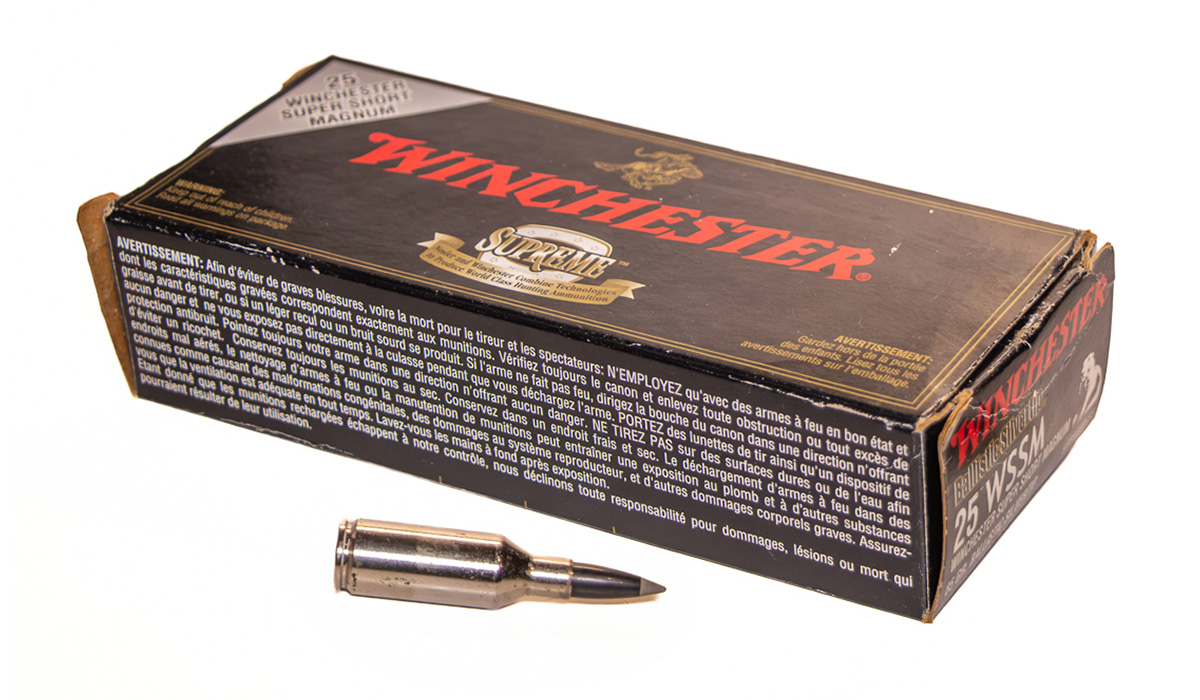
The super-short .25 WSSM was introduced in 2004, but the quarter-bore appeal had ended and it—like all the WSSM cartridges—never caught on.
SAAMI Listed Quarter-Bores
| Cartridge | Introduced (year) | MAP (psi/CUP) | 100-grain Velocity (nominal fps) | OAL (inches) | Twist Rate (inches) |
| .25-20 Winchester | 1894/5 | 28,000 | 1,450* | 1.592 | 1/14 |
| .25-35 Winchester | 1895 | 37,000 | 2,500 | 2.550 | 1/8 |
| .250 Savage | 1915 | 45,000 | 2,800 | 2.515 | 1/14 |
| .257 Roberts | 1934 | 54,000 | 2,880 | 2.780 | 1/10 |
| .257 Weatherby Mag. | 1944 | 62,500 | 3,580 | 3.209 | 1/10 |
| .257 Roberts +P | Circa 1985 | 58,000 | 3,150 | 2.780 | 1/10 |
| .25-06 Remington | 1969 | 63,000 | 3,210 | 3.250 | 1/10 |
| .25 WSSM | 2004 | 65,000 | 3,150 | 2.360 | 1/10 |
| .25 Creedmoor | 2025 | 62,000 | 3,200 | 2.825 | 1/7.5 |
| .25 Weatherby RPM | 2026 | 65,000 | 3,425 | 3.340 | 1/7.5 |
The Quarter-Bore Revival
I’ve always liked the both-ways appeal of .25-caliber cartridges and have tried them all except the Weatherby, which I always thought was too much of a good thing. About a decade ago I necked the 6.5 Creedmoor cartridge case down to 0.25-caliber, thinking that with a fast-twist barrel it could be a triple-threat cartridge suitable for varmints, big game, and for long-range shooting. In truth, dimensionally it’s very similar to a popular wildcat known as the .250 Savage Ackley Improved (AI). The main difference was instead of fire-forming .250 Savage brass and needing a special die, to handload my cartridge—which I called the 2Fity-Hillbilly—you could use a 6.5 Creedmoor sizing die with a bushing.

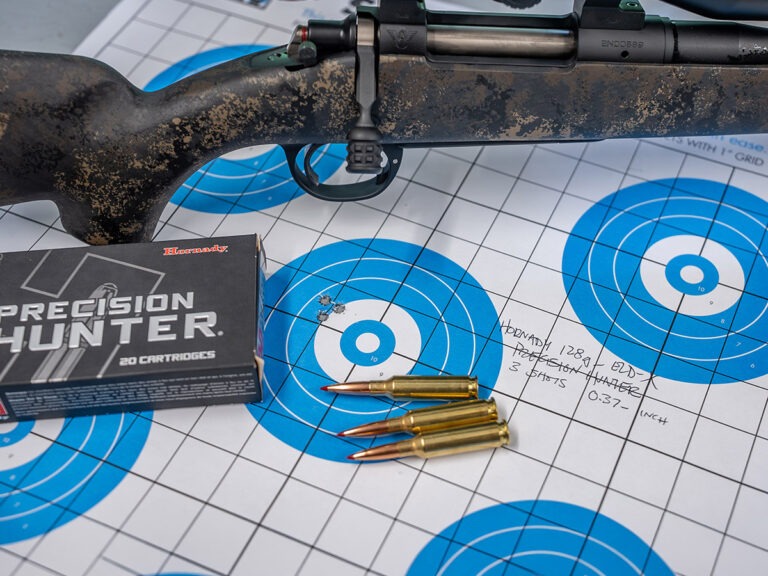
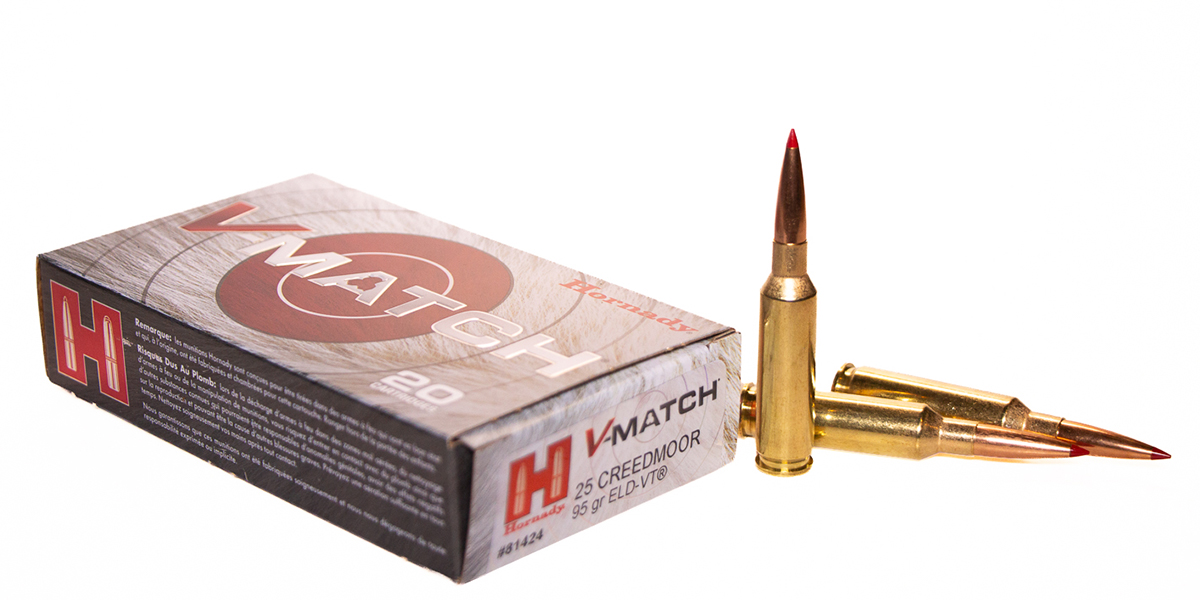
I used that wildcat to take a pile of coyotes and deer and even tried to get Hornady to legitimize it through SAAMI. Others began necking the 6.5 Creedmoor down to 0.25-caliber, calling it the .25 Creedmoor, and using high ballistic coefficient (BC) boutique bullets in long-rang competitions. Given that this the short-action compared favorably with .25-06 performance, in 2025, Hornady finally legitimized it with a 1:7.5 twist, and just as importantly introduced several new 0.257-caliber high BC bullets.
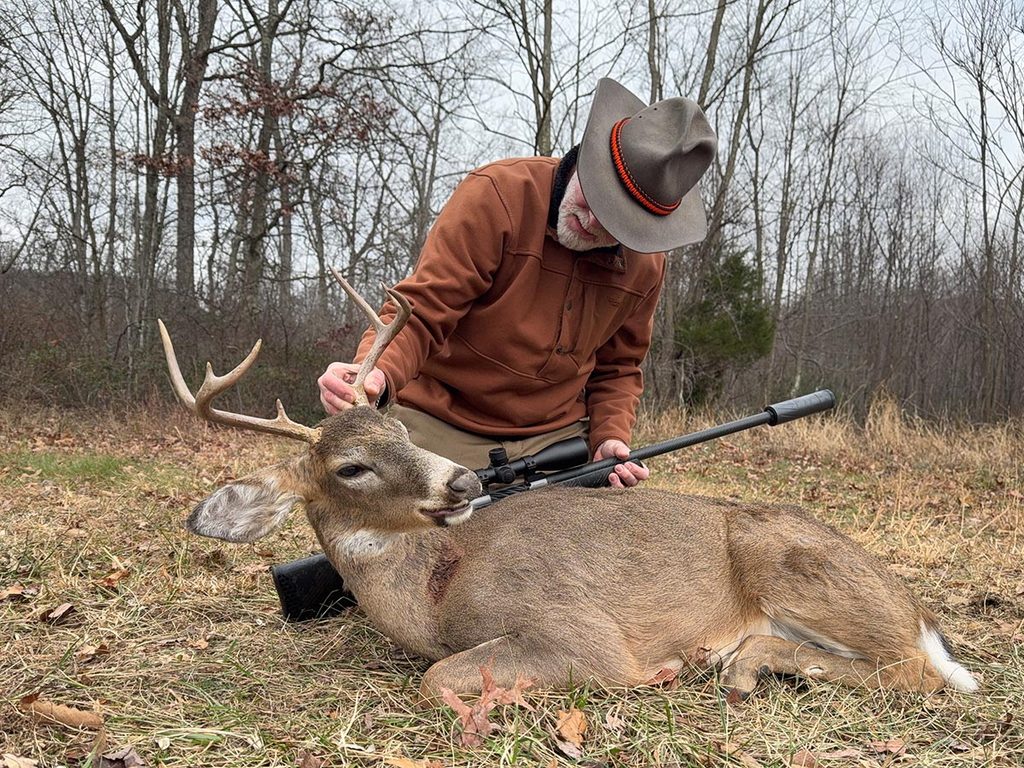
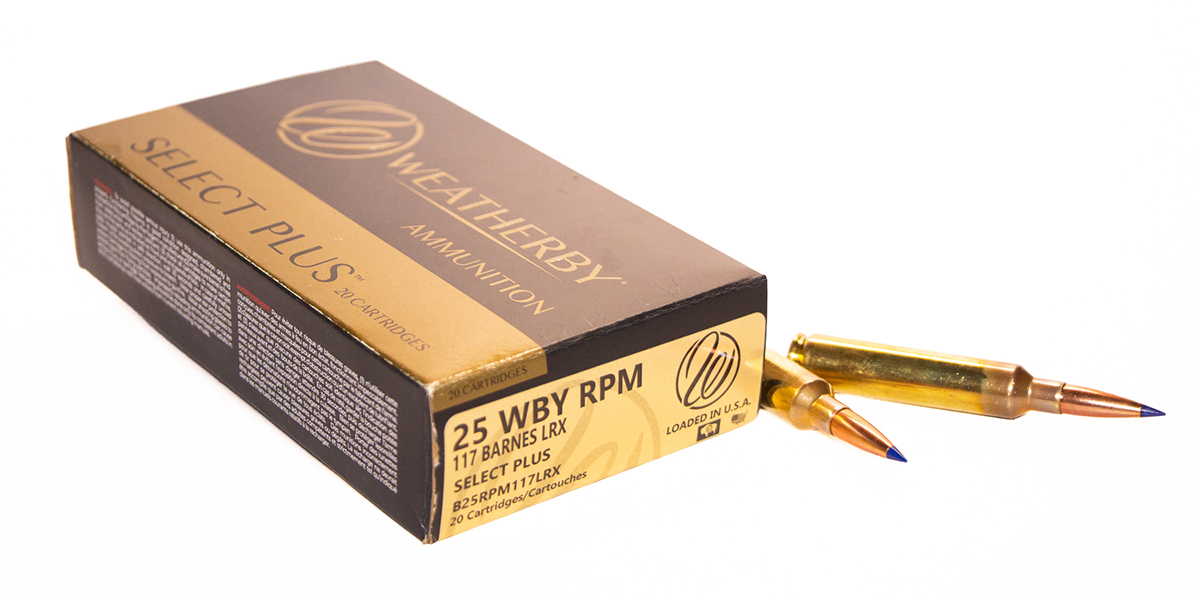
This year, Weatherby created the second-fastest SAAMI-approved 0.257-caliber rifle cartridge by necking down their 6.5mm Rebated Precision Magnum (RPM) case. The .25 Weatherby RPM is about 100- to 150-fps slower than the .257 Weatherby Magnum, but it also has a 1:7.5 twist, and at distance, it will outperform the Magnum. I worked with the .25 RPM for about a year, even using it on a whitetail buck at just a bit beyond 400 yards.
With the new high BC bullets that were needed in the older quarter-bores but would never work in them because they all had slow twist rates, these new 25s are getting a lot of attention, once again elevating the appeal of the quarter-bore. This is happening for four reasons. First, at distance these cartridges have superior ballistics compared to their 6.5mm counterparts, making them more appealing in some long-range competitions. Secondly, the ability of 0.25-caliber cartridges to shoot lighter weight bullets makes them better suited for varmints. And third, the new crop of heavier high BC bullets offers better application on big game than with previous quarter-bores.
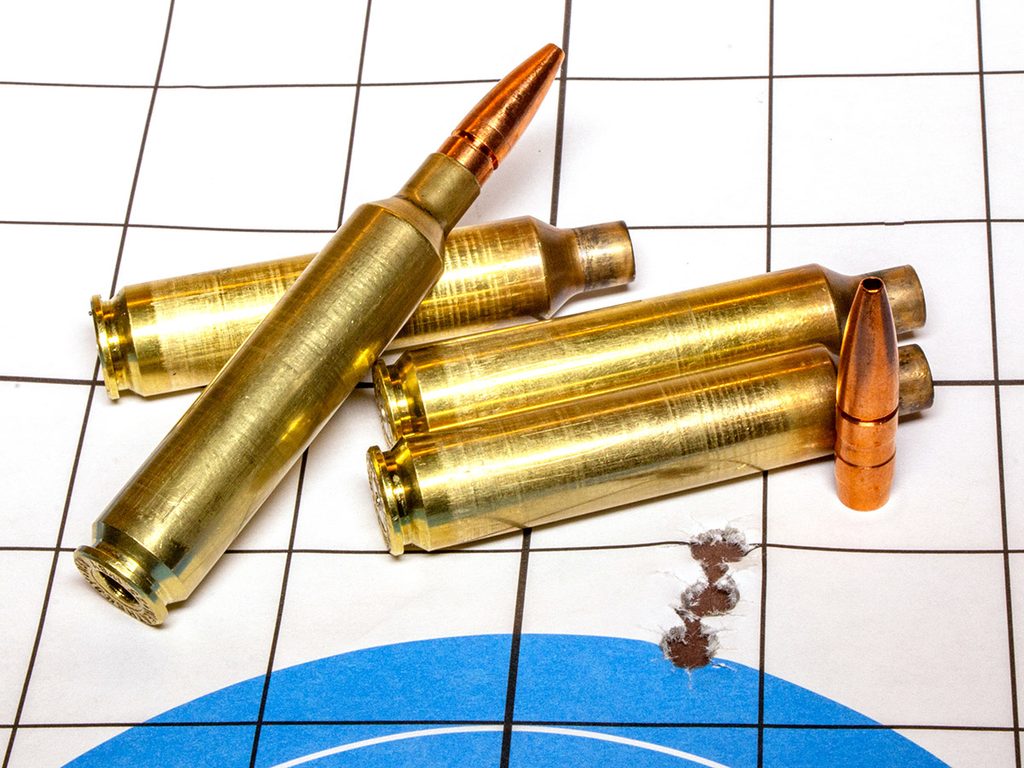
With these two new cartridges, the triple threat has been realized but I believe there’s another factor/fourth reason at play. High-end high-performance rifles are becoming more popular, and more are available in factory form. What was once a purely custom proposition has now gone mainstream. The problem is that outfitting yourself with a battery of high-end high-performance rifles for multiple pursuits can get damned expensive, especially when you consider a top-quality riflescope for each. So, the seemingly forgotten notion of a single rifle you can do the most with once again has appeal. For much less than the cost of a decent varmint rifle, big-game rifle and long-range rifle—all with good optics—you can have a very nice quarter-bore rifle with a very nice riflescope and do all those things.
My Favorite Quarter-Bore
I have several rifles built by custom gunsmith Jerry Dove chambered for the 2Fity-Hillbilly/25 Creedmoor. However, those rifles do not have a twist rate sufficient for stabilizing the latest 0.257-caliber high BC bullets. I needed a triple-threat rifle for the triple-threat cartridge I created and found the answer at Wilson Combat, which took over the manufacturer of NULA rifles from Melvin Forbes before he passed. Wilson Combat made some positive enhancements to the design and are now offering the exquisite NULA rifle in .25 Creedmoor.
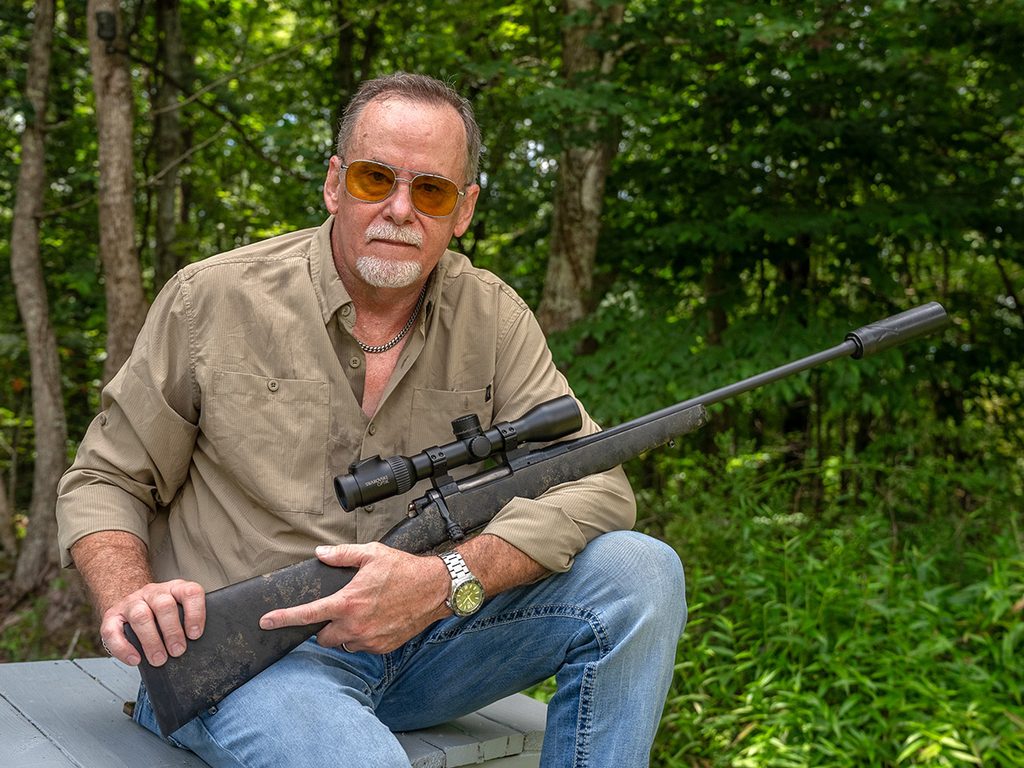
Mine has a 20-inch barrel, and it weighs 5.06 pounds. With a Swarovski Z5i riflescope and a Banish Backcountry suppressor, it still only weighs 6.6 pounds. That makes it incredibly handy, and I now have a very good rifle with a very good riflescope that’s groundhog, coyote, deer and larger game capable, and it’ll shoot the cents right off a nickel. Many other manufacturers are offering rifles in .25 Creedmoor too. If you want a quarter-bore with a bit more power and reach, the .25 Weatherby RPM is a great choice. The only problem with the .25 RPM is that its only available in Weatherby rifles.
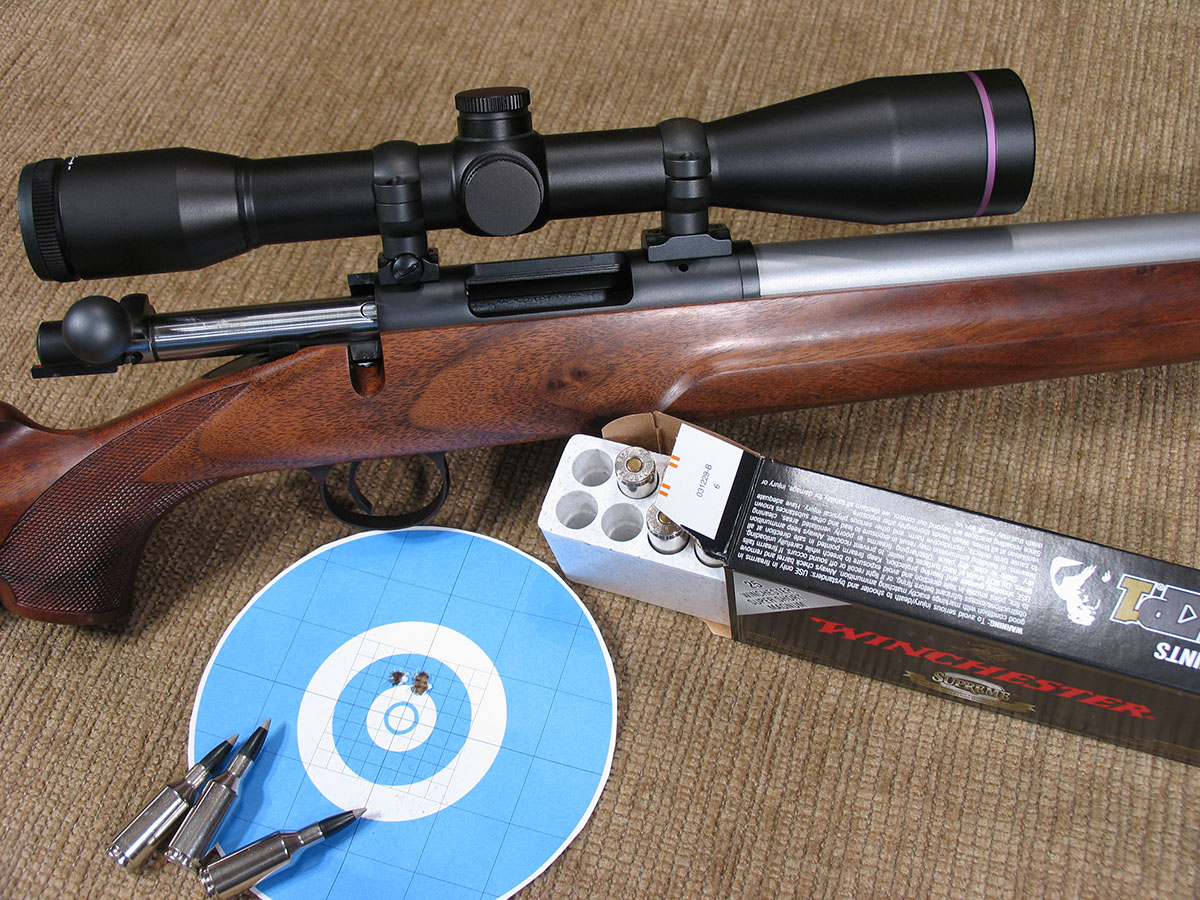
Even with these two great new cartridges, it’s too soon to tell if the quarter-bore will return to the popularity it once held. And while these new 25s have a ballistic advantage over the older quarter-bores, with modern bullets those older cartridges are even more effective than before. In fact, a .250 Savage, .257 Roberts or .25-06 Remington rifle with a new, fast twist barrel can still offer you that triple-threat appeal, which the quarter-bores fill better than any other caliber.
Editor’s Note: This article originally appeared in the November 2026 issue of Gun Digest the Magazine.
More On Rifle Ammo
- A Closer Look At Hornady’s .22 ARC
- .45-70 Ammo Buyer’s Guide: The Good Kind Of Big Gov’t
- Holland’s Super 30: .300 H&H Magnum
- .22LR Ammo Top Hunting Loads Tested
- .22 Nosler Overview: Ballistics & Beyond
- Is .220 Swift Still The Reigning Speed King?
- Four Great .223 Remington Loads
Next Step: Get your FREE Printable Target Pack
Enhance your shooting precision with our 62 MOA Targets, perfect for rifles and handguns. Crafted in collaboration with Storm Tactical for accuracy and versatility.
Subscribe to the Gun Digest email newsletter and get your downloadable target pack sent straight to your inbox. Stay updated with the latest firearms info in the industry.