At GunDigest, we independently review products. However, we may earn a commission when you purchase through links on our site. Learn More
The Dangers Of Bullet Setback
Bullet setback is more common than you think, and it’s dangerous. Here discuss how to deal with it and why you should carry an EDC knife.
When it comes to everyday carry, most of the discussion swirls around guns, holsters, ammunition and training. Sometimes we get so caught up with these topics that we overlook the little things, and as it has often been said, the devil is in the details.
Here are some EDC considerations concerning ammunition, along with an introduction to a knife that’s just too good not to mention.
Carry Ammo Replacement
Police departments usually mandate the replacement of carry/duty ammo at least once per year. Some do it twice a year, each time they qualify. This is a great time to replace carry/duty ammo because it can shoot during qualification, providing another opportunity to verify the reliability of that ammo with duty handguns.
You should be doing something similar.

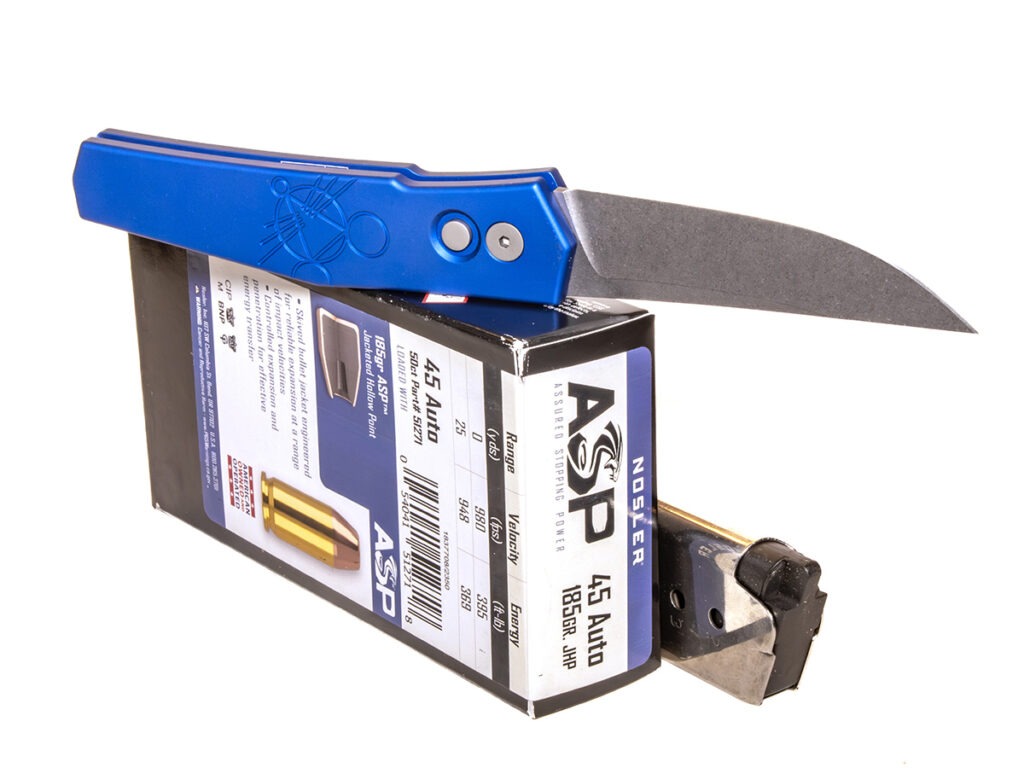
Ammunition is very resilient and can last for decades if stored and cared for properly. When I was working the street, an elderly lady gave me a 1911 magazine loaded with .45 Auto ammo she’d found in a dresser drawer. She said her deceased husband had brought it back from World War II. I took it to the range and shot it, and it worked just fine, so why all the fuss about replacing carry ammo?
Over time, especially with exposure to wide temperature swings, gun lubrication and even perspiration, brass cartridge cases can corrode and that corrosion can impact reliability. (This is one reason most carry loads utilize nickel-plated cases.) Also, moisture and sweat could possibly cause primer and powder degradation.
For less than $100, you can replace all your carry ammo at least once each year and find a little peace of mind. However, you might need to replace your carry ammo more frequently if you unload your defensive pistol often.
Bullet Setback
When a cartridge is chambered in a pistol, the force of the bullet impacting the feed ramp can sometimes push the bullet deeper into the case. This is called bullet setback, and it can be dangerous.
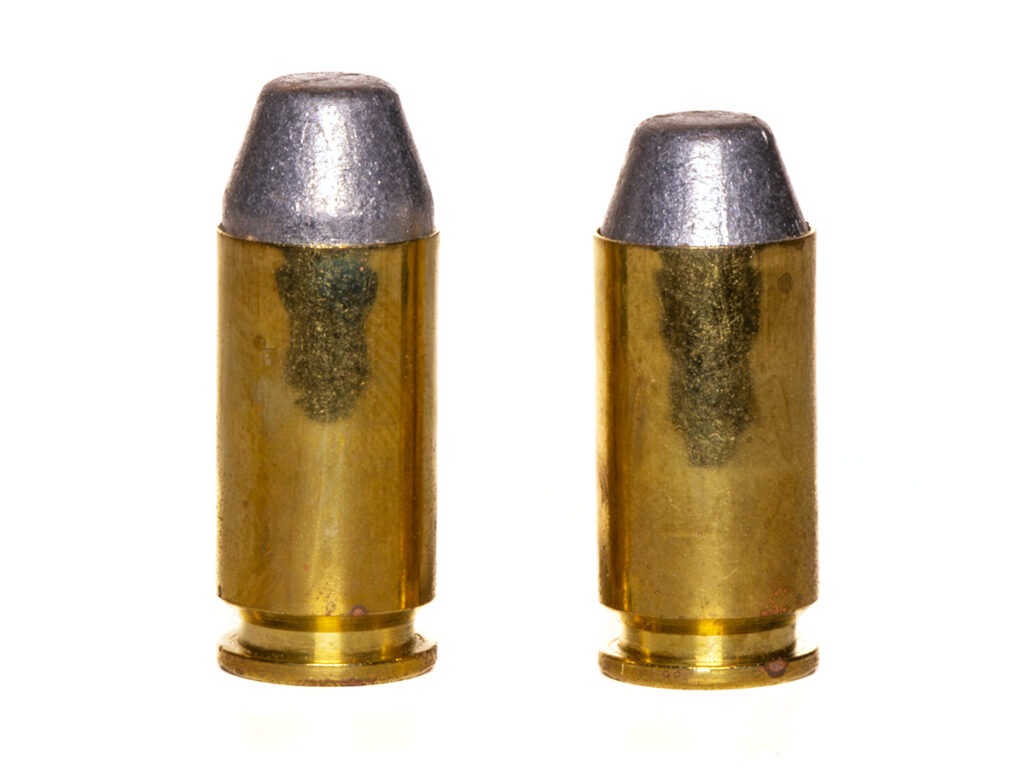
In the mid-1990s, when the .40 S&W was becoming the law enforcement cartridge of choice, there were a rash of incidents where Glock pistols went kablooey during firearms qualification. It was discovered that those officers had been unloading their pistols at the end of each shift and then rechambering the same cartridge before the next shift. This created bullet setback, which substantially raised pressure. It’s estimated that 0.10 inch of bullet setback in the .40 Smith & Wesson can cause pressures to double.
To avoid this, some shooters will move the round they take out of the chamber to the bottom of the magazine. It’s rare that a single chambering can cause bullet setback with high-quality ammo, but for those unloading and reloading all the time, that round at the bottom of the magazine will eventually make it to the top and be rechambered again.
You could mark each unchambered cartridge with a permanent marker so you’ll know when it resurfaces, or you could just toss it and replace it with a new one. (My carry guns remain loaded all the time, and in the event I do need to unload, I mark the cartridge and move it to the bottom of the magazine.)
If you throw away cartridges you’ve unchambered, you are essentially replacing your ammo—one round at a time, so annual or semi-annual ammo replacement is not necessary. The downside is that you do not get to shoot that ammo. If you mark each round when you unchamber it, eventually you’ll have marked all the ammo in your gun and extra magazines. Then, you can shoot it up—checking for reliability—and replace it. Most modern ammo is resilient enough to be chambered in a pistol twice without experiencing bullet setback.
Giant Mouse ACE Elmer
No, this column is not about knives; it’s about defensive handguns. But a knife should be a part of your everyday carry just as much as a handgun, because you could end up in a hand-to-hand self-defense situation where you’ve lost your gun or your gun doesn’t work. (Maybe it stopped working because of corroded ammo or bullet setback.)
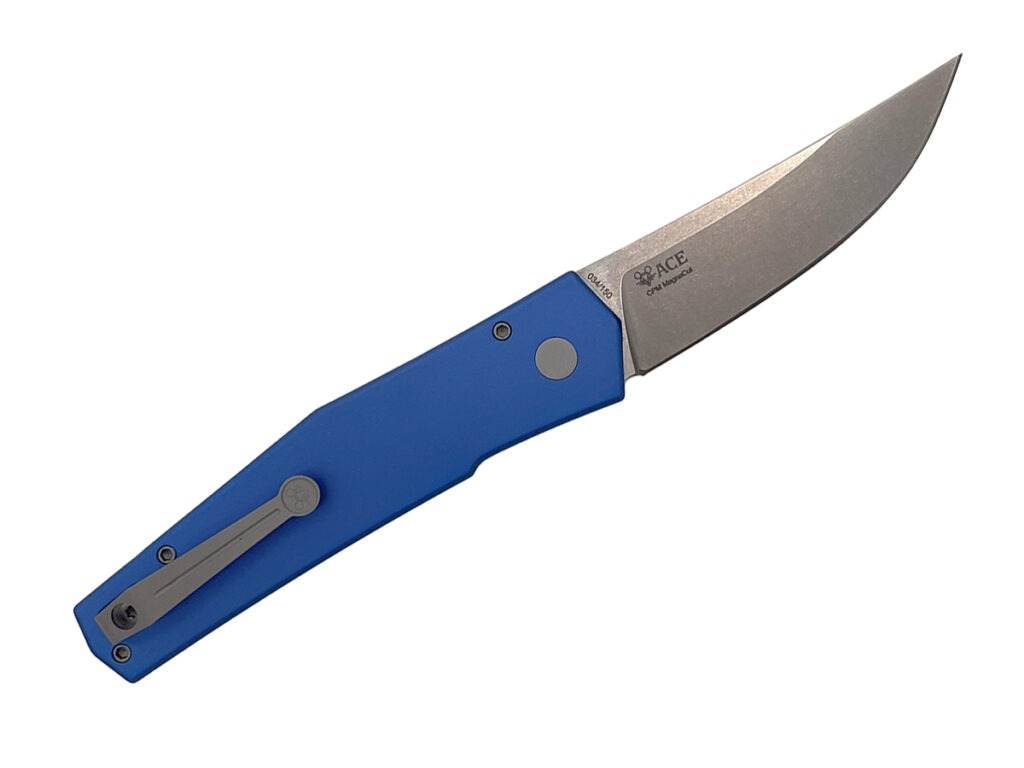
There are several considerations for an EDC knife. It should be atom-splitting sharp, light, compact and unobtrusive to carry, and it should either be a fixed blade or a folder that you can open to a lock with one hand.
I rely on other Giant Mouse blades for hunting, general-purpose cutting and survival/bushcraft-type chores, so I was excited to see their newest EDC knife. It’s built for Giant Mouse by ProTech, and like all the Giant Mouse ACE series knives, it’s made with premium materials. It’s called the “Elmer,” and while this might seem like an odd name for a knife, it won’t be after you hear the story.
The genesis of this knife is a man named Elmer. Elmer served in the 36th Texas Infantry Division during WWII. He survived five major invasions, beginning in the desert chasing Rommel and ending up in Berlin rubble. He returned home and carried on, the way so many like him did. This knife is cool and confident, and more deliberate than decorative, and it honors a great American.
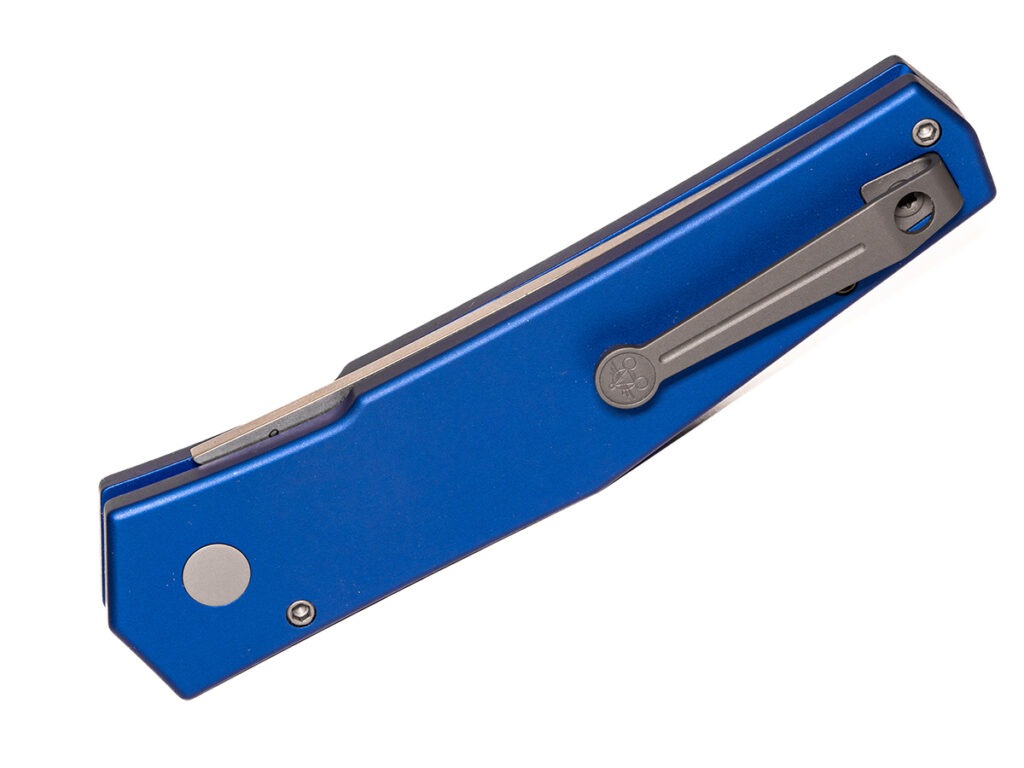
The Elmer is an automatic knife with a single push button for opening and unlocking. It has a CPM MagnaCut stonewashed and slightly upswept 3.2-inch blade that’s 0.107-inch thick and has a Rockwell hardness of 62. The handles are either blue or black aluminum with a milled titanium pocket clip for right side, tip-up carry, and it weighs 3.2 ounces. The action is fast, the lockup is positive, and out of the box you can shave with it.
But this blade is better suited to tendon cutting or bicep-splitting action, and in a pinch, it’ll peel an apple or pick a splinter, too. It rides comfortably in your pocket and is lightning fast to deploy. If you want one, you best make your move now: The Giant Mouse ACE Elmer is a limited edition and retails for $365.
Editor’s Note: This article originally appeared in the March 2026 issue of Gun Digest the Magazine.
More On Everyday Carry
- Should You Carry A Trauma Kit?
- What’s The Best Capacity For An EDC Gun?
- Selecting The Best EDC Knife And Top Picks
- The Personal Journey To Your EDC Gun
- Is Everyday Carry (EDC) Really Necessary
Next Step: Get your FREE Printable Target Pack

Enhance your shooting precision with our 62 MOA Targets, perfect for rifles and handguns. Crafted in collaboration with Storm Tactical for accuracy and versatility.
Subscribe to the Gun Digest email newsletter and get your downloadable target pack sent straight to your inbox. Stay updated with the latest firearms info in the industry.
